Extreme Weather Disrupts Renewable Energy Supply Chains Globally
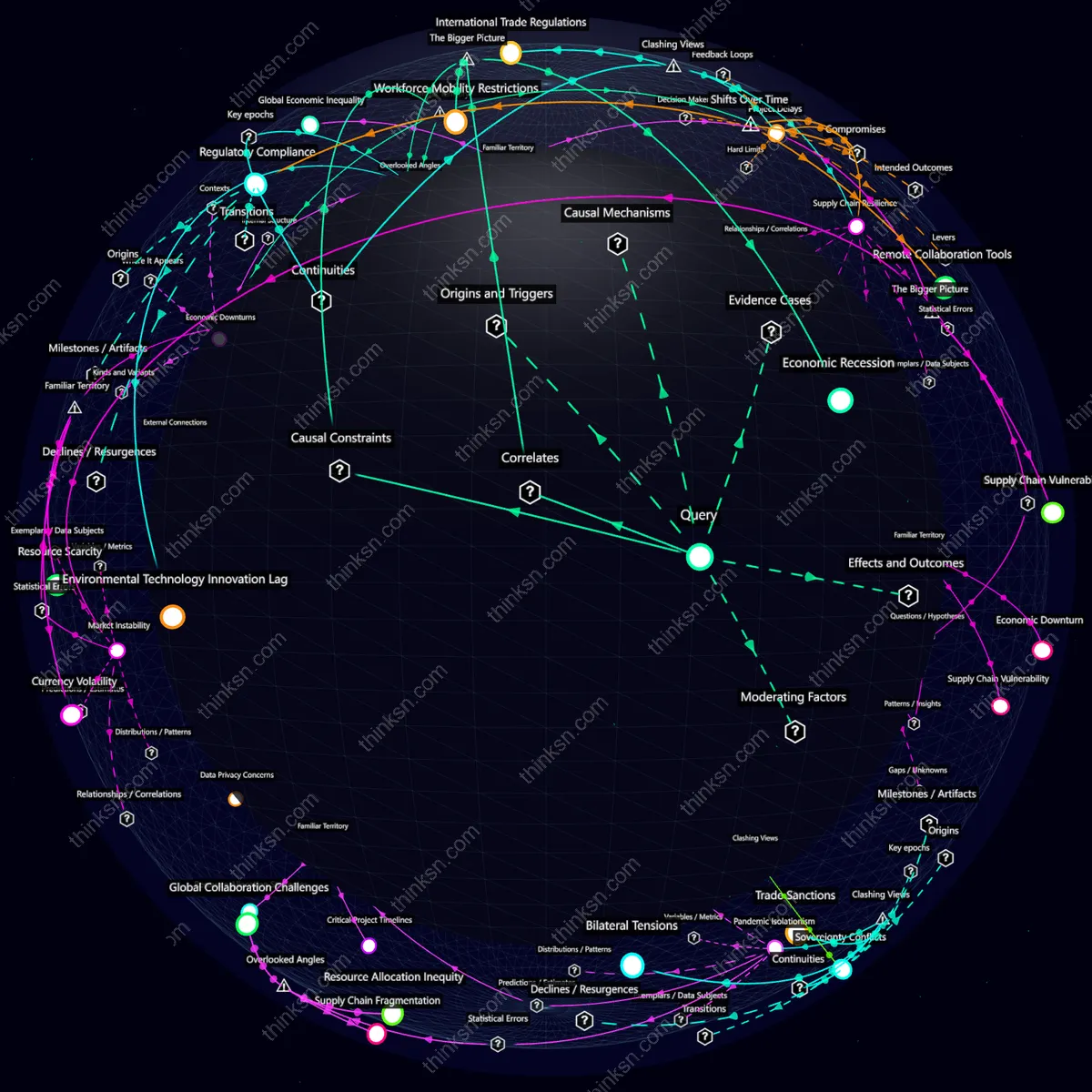
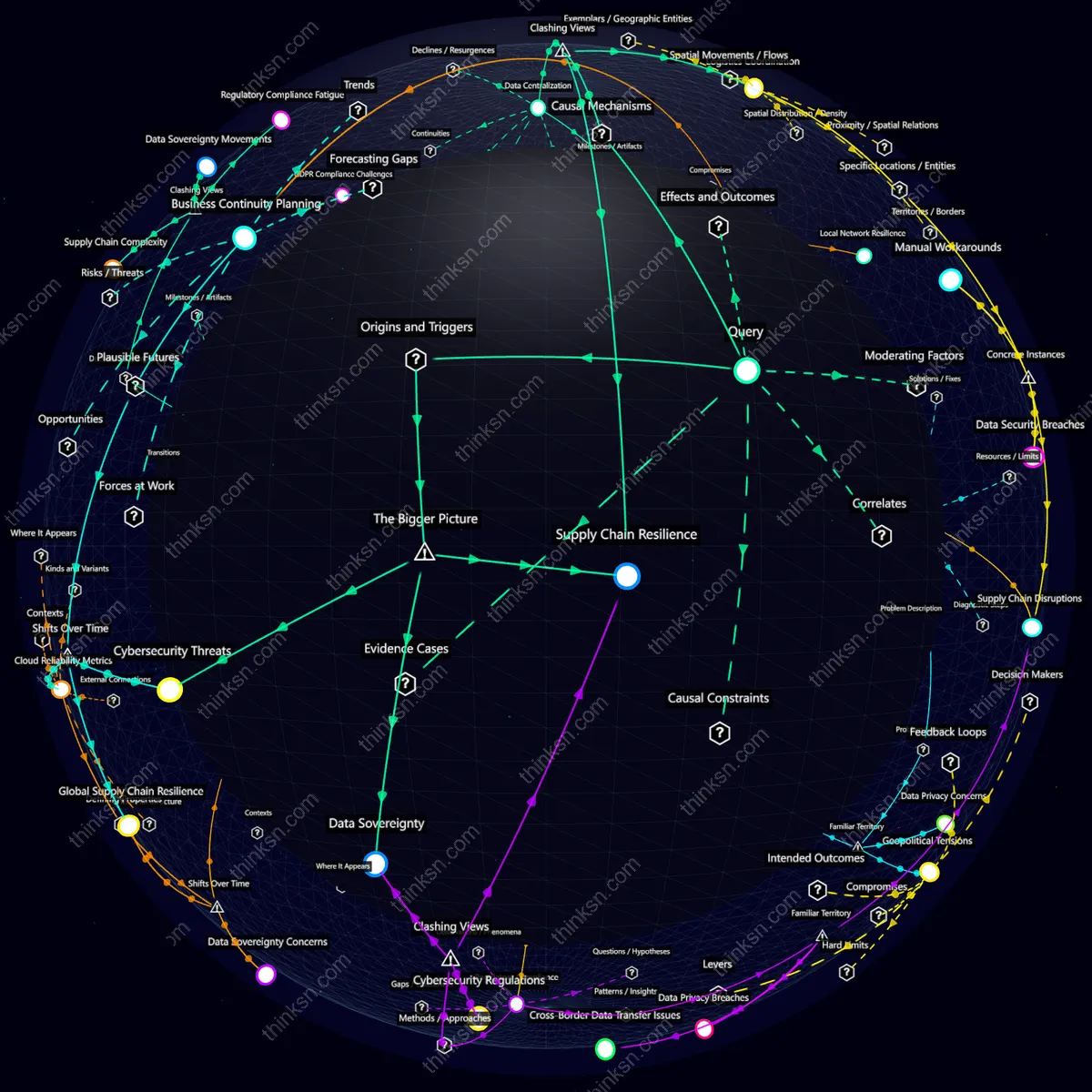
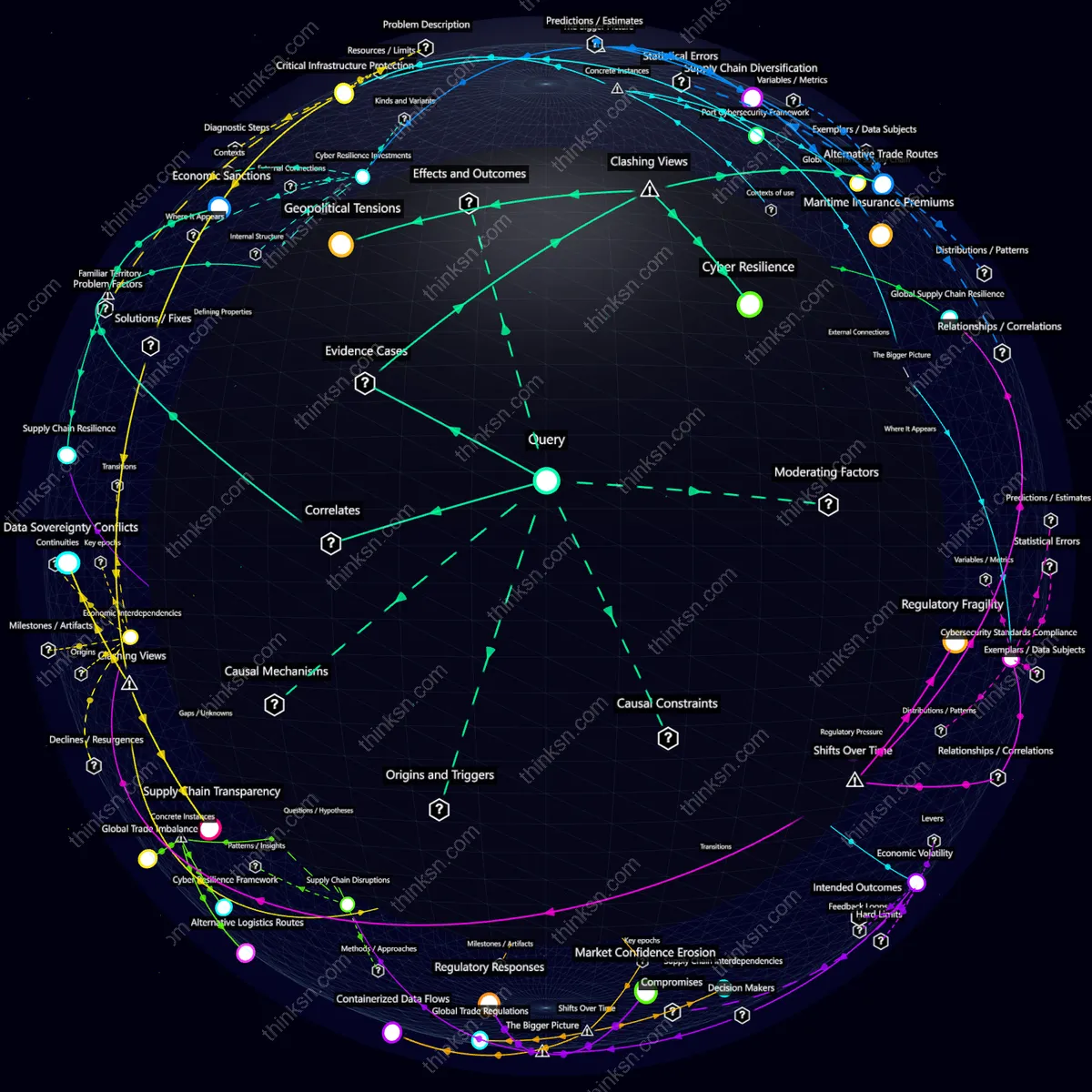
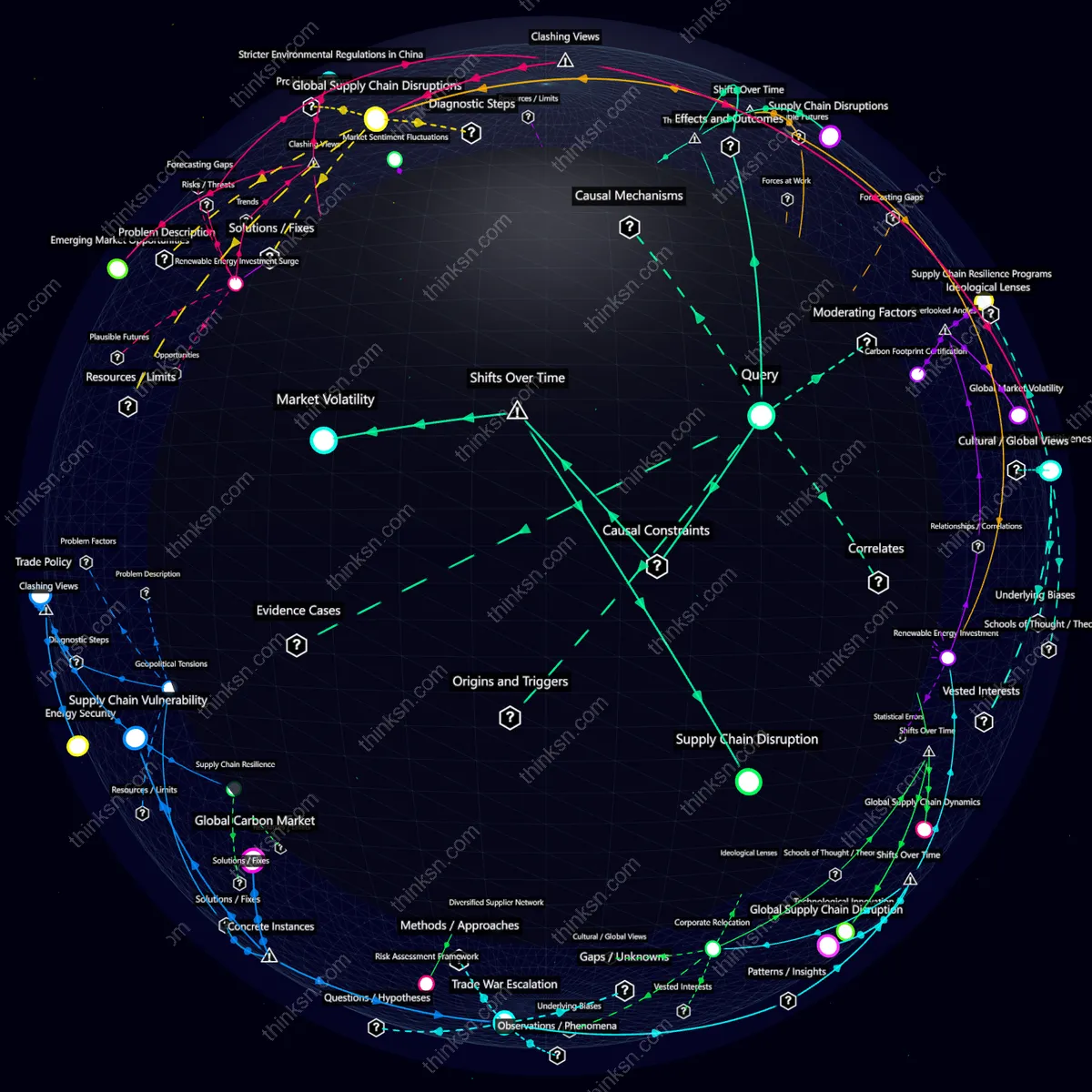
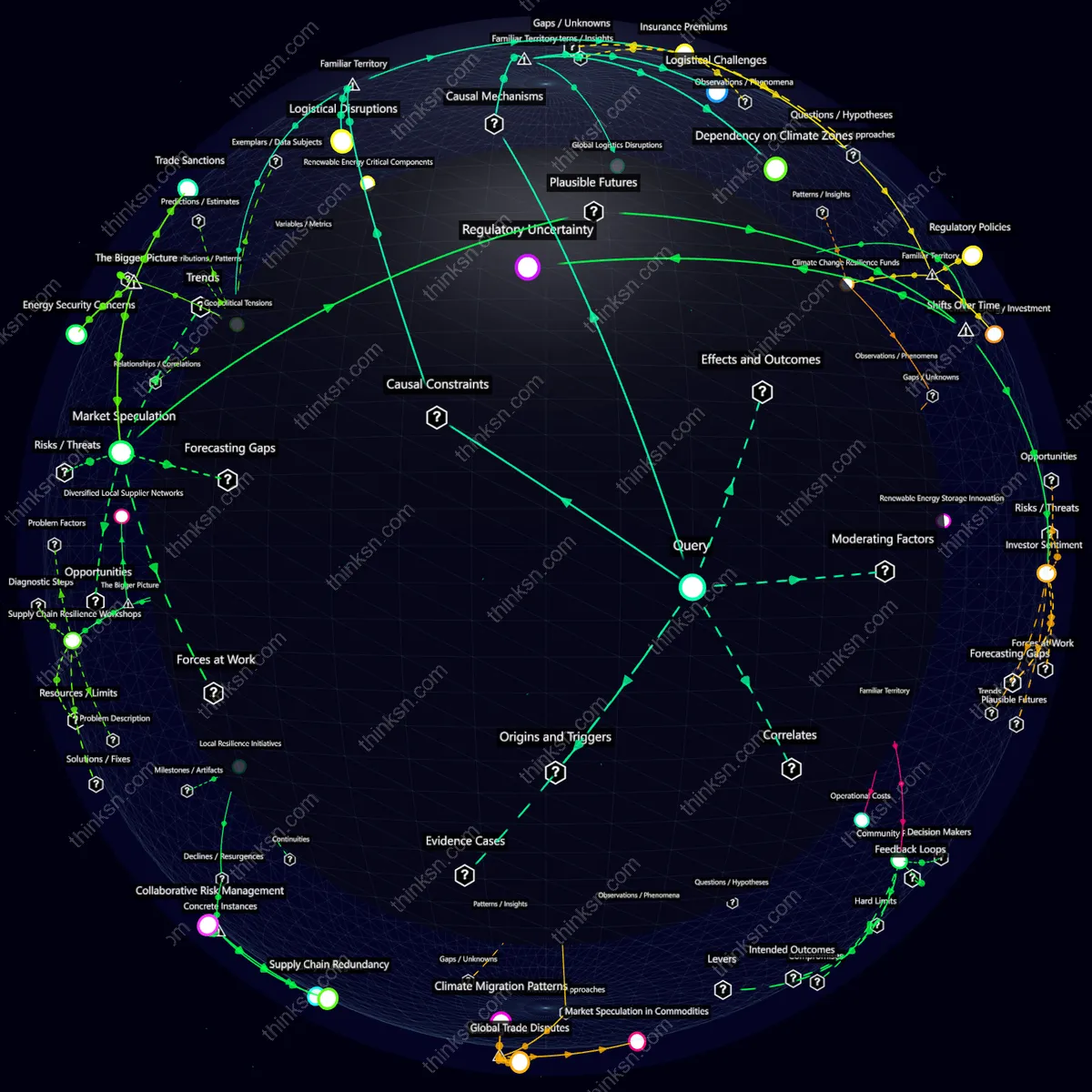
Analysis reveals 6 key thematic connections.
Key Findings
Supply Chain Disruptions
Extreme weather events like hurricanes and floods can cause severe disruptions in the supply chain of renewable energy parts, leading to delays and shortages. For instance, a hurricane hitting a major solar panel manufacturing hub could halt production for weeks, affecting installations globally as demand exceeds available supply.
Logistical Challenges
Extreme weather necessitates re-routing logistics and increases insurance costs due to heightened risk of damage during transport. This can lead to higher operational expenses and reduced profit margins for companies in the renewable energy sector, potentially slowing down the adoption of such technologies in disaster-prone regions.
Dependency on Climate Zones
The global supply chain's reliance on specific climate zones for manufacturing or sourcing raw materials makes it vulnerable to extreme weather events. For example, a prolonged drought affecting lithium mining areas could drastically increase the cost of batteries, impacting the entire renewable energy system's affordability and accessibility.
Logistical Disruptions
Extreme weather events exacerbate logistical disruptions for renewable energy parts, leading to shortages and delays. For example, hurricanes in the Gulf of Mexico can shut down ports critical for importing solar panels and wind turbines, impacting global supply chains and increasing costs.
Insurance Premiums
Rising insurance premiums for renewable energy facilities due to increased weather-related risks can make it economically unviable for smaller firms to invest in robust disaster preparedness. This forces a trade-off between short-term savings and long-term resilience, potentially leaving the supply chain vulnerable during climate crises.
Geopolitical Tensions
Extreme weather events can strain geopolitical relations as countries vie for scarce renewable energy supplies. For instance, droughts may disrupt hydroelectric power production in South America, affecting regional electricity exports and leading to disputes over resource allocation among neighboring nations.
Deeper Analysis
What are emerging trends in insurance premiums for renewable energy systems due to increased frequency and severity of extreme weather events, and how do these trends vary across different regions?
Climate Change Resilience Funds
The surge in climate change resilience funds is redefining insurance premiums for renewable energy systems. As these funds offer subsidies and risk mitigation strategies, they shift the financial burden from individual insurers to broader societal funding mechanisms, potentially creating a fragile dependency on government support and affecting private insurer profitability.
Renewable Energy Investment
Increased investment in renewable energy systems is driving down insurance premiums for these technologies. However, this trend exposes investors to greater risks due to the unpredictability of extreme weather events, leading to a trade-off between technological advancement and financial stability.
Regulatory Policies
Stringent regulatory policies aimed at mitigating climate change impacts are reshaping insurance premiums for renewable energy systems. While these regulations aim to protect against financial losses due to extreme weather, they also introduce compliance costs that can deter smaller companies and exacerbate regional disparities in premium rates.
In what ways do geopolitical tensions exacerbate the impact of extreme weather events on the global supply chain for renewable energy parts, and how can these pressures be quantified to identify critical vulnerabilities?
Trade Sanctions
Geopolitical tensions often lead nations to impose trade sanctions on each other. These measures can disrupt the supply chain for critical renewable energy components, exacerbating vulnerabilities when extreme weather events cause localized production disruptions or shipping delays.
Energy Security Concerns
Increased geopolitical instability heightens national security concerns over energy independence. Countries may prioritize domestic fossil fuels to ensure immediate stability, neglecting long-term investments in renewable technologies and supply chains, which can weaken global resilience against extreme weather impacts on the renewables sector.
Market Speculation
Geopolitical tensions fuel market speculation about future energy prices and supplies. This speculative activity can inflate commodity prices for raw materials needed for renewable parts, making it harder for developing economies to invest in green technologies despite their strategic long-term benefits.
What are emerging perspectives on how Climate Change Resilience Funds can be utilized to mitigate disruptions in the supply chain of essential parts for renewable energy systems during extreme weather events?
Supply Chain Vulnerability Maps
Climate Change Resilience Funds are increasingly allocated to create detailed vulnerability maps for critical supply chains, which reveal hidden interdependencies and single points of failure. However, this focus on mapping can divert resources from immediate disaster response measures, potentially exacerbating short-term risks while addressing long-term resilience.
Renewable Energy Storage Innovation
Funds directed towards renewable energy storage innovation may inadvertently prioritize cutting-edge technologies over more practical, albeit less glamorous, solutions. This could delay the deployment of robust backup systems that are crucial for maintaining supply chain integrity during extreme weather events.
Community-Based Adaptation Strategies
While community-based adaptation strategies are gaining traction with resilience funds, they often face resistance from larger corporate actors who prefer centralized control. This tension can stall the implementation of grassroots solutions that are better suited to local conditions and needs during extreme weather events.
How does market speculation evolve in response to extreme weather events affecting the supply chain of essential parts for renewable energy systems, and what are its future implications?
Supply Chain Disruptions
Market speculation intensifies as extreme weather events cause unpredictable supply chain disruptions for renewable energy parts. Traders and investors focus on short-term gains, exacerbating price volatility due to the fragile dependency on just-in-time delivery systems.
Regulatory Uncertainty
Increased market speculation highlights regulatory uncertainty around disaster resilience in the renewable sector. Governments may rush into ill-considered policies to stabilize markets, leading to inefficiencies and unintended consequences for long-term sustainable development.
Investor Sentiment
Extreme weather events skew investor sentiment towards speculative high-risk investments, as market players bet on short-term volatility rather than stable growth. This behavior can lead to a misallocation of resources, delaying critical infrastructure projects and undermining broader economic stability.
What are potential community-based adaptation strategies that can mitigate disruptions in the supply chain of essential parts for renewable energy systems due to extreme weather events?
Local Manufacturing Hubs
Establishing local manufacturing hubs for renewable energy parts can reduce dependency on distant suppliers but introduces new challenges like technology transfer and skill development. Communities must balance the economic benefits of job creation with the risks of technological obsolescence.
Disaster Preparedness Training
Training community members in disaster preparedness for renewable energy systems can significantly enhance resilience, but over-reliance on this training may divert resources from other critical areas such as public health or education. Communities must carefully weigh the benefits against potential neglect of broader social needs.
Partnerships with Local Universities
Collaboration between local communities and universities to develop adaptation strategies can foster innovation but also risk intellectual property disputes if not properly managed. Establishing clear agreements on ownership and distribution of research outcomes is crucial for sustainable partnerships.
Supply Chain Resilience Workshops
Regular workshops increase local awareness and cooperation but can divert resources from immediate production needs. This leads to a delicate balance between preparedness and operational efficiency, often requiring sophisticated planning and community buy-in.
Diversified Local Supplier Networks
Building relationships with multiple small-scale suppliers enhances flexibility in sourcing materials during disruptions but exposes communities to higher transaction costs and quality variability. This approach hinges on strong local governance and financial support from external stakeholders.
Renewable Energy System Prototypes
Local development of adaptable system prototypes reduces dependency on centralized parts supply chains, yet it requires significant upfront investment in R&D and specialized skills training that may not be readily available. This initiative is crucial for long-term sustainability but poses immediate economic challenges.
Explore further:
- How do extreme weather events impact the resilience and reliability of local manufacturing hubs in supplying essential parts for renewable energy systems, and what are the measurable systemic strains?
- What are the key lessons and strategies from Supply Chain Resilience Workshops that can be applied to mitigate the impact of extreme weather events on the supply chain of essential parts for renewable energy systems globally?
How do extreme weather events impact the resilience and reliability of local manufacturing hubs in supplying essential parts for renewable energy systems, and what are the measurable systemic strains?
Supply Chain Disruptions
Extreme weather events often cause supply chain disruptions in local manufacturing hubs by damaging infrastructure and delaying shipments of critical components for renewable energy systems, exacerbating reliability issues as backup supplies are limited.
Infrastructure Vulnerability
Local manufacturing hubs with inadequate flood defenses or cooling systems face increased risks from extreme weather events, leading to higher insurance premiums and reduced investor confidence in the resilience of these facilities.
Operational Costs
Local manufacturing hubs often face significant operational cost increases following extreme weather events, as they must invest in recovery efforts, insurance premiums, and enhanced infrastructure to mitigate future risks. These costs can undermine the financial viability of small-scale manufacturers, potentially leading to consolidation or relocation to more stable regions.
Community Resilience
The resilience of local manufacturing hubs is closely tied to the broader community’s ability to bounce back from extreme weather events. When communities are better prepared and supported by robust emergency response systems, manufacturers can recover faster and maintain production continuity. Conversely, inadequate support exacerbates systemic strains and prolongs recovery periods.
Explore further:
- What is the geographic distribution and structural impact of supply chain disruptions on essential parts for renewable energy systems due to extreme weather events globally?
- What strategies can communities implement to enhance resilience in their supply chains for renewable energy systems when faced with extreme weather events?
What is the geographic distribution and structural impact of supply chain disruptions on essential parts for renewable energy systems due to extreme weather events globally?
Renewable Energy Critical Components
Extreme weather events disrupt the global supply of critical components like solar panels and wind turbine blades, leading manufacturers to over-rely on single-source suppliers in regions prone to natural disasters. This dependency not only exacerbates economic risks but also hampers the rapid recovery and scaling of renewable energy projects.
Geopolitical Tensions
Supply chain disruptions stemming from extreme weather events often strain diplomatic relations between major solar panel exporting nations like China and importing regions like Europe. As shortages lead to price hikes, countries may consider imposing trade restrictions or developing domestic supply chains, potentially igniting new forms of geopolitical conflict over clean energy.
Local Resilience Initiatives
In response to global disruptions, local governments and communities are increasingly investing in decentralized renewable energy systems. However, these initiatives face challenges due to the fragmented nature of domestic supply chains and lack of expertise in manufacturing high-tech components, creating a paradox where localized efforts struggle without robust international support.
Renewable Energy Component Shortages
Extreme weather events exacerbate shortages of critical components like photovoltaic cells and wind turbine blades, leading to delayed renewable energy projects. This scarcity not only inflates prices but also forces companies to seek alternative suppliers from less reliable or distant regions, increasing supply chain vulnerabilities.
Global Logistics Disruptions
Frequent disruptions in global logistics due to extreme weather events create bottlenecks at ports and transportation hubs. This leads to unpredictable delays and increased costs for shipping renewable energy components, impacting the overall efficiency of project timelines and financial viability of clean energy initiatives worldwide.
Economic Resilience Challenges
The interplay between supply chain disruptions and extreme weather events poses significant economic resilience challenges. Nations heavily reliant on imported renewable technology face heightened risks, as localized production struggles to meet sudden surges in demand, potentially undermining national energy security and sustainability goals.
Explore further:
- How do local resilience initiatives evolve in response to extreme weather events, and what are their impacts on the global supply chain for renewable energy systems over time?
- What are some emerging perspectives on how extreme weather events contribute to shortages in renewable energy components globally, and what are the potential blindspots in current supply chain management strategies?
How do local resilience initiatives evolve in response to extreme weather events, and what are their impacts on the global supply chain for renewable energy systems over time?
Community Microgrids
In response to extreme weather disruptions, communities rapidly adopt microgrid technologies that isolate renewable energy systems from the broader grid. While enhancing local resilience, this can strain relationships with utility companies and complicate regulatory compliance, leading to legal battles over grid rights and responsibilities.
Supply Chain Redundancy
Local resilience initiatives often prompt a shift towards redundant supply chains for renewable energy components, reducing dependency on single-source suppliers. However, this strategy can inflate costs and slow down the deployment of cutting-edge technology due to logistical inefficiencies and inventory management challenges.
Collaborative Risk Management
Extreme weather events drive collaboration between local governments, NGOs, and private companies in managing risks associated with renewable energy infrastructure. This partnership model thrives during crises but can suffer from a lack of sustained funding or political will once immediate threats subside, leaving communities vulnerable to future disruptions.
What are some emerging perspectives on how extreme weather events contribute to shortages in renewable energy components globally, and what are the potential blindspots in current supply chain management strategies?
Market Speculation in Commodities
Speculative trading in rare earth metals and other critical materials for renewable energy technologies can exacerbate shortages by creating artificial demand volatility. This speculative activity often destabilizes supply chains, leading to unpredictable price spikes and material scarcity that disproportionately affect small-scale manufacturers and developing nations.
Global Trade Disputes
Escalating trade tensions between major economies can disrupt the flow of critical renewable energy components. Such disputes, often stemming from geopolitical rivalries or economic protectionism, can lead to sudden embargoes or tariff hikes that severely hamper global supply chains and slow down the deployment of renewable technologies.
Climate Migration Patterns
Extreme weather events leading to climate migration can strain local labor markets in key manufacturing hubs for renewable energy components. The loss of skilled workforce due to displacement or relocation impacts production capacities, further compounding supply chain disruptions and prolonging recovery times from shortages.