Should You Flee or Stay in Market Volatility at 35?
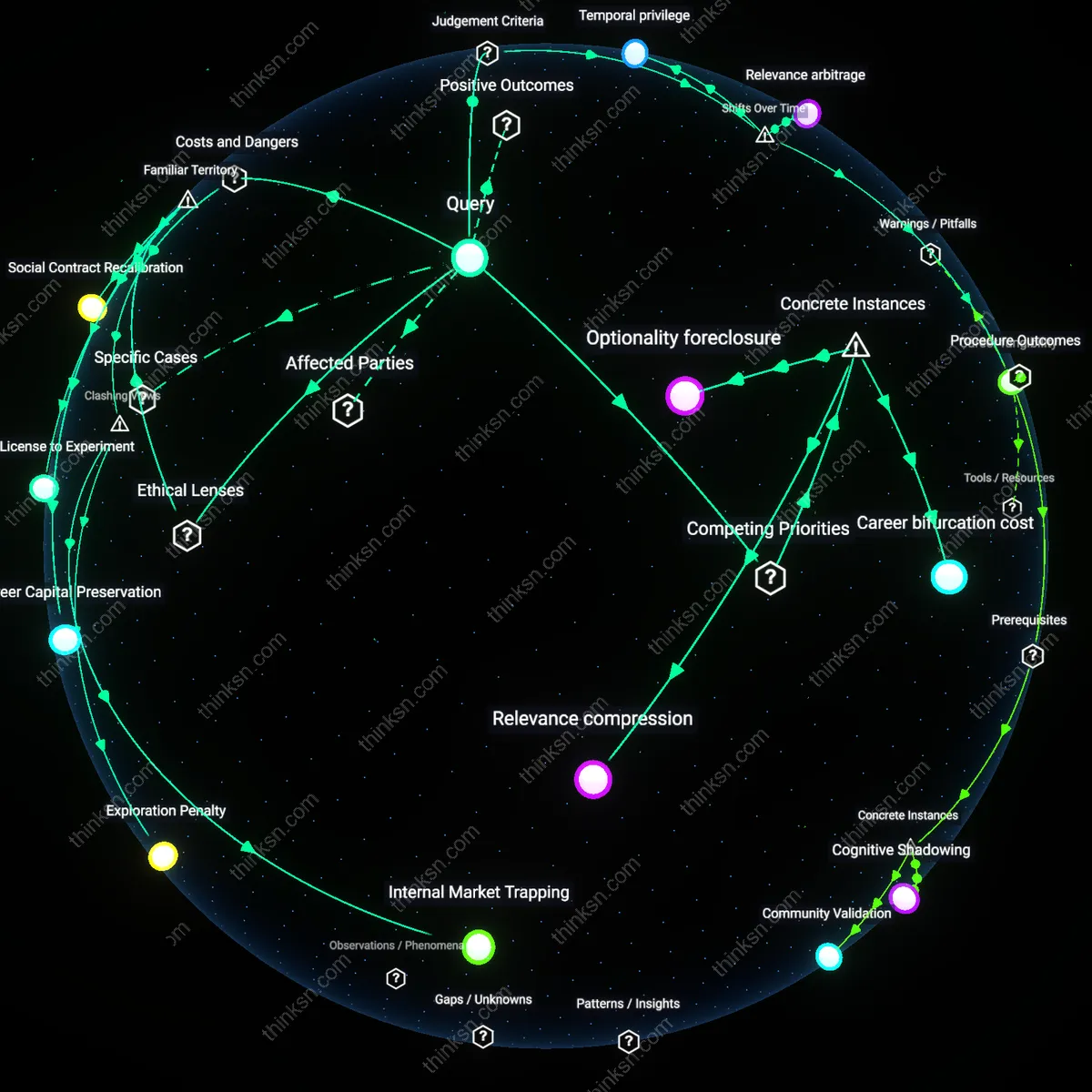
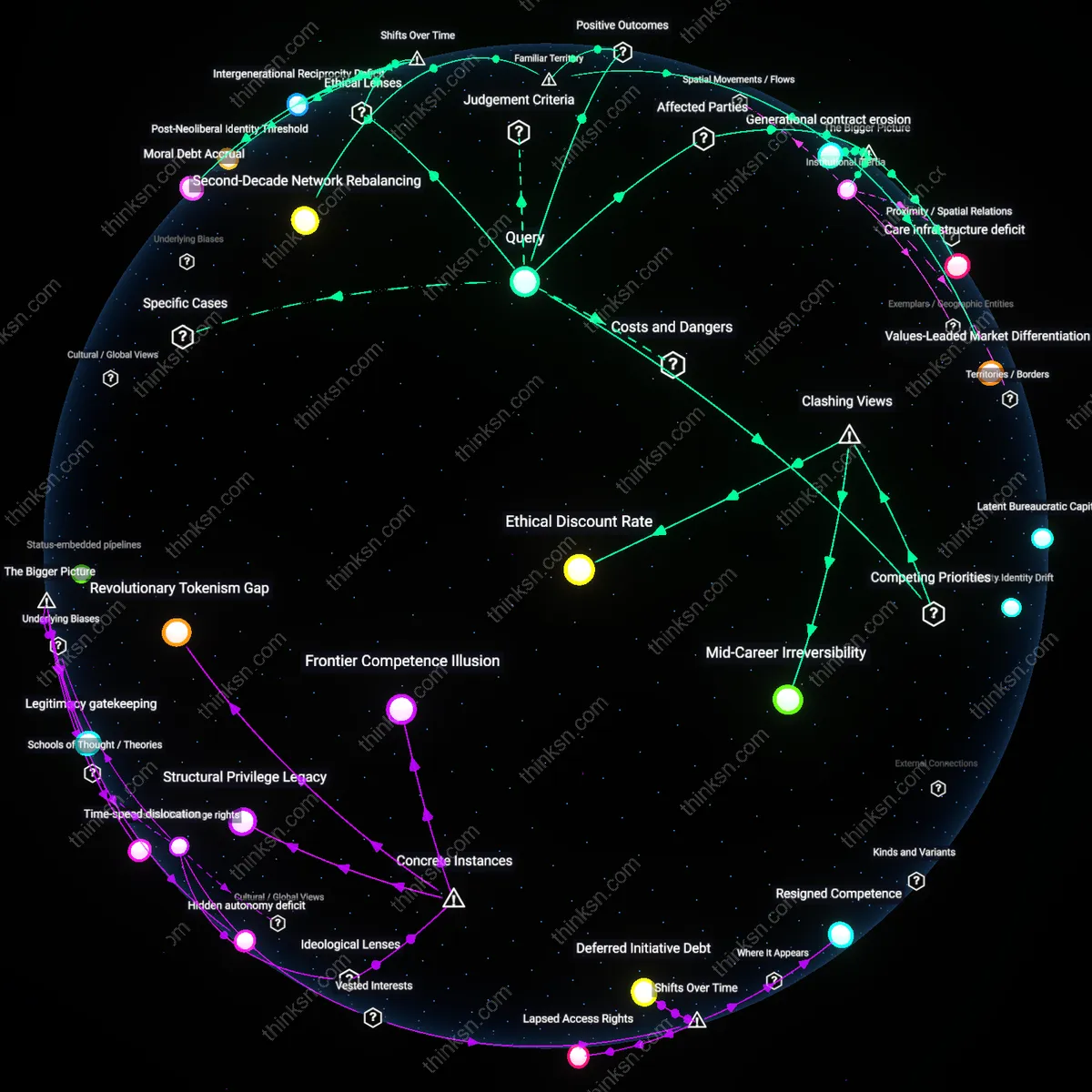
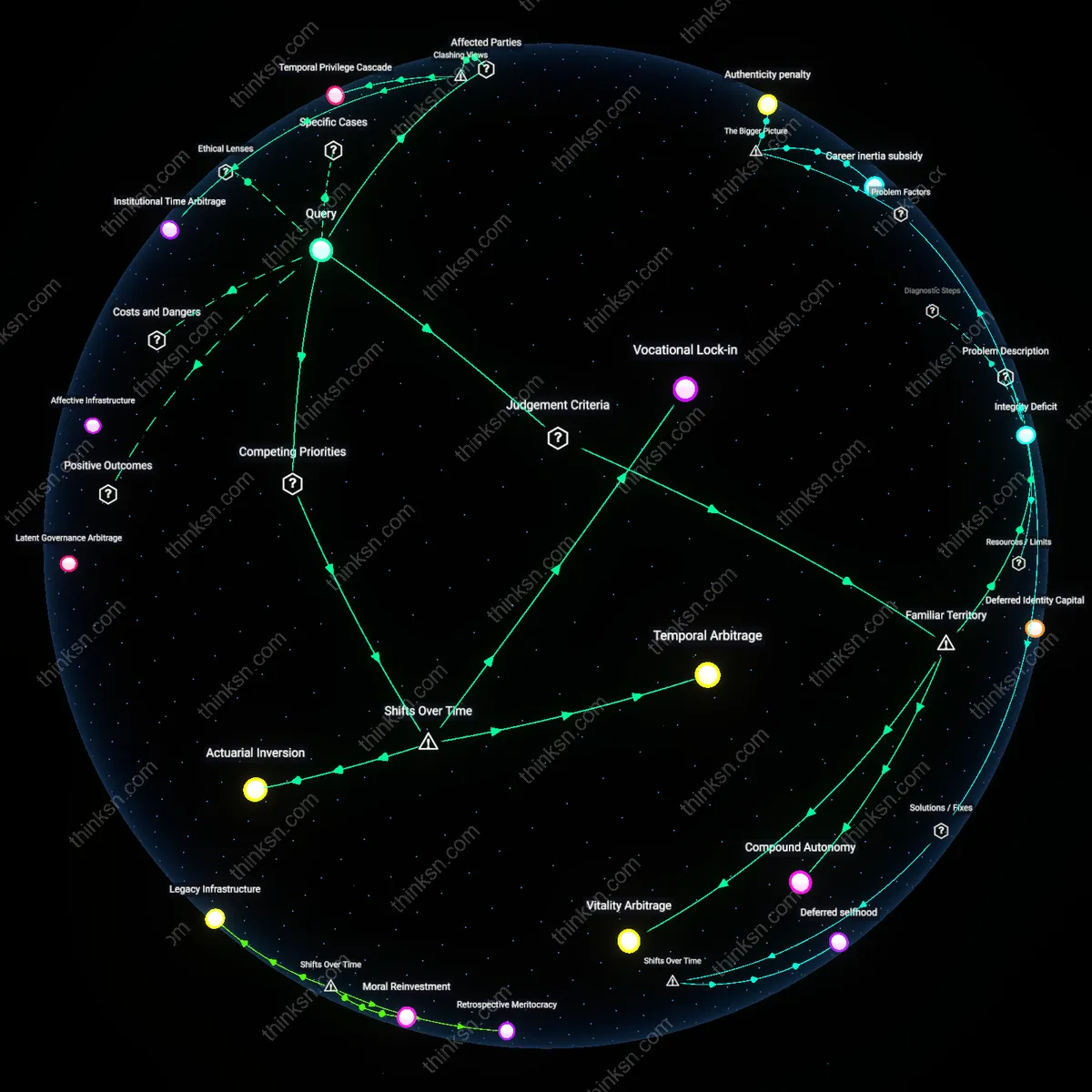
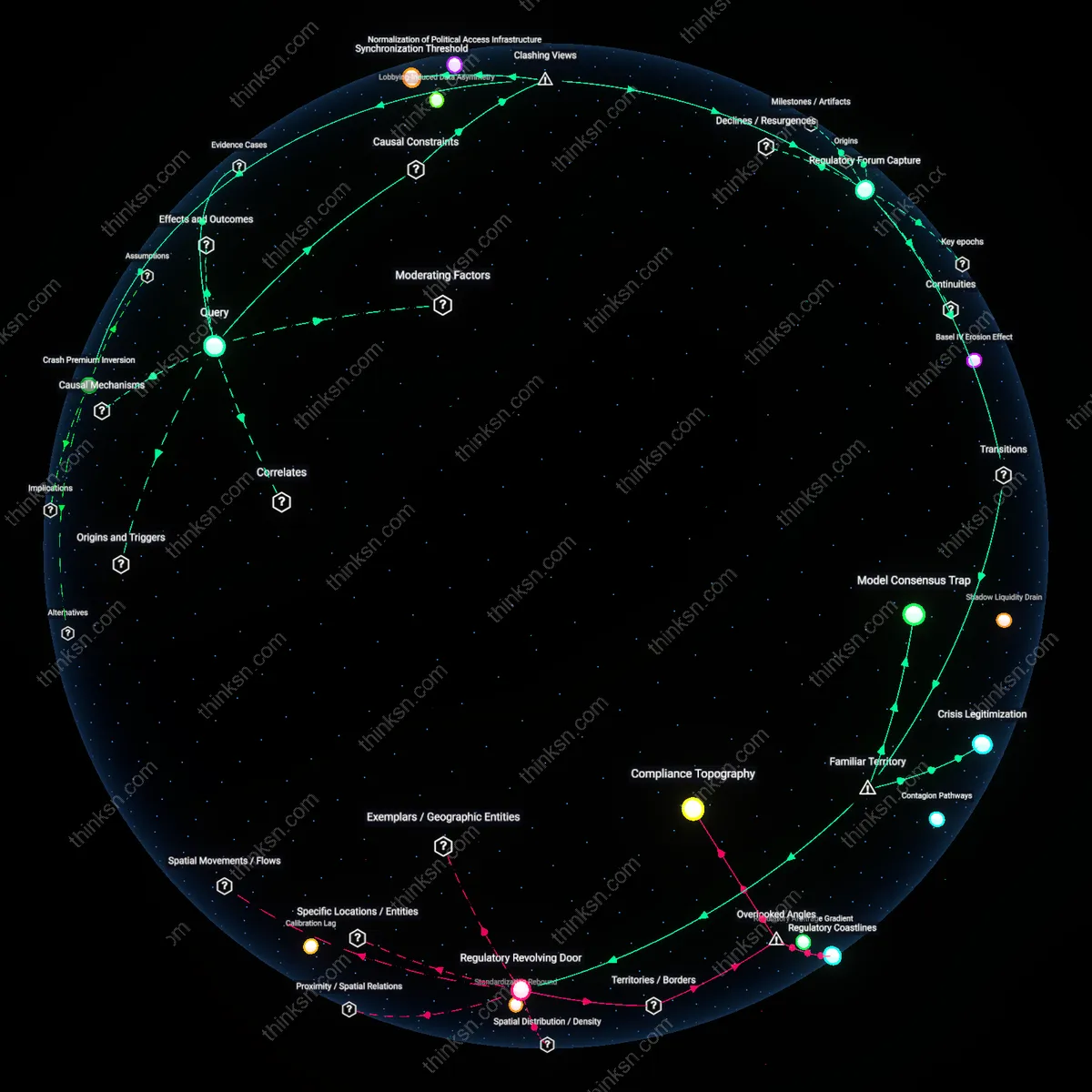
Analysis reveals 6 key thematic connections.
Key Findings
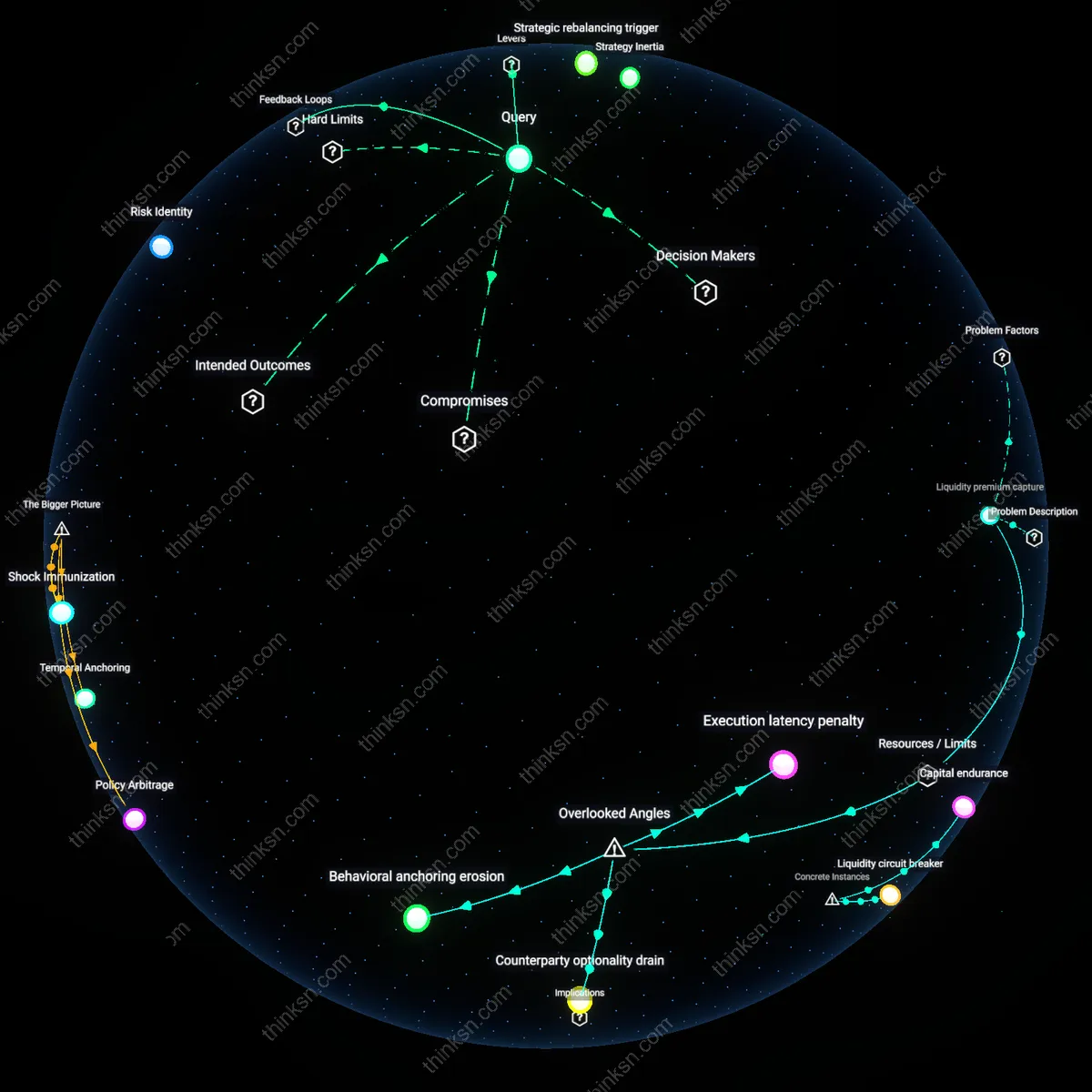
Strategic rebalancing trigger
A 35-year-old should adjust their investment allocation during high volatility by activating predefined rebalancing thresholds, as seen in the 2011–2012 Yale University endowment adjustments under David Swensen, where automated rebalancing bands maintained target exposures amid European debt crisis turbulence; this mechanism exploits volatility to systematically buy undervalued assets while adhering to long-term structural targets, revealing that disciplined, rule-based intervention—not discretion—allows tactical execution without behavioral drift, a non-obvious insight because most equate adjustment with reactive speculation rather than structural fidelity.
Liquidity premium capture
A 35-year-old should selectively increase equity exposure during high volatility by deploying dry powder into high-quality, liquid assets, exemplified by Warren Buffett’s $5 billion Goldman Sachs preferred stock investment during the 2008–2009 market crash, which leveraged panic-driven mispricing when few had accessible capital; this lever works through the temporary dislocation between asset fundamentals and market-clearing prices, revealing that volatility creates a liquidity premium—where patient, solvent investors are compensated for absorbing short-term risk—highlighting the underappreciated role of cash reserves not as safety buffers but as tactical weapons to capture asymmetric returns.
Behavioral risk insulation
A 35-year-old should maintain their current investment strategy during high volatility when embedded in a defined-contribution plan with limited decision latitude, such as participants in the Federal Employees Retirement System (FERS) during the March 2020 market plunge, whose fixed lifecycle fund allocations prevented panic-driven withdrawals and benefited from subsequent rebound; the system operates through structural inertia that counteracts emotional decision-making, revealing that passive adherence gains strategic value in environments where action is likely to be suboptimal, a non-obvious truth because most assume agency improves outcomes when, in high-noise settings, constraint does.
Volatility Leverage
A 35-year-old should increase equity exposure during high market volatility because the psychological aversion of retail investors triggers fire sales, creating mispricing that long-term investors can exploit through automated rebalancing systems tied to volatility indexes. This works through the VIX futures market and institutional ETF flows, where panic-driven selling generates a reinforcing loop of price depression and opportunity, which disciplined capital can enter at scale—what is non-obvious is that volatility itself becomes a yield-generating condition when treated as a cyclical input, not a risk to avoid.
Strategy Inertia
A 35-year-old should maintain their current allocation precisely because personal financial behavior is embedded in social feedback loops—such as peer comparisons on robo-advisor platforms and quarterly statements that amplify regret—where adjusting strategy mid-volatility risks activating loss-chasing circuits in household decision-making. The mechanism is a balancing loop between emotional feedback and portfolio adjustments, where even rational changes are interpreted as failure and lead to future overreactions—what is non-obvious is that inaction stabilizes not the portfolio, but the investor’s cognitive ecosystem.
Risk Identity
A 35-year-old should adjust allocation not in response to market movements but to shifts in their internal risk calibration, which recalibrates silently through repeated exposure to volatility events simulated in digital planning tools, altering their risk tolerance before any real transaction occurs. This operates through the feedback loop between algorithmic forecasting in apps like Personal Capital and the user’s evolving self-perception as a 'resilient investor', decoupling actual market conditions from behavioral readiness—what is non-obvious is that the act of adjusting is less impactful than the identity formation that precedes it, making timing secondary to identity alignment.