Predictive Analytics in Hiring: Potentially Exacerbating Social Inequalities?
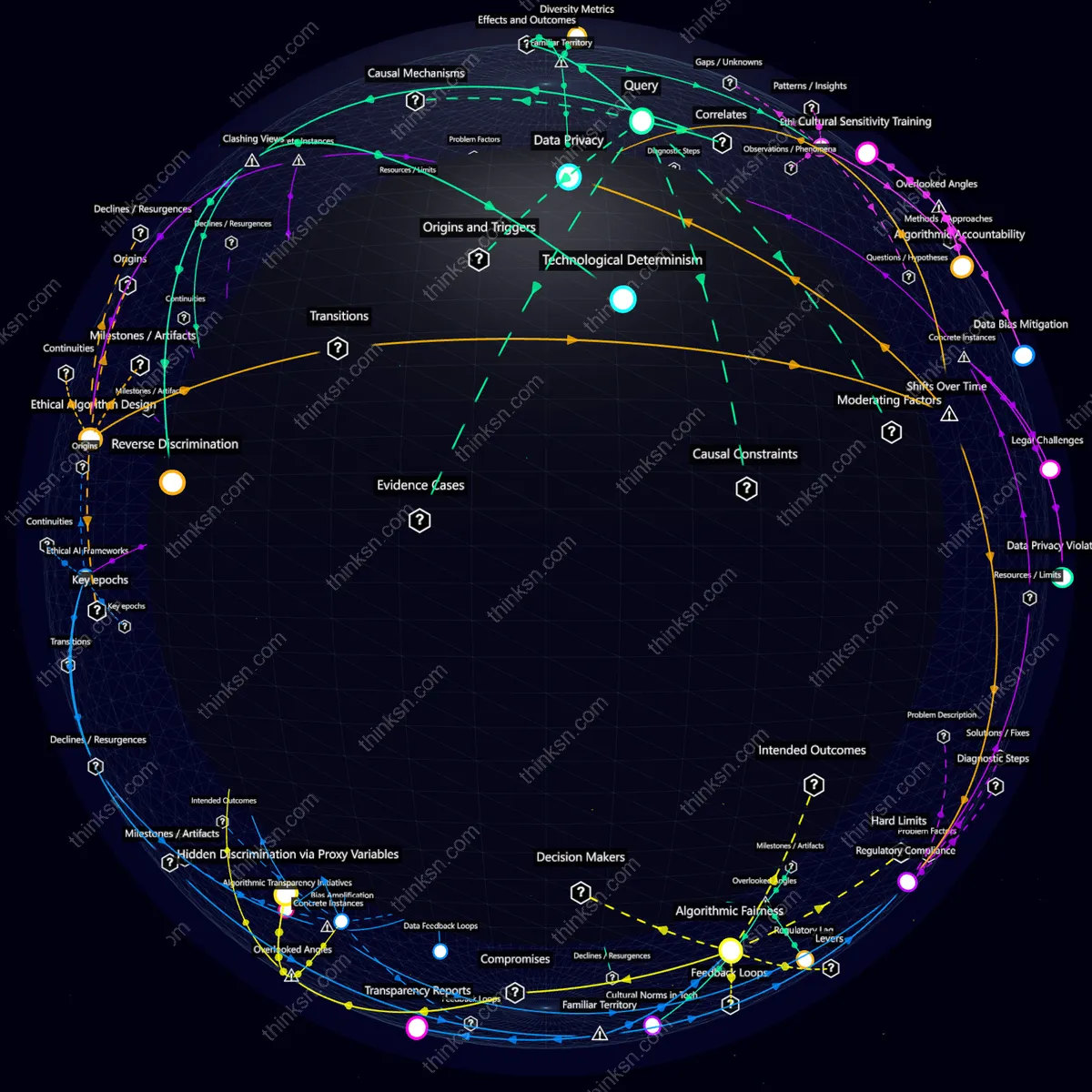
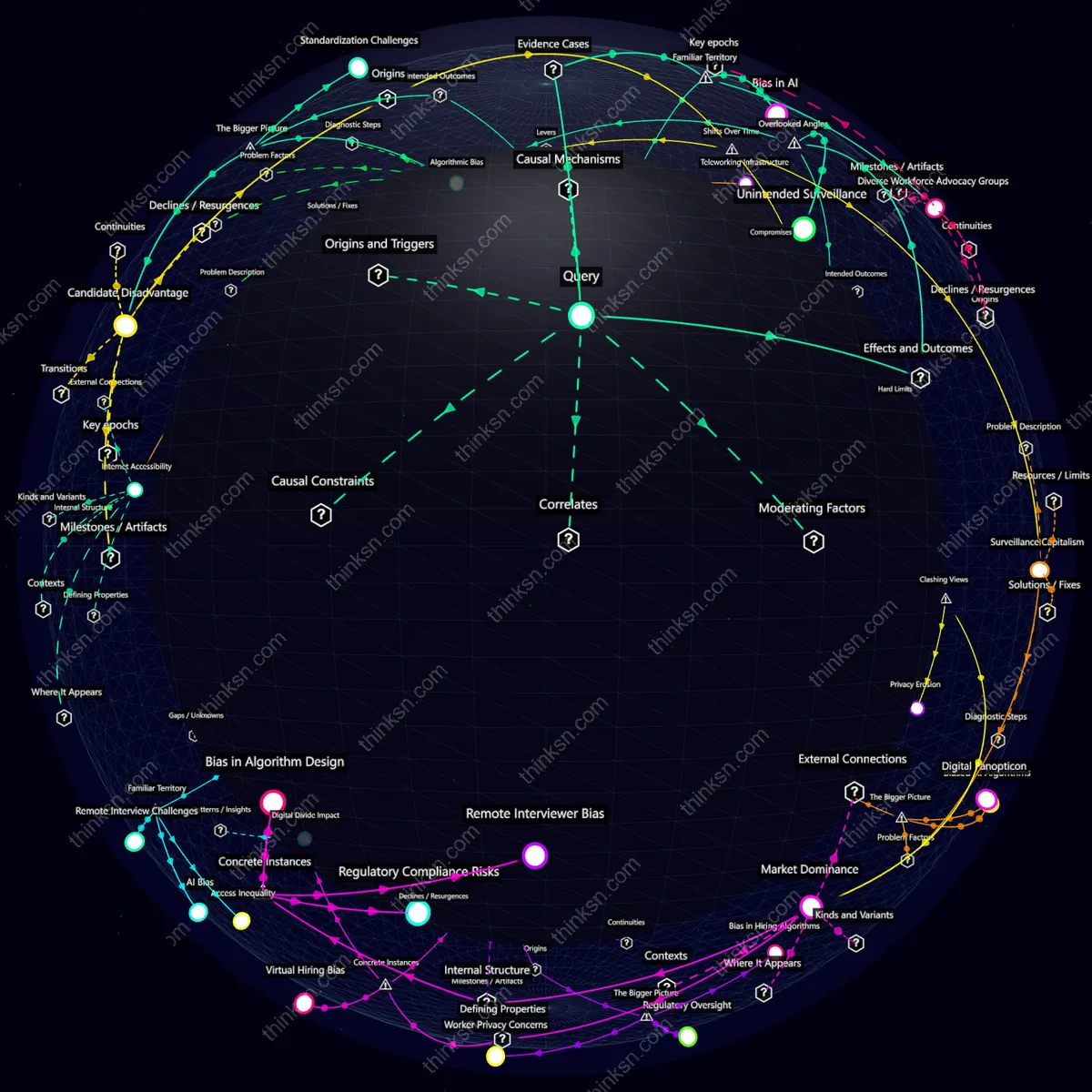
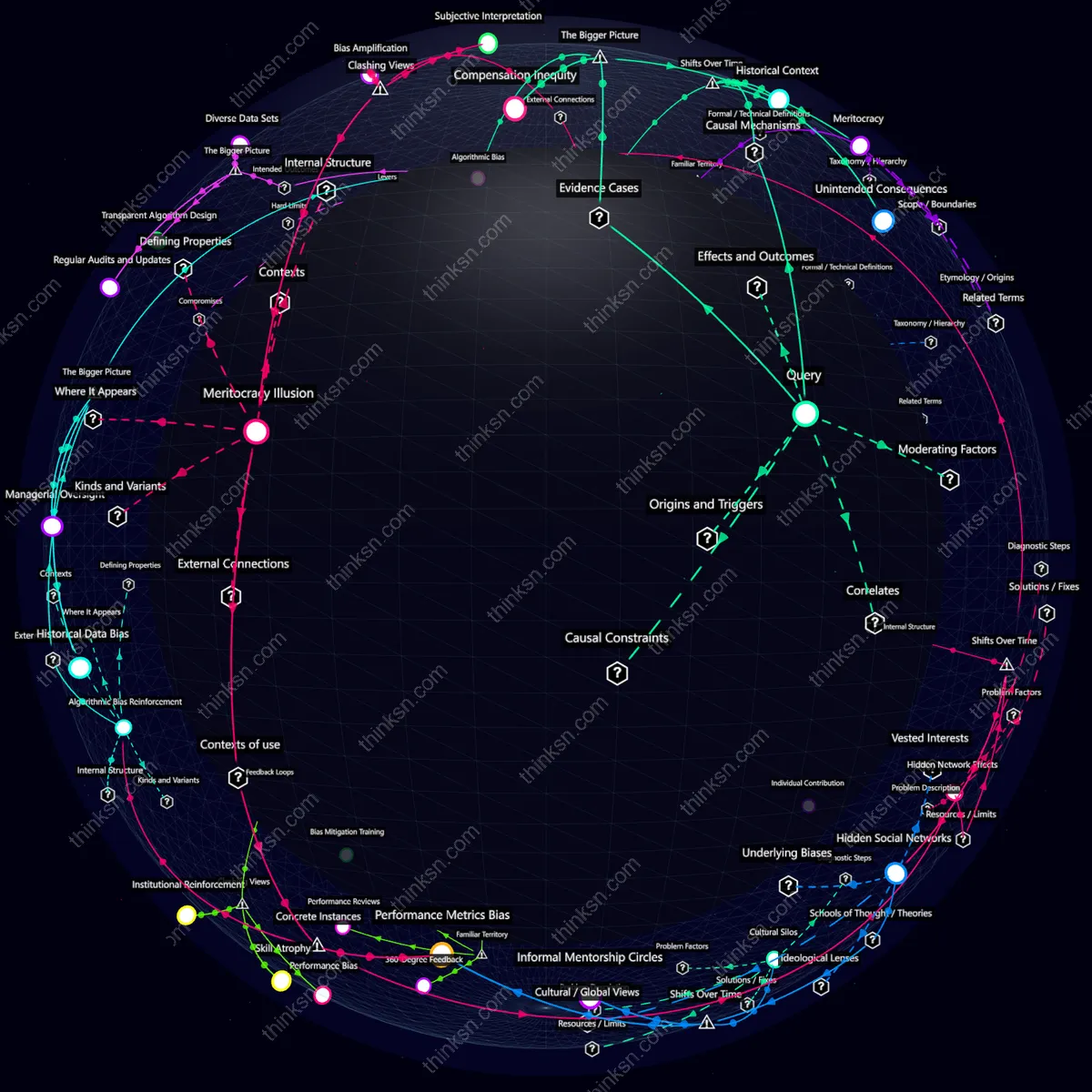
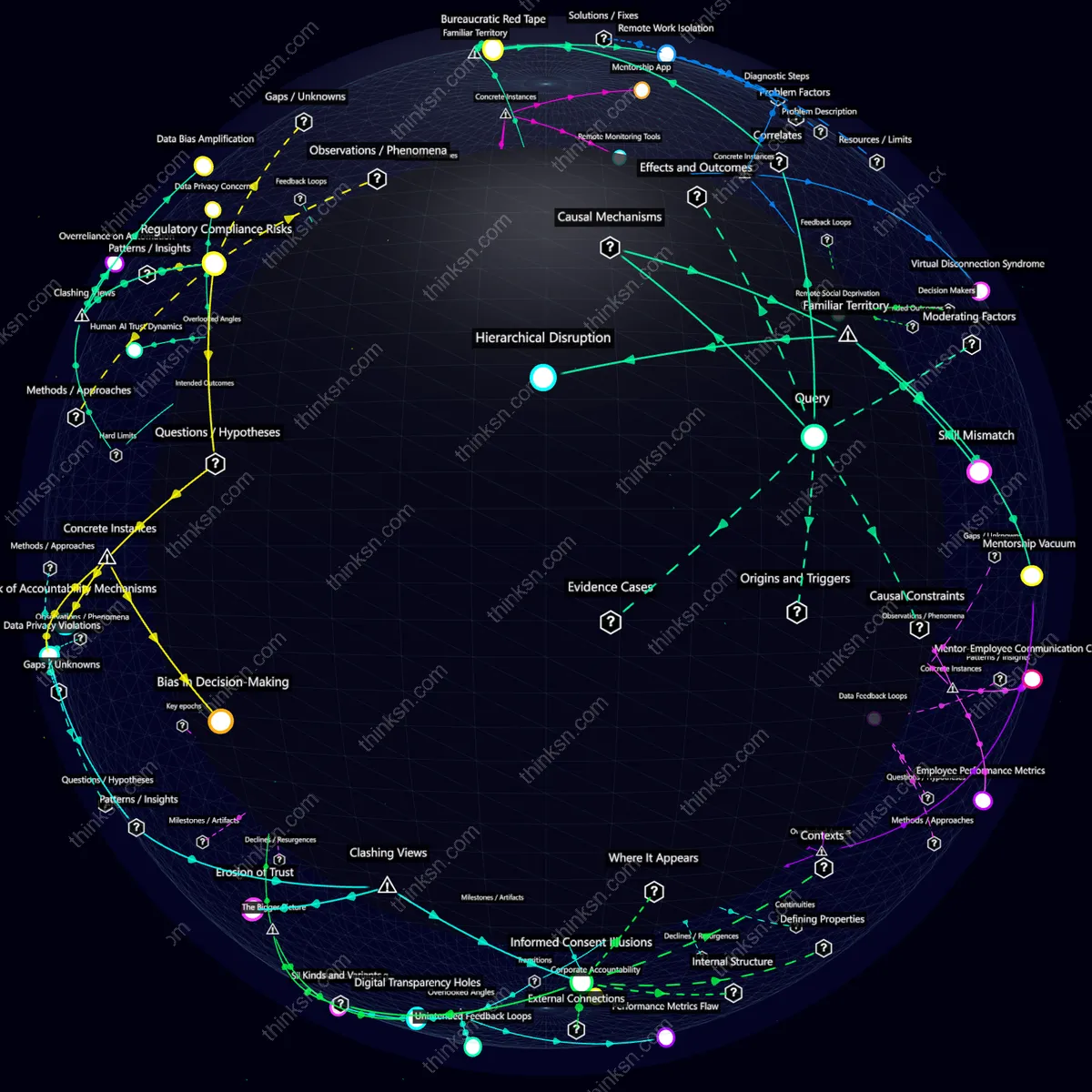
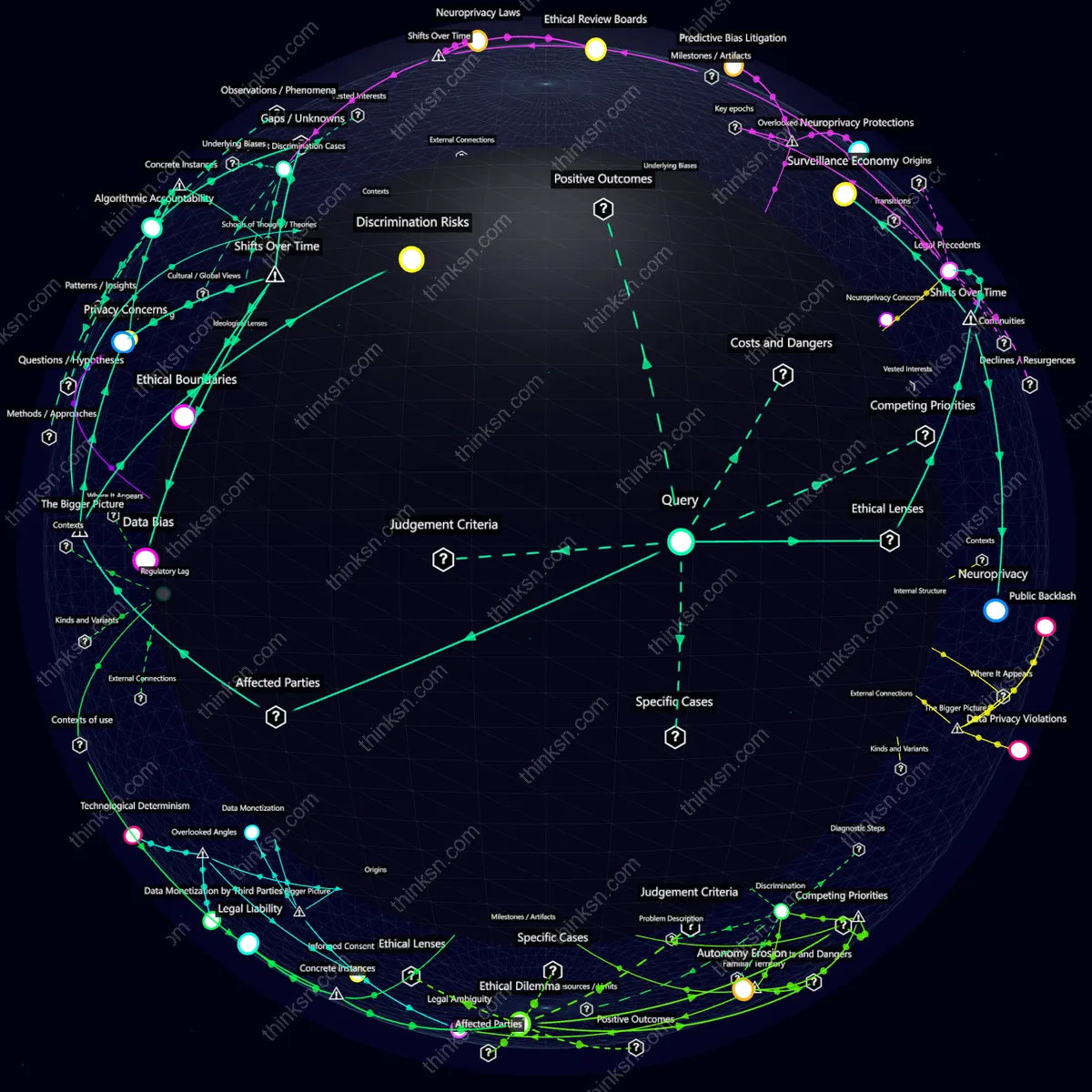
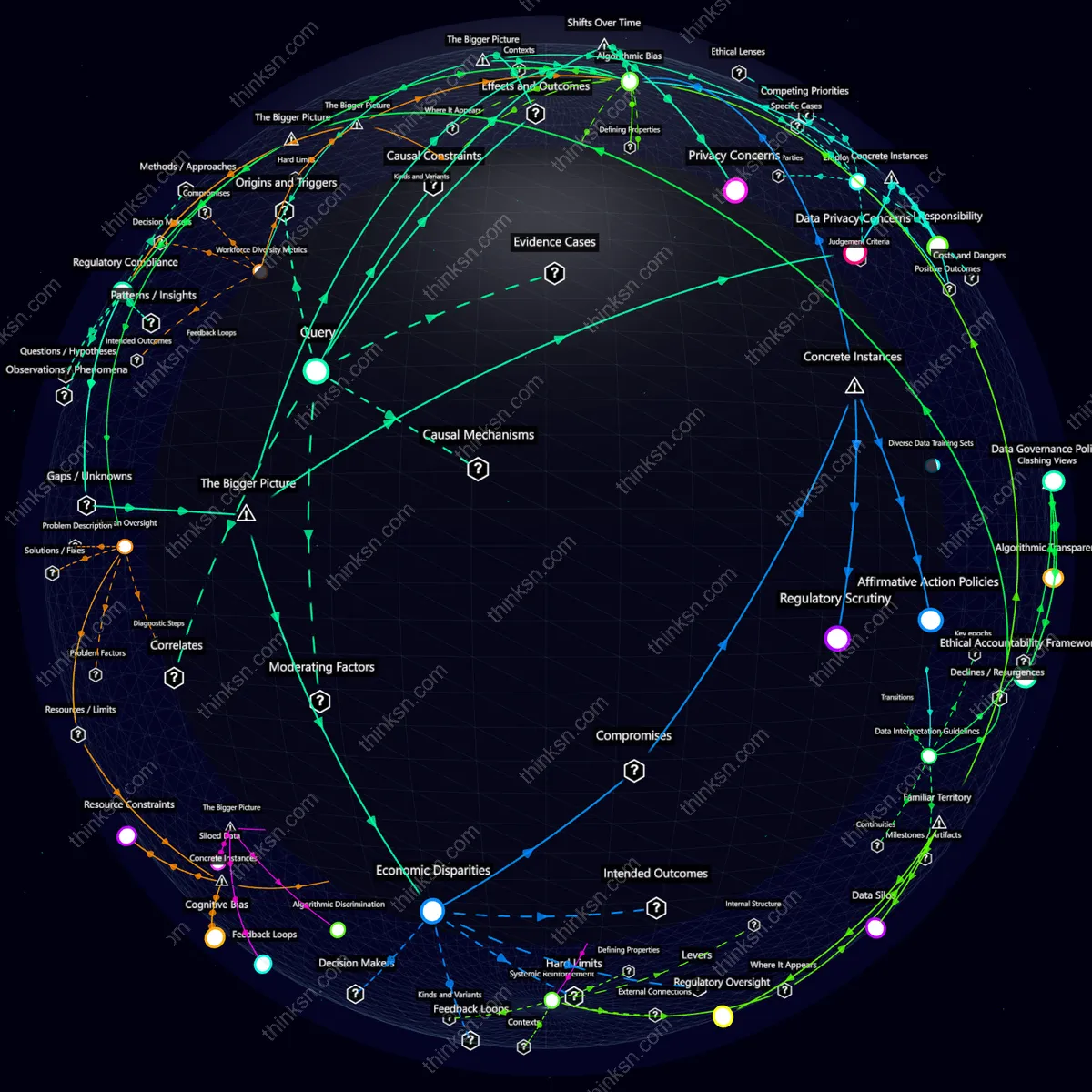
Analysis reveals 4 key thematic connections.
Key Findings
Algorithmic Bias
HR departments employing predictive analytics risk entrenching existing biases if training data reflects historical discrimination. This can lead to unfair hiring practices and perpetuate social inequality, as job candidates from marginalized groups face systemic disadvantages.
Employer Liability
As reliance on predictive analytics increases, employers could be held liable for discriminatory outcomes even if unintentional bias is present. Legal challenges may arise, forcing companies to reassess and adjust their HR strategies to mitigate risks of litigation and public relations crises.
Workforce Diversity Metrics
The use of predictive analytics might create a false sense of inclusivity by focusing on metrics without addressing underlying social issues. This can obscure the need for direct interventions like diversity training, mentorship programs, and affirmative action measures that are crucial to genuine workforce diversification.
Privacy Concerns
Predictive analytics in HR often requires collecting vast amounts of personal data from employees and applicants, raising significant privacy concerns. Companies like Google and Facebook have faced scrutiny for their use of employee data, highlighting the potential risks of invasive monitoring and misuse of sensitive information.
Deeper Analysis
What is the extent of employer liability when predictive analytics in HR leads to social inequality due to biased algorithms?
Algorithmic Bias
Employer liability increases as predictive analytics in HR amplify existing social inequalities through biased algorithms. Companies like Amazon faced scrutiny for hiring tools that discriminated against women, highlighting the risk of reinforcing gender biases.
Data Privacy Concerns
Predictive analytics can breach data privacy laws if sensitive personal information is mishandled or used improperly to influence employment decisions. In Europe, GDPR imposes strict penalties on employers failing to protect employee data, underscoring the legal and ethical ramifications of misusing HR data.
Social Responsibility
Employers must navigate complex social expectations regarding fairness and transparency in AI-driven HR practices. A high-profile case involving IBM's controversial facial recognition technology underscores how companies can face backlash for failing to address social responsibility concerns, impacting their reputation and bottom line.
What strategies can organizations implement to ensure that workforce diversity metrics are used effectively in predictive analytics tools to mitigate social inequality and bias reinforcement in HR practices?
Algorithmic Bias
Organizations must ensure that predictive analytics tools do not perpetuate algorithmic bias by unintentionally reinforcing existing social inequalities. For instance, if historical data used in these models reflects past discriminatory practices, the algorithms may unfairly penalize or exclude certain demographic groups, despite efforts to enhance workforce diversity.
Inclusive Leadership Training
Implementing inclusive leadership training can significantly influence how managers interpret and act upon diversity metrics. However, without robust follow-up mechanisms to ensure sustained behavioral change, the initial enthusiasm for diversity initiatives may wane over time, leading to superficial compliance rather than genuine cultural transformation.
Regulatory Compliance
While regulatory compliance is crucial for avoiding legal repercussions, an overly rigid focus on meeting minimum requirements can stifle innovation and proactive measures aimed at enhancing workforce diversity. Organizations may struggle to balance the need for compliance with the desire to implement more progressive practices that go beyond what is legally mandated.
What is the relationship between algorithmic bias and predictive analytics in HR, and how might this impact social inequality?
Predictive Analytics
The reliance on predictive analytics in HR algorithms can perpetuate biases by reinforcing historical patterns of discrimination. For instance, if past hiring decisions favored certain demographic groups, these preferences may be encoded into future selections, disproportionately affecting marginalized communities.
Social Inequality
Algorithmic bias in predictive analytics exacerbates social inequality by creating a feedback loop where disadvantaged groups are continually overlooked or penalized. This perpetuates systemic barriers to employment and upward mobility, deepening divisions within society.
Data Quality Issues
Poor data quality can severely distort the outcomes of predictive analytics in HR, leading to biased hiring practices that disadvantage certain groups. For example, if job listings are predominantly accessed by users with high socioeconomic status, algorithms may incorrectly infer these demographics as ideal candidates.
What strategies and workflows should be implemented in inclusive leadership training to mitigate bias reinforcement when using predictive analytics in HR?
Bias Mitigation Workshops
Organizations like Google conduct bias mitigation workshops to reframe how employees perceive predictive analytics in HR. However, without continuous reinforcement, these efforts can falter as individuals revert to unconscious biases.
Data Interpretation Guidelines
Companies such as IBM develop guidelines for interpreting data outputs from AI tools in HR. These rules aim to prevent overreliance on predictive analytics but risk being ignored if not integrated into existing workflows, leading to continued bias reinforcement.
Diverse Data Training Sets
Microsoft's inclusion of diverse training sets for machine learning models can significantly reduce algorithmic bias. Yet, without ongoing updates and validation by a cross-functional team, these datasets may become outdated or skewed over time.
How do evolving data interpretation guidelines in HR impact the long-term trajectory of bias reinforcement and social inequality in predictive analytics systems?
Algorithmic Transparency
As HR departments adopt evolving data interpretation guidelines, the push for algorithmic transparency paradoxically increases the risk of reinforcing biases. This is because the demand for transparent algorithms often overlooks the complex social dynamics that underpin data creation, leading to a narrow focus on technical fixes rather than systemic changes.
Ethical Accountability Frameworks
The implementation of ethical accountability frameworks in predictive analytics systems can inadvertently shift the burden of responsibility onto individual employees. This creates a scenario where workers are blamed for systemic issues, leading to increased anxiety and resistance to change within the HR department, as they struggle with unclear directives on how to balance legal compliance and moral dilemmas.
Data Governance Policies
While data governance policies aim to ensure fairness in predictive analytics systems by setting strict rules for data usage and interpretation, these rigid frameworks can become overly bureaucratic. This rigidity not only stifles innovation but also fails to address the dynamic nature of societal changes, thereby perpetuating existing inequalities rather than fostering a more inclusive environment.
Algorithmic Bias
Evolutionary updates to data interpretation guidelines in HR departments can inadvertently reinforce existing biases if they fail to account for the historical context and systemic inequalities embedded in current datasets. This risk is exacerbated as predictive analytics systems rely more heavily on these guidelines, potentially amplifying disparities in hiring outcomes.
Regulatory Compliance
As data interpretation guidelines evolve, HR departments may focus excessively on compliance with legal standards rather than proactive measures to mitigate bias. This shift can lead to a narrow scope of intervention that fails to address deeper structural inequalities, thereby perpetuating social inequality through the guise of regulatory adherence.
Human Oversight
The increasing reliance on data-driven decision-making in HR can diminish the role of human judgment and ethical considerations. When data interpretation guidelines shift without corresponding enhancements in human oversight mechanisms, there is a risk of overlooking critical nuances that algorithms alone cannot detect, leading to perpetuated social inequalities.
Explore further:
- What are the emerging regulatory compliance challenges that arise from using predictive analytics in HR and how might they affect social inequality through bias reinforcement?
- What are the potential failures and trade-offs in relying on human oversight to mitigate bias in predictive analytics used by HR, and how can these pressures be quantitatively measured to prevent systemic strain?
What are the emerging regulatory compliance challenges that arise from using predictive analytics in HR and how might they affect social inequality through bias reinforcement?
Algorithmic Bias
Predictive analytics in HR can amplify existing biases through algorithmic bias, leading to discriminatory hiring practices that disproportionately affect underrepresented groups. Companies may face regulatory scrutiny and legal challenges if their tools perpetuate unfair outcomes.
Data Privacy Concerns
The use of predictive analytics often involves collecting sensitive personal data from employees, raising significant data privacy concerns. Regulatory bodies might impose stricter rules to protect employee information, complicating compliance efforts and potentially stifling innovation in HR tech.
Economic Disparities
Emerging regulations aim to address economic disparities exacerbated by biased predictive analytics systems. However, enforcement challenges may arise due to the complexity of data-driven hiring practices, leaving a gap between regulatory intent and actual impact on social inequality.
What are the potential failures and trade-offs in relying on human oversight to mitigate bias in predictive analytics used by HR, and how can these pressures be quantitatively measured to prevent systemic strain?
Cognitive Bias
HR managers relying on human oversight to mitigate bias in predictive analytics often succumb to their own cognitive biases, such as confirmation bias and the halo effect. This can result in overlooking critical data anomalies that skew hiring decisions towards familiar profiles or those perceived positively.
Overreliance on Subjectivity
When HR departments overemphasize human oversight to avoid algorithmic biases, they risk creating an environment overly dependent on subjective judgments. This can lead to inconsistent application of hiring criteria and unfair evaluations based on personal relationships or gut feelings.
Resource Constraints
The strain of continuous human review to mitigate bias in predictive analytics can be exacerbated by limited resources such as time, budget, and manpower. For instance, small startups may not have the capacity for extensive manual checks, leading to a higher risk of overlooked biases.
What strategies can be formulated to mitigate economic disparities caused by biased predictive analytics in HR practices?
Algorithmic Bias
In HR practices, biased predictive analytics exacerbate economic disparities by disproportionately favoring candidates from higher socio-economic backgrounds. For instance, algorithms trained on historical hiring data may perpetuate existing biases against minority applicants, leading to fewer job opportunities and lower wages for these groups.
Affirmative Action Policies
Companies implementing affirmative action policies aim to mitigate economic disparities but face challenges balancing fairness with efficiency. For example, a tech firm may prioritize hiring from underrepresented communities, risking delays in project timelines due to the time-intensive nature of diversity recruitment efforts.
Regulatory Scrutiny
Increased regulatory scrutiny on companies using biased predictive analytics can lead to costly legal battles and reputational damage. A financial services firm could face significant penalties for violating anti-discrimination laws, even if its HR practices were initially designed to enhance productivity through data-driven decision-making.
How might overreliance on subjectivity in HR predictive analytics affect the static mapping of social inequality and bias reinforcement structures within organizations?
Predictive Bias
Overreliance on subjective data in HR predictive analytics can significantly amplify existing biases, leading to inaccurate and unfair predictions about employee performance. When hiring managers prioritize gut feelings or historical patterns over objective criteria, they inadvertently reinforce social inequalities by perpetuating stereotypes and discrimination.
Data Inequality
Subjectivity in HR data analysis often leads to a misallocation of resources, where underrepresented groups are further marginalized due to biased assessments. As organizations fail to recognize the limitations of subjective judgment, they neglect to invest in fair and transparent tools that could mitigate systemic inequalities.
Systemic Reinforcement
The overreliance on subjective metrics can create a feedback loop where initial biases are continuously reinforced through hiring practices, promotions, and leadership development. This cycle not only perpetuates existing social hierarchies but also discourages the adoption of more equitable policies and practices.
Explore further:
What are the emerging insights and diverse perspectives on how predictive bias in HR analytics might reinforce social inequality through unintended consequences?
Algorithmic Discrimination
In HR analytics, predictive algorithms trained on historical data may perpetuate biases by reinforcing existing social inequalities. For instance, a hiring algorithm biased towards candidates from elite universities could inadvertently discriminate against underrepresented groups who face systemic barriers to accessing such institutions.
Feedback Loops
Predictive models in HR analytics can create feedback loops that amplify initial biases over time. If an algorithm consistently favors candidates from certain demographic backgrounds, the resulting hiring trends may be seen as normal and acceptable, leading to a vicious cycle where social inequality is perpetuated without awareness or intervention.
Siloed Data
The reliance on siloed data in HR analytics can exacerbate predictive bias by ignoring broader societal factors that influence candidate success. For example, focusing solely on performance metrics from previous roles might overlook the unique challenges faced by individuals transitioning into new industries or returning to work after a career break.
How does systemic reinforcement affect the use of predictive analytics in HR and its impact on social inequality through bias?
Algorithmic Bias
Systemic reinforcement amplifies algorithmic bias in HR predictive analytics by repeatedly validating initial prejudices through data feedback loops. This perpetuates social inequality as companies unknowingly favor candidates from historically advantaged backgrounds, marginalizing diverse groups despite progressive hiring policies.
Data Silos
Systemic reinforcement exacerbates the issue of data silos in large corporations by entrenching departmental barriers and limiting cross-functional collaboration. This hinders the adoption of holistic predictive analytics frameworks that could mitigate bias, as isolated teams perpetuate narrow viewpoints shaped by their specific contexts.
Regulatory Oversight
Systemic reinforcement can undermine regulatory oversight efforts in HR tech by masking discriminatory practices under the guise of advanced analytics. Regulators may lack the technical expertise or access to proprietary systems, making it difficult to detect and address biased algorithms that perpetuate inequality.