Should Brain-Scanning Predict Criminal Behavior Guide Hiring Decisions?
Analysis reveals 6 key thematic connections.
Key Findings
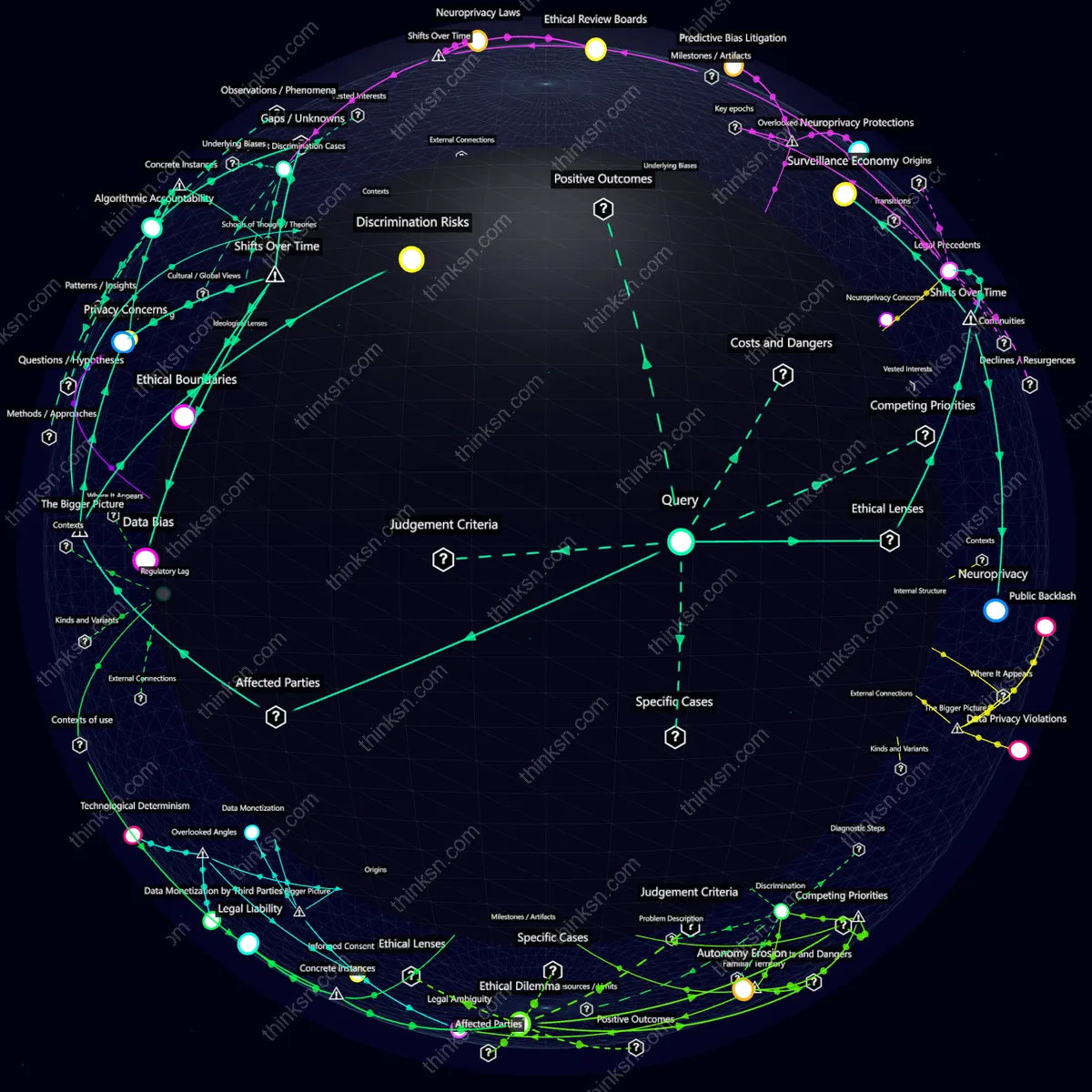
Privacy Concerns
Employers using brain-scanning technology to predict criminal behavior can lead to a chilling effect on employees' and applicants' privacy, discouraging open expression of thoughts and behaviors. This could foster a culture of surveillance and mistrust within organizations.
Neuroethics Debate
The debate around neuroethics intensifies as employers adopt brain-scanning technology for hiring decisions, leading to ethical dilemmas regarding the limits of technological intrusion into personal privacy. This raises questions about consent and the moral implications of predicting criminal behavior from neurological data.
Discrimination Risks
Employers relying on brain scans to predict criminal behavior might inadvertently engage in discriminatory hiring practices, targeting individuals with certain genetic predispositions or brain activity patterns that correlate with higher risks of future misconduct, exacerbating social inequalities.
Neuroprivacy
Employers using brain-scanning technology to predict criminal behavior threatens neuroprivacy. Workers' thoughts and intentions become vulnerable to surveillance, potentially stifling mental freedom and creativity. As companies increasingly seek to manage risk through psychological profiling, employees may feel compelled to suppress or mask their true selves.
Legal Precedents
The use of brain-scanning technology in hiring raises complex legal questions about privacy rights and discrimination laws. Past precedents on genetic testing or polygraph tests can offer guidance but also highlight the unique challenges posed by neuroimaging, including how to balance employer interests against individual rights and societal norms.
Surveillance Economy
The adoption of brain-scanning technology in employment practices accelerates the surveillance economy's evolution. Companies might leverage data from these scans for broader applications like monitoring employee productivity or predicting consumer behavior, leading to a pervasive culture where personal mental activity is commodified and monitored.
Deeper Analysis
How has the legal stance on using brain-scanning technology for predicting criminal behavior in hiring evolved over time, and what are the potential future implications?
Neuroprivacy Protections
As brain-scanning technology for predicting criminal behavior in hiring becomes more prevalent, legal precedents have started to establish neuroprivacy protections. This shift forces employers to balance the benefits of predictive accuracy against the risks of infringing on individual privacy and autonomy, creating a complex interplay between innovation and ethical considerations.
Predictive Bias Litigation
Legal precedents are increasingly addressing lawsuits over discriminatory hiring practices facilitated by brain-scanning technology. This litigation highlights the risk that predictive technologies might disproportionately target certain demographic groups, leading to a backlash against their use in employment contexts and compelling companies to reassess their reliance on such tools.
Ethical Oversight Committees
The emergence of ethical oversight committees within organizations reflects growing concerns over the misuse or misinterpretation of brain-scanning data. These bodies are tasked with ensuring that technological advancements do not erode fundamental human rights, but their effectiveness depends heavily on the willingness of companies to embrace transparency and accountability.
Neuroprivacy Laws
As brain-scanning technologies advanced, courts began to grapple with neuroprivacy laws that restrict the use of such technology in hiring. This shift raised concerns over individual privacy rights and the potential misuse of predictive data, leading companies to tread cautiously or face legal challenges.
Employment Discrimination Cases
Legal precedents set by employment discrimination cases against employers using brain scans for pre-employment screening have led to a regulatory backlash. Companies now must navigate complex legal landscapes to avoid accusations of discriminatory practices, highlighting the fine line between predictive analytics and ethical hiring.
Ethical Review Boards
The establishment of ethical review boards in response to concerns over brain-scanning technology has created a fragile dependency on expert oversight. These bodies must continually adapt to new scientific findings, balancing innovation with societal values and legal constraints, often leading to delays or rejections of high-tech hiring methods.
Explore further:
- What role should Ethical Oversight Committees play in evaluating the ethical implications and potential misuse of brain-scanning technology for predicting criminal behavior in hiring practices?
- What potential hidden biases and emerging legal challenges arise when employers use brain-scanning technology to predict criminal behavior for hiring, in relation to employment discrimination cases?
What role should Ethical Oversight Committees play in evaluating the ethical implications and potential misuse of brain-scanning technology for predicting criminal behavior in hiring practices?
Neuroprivacy Concerns
Ethical Oversight Committees must navigate the tension between advancing neuroscience research and protecting neuroprivacy. As brain-scanning technology evolves, committees face the challenge of preventing misuse while fostering innovation, risking a backlash if they prioritize one over the other.
Corporate Hiring Practices
Companies may leverage brain-scanning technologies for predictive hiring but risk public scrutiny and regulatory backlash. Ethical Oversight Committees must scrutinize corporate motives, ensuring that neurotechnology is not used to unfairly discriminate against potential employees based on neurological data.
Legal Precedents
Ethical Oversight Committees rely heavily on legal precedents in navigating the ethical implications of brain-scanning technology. However, the rapid pace of technological advancement often outstrips existing laws, leaving committees to make precedent-setting decisions with significant societal impact.
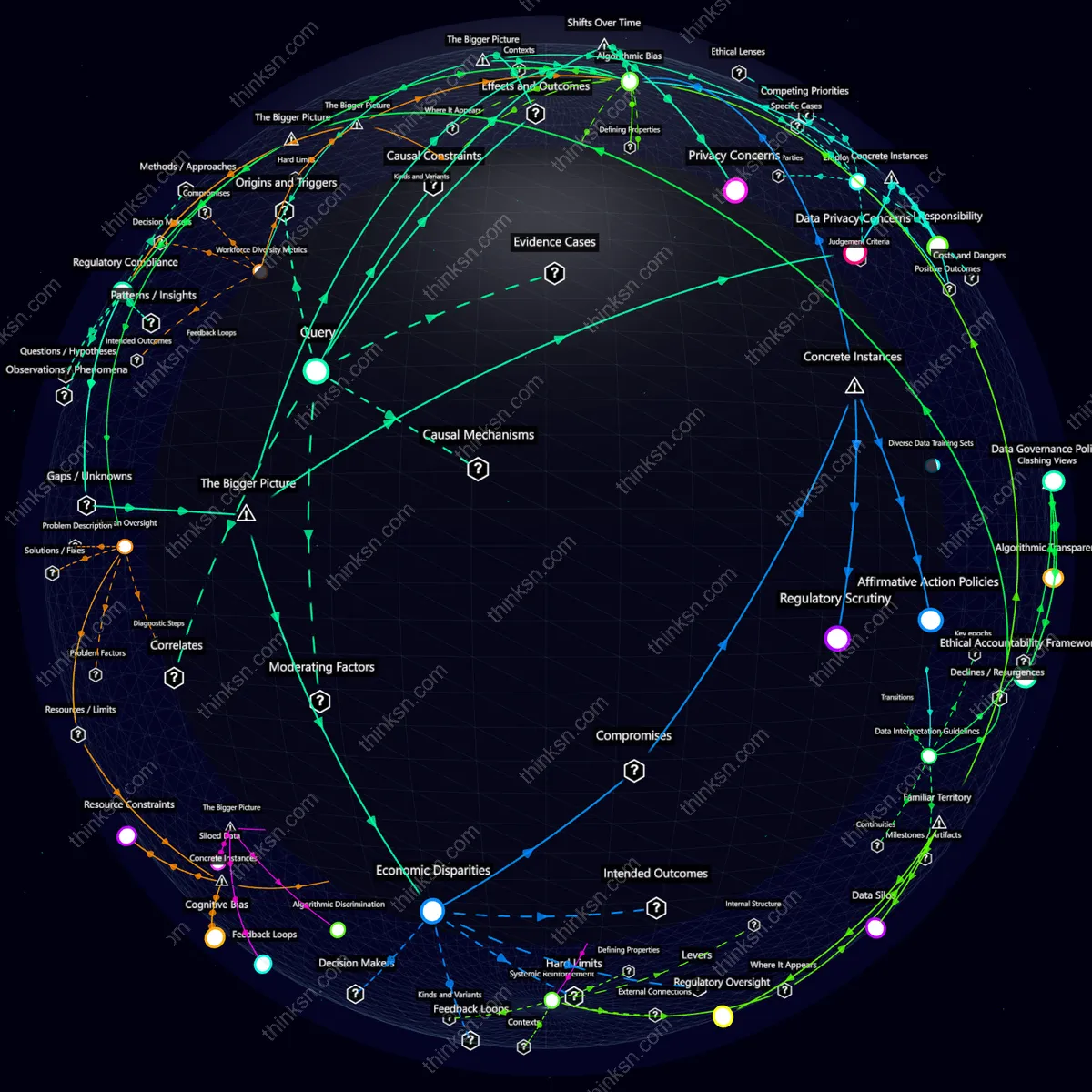
What potential hidden biases and emerging legal challenges arise when employers use brain-scanning technology to predict criminal behavior for hiring, in relation to employment discrimination cases?
Neurodiversity in Hiring
The use of brain-scanning technology to predict criminal behavior can inadvertently discriminate against neurodiverse individuals, who may exhibit different neural patterns unrelated to criminal propensity. This highlights a risk where employers might overlook talented candidates with conditions like autism or ADHD.
Algorithmic Accountability
Employers relying on brain-scanning algorithms must ensure these tools are transparent and fair, as opaque decision-making processes can lead to legal challenges under employment discrimination laws. A lack of accountability can undermine trust and exacerbate existing biases in hiring practices.
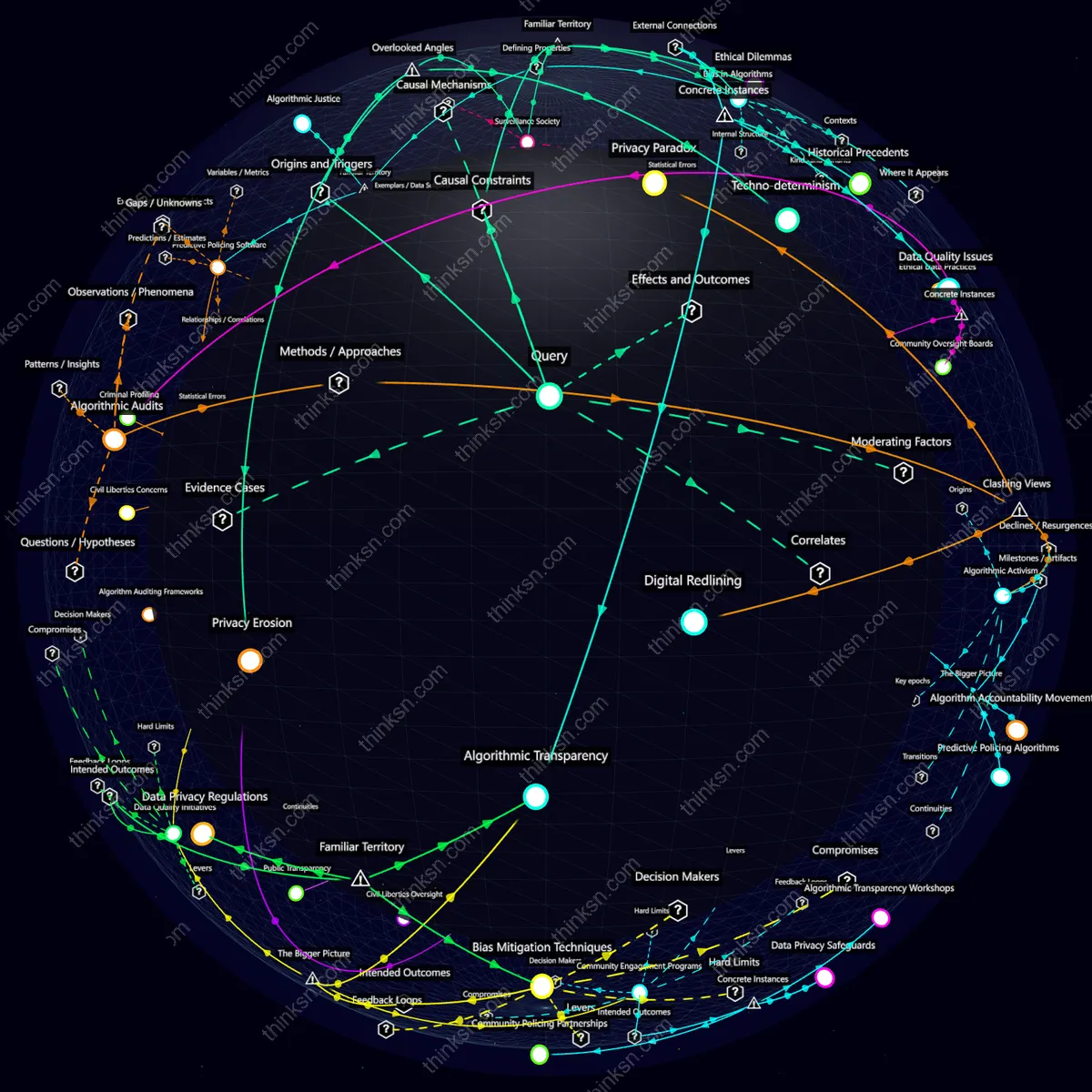
What emerging trends and hidden assumptions are influencing corporate hiring practices regarding the use of brain-scanning technology to predict criminal behavior in potential employees?
Privacy Concerns
The use of brain-scanning technology in hiring raises significant privacy concerns. Employees and candidates feel violated by invasive scrutiny into their thoughts, leading to a potential backlash against companies employing such methods. This could result in public relations crises and legal challenges from individuals claiming breaches of personal rights.
Ethical Oversight
The deployment of brain-scanning technology in hiring practices necessitates rigorous ethical oversight. Without clear guidelines, the misuse or overreach by HR departments can lead to discrimination based on neurological profiles deemed risky for criminal behavior. This could undermine the fairness and legitimacy of corporate hiring decisions.
Regulatory Lag
As brain-scanning technology advances faster than regulatory frameworks, there's a risk that companies might implement these technologies prematurely without adequate safeguards or legal protections. This exposes firms to significant liability risks, including lawsuits from employees and candidates alleging misuse of such data.
Explore further:
- What are the key components and categories involved in ensuring ethical oversight when using brain-scanning technology for predicting criminal behavior in hiring processes?
- What are the implications of regulatory lag on the ethical and legal considerations when employers use brain-scanning technology to predict criminal behavior for hiring decisions?
What are the implications of using algorithmic accountability to ensure ethical use of brain-scanning technology in predicting criminal behavior for hiring decisions?
Data Bias
Algorithmic accountability in brain-scanning technology for predicting criminal behavior can exacerbate data bias if the training datasets are skewed towards certain demographics, leading to unfair hiring decisions. This could disproportionately impact minority groups and perpetuate social inequities.
Privacy Concerns
The use of brain scans for hiring raises significant privacy concerns as it involves collecting sensitive neurological data. If not properly managed through strict algorithmic accountability, this can lead to breaches that undermine public trust in both employers and the technology itself, complicating regulatory frameworks.
Ethical Boundaries
Algorithmic accountability faces ethical boundaries when applied to predicting criminal behavior for hiring. While it aims to ensure fairness, it may inadvertently infringe on individual rights by making judgments based on potential future actions rather than current capabilities or character, challenging established legal and moral norms.
What are the key components and categories involved in ensuring ethical oversight when using brain-scanning technology for predicting criminal behavior in hiring processes?
Data Privacy Violations
Companies like Clearview AI have faced legal challenges for violating data privacy laws by collecting biometric data without consent. In the context of brain-scanning technology, similar violations could undermine public trust and ethical oversight in hiring practices.
Discrimination Lawsuits
Employers using predictive analytics based on neuroimaging may inadvertently discriminate against individuals with certain neurological conditions or backgrounds. This was evident when Amazon faced a lawsuit for AI-driven bias in hiring, highlighting the need for robust ethical oversight to prevent discriminatory practices.
Public Backlash
The introduction of brain-scanning technology for predicting criminal behavior could trigger significant public backlash due to concerns about privacy and autonomy. For example, when law enforcement agencies proposed using facial recognition in schools, there was widespread resistance from parents and advocacy groups, underscoring the fragile social contract around ethical oversight.
What are the implications of regulatory lag on the ethical and legal considerations when employers use brain-scanning technology to predict criminal behavior for hiring decisions?
Ethical Dilemma
Regulatory lag exacerbates ethical dilemmas in employing brain-scanning technology for hiring decisions by delaying necessary legal frameworks that could prevent discriminatory practices based on predicted criminal behavior.
Privacy Violation
The gap between technological advancements and regulatory enforcement creates a window where employers can exploit brain-scanning data, leading to significant privacy violations as employees' intimate thoughts are used without consent for prejudiced hiring decisions.
Legal Liability
Regulatory lag leaves companies vulnerable to legal challenges when using predictive brain scans in hiring processes. As laws catch up with technology, firms risk retroactive penalties and lawsuits over past unethical practices.
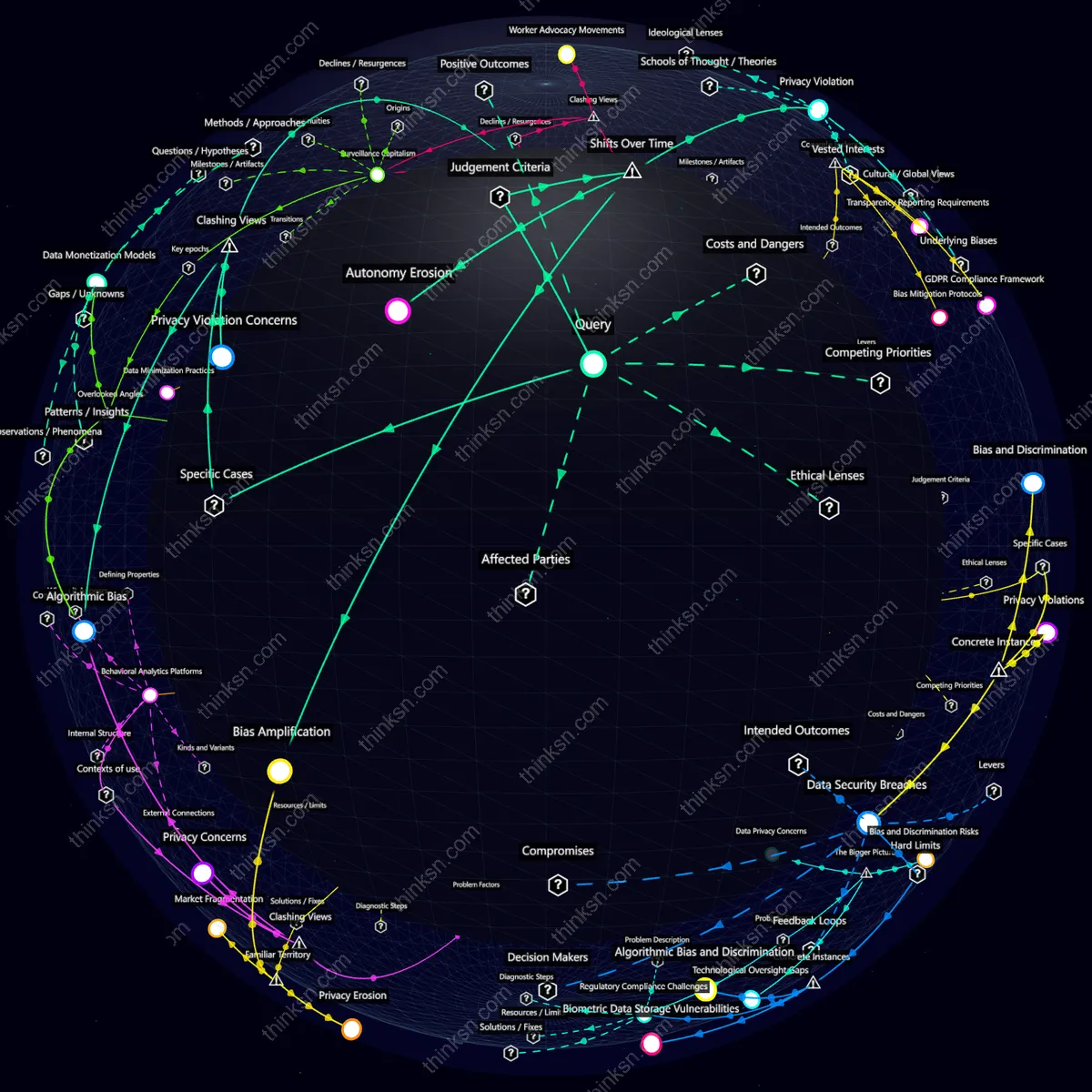
What are the potential ethical dilemmas and measurable systemic strains that arise when employers use brain-scanning technology to predict criminal behavior for hiring decisions?
Privacy Violation
The use of brain-scanning technology to predict criminal behavior for hiring decisions poses a significant privacy violation. Employees and job applicants may feel their most private thoughts are exposed, leading to a pervasive sense of surveillance and loss of personal autonomy.
Discrimination
Employers using such technology could unintentionally introduce or exacerbate discrimination against individuals with certain neurological conditions or backgrounds, as brain scans might not accurately reflect criminal intent but rather correlate with factors like stress or trauma exposure.
Legal Ambiguity
The legal framework around the use of predictive brain scanning is largely undefined. Employers may face significant backlash and litigation if their hiring practices are deemed unethical or discriminatory, leading to costly legal battles that undermine trust in both employers and the technology.
Autonomy Erosion
As brain-scanning technology becomes a standard part of the hiring process, individuals' autonomy is eroded as they are forced to undergo intrusive scans to secure employment. This pressures candidates into self-censorship and conformity to societal norms prescribed by employers, stifling personal expression and innovation in society.
Explore further:
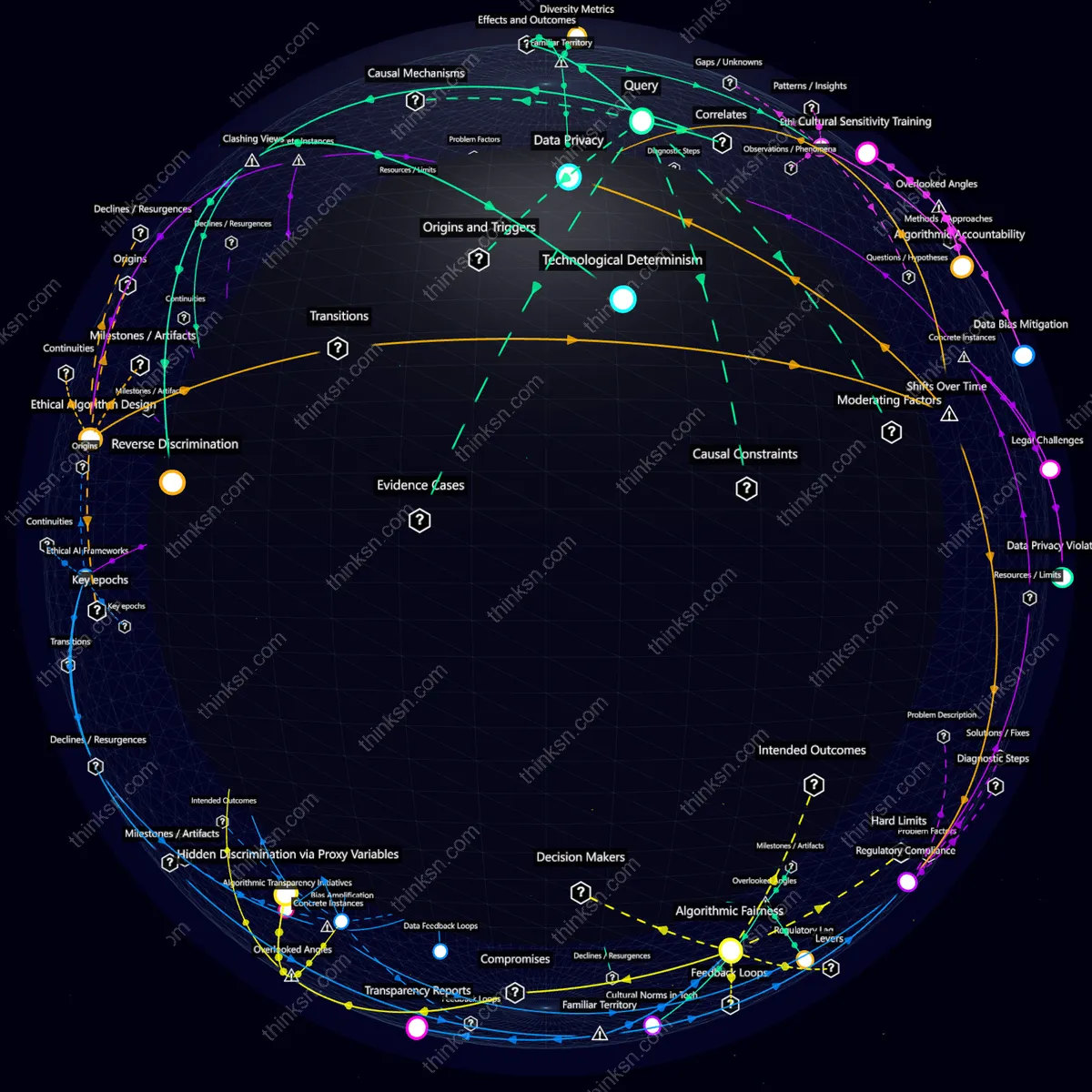
How might the use of brain-scanning technology in employment evolve over time and what are potential privacy violation trajectories?
Informed Consent Practices
As brain-scanning technology evolves in employment contexts, the adequacy of informed consent practices becomes increasingly fragile. Employees may feel pressured to participate without fully understanding long-term risks or implications, leading to a superficial compliance that undermines genuine autonomy and privacy.
Data Monetization by Third Parties
The rise of brain-scanning technology in employment introduces new vectors for data monetization. Employee data becomes a lucrative asset for third-party vendors, potentially leading to unauthorized data sharing or exploitation, further eroding the privacy and trust within organizations.
Technological Determinism
The unchecked adoption of brain-scanning technology in employment can lead to technological determinism, where tools dictate practices rather than vice versa. This dependency may result in over-reliance on data-driven decision-making at the expense of human judgment and ethical considerations, exacerbating privacy violations.
Neuroethics Oversight
As brain-scanning technology advances in employment settings, the establishment of robust neuroethics oversight becomes critical. Without stringent guidelines, employers may exploit employees' neurological data, leading to severe privacy violations and undermining trust in both the technology and its regulatory frameworks.
Data Monetization
Employers increasingly view employee brain scans as valuable assets for data monetization. This shift can exacerbate privacy violations by incentivizing companies to sell neurological insights, thus commodifying personal data without adequate consent or safeguards, leading to profound ethical dilemmas and societal mistrust.
Legal Ambiguity
The evolving legal landscape around brain-scanning technology in employment remains ambiguous. This ambiguity creates fertile ground for privacy violations as companies navigate uncharted territories, often prioritizing operational efficiency over robust privacy protections, leaving individuals vulnerable to exploitation and data breaches.