City Bikes vs Parking: The Ripple Effect of Imbalance
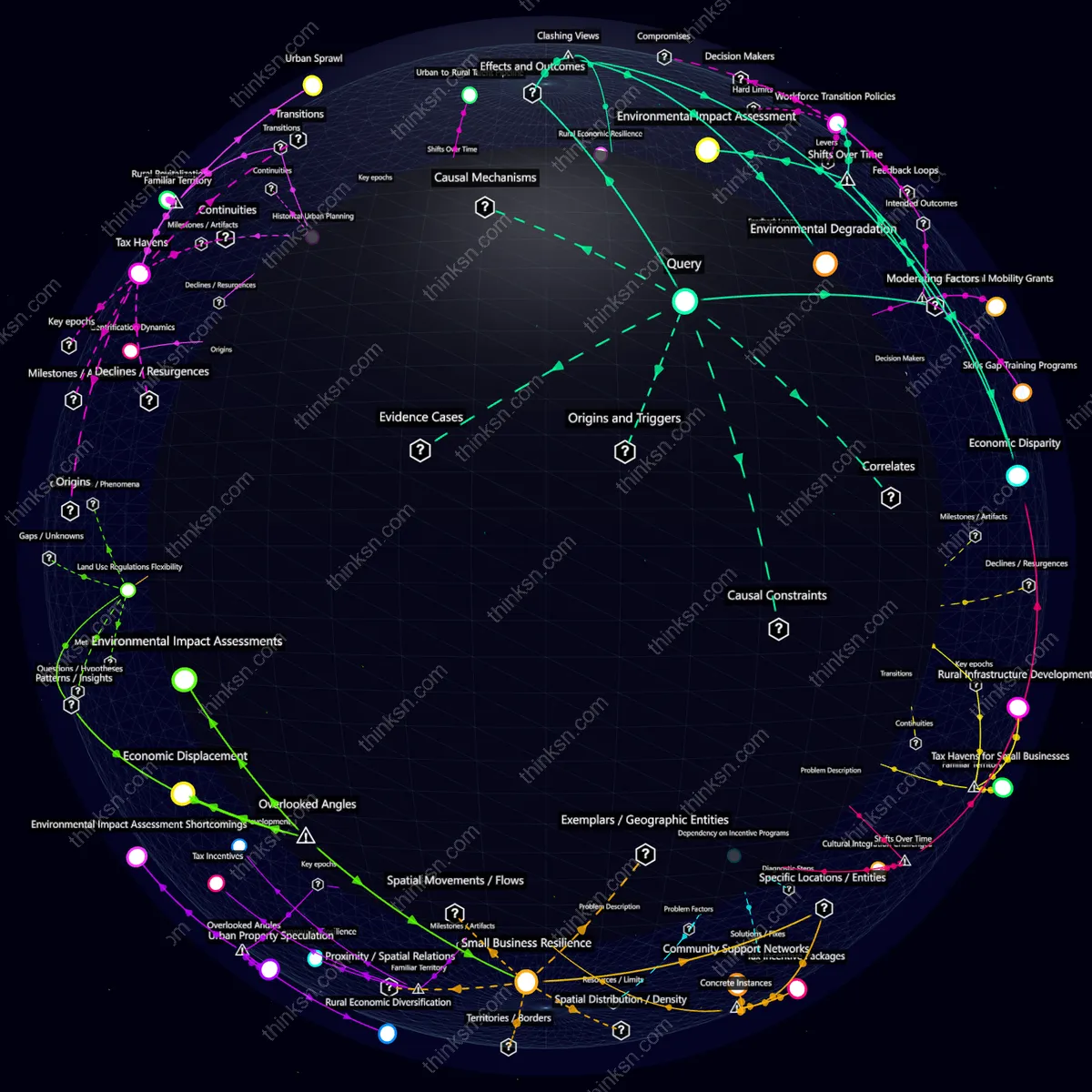
Analysis reveals 5 key thematic connections.
Key Findings
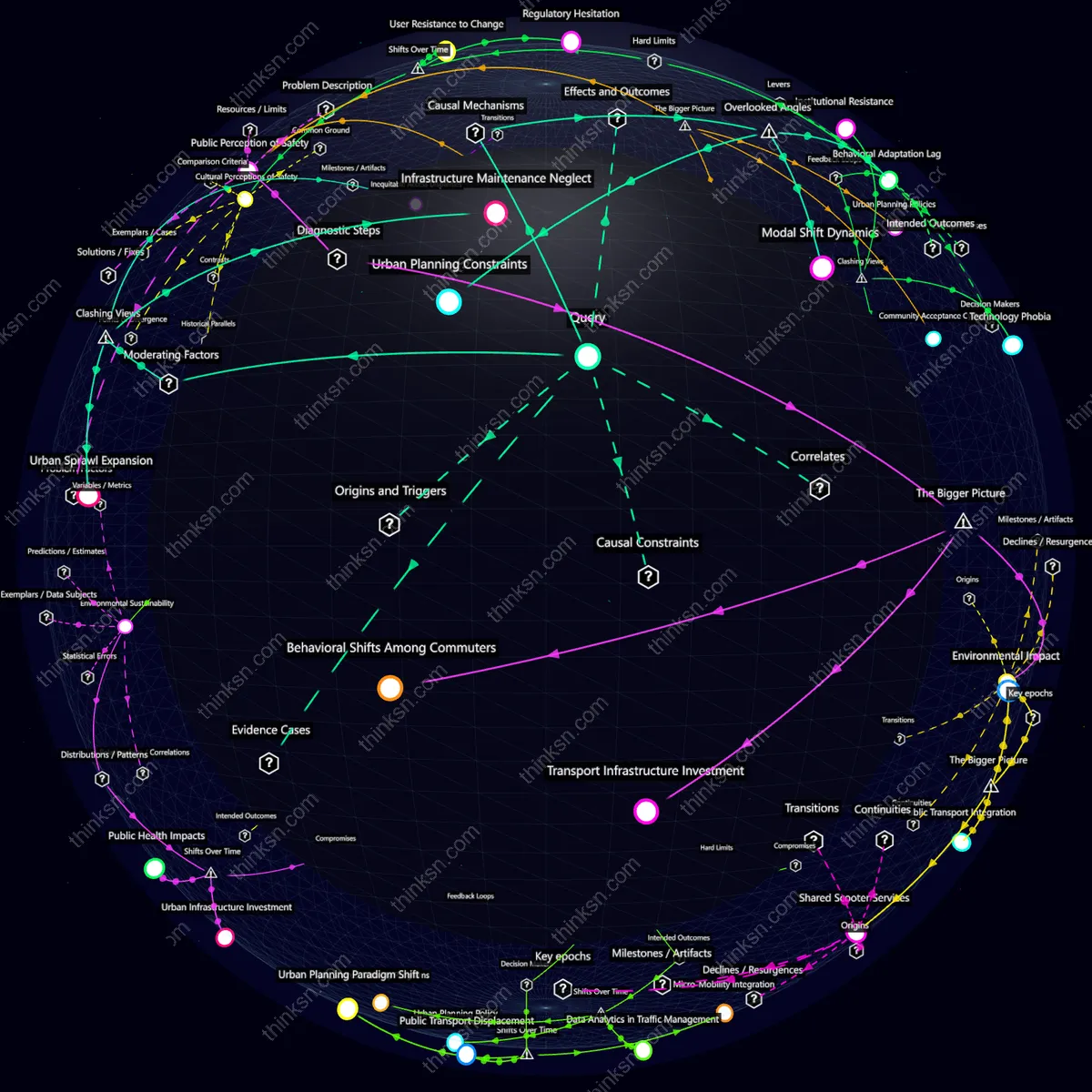
Urban Sprawl Mitigation
Investment in bike lanes without addressing parking and storage needs paradoxically incentivizes urban sprawl. Cyclists may avoid densely populated areas due to lack of secure parking, pushing development into less dense suburbs where parking is abundant but infrastructure for cyclists is lacking.
Modal Shift Dynamics
The absence of comprehensive parking solutions undermines the modal shift towards cycling by increasing risks and inconveniences. Cyclists may revert to motorized vehicles due to concerns over theft, vandalism, or lack of convenience, thereby offsetting initial gains in urban mobility efficiency.
Economic Disparity
Without adequate parking solutions, the benefits of bike lanes are disproportionately enjoyed by affluent areas where private storage options exist. This deepens economic disparities within cities as less advantaged neighborhoods face increased traffic congestion and pollution without the compensatory reduction in car usage.
Traffic Congestion
Overemphasis on bike lanes without balancing parking and storage solutions can paradoxically exacerbate traffic congestion in urban centers, as commuters may switch to more space-consuming modes like cars to avoid the hassle of inadequate bicycle infrastructure.
Cultural Resistance
Urban communities resistant to cycling due to cultural norms or safety concerns may see an increase in vehicular conflicts and a decline in public support for green infrastructure if parking inadequacies lead to perceived nuisances rather than benefits, challenging the sustainability of bike lane initiatives.
Deeper Analysis
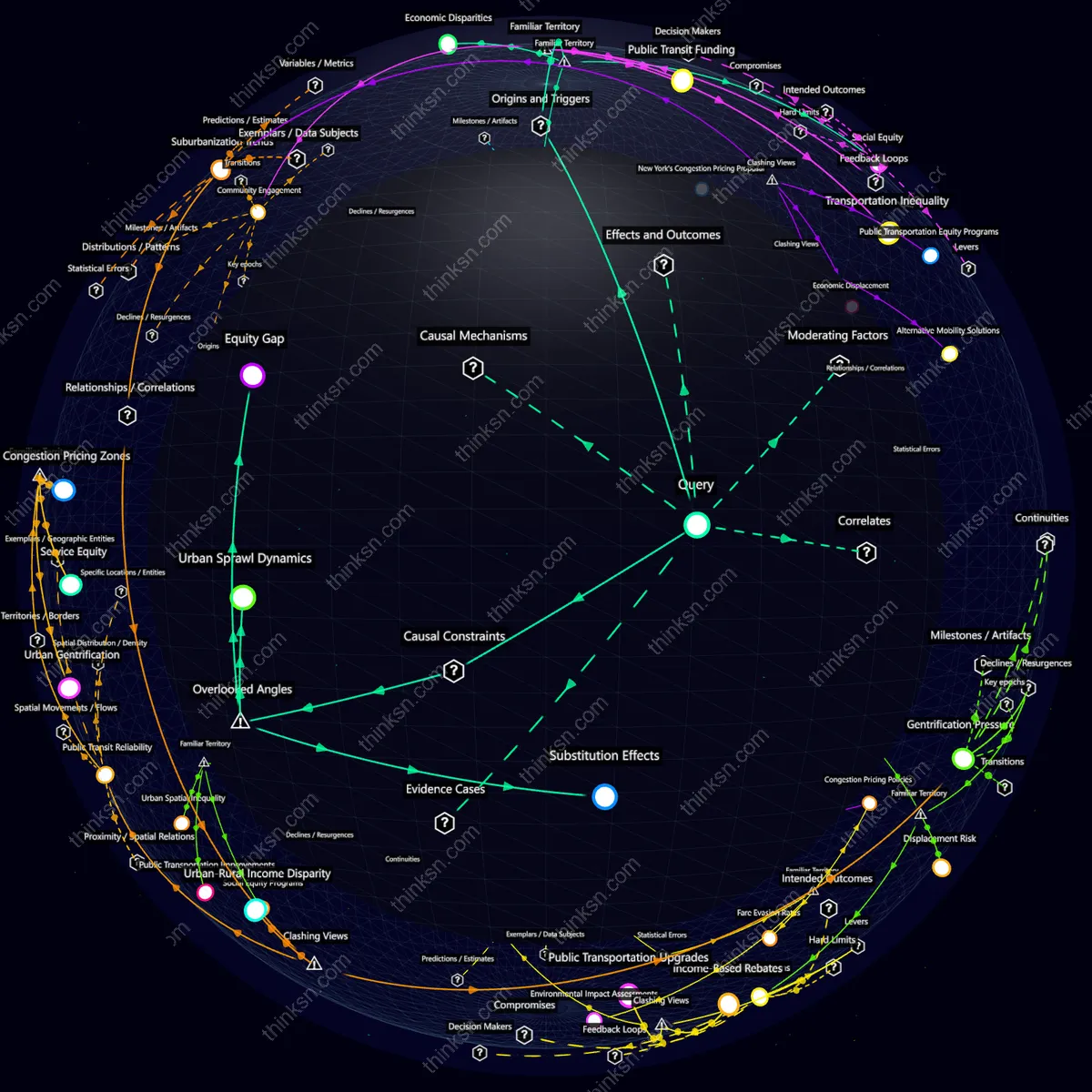
What are the economic disparities arising from heavy investment in bike lanes without addressing parking space and storage needs, and how do they strain urban development systems?
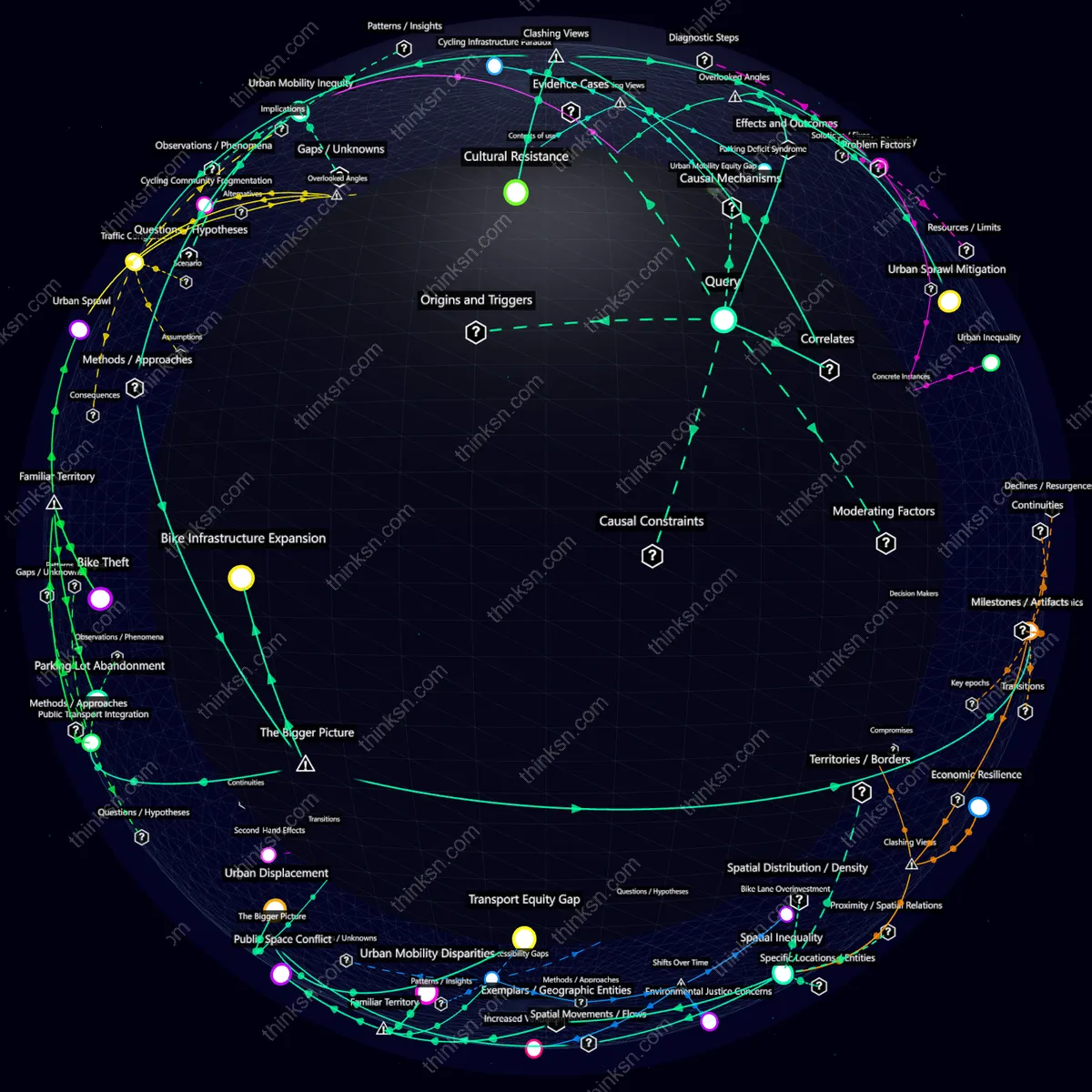
Urban Inequality
Heavy investment in bike lanes can widen urban inequality by disproportionately benefiting middle and upper-income residents who already have access to alternatives, while low-income populations may lack the resources for bikes or the storage space required. This disparity often leads to neglected public transit systems, exacerbating economic segregation.
Infrastructure Bias
Infrastructure bias in urban planning towards bike lanes without addressing parking and storage needs can lead to increased property values near these amenities, pushing out lower-income residents who cannot afford the higher costs. This results in an economic disparity where wealthier individuals are incentivized to move into areas with such infrastructure, leaving less affluent communities underserved.
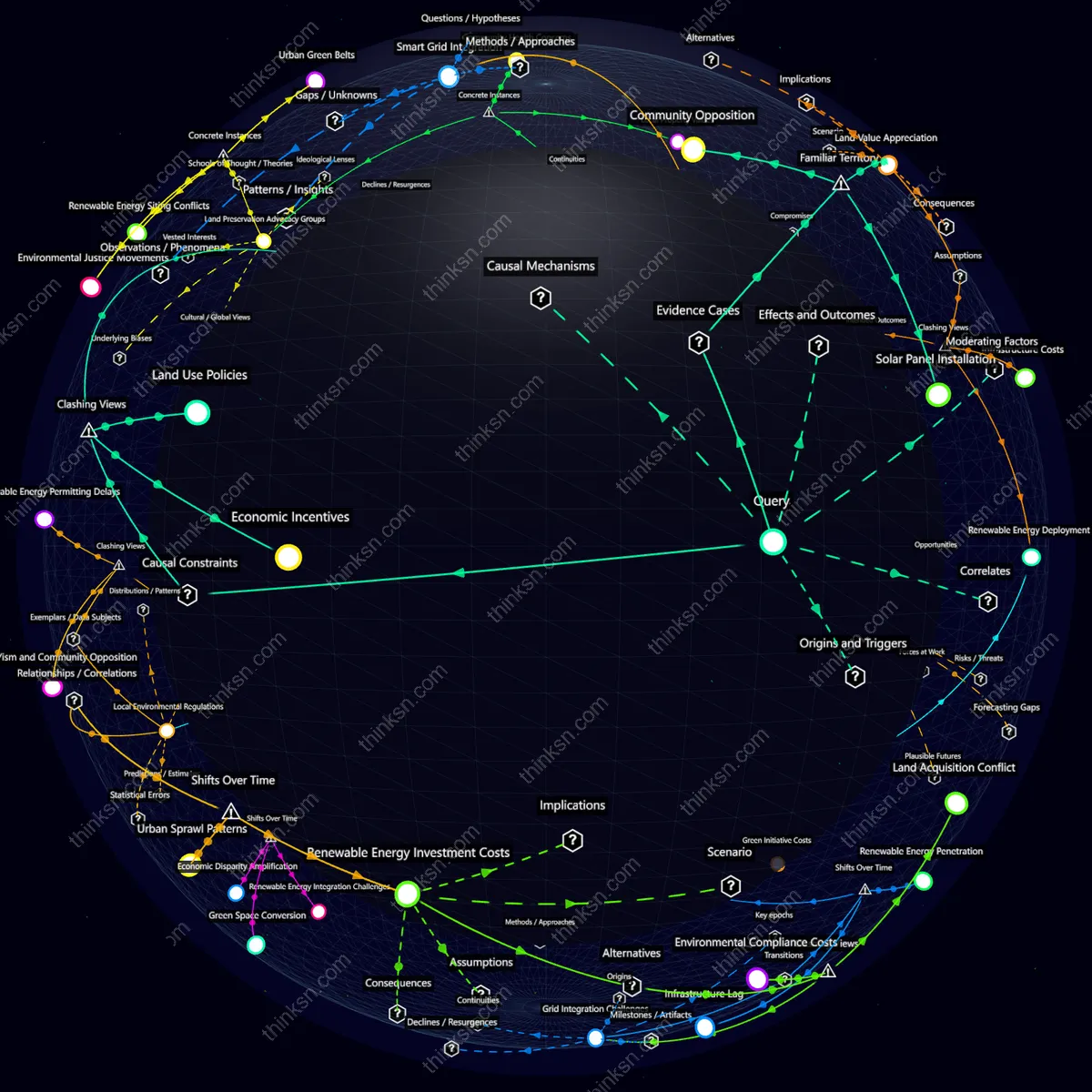
What would be the impact on traffic congestion if a city heavily invests in bike lanes but neglects to address parking space and storage needs for bicycles?
Urban Sprawl
Investing heavily in bike lanes without addressing parking and storage needs may exacerbate urban sprawl. As cyclists face difficulties with bicycle parking, they might opt for longer commutes to avoid crowded or unsafe conditions, leading to increased suburban development.
Modal Shift Dynamics
Neglecting to address bike parking can disrupt the modal shift dynamics towards sustainable transportation. While more people may start biking due to safer lanes, those who do not find secure and convenient storage options might return to driving or using public transit, undermining initial congestion relief efforts.
Cycling Community Fragmentation
The lack of adequate bike parking facilities can lead to fragmentation within the cycling community. Frequent riders may become frustrated with the inconvenience, leading them to abandon cycling altogether and seek alternative modes of transportation, which could weaken advocacy for further cycling infrastructure improvements.
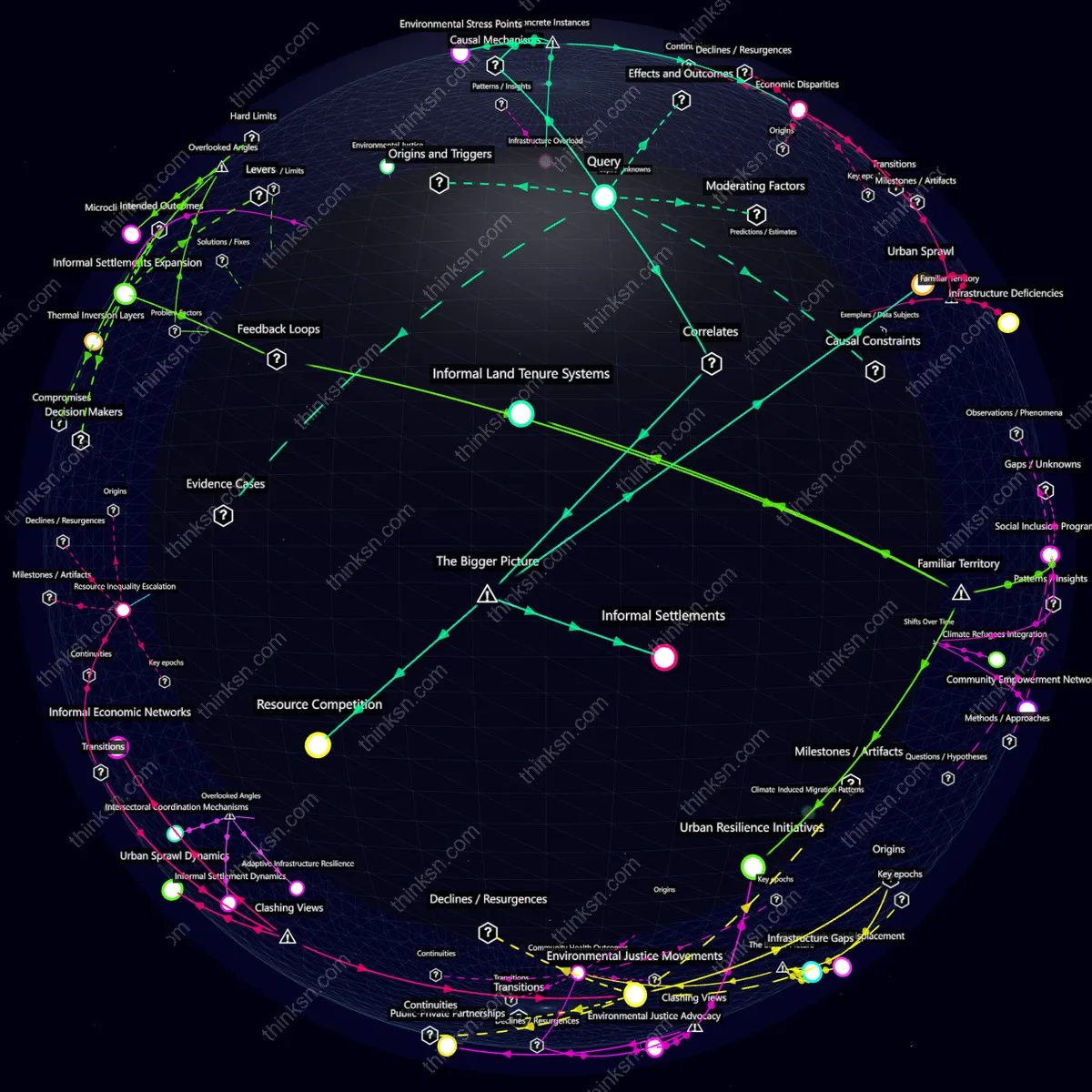
What are the potential surface perspectives and emerging insights on how infrastructure bias towards bike lanes over parking space and storage might inadvertently impact urban development in unforeseen ways?
Urban Mobility Inequity
Increased bike lane infrastructure may disproportionately benefit urban residents who already have access to bicycles, leading to a neglect of public transit and pedestrian needs. This can exacerbate mobility inequities for lower-income individuals who rely on affordable or alternative transportation modes.
Property Value Displacement
Urban development policies favoring bike lanes over parking spaces might inadvertently trigger property value disparities, as areas with less accessible parking see a decline in real estate appeal. This could force car-dependent residents to relocate to more distant neighborhoods, deepening urban sprawl and increasing suburban traffic congestion.
Environmental Impact Mismatch
While bike lanes reduce carbon emissions from cars, the simultaneous reduction in parking space might lead to increased illegal street parking or greater reliance on long-term car storage solutions like garages. This could result in higher energy consumption and carbon footprints associated with less efficient use of urban land and resources.
Explore further:
- What are some emerging perspectives on how heavy investment in bike lanes without addressing parking space and storage needs might exacerbate urban mobility inequity?
- What are the measurable impacts on property values in urban areas when heavy investment is made in bike lanes without adequately addressing parking space and storage needs, highlighting potential displacement effects?
What is the architectural mapping of modal shift dynamics in urban areas with heavy investment in bike lanes but insufficient parking and storage facilities?
Parking Deficit Syndrome
In urban areas with heavy investment in bike lanes but insufficient parking and storage facilities, 'Parking Deficit Syndrome' emerges as a paradox where increased cycling leads to heightened demand for secure bike storage. This syndrome risks undermining the modal shift's sustainability by discouraging new cyclists who lack alternative storage solutions or feel unsafe leaving their bikes exposed.
Urban Mobility Equity Gap
The introduction of extensive bike lanes in urban settings often exacerbates an 'Urban Mobility Equity Gap', disproportionately benefiting affluent residents with access to private garages for secure bike parking. This disparity can alienate lower-income communities, who may rely on public spaces and face challenges in securing their bikes safely.
Cycling Infrastructure Paradox
The 'Cycling Infrastructure Paradox' highlights the unintended consequence where cities prioritizing bike lanes over parking often see increased vehicular congestion due to a lack of secure off-street parking, pushing reluctant drivers back onto roads. This fragility in urban planning underscores the need for comprehensive infrastructure that balances different modes of transportation.
What are some emerging perspectives on how heavy investment in bike lanes without addressing parking space and storage needs might exacerbate urban mobility inequity?
Bike Infrastructure Expansion
Heavy investment in bike lanes without addressing parking space and storage needs can disproportionately burden lower-income residents who rely on bikes for daily commuting. This scenario may exacerbate urban mobility inequity as these individuals face increased theft risk, forcing them to choose between risking their only transportation method or foregoing essential trips.
Urban Real Estate Dynamics
The expansion of bike lanes can increase property values in certain areas but often fails to consider the spatial distribution and accessibility issues for residents. This real estate bubble could lead to gentrification, pushing out long-term lower-income residents who depend on affordable housing near their workplaces or public transit hubs.
Public Transport Integration
Ignoring bike parking and storage in urban planning can weaken the synergy between cycling infrastructure and public transport. This oversight forces commuters to rely solely on bikes, often covering longer distances, thus undermining the efficiency of multimodal transportation systems designed for diverse mobility needs.
Explore further:
- How do evolving urban real estate dynamics reflect the long-term impacts of heavy investment in bike lanes without adequate parking space and storage solutions on city development patterns?
- In what ways might integrating public transport with bike lane infrastructure impact urban development when parking and storage issues are not adequately addressed?
What are the measurable impacts on property values in urban areas when heavy investment is made in bike lanes without adequately addressing parking space and storage needs, highlighting potential displacement effects?
Urban Gentrification
When heavy investment in bike lanes occurs without addressing parking needs, it can inadvertently accelerate gentrification by making existing infrastructure more attractive to wealthier residents who prefer cycling. This displacement of lower-income groups is exacerbated as property values rise and affordable housing options diminish.
Transportation Equity
The focus on bike lanes without sufficient parking solutions can undermine transportation equity in urban areas, disproportionately affecting low-income populations who rely more heavily on cars for mobility. This imbalance can lead to increased social tensions as property values rise and the city becomes less accessible for car-dependent residents.
Environmental Impact Assessment
Failing to conduct thorough environmental impact assessments before investing in bike lanes without addressing parking issues can result in significant environmental backlashes, such as increased air pollution from cars circling for parking. This not only harms public health but also complicates long-term sustainability goals by shifting focus away from holistic urban planning.
How do evolving urban real estate dynamics reflect the long-term impacts of heavy investment in bike lanes without adequate parking space and storage solutions on city development patterns?
Urban Mobility Equity
Investments in bike lanes without corresponding storage solutions exacerbate urban mobility equity issues. As affluent neighborhoods see increased property values due to improved cycling infrastructure, lower-income areas face displacement pressures when parking scarcity drives up costs and reduces convenience.
Spatial Inequality
The uneven distribution of bike lane investments can lead to spatial inequality within cities. While some downtown cores benefit from enhanced mobility options, outer suburbs may suffer from neglected road maintenance and fewer public transportation alternatives, deepening the divide between urban haves and have-nots.
Economic Resilience
Urban areas heavily investing in bike lanes without adequate parking solutions risk undermining economic resilience. Small businesses in dense commercial districts could face reduced foot traffic if customers are deterred by a lack of secure bicycle storage, potentially leading to higher vacancy rates and slower retail recovery post-pandemic.
Explore further:
- What are potential strategic interventions that could address urban mobility equity issues arising from heavy investment in bike lanes without considering parking space and storage needs in urban development?
- What spatial inequalities arise from heavy investment in bike lanes without addressing parking space and storage needs in urban areas?
In what ways might integrating public transport with bike lane infrastructure impact urban development when parking and storage issues are not adequately addressed?
Urban Sprawl
Integrated public transport and bike lanes can paradoxically exacerbate urban sprawl by making distant suburbs more accessible. As commuters find it easier to travel long distances, the appeal of living in less densely populated areas grows, leading to increased demand for sprawling development that undermines the very goals of sustainable urban planning.
Parking Lot Abandonment
The reduction in car usage due to improved public transport and bike infrastructure can result in parking lots becoming abandoned or repurposed. This rapid change can lead to economic challenges for local businesses heavily reliant on parking, while also creating urban planning dilemmas regarding land use and redevelopment.
Bike Theft
While integrating public transport with bike lanes may encourage more cycling, it can also create hotspots for bike theft in high-traffic areas. Increased concentration of cyclists using shared infrastructure exposes bikes to greater risk, potentially deterring some from adopting this environmentally friendly mode of transportation due to security concerns.
What spatial inequalities arise from heavy investment in bike lanes without addressing parking space and storage needs in urban areas?
Urban Displacement
Investment in bike lanes without addressing parking and storage issues can exacerbate urban displacement, pushing low-income residents out of central neighborhoods into less desirable areas with fewer amenities.
Transport Equity Gap
The uneven distribution of bike lane investments compared to parking solutions widens the transport equity gap, disproportionately affecting marginalized communities who rely on multi-modal transportation options.
Spatial Segregation
Neglecting storage and parking needs for cyclists can deepen spatial segregation by creating barriers that prevent lower-income individuals from utilizing bike lanes as a viable mode of urban transport.
Urban Mobility Disparities
Heavily investing in bike lanes without addressing parking and storage needs exacerbates urban mobility disparities. Wealthier neighborhoods benefit from improved cycling infrastructure, encouraging higher property values and attracting new businesses, while lower-income areas suffer due to lack of adequate facilities for cyclists, perpetuating spatial inequality.
Public Space Conflict
The push for bike lanes often leads to public space conflicts in urban settings. As cities allocate more space to cyclists, they may overlook the needs of pedestrians and existing modes of transportation, such as cars and buses, leading to resentment among communities who feel their mobility options are diminished or neglected.
Transportation Accessibility Gaps
Inadequate parking and storage solutions for bikes create significant accessibility gaps for different demographics. Lower-income individuals often rely on multiple modes of transportation due to the cost and practicality of bike ownership, leading to spatial inequality as they face challenges in navigating urban environments where bike lanes are prioritized over comprehensive transit options.
Explore further:
- How might heavy investment in bike lanes contribute to spatial segregation over time if parking space and storage needs are not addressed in urban development plans?
- What emerging insights can be discovered regarding transportation accessibility gaps when cities invest heavily in bike lanes without considering parking space and storage needs?
How might heavy investment in bike lanes contribute to spatial segregation over time if parking space and storage needs are not addressed in urban development plans?
Urban Mobility Divide
Heavy investment in bike lanes without addressing parking space and storage needs exacerbates the urban mobility divide by privileging cyclists over other modes of transportation, such as cars or public transit. This can lead to unequal access to jobs, education, and services for non-cyclists, particularly those from lower socioeconomic backgrounds who rely on car ownership.
Infrastructure Bias
Infrastructure bias in urban development plans that prioritizes bike lanes over parking facilities may unintentionally reinforce spatial segregation by favoring more affluent neighborhoods where cycling is already popular and convenient. This can result in reduced investment in less advantaged areas, perpetuating existing social and economic disparities.
Second-Hand Effects
The second-hand effects of neglecting parking space and storage needs for cyclists lead to increased congestion and urban sprawl as car owners seek alternatives to overcrowded streets. This can force businesses and residents in denser areas to relocate, further isolating communities that depend on cars due to a lack of viable transportation options.
What emerging insights can be discovered regarding transportation accessibility gaps when cities invest heavily in bike lanes without considering parking space and storage needs?
Bike Lane Overinvestment
The overemphasis on bike lane development without adequate consideration for parking and storage can lead to a misallocation of urban space, exacerbating issues such as congestion and strain on existing infrastructure. This imbalance disproportionately affects low-income residents who rely on bicycles as their primary mode of transportation but lack secure places to store them.
Environmental Justice Concerns
Cities investing heavily in bike lanes without addressing parking needs risk exacerbating environmental justice issues, as marginalized communities might be pushed further from the centers they need to reach for employment or services. This can result in increased travel times and costs for these groups, undermining efforts to promote equitable transportation solutions.
Increased Vandalism Risk
The lack of secure parking facilities for bicycles may increase vulnerability to theft and vandalism, deterring potential riders from adopting biking as a primary mode of transport. This not only hampers the goal of reducing carbon emissions but also raises safety concerns, particularly in urban areas with high crime rates.