The Impact of Telehealth on Patient-Doctor Relationships and Trust
Analysis reveals 6 key thematic connections.
Key Findings
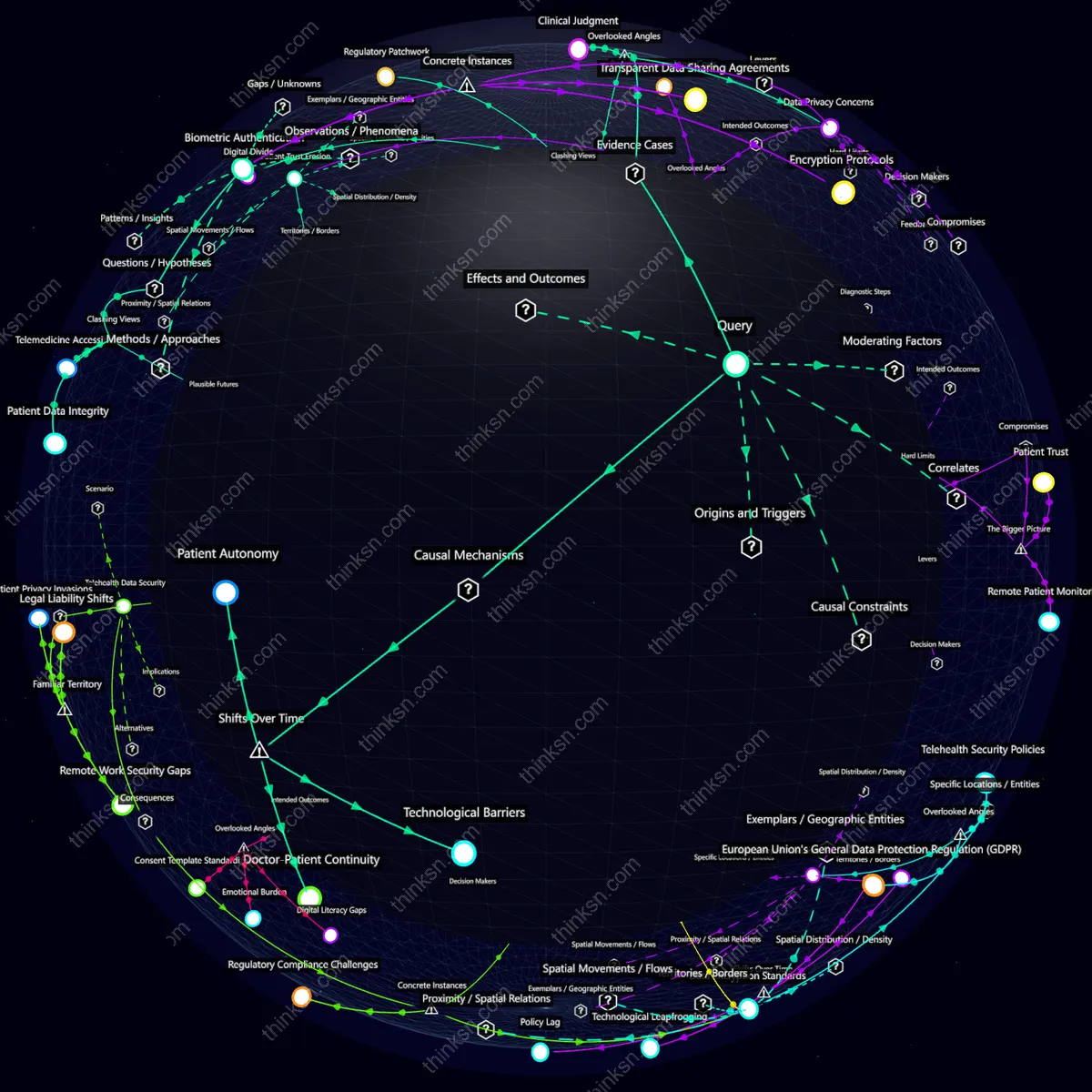
Patient Autonomy
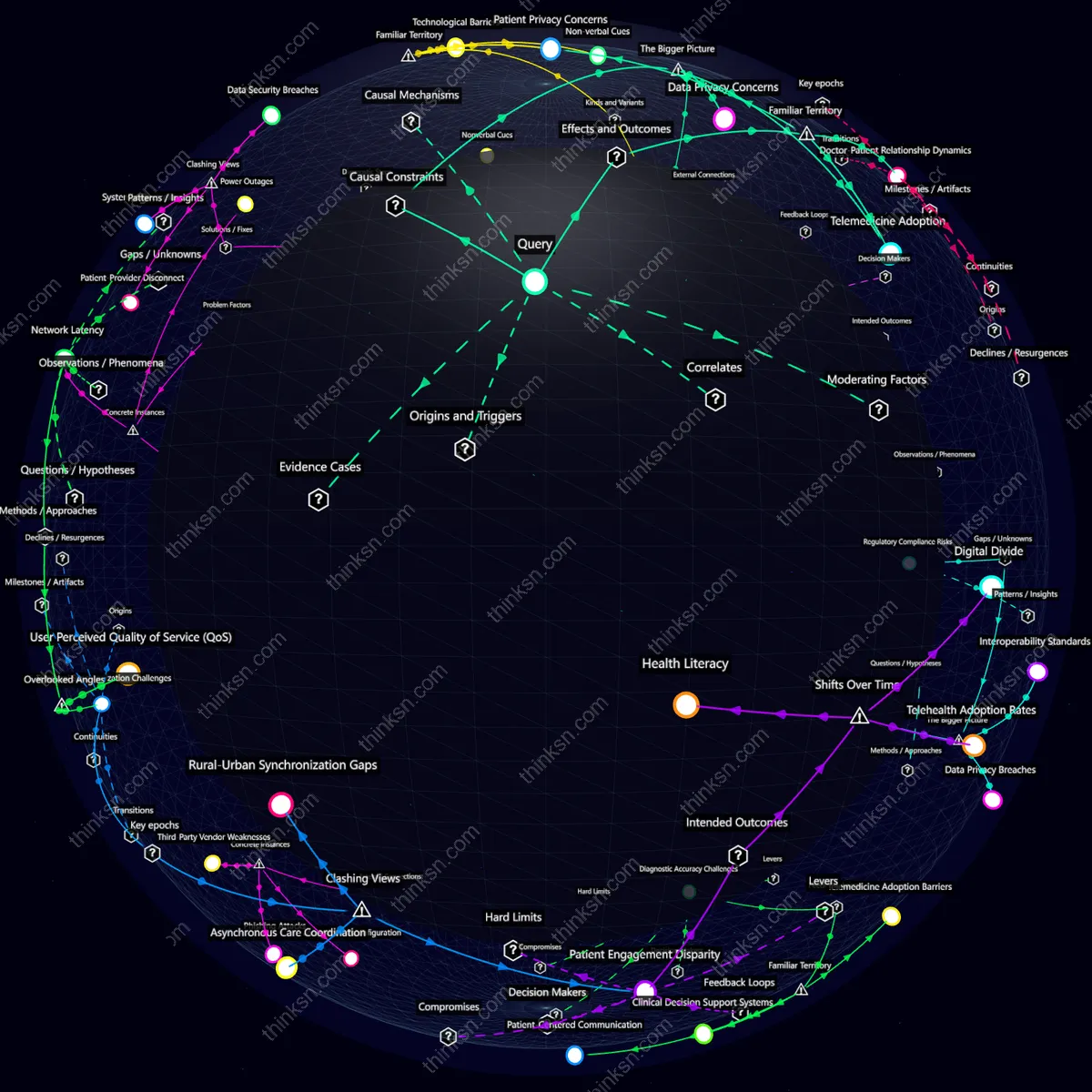
Telehealth replacing half of primary care visits may enhance patient autonomy by allowing greater flexibility and access to healthcare from home. However, this shift could also isolate patients who prefer face-to-face interactions or lack reliable technology, potentially undermining trust in their doctors.
Technological Barriers
The reliance on telehealth for half of primary care visits can exacerbate existing technological barriers, such as inadequate internet access and digital literacy among older patients. This could lead to unequal outcomes and a widening gap between tech-savvy and less proficient patient groups.
Doctor-Patient Continuity
Reducing in-person visits through telehealth can disrupt the continuity of care, impacting long-term doctor-patient relationships due to decreased face-to-face interaction. This shift may foster a more transactional relationship, where trust and rapport are harder to establish and maintain over time.
Patient Engagement
Telehealth may lead to decreased patient engagement due to reduced face-to-face interaction, potentially weakening the doctor-patient relationship. This is evident in rural areas where broadband connectivity issues exacerbate this effect, leading to lower follow-through on treatment plans and increased health disparities.
Clinical Judgment
The reliance on video consultations can limit a physician's ability to make accurate clinical judgments, as subtle physical signs of illness may be missed. This risk is particularly pronounced in geriatric care, where non-verbal cues are crucial for diagnosing conditions such as dementia or frailty syndrome.
Data Privacy Concerns
Increased use of telehealth raises significant data privacy concerns due to potential breaches and the need for robust cybersecurity measures. This is especially critical in small clinics with limited IT resources, where a single breach can compromise patient trust and confidentiality on a large scale.
Deeper Analysis
What strategic interventions could mitigate data privacy concerns in telehealth to preserve patient-doctor trust as primary care visits shift partially online?
Encryption Protocols
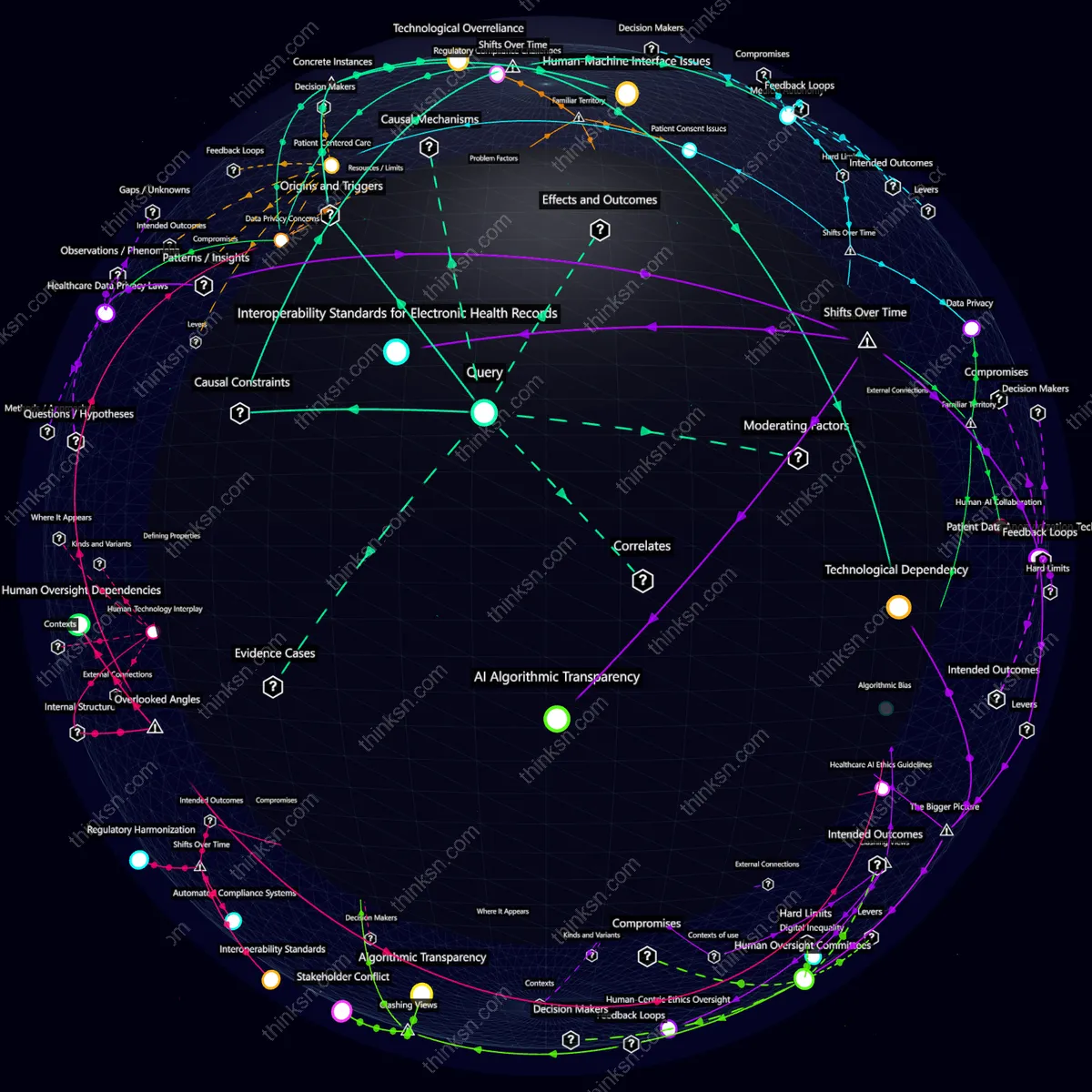
The adoption of stringent encryption protocols by telehealth platforms can significantly bolster patient trust but also poses operational challenges for healthcare providers, necessitating robust technical training and support to ensure compliance. A real-world example is the HIPAA-compliant encryption used by Zoom during the pandemic surge.
Transparent Data Sharing Agreements
Clear data sharing agreements with patients can enhance transparency but may lead to legal ambiguities if not carefully crafted, risking breaches of patient trust and regulatory penalties. For instance, Apple’s Health Records API faced scrutiny over its initial privacy clauses in 2018.
Biometric Authentication
Implementing biometric authentication enhances security but can also heighten patient concerns about data misuse or breaches if the technology is mishandled. The UK’s NHS app integrating facial recognition for secure login illustrates this double-edged sword.
Patient Trust Erosion
Increased data privacy breaches in telehealth can lead to a rapid erosion of patient trust in both the healthcare provider and technology, undermining the primary care relationship. This shift forces providers to adopt stringent data protection measures but may also create a culture of suspicion where patients are less willing to share sensitive health information.
Regulatory Compliance Costs
Stricter regulations aimed at protecting patient privacy in telehealth can significantly increase the operational costs for healthcare providers, including the need for specialized training and expensive compliance software. This financial burden may disproportionately affect smaller practices or rural clinics, potentially widening existing disparities in access to advanced care.
Technological Dependency
Relying heavily on telehealth platforms can create a dependency on specific technologies that might have vulnerabilities or limitations. If such systems fail due to cyberattacks or software glitches, it could lead to critical delays and interruptions in patient care, highlighting the need for robust backup plans and multi-platform strategies.
Explore further:
- In what ways could biometric authentication impact patient privacy and security concerns in a telehealth environment, potentially affecting patient-doctor relationships and trust over time?
- What is the geographic distribution of patient trust erosion when telehealth replaces half of primary care visits in different regions?
In what ways could biometric authentication impact patient privacy and security concerns in a telehealth environment, potentially affecting patient-doctor relationships and trust over time?
Patient Data Integrity
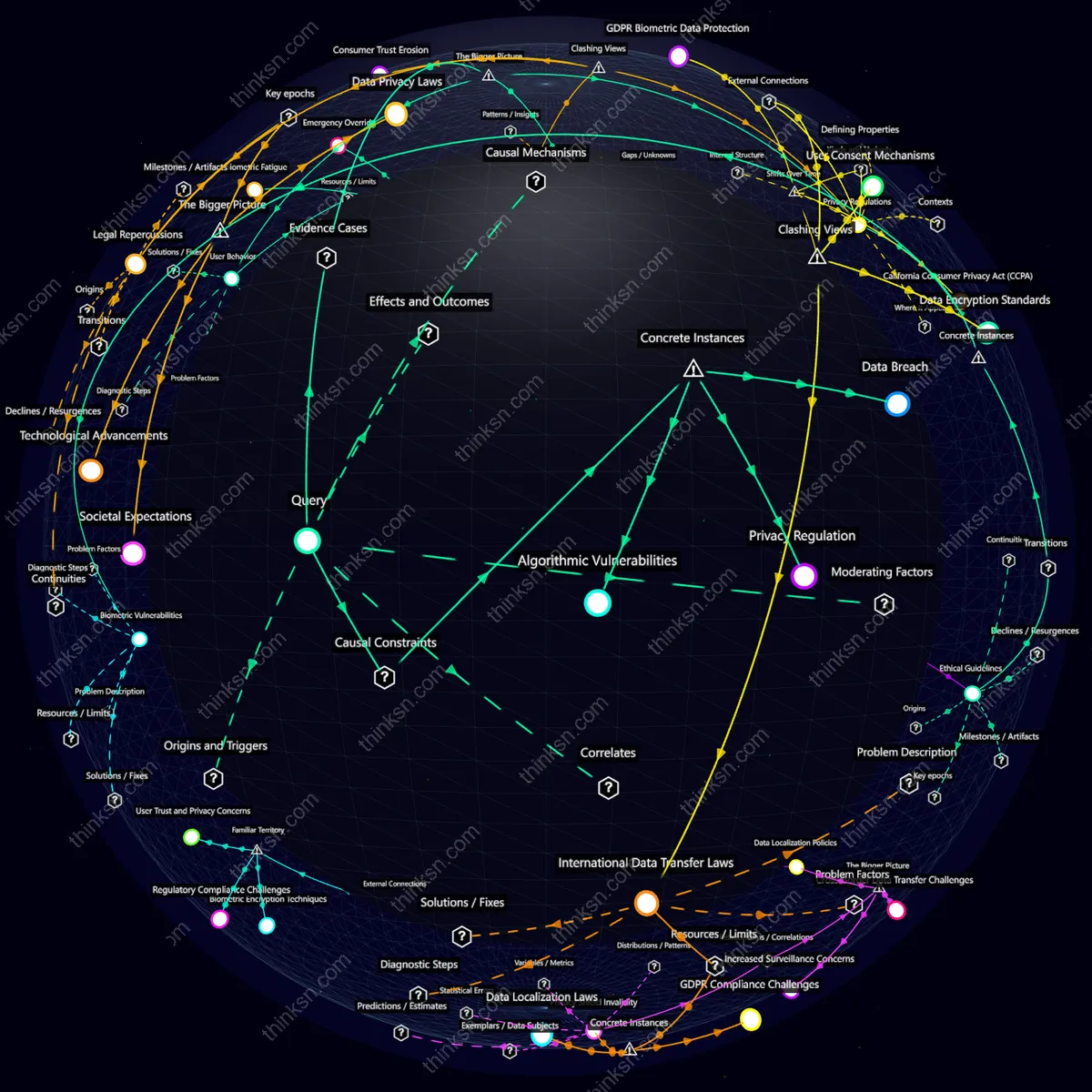
Biometric authentication can enhance data integrity but may also introduce new vulnerabilities. For instance, if a patient's biometric data is compromised due to a telehealth platform breach, it could lead to identity theft or unauthorized access to sensitive medical records.
Telemedicine Accessibility
While biometric authentication aims to secure patients' identities, its stringent requirements might disproportionately affect elderly or disabled individuals who face difficulties in enrolling and maintaining their biometric data. This could create a barrier to telehealth access for those most in need.
Privacy Regulations
The implementation of biometric authentication in telehealth systems may conflict with evolving privacy regulations that emphasize patient consent and control over personal information. Stricter regulations might hinder the adoption of such technologies, leading to a slower integration into healthcare practices despite potential security benefits.
What is the geographic distribution of patient trust erosion when telehealth replaces half of primary care visits in different regions?
Digital Divide
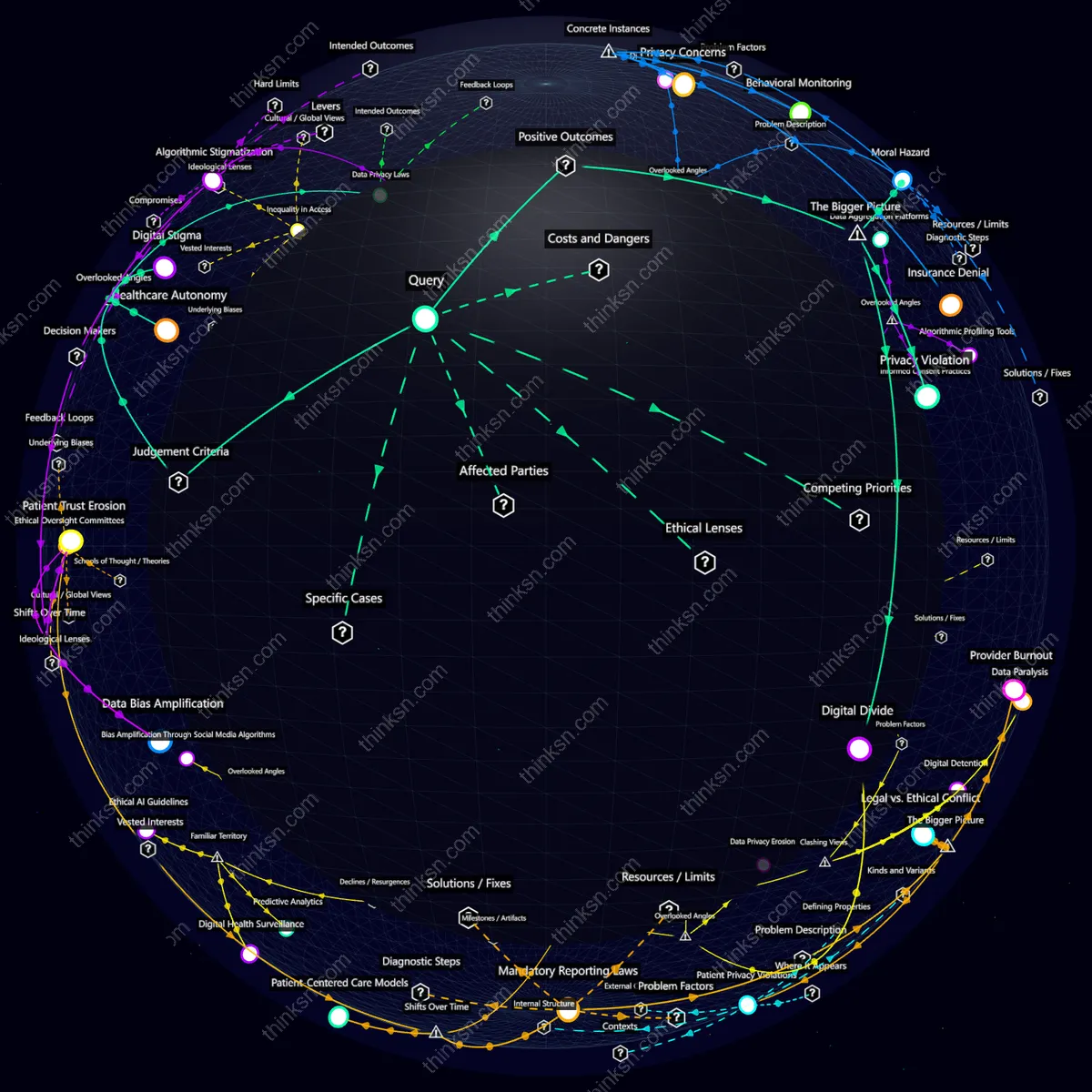
The shift towards telehealth exacerbates the digital divide, disproportionately affecting rural and low-income patients who lack reliable internet access. This leads to reduced trust in healthcare systems as these groups face barriers to receiving timely care, creating a vicious cycle of health disparities.
Regulatory Patchwork
Different regions enforce varying telehealth regulations, leading to inconsistencies in patient care quality and data privacy standards. This patchwork complicates cross-border healthcare and erodes trust among patients who fear their medical information might not be adequately protected or uniformly managed.
Provider Burnout
Telehealth implementation intensifies the workload for primary care providers, increasing screen time and administrative tasks while reducing face-to-face patient interaction. This burnout can lead to decreased job satisfaction among healthcare professionals, impacting their ability to maintain strong relationships with patients and fostering a sense of abandonment.
How will evolving privacy regulations impact the long-term patient-doctor trust and relationships in a telehealth-dominated primary care environment?
Telehealth Data Security
As privacy regulations evolve to strengthen data security in telehealth, the reliance on robust encryption and secure platforms becomes paramount. However, this shift may also exacerbate digital divides as less tech-savvy patients or those in rural areas face barriers to adopting secure communication channels.
Patient Consent Protocols
New privacy regulations mandating stricter consent protocols for telehealth consultations can enhance patient autonomy but may inadvertently slow down the process of care delivery, especially during urgent situations where quick access to medical records is crucial. This delay could strain doctor-patient relationships by fostering a sense of distrust or frustration.
Cross-Border Telemedicine
Privacy regulations varying across different countries complicate cross-border telehealth services, creating legal uncertainties and compliance challenges for healthcare providers aiming to serve international patients. This complexity could deter global telehealth adoption and limit access to specialized care for individuals in regions with limited local expertise.
What would be the impact on provider burnout if telehealth were to replace half of primary care visits, and what strategic interventions could mitigate this effect while preserving patient-doctor relationships and trust?
Remote Patient Monitoring
As telehealth replaces half of primary care visits, remote patient monitoring increases. While this reduces immediate workload for providers, it may lead to a fragmented understanding of patients' holistic health needs, potentially causing burnout due to the perceived disconnection from comprehensive care.
Technological Dependency
The shift towards telehealth and remote monitoring creates a heavy reliance on technology. This dependency can exacerbate provider stress, as they must continuously adapt to new systems, troubleshoot technical issues, and ensure data privacy, all while maintaining patient care quality.
Patient Trust
Increased use of telehealth might compromise patient trust if providers are seen as less accessible or empathetic. This could undermine the therapeutic alliance, leading to higher provider burnout rates due to perceived failures in building and sustaining strong doctor-patient relationships.
What hypothetical scenarios can be formulated to address potential concerns about patient-doctor trust and relationship quality in a future where telehealth replaces half of primary care visits, considering data security measures?
Patient Privacy Invasions
Increased telehealth adoption leads to more frequent data breaches and privacy invasions. Patients may choose not to share sensitive health information, fearing it could be misused or sold, undermining trust in both telehealth providers and the digital healthcare ecosystem.
Legal Liability Shifts
As telehealth becomes prevalent, legal liability for data breaches shifts towards technology companies rather than traditional medical institutions. This shift creates incentives for tech firms to cut corners on security, potentially leading to more vulnerabilities that compromise patient-doctor trust.
Remote Work Security Gaps
With the rise of telehealth, healthcare providers increasingly work remotely, creating new security gaps as personal devices and home networks are less secure than office environments. This exposes sensitive health data to higher risks, threatening patient confidence in the system's ability to protect their information.
Patient Privacy Breaches
Increased reliance on telehealth leads to more frequent data breaches as hackers target the expanding digital infrastructure. Patients become wary of sharing sensitive information, undermining trust in remote care and complicating relationships with healthcare providers.
Regulatory Compliance Challenges
Telehealth services face stricter regulatory scrutiny, requiring substantial investment in compliance measures that may divert resources from patient care. This could result in delayed service rollouts or reduced quality of care, further eroding trust and affecting patient-doctor relationships.
Data Encryption Standards
Emergence of standardized data encryption protocols accelerates telehealth adoption but also creates a dependency on outdated technology that cannot fully protect sensitive information. This paradox highlights the need for continuous innovation in cybersecurity, balancing between security and usability to maintain trust.
Explore further:
- What hypothetical scenarios and strategic interventions could mitigate patient privacy breaches as telehealth replaces half of primary care visits, and how might these impact patient-doctor relationships and trust?
- What is the geographic distribution and physical infrastructure required for implementing data encryption standards in telehealth systems to ensure patient-doctor relationships and trust are maintained?
What hypothetical scenarios and strategic interventions could mitigate patient privacy breaches as telehealth replaces half of primary care visits, and how might these impact patient-doctor relationships and trust?
Data Encryption Standards
As telehealth adoption increases, stricter data encryption standards become a double-edged sword. While they enhance security, overly complex protocols can overwhelm smaller clinics lacking robust IT resources, potentially leading to breaches due to operational errors or delayed implementation.
Patient Consent Fatigue
With frequent telehealth interactions requiring repeated consent for data sharing and privacy policies, patients may experience 'consent fatigue', reducing their vigilance over privacy risks. This could inadvertently empower malicious actors exploiting complacent patient behavior.
Third-Party Integration Risks
The integration of third-party apps and platforms into telehealth services to enhance features like appointment scheduling or medication reminders introduces new vulnerabilities. These systems often lack the rigorous privacy controls that in-house solutions provide, exposing patients' sensitive information to additional threats.
What is the geographic distribution and physical infrastructure required for implementing data encryption standards in telehealth systems to ensure patient-doctor relationships and trust are maintained?
Telehealth Security Policies
In regions like California and Ontario, stringent telehealth security policies have led healthcare providers to adopt advanced data encryption standards. However, this has created a fragmented market where smaller hospitals in less regulated areas struggle to meet these high benchmarks, potentially leading to uneven quality of care and increased costs.
European Union's General Data Protection Regulation (GDPR)
The GDPR's stringent data protection requirements have pushed European telehealth systems to implement robust encryption standards. Yet, this has also led to complex compliance challenges for multinational healthcare providers who must navigate differing regulations across borders, risking breaches if not properly managed.
Underdeveloped Telecommunication Infrastructure
In countries with underdeveloped telecommunication infrastructure, such as parts of Sub-Saharan Africa, implementing advanced data encryption standards can be technologically challenging and costly. This creates a risk where the push for strong encryption may inadvertently limit access to remote healthcare services that rely on basic internet connectivity.
What strategies can be implemented to mitigate patient consent fatigue in a telehealth-driven primary care model that replaces half of traditional visits, and how might these interventions impact trust between patients and doctors over the long-term?
Digital Literacy Gaps
As telehealth visits increase and consent processes become more digital, patients with lower digital literacy may feel overwhelmed by the complexity of online systems, exacerbating fatigue. This can lead to rushed or uninformed decisions that compromise long-term trust in both technology and healthcare providers.
Emotional Burden
The repetitive nature of consent discussions during telehealth visits adds an emotional burden, especially for patients dealing with chronic conditions. Over time, this can manifest as fatigue or apathy towards the medical process, potentially weakening the therapeutic alliance and impacting adherence to treatment plans.
Consent Template Standardization
While standardizing consent templates may streamline processes, it risks oversimplifying personalized communication. This could lead to a disconnect between patients' specific needs and the generalized information provided, undermining trust and engagement in telehealth visits.
What is the geographic distribution and coverage of underdeveloped telecommunication infrastructure in regions where half of primary care visits are conducted through telehealth?
Rural Healthcare Disparities
In regions with underdeveloped telecommunication infrastructure, rural healthcare disparities are exacerbated as telehealth solutions become less effective. This creates a paradox where reliance on telemedicine increases in areas least equipped to support it, leading to unintended health outcomes and exacerbating social inequalities.
Technological Leapfrogging
Underdeveloped telecommunication infrastructure can paradoxically foster technological leapfrogging as communities bypass traditional internet access methods for more advanced mobile solutions. However, this rapid transition can strain local economies, making it difficult to sustain and integrate new technologies effectively.
Policy Lag
The gap between policy development and the actual state of telecommunication infrastructure in remote areas leads to a significant lag in implementing effective health policies. This delay not only hinders immediate healthcare access but also complicates long-term planning, creating a cycle of underinvestment and inefficiency.