National Security Response to Cyberattacks on Smart Grids and Power Plants
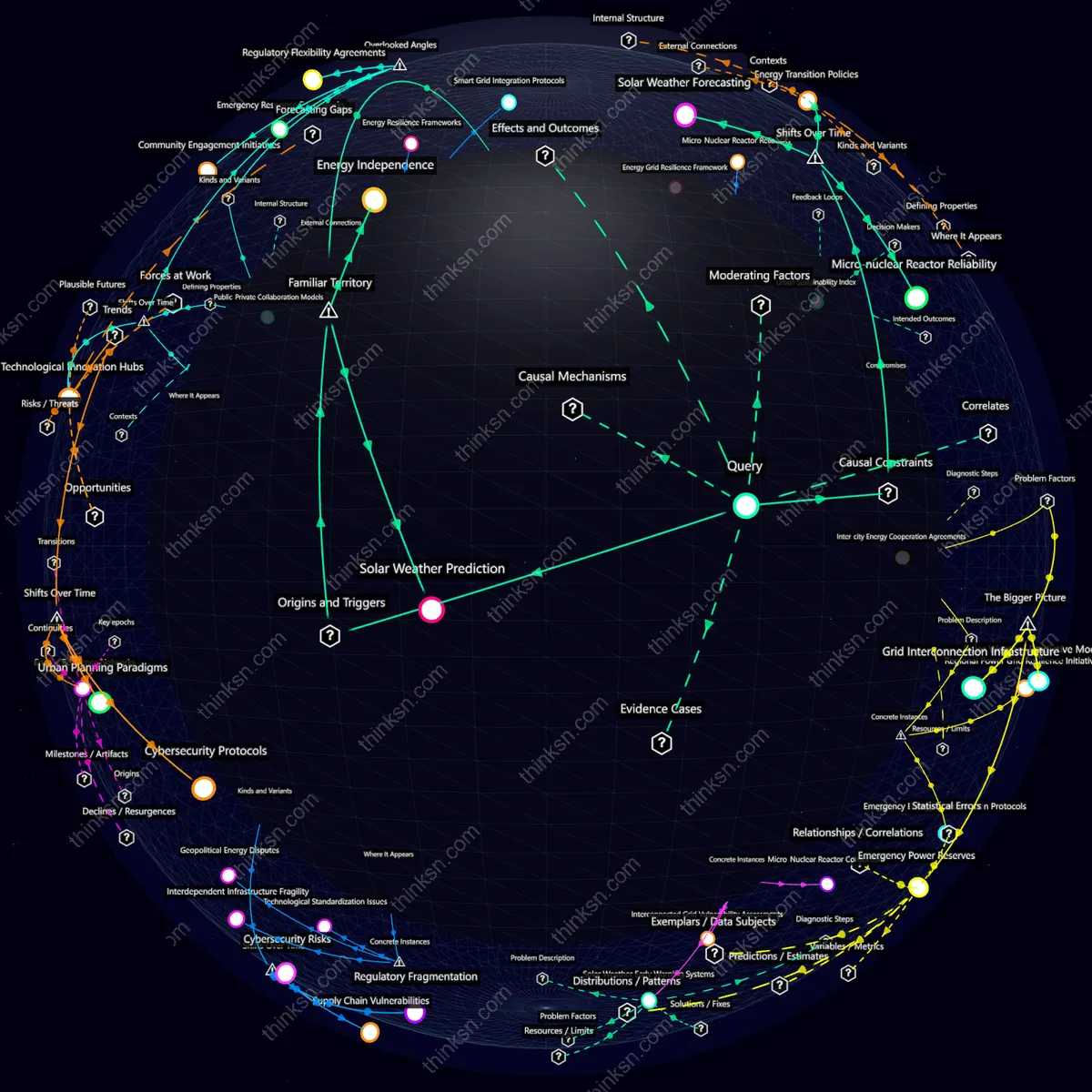
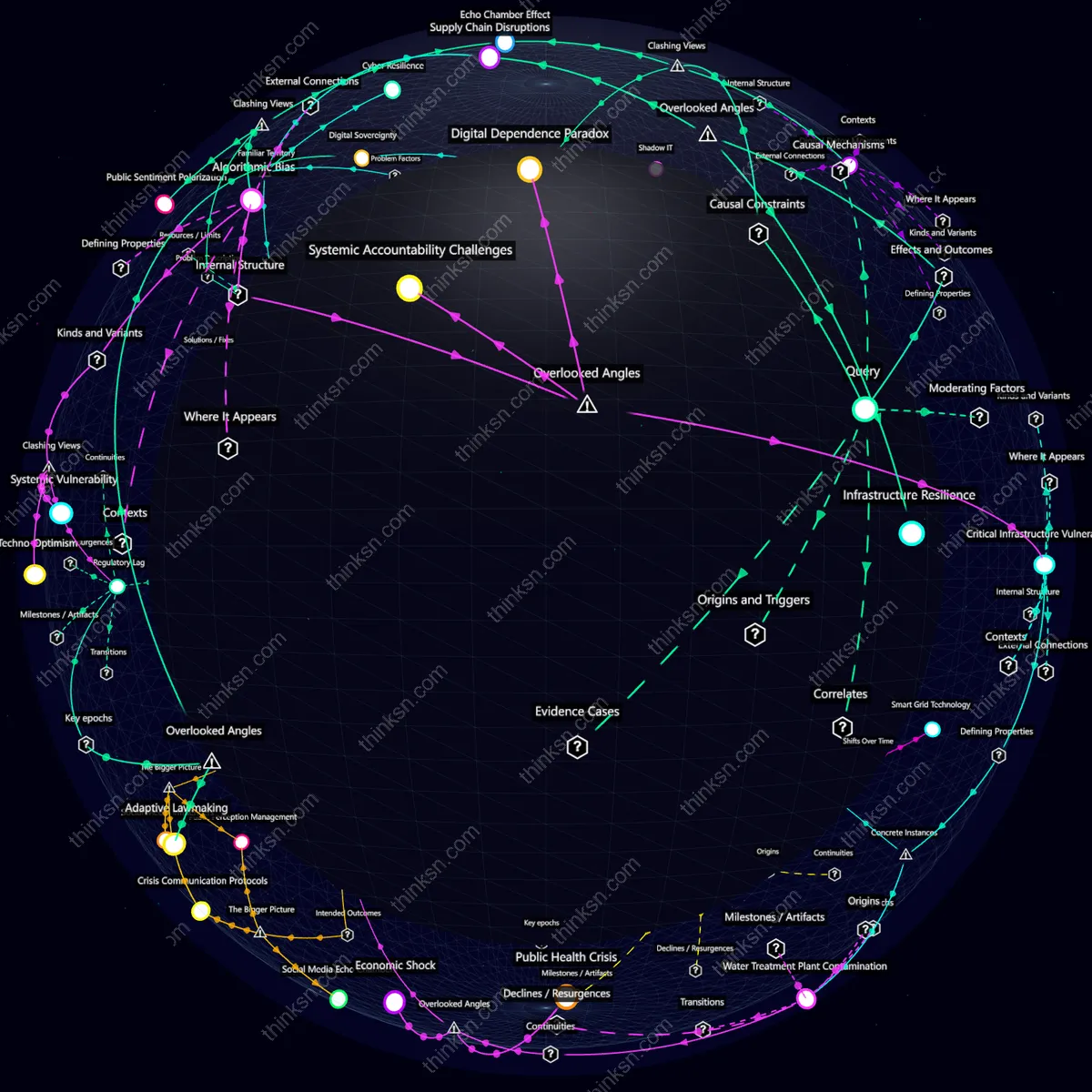
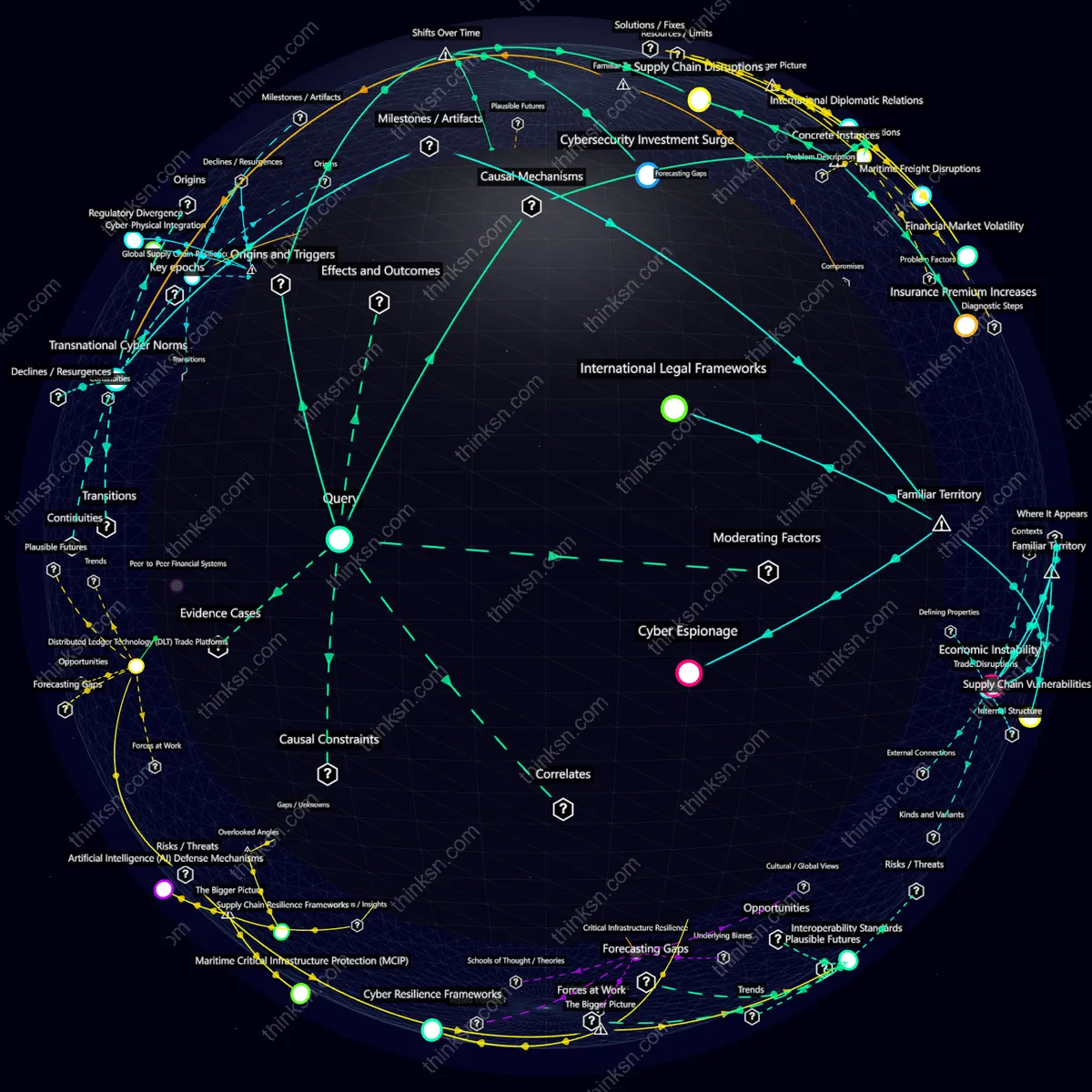
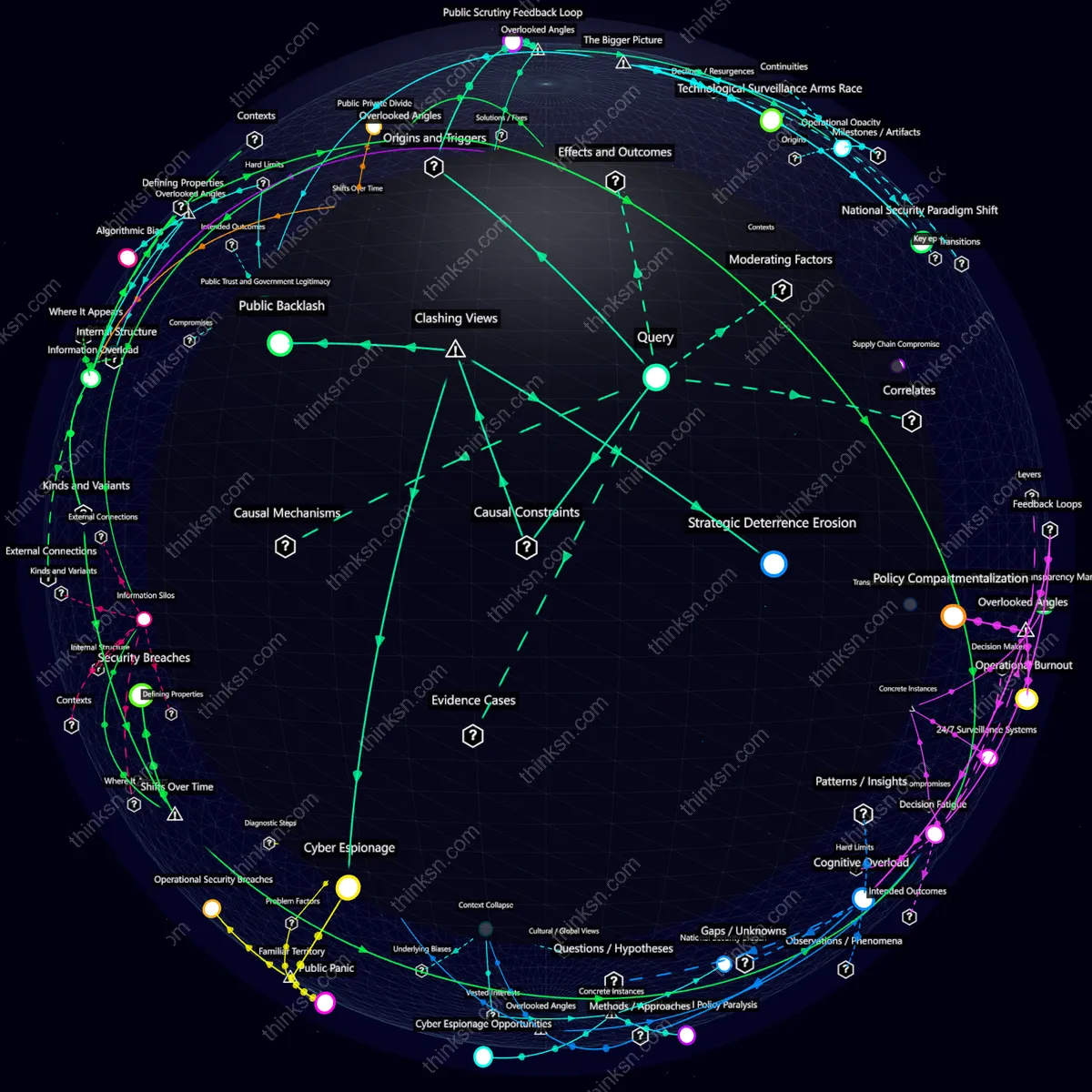
Analysis reveals 6 key thematic connections.
Key Findings
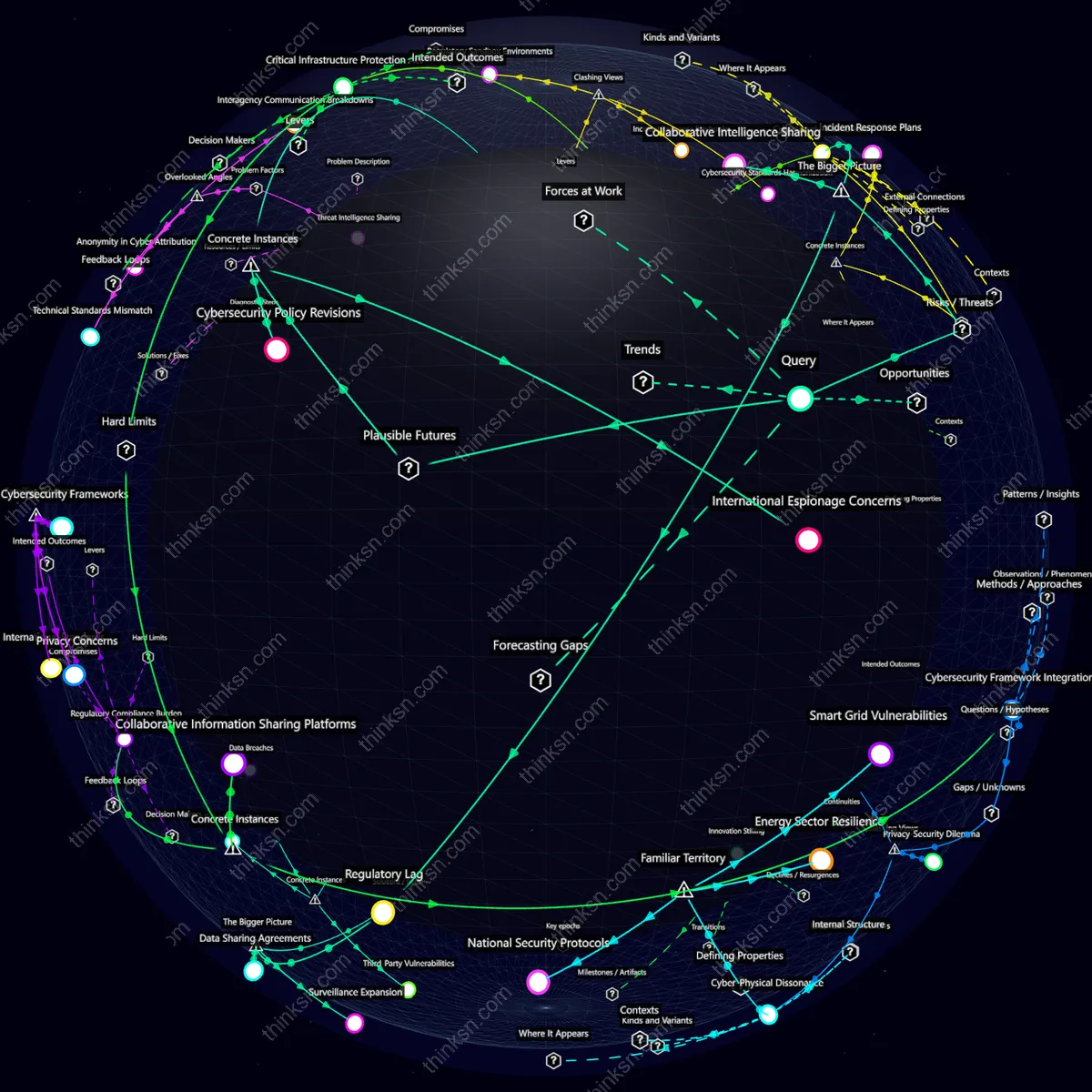
Cybersecurity Framework
The adoption of a robust cybersecurity framework by national security agencies can shift focus from reactionary measures to proactive threat intelligence and mitigation strategies, but it may also create dependency on outdated protocols if not regularly updated, potentially leaving smart grids and power plants vulnerable to sophisticated cyberattacks.
Regulatory Lag
The slow pace of regulatory updates in the energy sector can leave a significant gap between technological advancement and legal protections, exposing critical infrastructure to increased risk from external threats while internal systems are inadequately prepared for new attack vectors.
Collaborative Intelligence Sharing
Enhanced collaboration among national security agencies, private companies, and international partners can significantly improve the detection and response capabilities against cyberattacks on energy infrastructure. However, this reliance on information sharing networks also increases exposure to insider threats or espionage activities targeting sensitive intelligence.
Cybersecurity Policy Revisions
As sophisticated cyberattacks on smart grids and power plants increase, national security agencies will likely revise cybersecurity policies to mandate stricter access controls and encryption standards. However, this could also inadvertently create bureaucratic delays and compliance burdens that hinder innovation in the energy sector.
Public-Private Collaboration Initiatives
In response to rising threats, public-private collaboration initiatives may intensify to share threat intelligence and develop joint defensive strategies. Yet, such collaborations risk exposing sensitive corporate data to broader scrutiny, potentially leading to competitive disadvantages or intellectual property theft.
International Espionage Concerns
The increase in cyberattacks could escalate international espionage activities as nations seek to exploit vulnerabilities for strategic advantage. This may provoke retaliatory measures that endanger global energy security and stability, turning the digital domain into a new battleground for geopolitical conflicts.
Deeper Analysis
What are the key components and categories within a cybersecurity framework that national security agencies would utilize to respond to increased sophisticated cyberattacks on smart grids and power plants due to enhanced digital connectivity in the energy sector?
Threat Intelligence Sharing
Cybersecurity frameworks that incorporate threat intelligence sharing force national security agencies to build trust with private sector entities. This reliance on data exchange can be fragile, as breaches or leaks of shared information can undermine the framework's effectiveness and damage partnerships.
Incident Response Plans
Effective incident response plans are crucial but require constant updating to match evolving cyber threats. National security agencies often face trade-offs between resource allocation for proactive defense measures versus reactive incident responses, leading to a delicate balance that can be disrupted by new attack vectors.
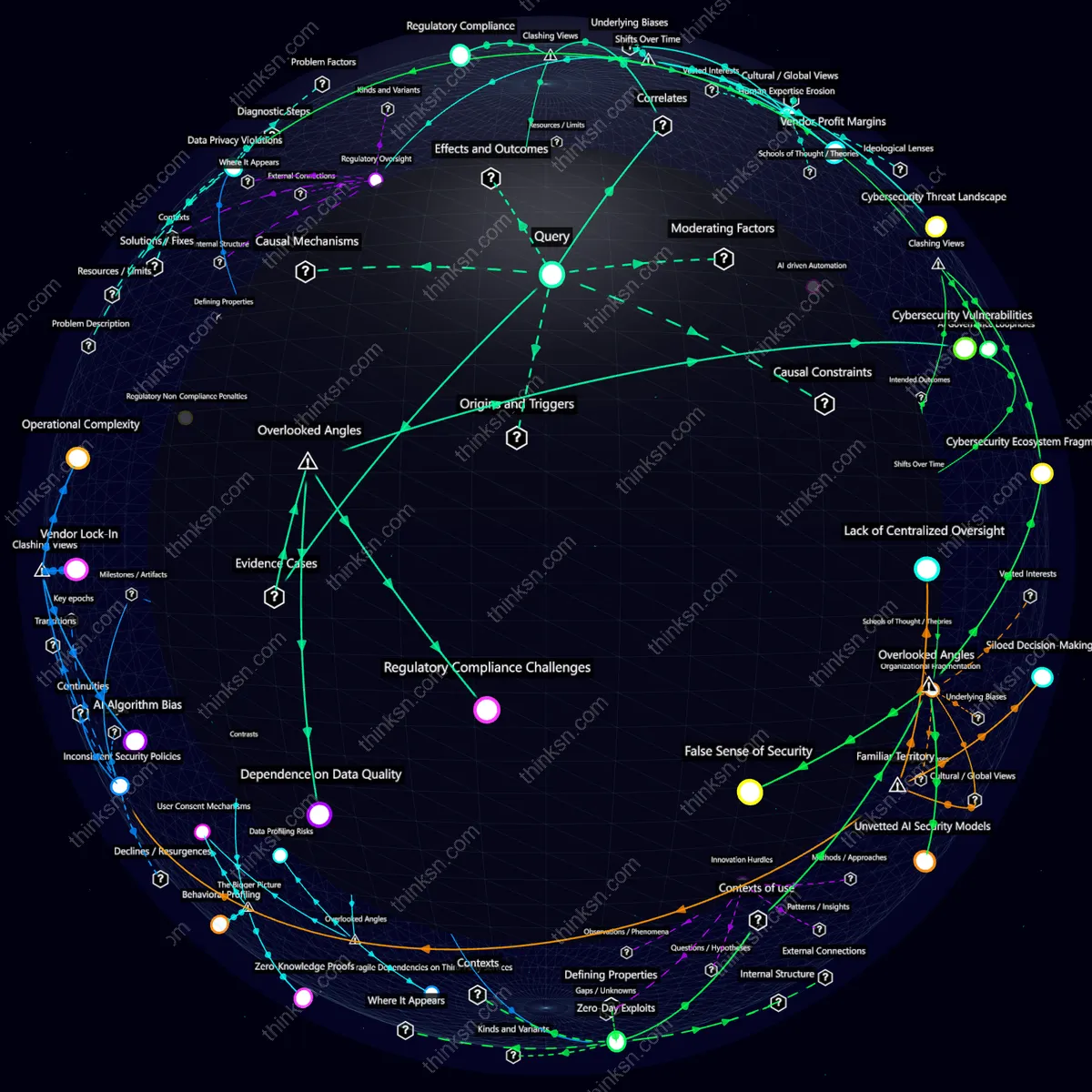
Regulatory Compliance
Cybersecurity frameworks tied to regulatory compliance create dependencies on evolving legal standards and bureaucratic processes. This reliance can lead to delays in implementing critical security measures, as agencies wait for policy updates or clearances from regulators, potentially leaving smart grids vulnerable.
Explore further:
- What are the potential systemic failures in threat intelligence sharing mechanisms within national security agencies when facing increased sophisticated cyberattacks on smart grids and power plants due to greater digital connectivity, and how can these be stress-tested?
- What are the key regulatory compliance requirements that national security agencies must enforce to protect smart grids and power plants from sophisticated cyberattacks in the context of increased digital connectivity?
What are potential public-private collaboration initiatives that could be formulated to enhance national security agencies' response strategies against sophisticated cyberattacks on smart grids and power plants due to increased digital connectivity in the energy sector?
Cybersecurity Standards Harmonization
Harmonizing cybersecurity standards between public utilities and private tech companies can enhance overall security posture. However, this initiative may face resistance from industry leaders who prioritize proprietary technology over shared protocols, risking fragmented implementation that undermines collective defense efforts.
Incident Response Playbooks
Development of joint incident response playbooks by national agencies and private companies fosters rapid, coordinated action during cyberattacks. Yet, such collaboration demands transparency and sharing sensitive information, posing risks to competitive advantage and intellectual property protection.
Regulatory Sandbox Environments
Creating regulatory sandboxes for testing new cybersecurity technologies in real-world scenarios can accelerate innovation but may also expose critical infrastructure prematurely to sophisticated cyber threats, leading to potential vulnerabilities if not properly managed.
What are the potential systemic failures in threat intelligence sharing mechanisms within national security agencies when facing increased sophisticated cyberattacks on smart grids and power plants due to greater digital connectivity, and how can these be stress-tested?
Interagency Communication Breakdowns
In the context of Threat Intelligence Sharing, inter-agency communication breakdowns can lead to fragmented response efforts and missed opportunities for coordinated defense against cyberattacks. This issue is exacerbated by competing bureaucratic priorities, leading to stove-piped data silos that hinder timely information exchange.
Anonymity in Cyber Attribution
The challenge of attributing cyberattacks due to anonymity online often results in delayed or ineffective threat intelligence sharing. This ambiguity undermines the trust necessary for agencies to share sensitive information, potentially leaving critical infrastructure exposed to sophisticated attacks.
Technical Standards Mismatch
Different national security agencies may employ varying technical standards and protocols, complicating Threat Intelligence Sharing efforts. This mismatch can lead to interoperability issues, delaying the dissemination of crucial threat data during rapidly evolving cyber incidents on smart grids and power plants.
What are the key regulatory compliance requirements that national security agencies must enforce to protect smart grids and power plants from sophisticated cyberattacks in the context of increased digital connectivity?
Cybersecurity Framework
The adoption of the NIST Cybersecurity Framework by utilities like PJM Interconnection in the U.S. highlights a shift from vague compliance to specific, actionable standards. However, this framework's reliance on voluntary implementation leaves gaps for smaller or less-resourced operators who may not fully comply, thereby creating systemic vulnerabilities.
Critical Infrastructure Protection Act
The CIPA’s requirement for enhanced cybersecurity measures in power plants and smart grids has led to increased funding and collaboration between government agencies and private sector companies. Yet, this act also introduces the risk of over-regulation, stifling innovation and flexibility in deploying new security technologies.
European Union Agency for Cybersecurity (ENISA)
ENISA's role in developing cybersecurity guidelines for smart grids across EU member states showcases a centralized approach to regulatory compliance. However, this centralization can be fragile if different national implementations vary widely or if new cyber threats emerge faster than regulations can adapt.
Explore further:
- How might the Critical Infrastructure Protection Act be amended to address new challenges posed by increased sophisticated cyberattacks on smart grids and power plants, considering potential strategies for national security agencies?
- What are the measurable systemic strains and potential failure points identified by ENISA in national security agencies' response to increased sophisticated cyberattacks on smart grids and power plants due to enhanced digital connectivity in Europe's energy sector?
How might the Critical Infrastructure Protection Act be amended to address new challenges posed by increased sophisticated cyberattacks on smart grids and power plants, considering potential strategies for national security agencies?
Cybersecurity Framework Integration
The act's emphasis on integrating a Cybersecurity Framework for smart grids and power plants highlights the need to balance rapid technological advancement with stringent security measures. However, this integration can strain existing infrastructure and operational capabilities, potentially leading to delays in implementation and increased costs.
Collaborative Information Sharing Platforms
The creation of collaborative information sharing platforms under the Act aims to enhance coordination between national security agencies and private sector entities. This initiative faces challenges such as data privacy concerns and conflicting priorities, which can hinder effective communication and response times during cyber incidents.
Regulatory Compliance Burden
The imposition of new compliance requirements for critical infrastructure protection under the Act imposes a significant regulatory burden on power plants and smart grid operators. While intended to bolster security, these measures can stifle innovation and operational flexibility, creating vulnerabilities if not carefully tailored to industry needs.
Explore further:
- What emerging insights can be gained from integrating cybersecurity frameworks into national security strategies to address sophisticated cyberattacks on smart grids and power plants?
- What strategies should national security agencies formulate to ensure regulatory compliance while addressing an increase in sophisticated cyberattacks on smart grids and power plants due to greater digital connectivity in the energy sector?
What are the measurable systemic strains and potential failure points identified by ENISA in national security agencies' response to increased sophisticated cyberattacks on smart grids and power plants due to enhanced digital connectivity in Europe's energy sector?
Cyber Resilience Framework
ENISA's Cyber Resilience Framework mandates stringent security measures for smart grids, yet it may inadvertently limit innovation and operational flexibility. As cybersecurity protocols become more rigid, energy companies face the risk of over-compliance, stifling technological advancement and real-time responsiveness to cyber threats.
Critical Infrastructure Protection
ENISA's focus on protecting critical infrastructure like power plants can lead to a false sense of security if it diverts attention from less obvious but equally vulnerable sectors. This tunnel vision might result in underinvestment in diverse defensive strategies, leaving systemic blind spots that could be exploited by sophisticated cyber adversaries.
Privacy vs. Security Trade-offs
ENISA's recommendations often involve collecting extensive data to enhance security measures for the energy sector, which raises significant privacy concerns among European citizens and businesses. This tension can create legal hurdles and public resistance that hinder effective implementation of cybersecurity policies across national borders.
What emerging insights can be gained from integrating cybersecurity frameworks into national security strategies to address sophisticated cyberattacks on smart grids and power plants?
Regulatory Overreach
The imposition of overly stringent cybersecurity regulations in the name of protecting national security can stifle innovation and increase operational costs for power plants, potentially driving smaller utilities out of compliance or into bankruptcy. This creates a paradox where strict adherence to frameworks may inadvertently weaken overall grid resilience by reducing diversity and competition.
Cyber-Physical Dissonance
Integrating cybersecurity frameworks with national security strategies often overlooks the unique vulnerabilities inherent in cyber-physical systems, such as SCADA networks. This dissonance can result in a mismatch between digital security measures and physical infrastructure needs, leaving critical components of smart grids exposed to sophisticated cyberattacks that exploit physical weaknesses.
Privacy-Security Dilemma
The push for comprehensive cybersecurity frameworks may necessitate increased data collection and monitoring within power plants and smart grid systems. This can conflict with user privacy rights, leading to public resistance or legal challenges that delay implementation of necessary security measures. The resulting tension between privacy concerns and security requirements undermines the effectiveness of integrated frameworks in safeguarding critical infrastructure.
Explore further:
- What strategies could national security agencies formulate to prevent regulatory overreach while effectively addressing an increase in sophisticated cyberattacks on smart grids and power plants due to greater digital connectivity in the energy sector?
- What is the static mapping of components and categories involved in cyber-physical dissonance within national security agencies' response to sophisticated cyberattacks on smart grids and power plants due to increased digital connectivity in the energy sector?
What strategies should national security agencies formulate to ensure regulatory compliance while addressing an increase in sophisticated cyberattacks on smart grids and power plants due to greater digital connectivity in the energy sector?
Cybersecurity Frameworks
The alignment between cybersecurity frameworks and regulatory compliance burdens can create a delicate balance. Too stringent regulations without flexibility can stifle innovation in rapidly evolving cyber threat landscapes, potentially leaving critical infrastructure like smart grids vulnerable to sophisticated attacks.
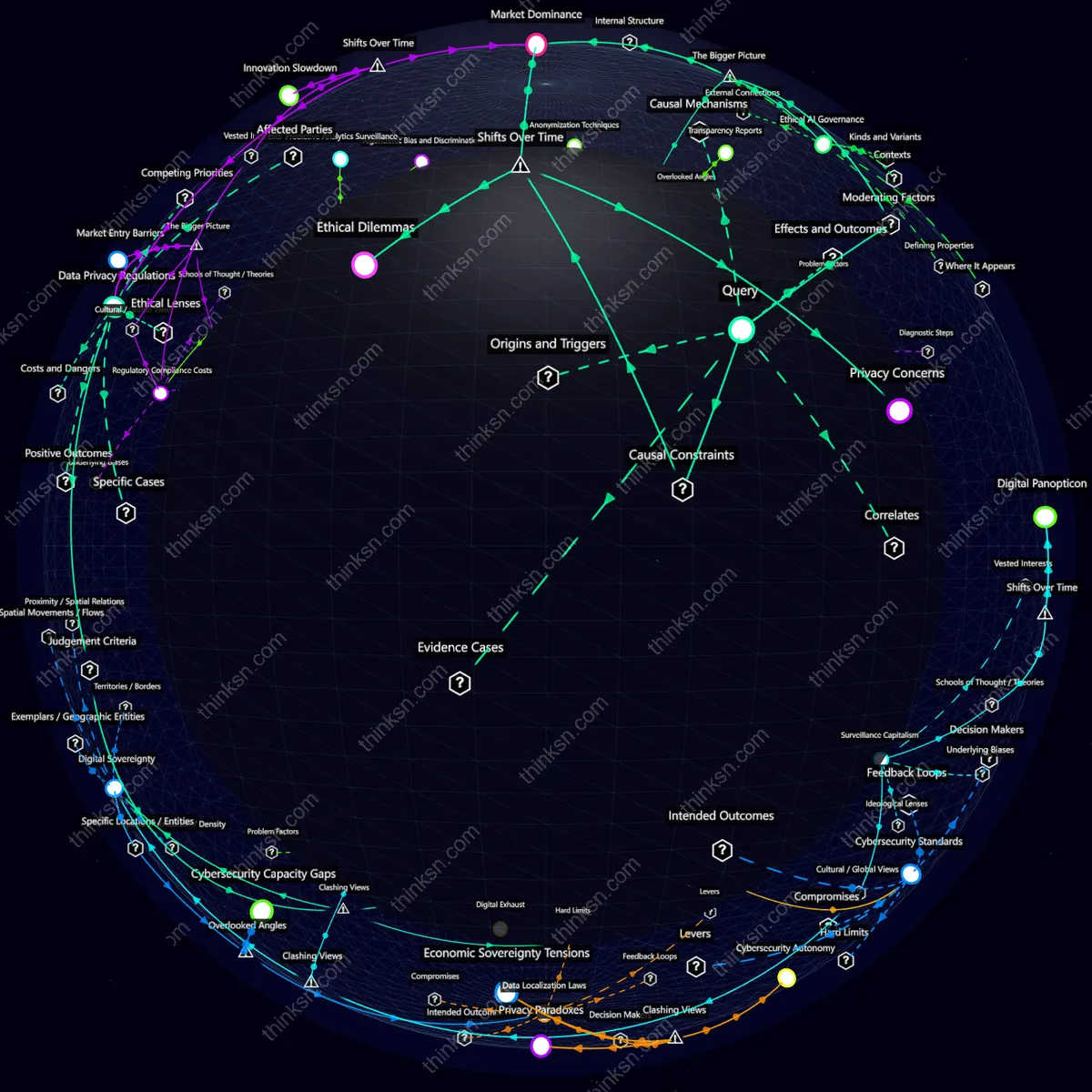
Privacy Concerns
As national security agencies implement stricter measures for regulatory compliance and cybersecurity, the tension with privacy concerns intensifies. Increased monitoring and data collection to ensure compliance can lead to public mistrust and legal challenges, highlighting a trade-off between security needs and individual rights.
International Standards
The adoption of international standards for regulatory compliance in digital connectivity poses unique challenges for national sovereignty. While aligning with global practices enhances interoperability and mutual support against cyber threats, it also risks undermining local autonomy and strategic interests, creating a complex interplay between security and independence.
What strategies could national security agencies formulate to prevent regulatory overreach while effectively addressing an increase in sophisticated cyberattacks on smart grids and power plants due to greater digital connectivity in the energy sector?
Privacy Erosion
Overzealous cybersecurity regulations can lead to extensive data collection from smart grid users, eroding their privacy. For example, the UK's National Cyber Security Centre directives for utilities may inadvertently compel companies to monitor and report on user behavior patterns, raising public concern over surveillance.
Innovation Stifling
Strict regulatory frameworks can hinder technological advancement by imposing rigid compliance requirements that discourage rapid prototyping and iterative development. The European Union's GDPR has faced criticism for slowing down the adoption of new IoT technologies in smart grid systems, where agility is crucial to combat evolving cyber threats.
Shadow IT
Excessive regulation can drive organizations to circumvent official policies through unofficial means, leading to a proliferation of shadow IT practices. For instance, energy companies may secretly employ unapproved software solutions or hardware that are quicker and more effective but also riskier in terms of security vulnerabilities.
Explore further:
- What are the potential privacy erosion risks and systemic pressures on national security agencies when responding to an increase in sophisticated cyberattacks targeting smart grids and power plants due to enhanced digital connectivity in the energy sector?
- How might innovation stifling in national security agencies evolve over time as a response to increasing sophisticated cyberattacks on smart grids and power plants due to greater digital connectivity in the energy sector?
What is the static mapping of components and categories involved in cyber-physical dissonance within national security agencies' response to sophisticated cyberattacks on smart grids and power plants due to increased digital connectivity in the energy sector?
Smart Grid Vulnerabilities
The integration of smart grids with digital systems creates a paradox where enhanced efficiency becomes a conduit for cyberattacks. National security agencies face a critical challenge in balancing the benefits of advanced grid technology against the heightened risk of dissonance between physical infrastructure stability and cybersecurity requirements, often leading to fragmented responses that exacerbate vulnerabilities.
Energy Sector Resilience
As digital connectivity expands within power plants and grids, ensuring resilience becomes a complex interplay of technology and security. The static mapping of components involved in cyber-physical dissonance highlights the precarious balance between maintaining operational efficiency and addressing cybersecurity threats, often resulting in trade-offs that compromise either grid reliability or defense mechanisms.
National Security Protocols
The response to sophisticated cyberattacks on critical energy infrastructure underscores a disconnect between traditional national security protocols and modern digital realities. This dissonance necessitates rapid adaptation of outdated systems, leading to delays in effective protection and increasing the likelihood of catastrophic failures due to inadequate coordination between cybersecurity measures and physical safeguards.
What are the potential privacy erosion risks and systemic pressures on national security agencies when responding to an increase in sophisticated cyberattacks targeting smart grids and power plants due to enhanced digital connectivity in the energy sector?
Data Breaches
Cyberattacks on smart grids often result in data breaches, exposing sensitive information about energy consumption patterns and personal habits. This exposes individuals to risks such as identity theft and targeted marketing, while also revealing potential vulnerabilities for further cyber exploitation.
Surveillance State
As national security agencies increase surveillance on power plants and grids to prevent cyberattacks, they often create a 'surveillance state' where citizens feel constantly monitored. This can lead to chilling effects on personal freedoms and political dissent, shifting societal norms towards more passive acceptance of government oversight.
Third-Party Vulnerabilities
Smart grids rely heavily on third-party software and hardware providers for their digital connectivity. When these vendors fail to maintain robust security measures, they become weak links in the chain. For instance, a compromised vendor's system can lead to widespread data leaks and operational disruptions across multiple critical infrastructures.
Surveillance Expansion
The need to monitor smart grids and power plants intensively for security purposes can lead national agencies to expand surveillance on a broader scale, capturing not just malicious activities but also the digital footprints of ordinary citizens. This broadening of surveillance risks eroding privacy as data collection becomes more pervasive and less targeted.
Data Sharing Agreements
As cyber threats become more sophisticated, national security agencies may enter into extensive data sharing agreements with private sector firms to enhance threat intelligence and response capabilities. However, these collaborations can introduce new vulnerabilities through increased exposure of sensitive information across multiple organizations, each with varying levels of privacy protection.
Regulatory Lag
The rapid pace of technological advancement in the energy sector often outstrips regulatory frameworks designed to protect individual privacy. This lag creates a systemic pressure where agencies must navigate complex legal landscapes while addressing immediate security threats, potentially leading to overreach or inadequate safeguards against privacy erosion.