Impact of Luxury Carmakers Shift to Affordable Electric Cars on Prestige-Driven Customers
Analysis reveals 6 key thematic connections.
Key Findings
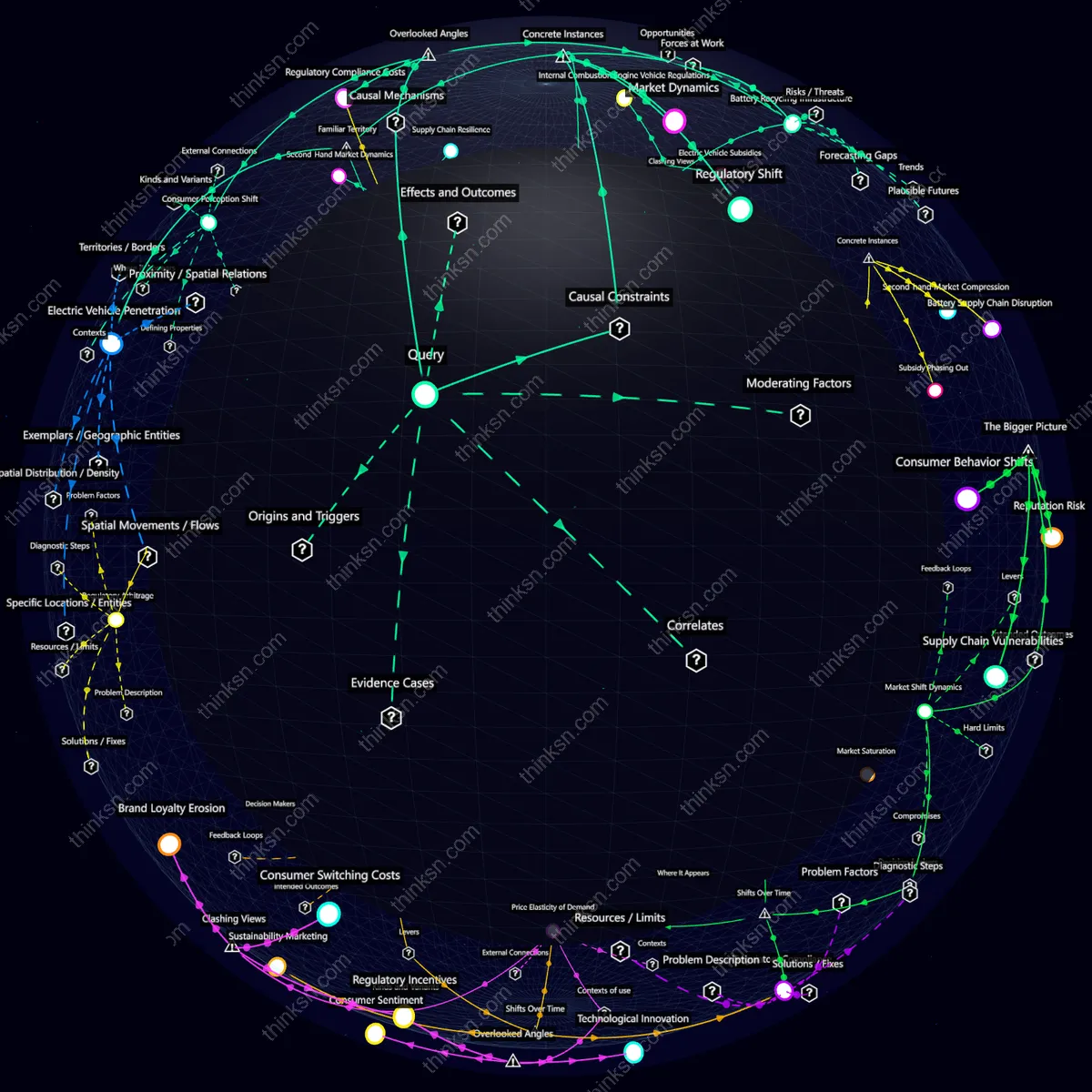
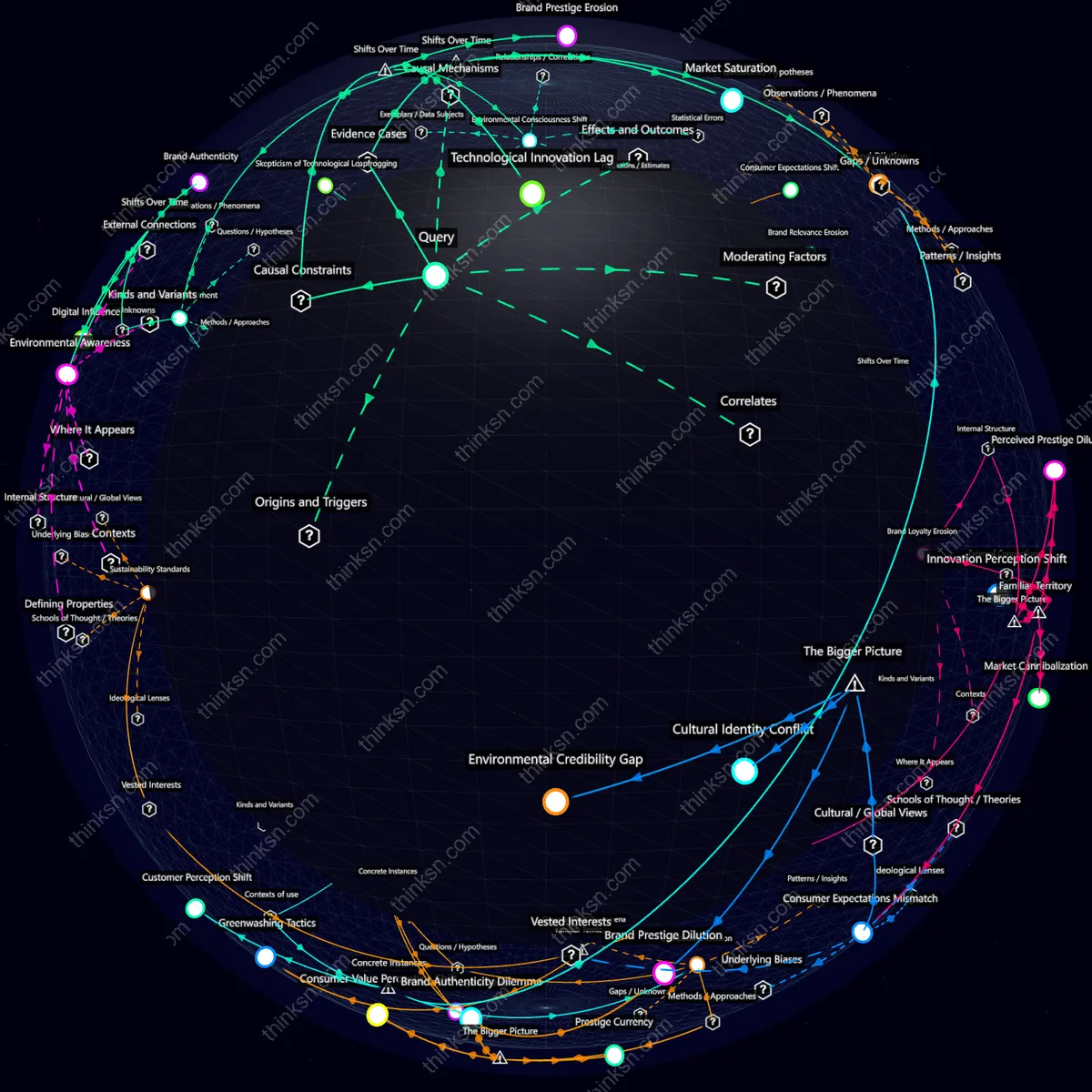
Brand Prestige Erosion
Introducing electric cars across all price points may dilute the luxury brand's prestige among high-end customers who value exclusivity and rarity. As more affordable models enter the market, these customers might perceive the brand as less elitist, potentially leading to a decline in their loyalty due to diminished perceived status.
Technological Innovation Lag
If competitors quickly adopt advanced electric vehicle technologies, luxury brands risk losing their technological edge and associated prestige. High-end customers may shift allegiance to newer entrants with cutting-edge features, undermining the established brand's unique selling proposition of being at the forefront of automotive innovation.
Environmental Consciousness Shift
As societal attitudes towards environmental sustainability evolve, luxury car owners might prioritize eco-friendly attributes over traditional markers of status like exclusivity. This shift could weaken the perceived value of high-end models that do not fully embrace electric technology, potentially eroding loyalty among those who remain committed to conventional notions of prestige.
Brand Dilution
Expanding into lower price points with electric cars can dilute a luxury brand's prestige and exclusivity. High-end customers may perceive this as the brand moving away from its core values, leading to decreased loyalty and potential exodus to more niche or traditional luxury brands.
Market Saturation
As electric cars become ubiquitous across all price points, a luxury brand's high-end segment risks market saturation. This could lead to diminishing returns on investment in R&D for innovative technologies and features that once set them apart, ultimately eroding their competitive edge and customer loyalty.
Consumer Sentiment
The introduction of electric cars at various price points can shift consumer sentiment towards sustainability as a critical factor for prestige. Luxury brands must navigate this by emphasizing the unique eco-friendly credentials of their high-end models, or risk alienating customers who value both luxury and environmental responsibility.
Deeper Analysis
What are the emerging consumer sentiments and hidden assumptions regarding luxury car brand loyalty when electric cars become available at all price points?
Skepticism of Technological Leapfrogging
The rapid transition towards electric vehicles has sparked skepticism among certain segments of luxury car consumers about the durability and reliability of battery technology compared to conventional engines. This skepticism may slow down adoption rates, especially if new models are perceived as untested or overly ambitious in their leapfrogging approach.
Perceived Value Shift
Emerging consumer sentiments suggest a shift from purely material value (luxury materials and performance) to experiential value (sustainability, comfort, and technology integration). This shift challenges luxury brands' traditional models of brand loyalty, as consumers increasingly prioritize intangible benefits over tangible ones, potentially leading to fragmented market preferences.
Environmental Awareness
As environmental awareness grows, luxury car brands risk alienating a segment of consumers who prioritize eco-friendliness over status symbols. This shift forces brands to innovate sustainably or face diminishing brand loyalty.
Brand Authenticity
Hidden assumptions about brand authenticity are challenged as electric cars become mainstream, potentially leading luxury car brands to emphasize heritage and exclusivity to maintain a distinct market position amid increasing competition from tech-savvy startups.
Digital Influence
The rise of digital influence and social media platforms amplifies the impact of consumer reviews and influencer endorsements, creating fragile dependencies on online reputation management for luxury car brands looking to retain loyalty in a crowded market.
Explore further:
- How might the introduction of electric cars across all price points alter the perceived value shift in luxury brand high-end customers over time, and what mechanisms drive this evolution?
- How does environmental awareness among consumers impact the market position and loyalty of a luxury brand's high-end customers when electric cars are offered across all price points?
How might the introduction of electric cars across all price points alter the perceived value shift in luxury brand high-end customers over time, and what mechanisms drive this evolution?
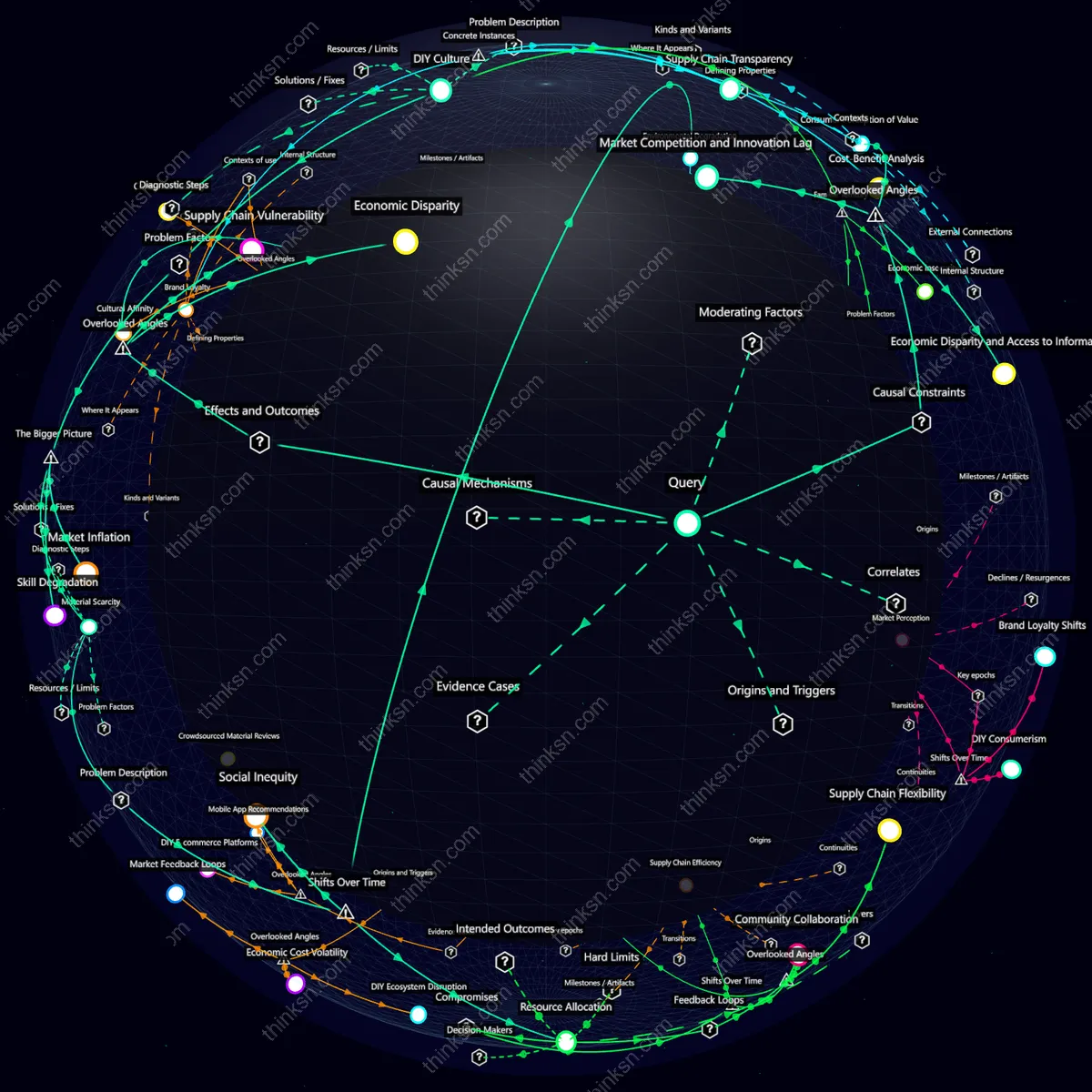
Brand Loyalty Erosion
The introduction of electric cars across price points challenges long-standing brand loyalty in luxury segments. High-end customers, once staunchly loyal to traditional brands, now perceive newer electric models as offering superior technology and sustainability, leading to a shift away from established luxury names towards emerging eco-friendly alternatives.
Sustainability Standards
As electric cars become more prevalent, luxury brand high-end customers increasingly prioritize sustainability standards in their purchasing decisions. This shift not only pressures traditional manufacturers to adopt greener technologies but also highlights the fragility of brands that fail to adapt, risking alienation from an environmentally conscious consumer base.
Brand Relevance Erosion
The proliferation of electric vehicles (EVs) across all price points may erode the perceived exclusivity and relevance of luxury brands among high-end customers. This shift can lead to a dilution of brand cachet, with luxury automakers struggling to differentiate themselves from mass-market EV models in terms of technology and environmental impact.
Consumer Expectations Shift
As electric cars become more prevalent and advanced, consumer expectations regarding performance, sustainability, and technological sophistication increase. This can create pressure on luxury brands to innovate rapidly or risk losing customer loyalty to new entrants that offer cutting-edge features without the traditional luxury brand heritage.
Market Fragmentation
The introduction of electric vehicles at various price points could lead to market fragmentation, as segments emerge based on specific needs and preferences. Luxury brands might face a delicate balancing act in maintaining their premium status while appealing to eco-conscious consumers who prioritize sustainability over traditional luxury indicators like brand name or vehicle performance.
Explore further:
- How might luxury brands' high-end customers perceive electric cars as a symbol of sustainability, and how could this perception impact their loyalty to brands that prioritize prestige over environmental standards?
- How might market fragmentation due to electric cars at various price points impact the spatial distribution and loyalty of a luxury brand's high-end customers who prioritize prestige?
How might luxury brands' high-end customers perceive electric cars as a symbol of sustainability, and how could this perception impact their loyalty to brands that prioritize prestige over environmental standards?
Greenwashing Tactics
Luxury brands may use greenwashing tactics to appear sustainable without fundamentally changing their business practices. This can mislead high-end customers who prioritize sustainability, leading them to invest in superficially eco-friendly products that do not significantly reduce environmental impact.
Corporate Social Responsibility (CSR)
High-end customers may demand more stringent CSR initiatives from luxury brands if they perceive electric cars as a significant marker of sustainability. This pressure can force brands to balance prestige with genuine environmental commitment, potentially risking their traditional customer base that values exclusivity over eco-friendliness.
Brand Loyalty Erosion
If luxury brands fail to align with evolving sustainability standards, high-end customers might defect to competitors offering both prestige and environmental responsibility. This shift can erode brand loyalty among a traditionally loyal customer base, highlighting the delicate balance between maintaining exclusivity and embracing sustainability.
Explore further:
- What CSR strategies can a luxury brand implement to maintain high-end customer loyalty when expanding into electric cars across all price points?
- What is the static mapping of components, categories, and relationships that illustrate how offering electric cars across all price points could lead to brand loyalty erosion among high-end customers who value prestige for a luxury brand?
How might market fragmentation due to electric cars at various price points impact the spatial distribution and loyalty of a luxury brand's high-end customers who prioritize prestige?
Customer Segmentation
Market Fragmentation due to electric cars creates distinct segments based on price points and preferences for eco-friendliness. Luxury brands must navigate this by offering limited edition, high-end EV models that preserve the prestige factor but also cater to early adopters without diluting brand value, risking alienating loyalists who prioritize exclusivity.
Brand Loyalty Erosion
Fragmentation can lead luxury brands to lose touch with their core high-end customer base as they adapt to new segments. This shift may inadvertently attract less loyal customers seeking status symbols rather than long-term brand identity, weakening the emotional and financial ties that sustain a luxury brand's elite clientele.
Geographic Market Isolation
As electric car adoption varies across regions due to policy support and infrastructure availability, luxury brands face challenges in maintaining a consistent market presence. Urban areas with robust EV policies might see increased competition from local upstarts, isolating traditional luxury brand loyalists who prefer their global reach and heritage.
What is the static mapping of components, categories, and relationships that illustrate how offering electric cars across all price points could lead to brand loyalty erosion among high-end customers who value prestige for a luxury brand?
Perceived Prestige Dilution
As a luxury brand expands its electric car offerings to all price points, the perceived prestige and exclusivity associated with high-end models dilutes. High-net-worth individuals may start viewing the brand as less exclusive or avant-garde, leading them to seek out niche brands that better align with their desire for elite status.
Market Segmentation Conflict
Offering electric cars across all price points can create internal conflicts within a luxury brand's marketing and sales teams. Those responsible for high-end models may struggle to maintain the distinctiveness of these vehicles in the eyes of discerning buyers, who are sensitive to product proliferation that blurs lines between segments.
Innovation Perception Shift
When a luxury brand prioritizes mass-market electric car production over cutting-edge innovation for its high-end segment, potential customers may perceive this shift as a move away from the brand's historical commitment to technological leadership and exclusivity. This perception can erode long-term loyalty among existing affluent clientele who value forward-thinking design and technology.
Market Cannibalization
Introducing electric vehicles at various price points might cannibalize sales of higher-end models within the same brand. This internal competition can fragment customer bases and confuse brand positioning, weakening overall loyalty among high-end buyers who seek distinctive prestige products.
Consumer Expectations Mismatch
When a luxury brand begins to offer electric cars at lower price points, it risks creating consumer expectations that the brand will continue to expand its affordable offerings. If these expectations are not met with consistent product lines, high-end customers may feel let down and turn to competitors who better align their premium identity with market realities.
Explore further:
- What is the impact of market segmentation conflict on luxury brand customer loyalty when electric cars are offered across all price points?
- What are potential consumer expectations mismatches when a luxury brand introduces electric cars across all price points, and how might these affect the perception and loyalty of high-end customers who prioritize prestige?
What is the impact of market segmentation conflict on luxury brand customer loyalty when electric cars are offered across all price points?
Brand Dilution
When luxury brands offer electric cars across all price points without clear market segmentation, they risk brand dilution. This can alienate loyal high-end customers who expect exclusivity and premium quality, leading to decreased customer loyalty and potential loss of the brand's unique selling proposition.
Customer Perception Shift
A shift in customer perception occurs when a luxury brand markets electric vehicles at various price points. This blurring of lines between luxury and mass-market segments can confuse consumers, causing them to question the brand's commitment to exclusivity and premium status, thus undermining long-term customer loyalty.
Competitive Erosion
Market segmentation conflict in the electric vehicle sector can lead to competitive erosion for luxury brands. As they cater to a broader market, traditional competitors who maintain strict segmentation may capture high-end customers seeking authentic luxury experiences, thereby diminishing the luxury brand's market share and customer loyalty.
Explore further:
- What are the potential emerging insights and hidden assumptions about brand dilution when a luxury car manufacturer offers electric vehicles at various price points, considering the impact on high-end customers' perception of prestige?
- What are potential emerging insights into how competitive erosion from electric car offerings across all price points might be perceived by luxury brand high-end customers valuing prestige?
What are potential consumer expectations mismatches when a luxury brand introduces electric cars across all price points, and how might these affect the perception and loyalty of high-end customers who prioritize prestige?
Brand Prestige Dilution
Introducing electric cars across all price points can dilute the brand's prestige and exclusivity among high-end customers, who may feel that their luxury status is being undermined by accessibility. This shift could lead to a decline in customer loyalty as these consumers seek more exclusive alternatives.
Cultural Identity Conflict
In non-Western markets with strong traditional values and religious beliefs tied to material wealth, such as India or the Middle East, luxury brands may face resistance if electric cars are perceived as a departure from established cultural norms. This could exacerbate consumer skepticism and weaken brand loyalty among local elites who prioritize conspicuous consumption.
Environmental Credibility Gap
While environmental concerns are growing globally, introducing electric vehicles across all price points might create a credibility gap for luxury brands that have historically been associated with high-performance combustion engines. This shift could alienate conservative buyers who view such changes as an overemphasis on eco-friendliness at the expense of performance and heritage.
What are potential emerging insights into how competitive erosion from electric car offerings across all price points might be perceived by luxury brand high-end customers valuing prestige?
Brand Prestige Dilution
As electric car offerings spread across all price points, luxury brands risk diluting their prestige among high-end customers. For example, Tesla's entry into the market with models like the Model S challenged long-standing perceptions of brand exclusivity, potentially undermining traditional luxury automakers' reputations for unparalleled quality and status.
Consumer Perception Shift
The increasing availability of high-quality electric vehicles at lower price points could shift consumer perception towards valuing performance over status. A case in point is the rapid adoption of premium EVs like the Porsche Taycan, which has forced luxury brands to prove that their cars offer more than just a badge on a bonnet.
Market Fragmentation
Emerging electric car manufacturers are fragmenting the market by appealing directly to eco-conscious consumers who prioritize innovation and sustainability over brand legacy. This trend is exemplified by brands like Lucid Motors, which target affluent buyers looking for cutting-edge technology without the traditional luxury brand markup.
Prestige Currency
As electric cars erode the traditional luxury market by offering high-end features and performance, prestige currency becomes more volatile. High-end customers may perceive their brand loyalty as a risky bet, leading to fragmented allegiances and a scramble for brands that can still deliver exclusivity.
Brand Authenticity Dilemma
Electric cars challenging luxury automakers force high-end brands into an authenticity dilemma. To stay relevant, they must innovate but risk diluting their heritage. This tension could alienate traditionalists while failing to attract tech-savvy consumers, complicating the brand's identity and market positioning.
Consumer Value Perception Shift
The rise of electric car offerings at all price points shifts consumer value perception from luxury status symbols to technological innovation. This change could undermine long-held assumptions about what defines a high-end vehicle, making it harder for traditional luxury brands to maintain their premium positioning without significant reinvention.