Prioritizing Green Spaces Over Public Transport in City Plan
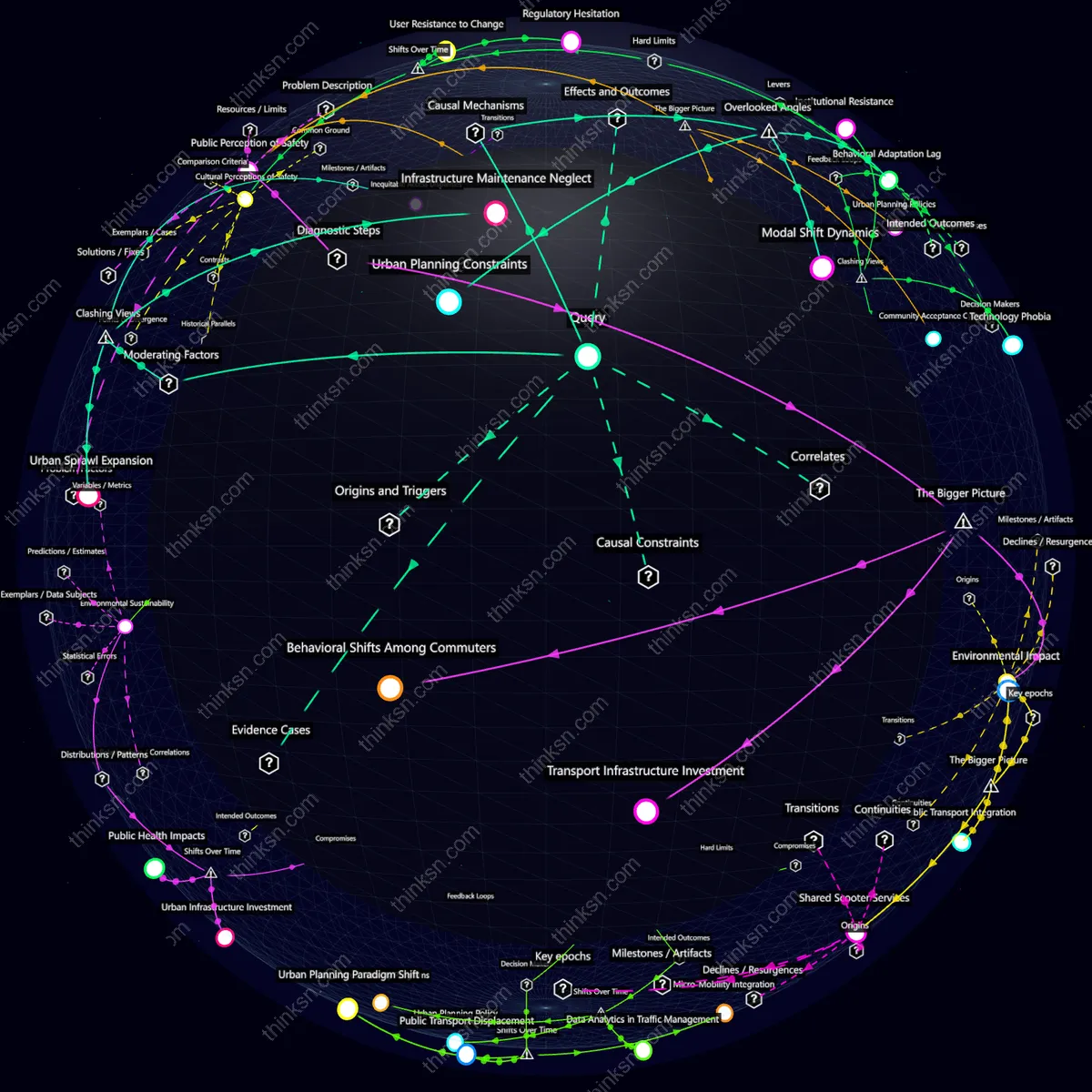
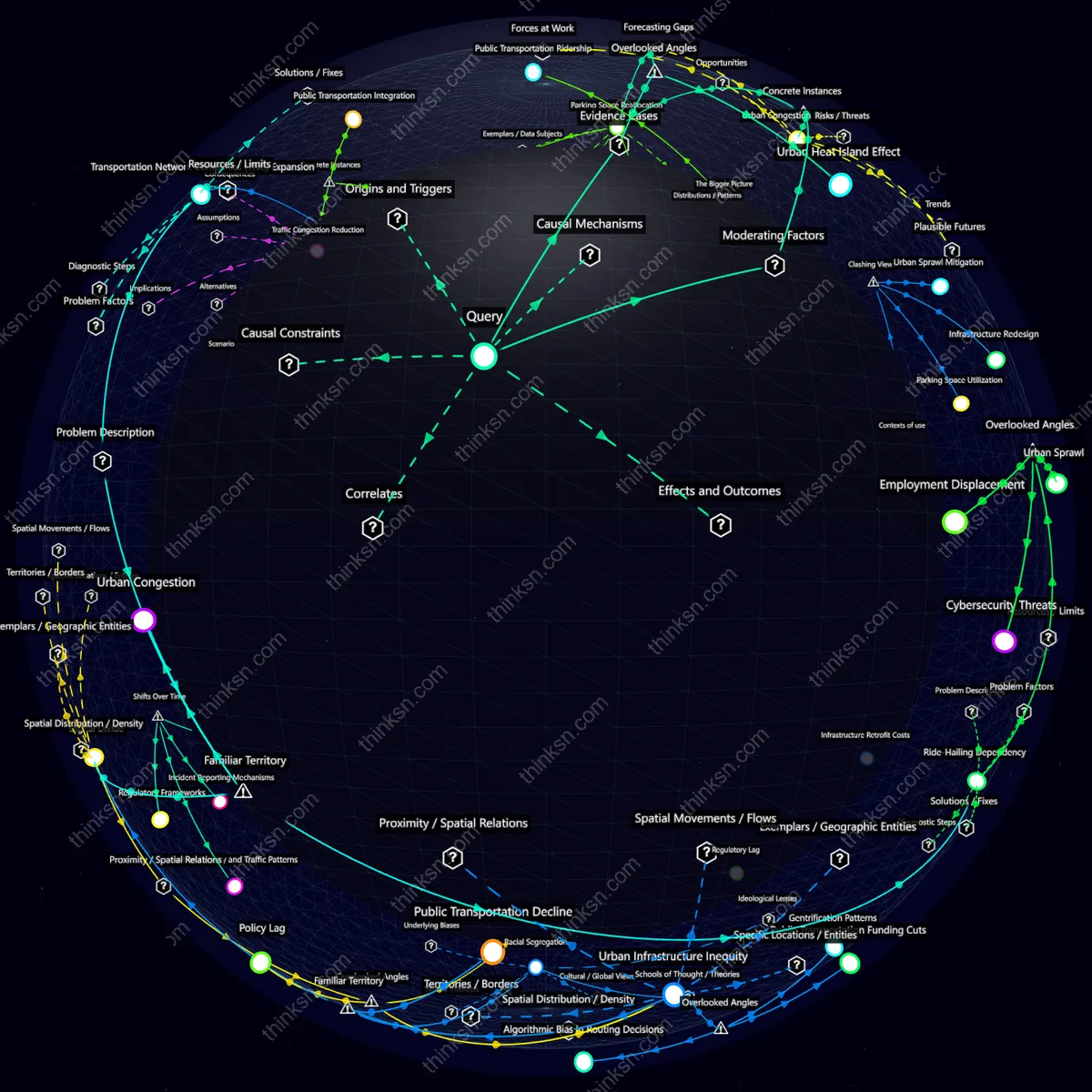
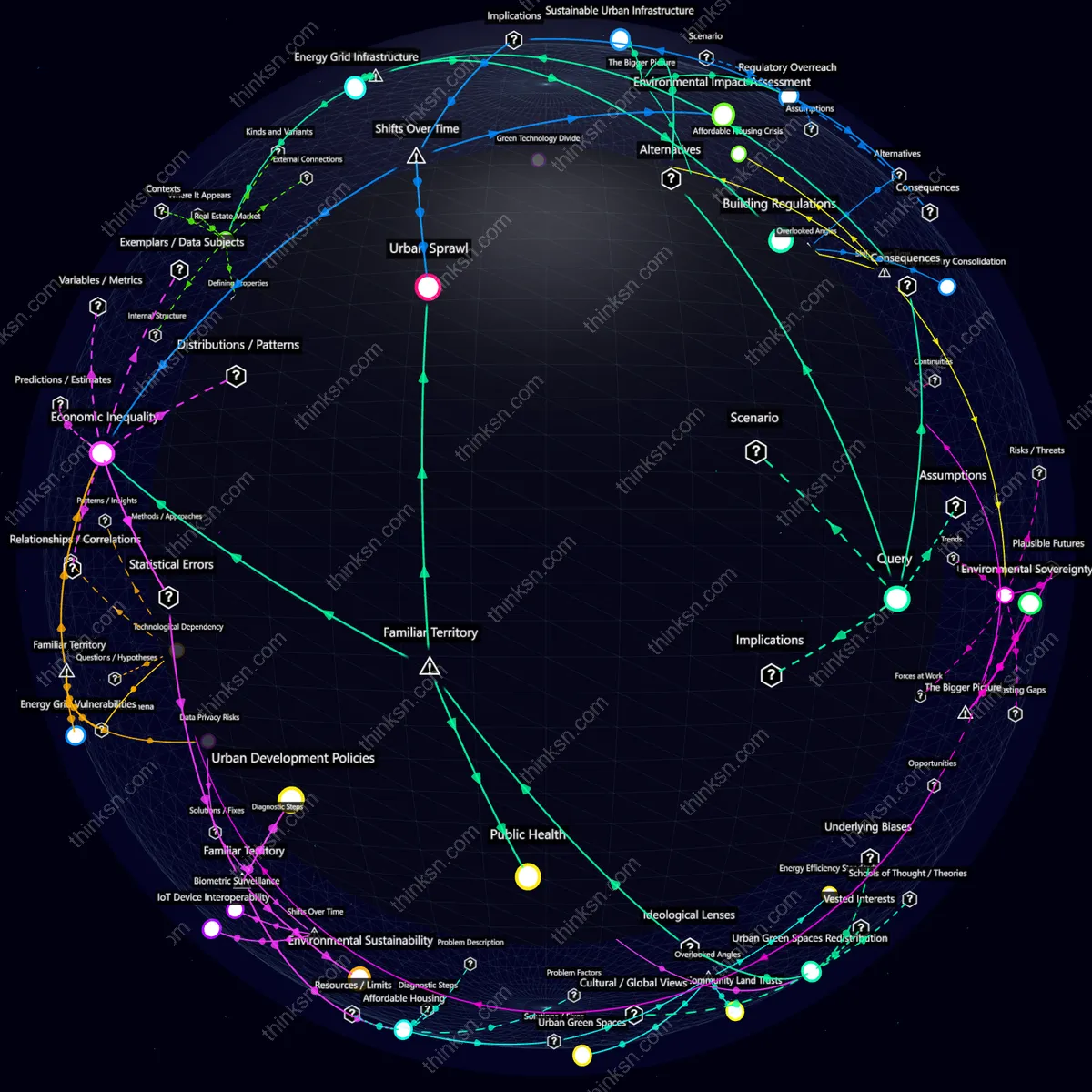
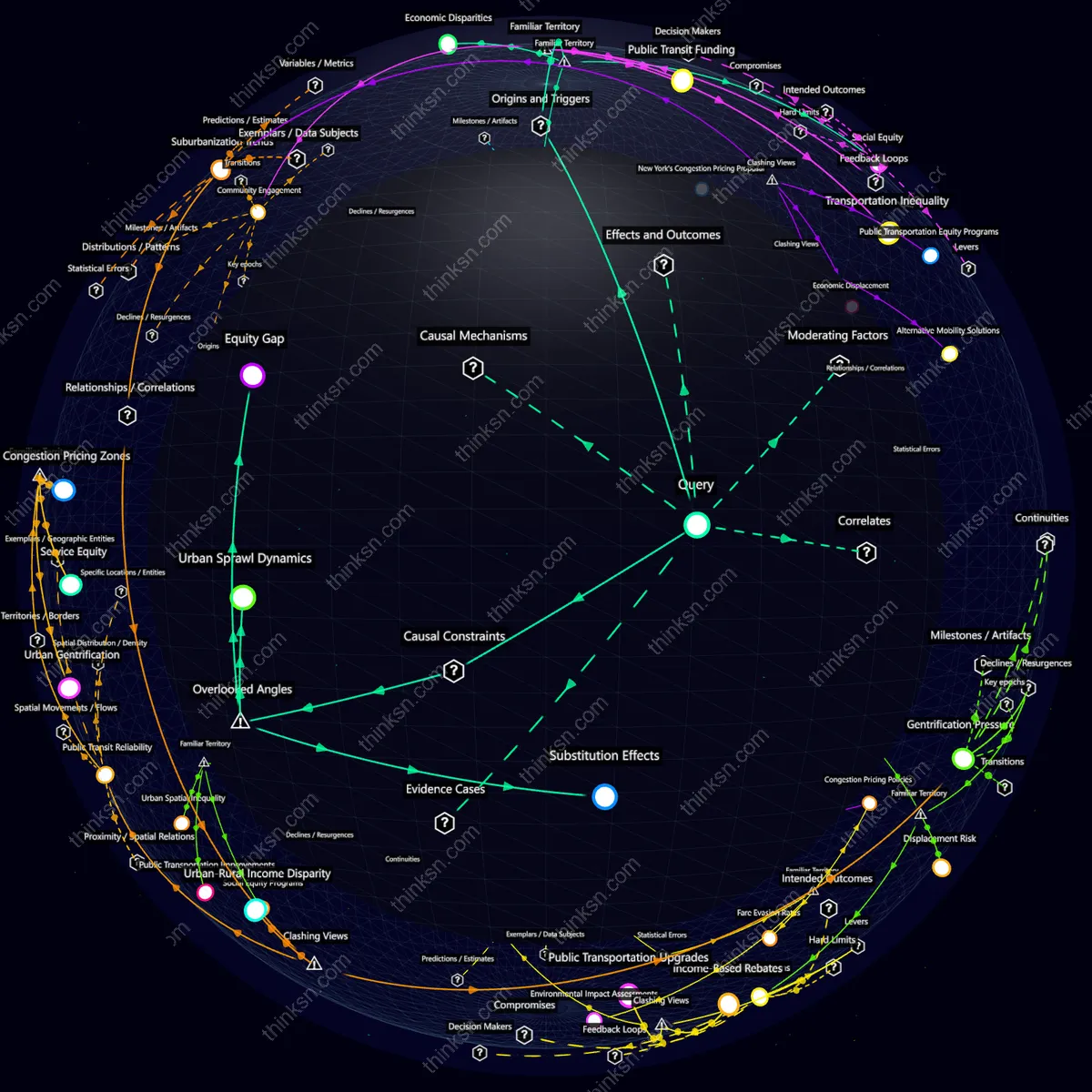
Analysis reveals 6 key thematic connections.
Key Findings
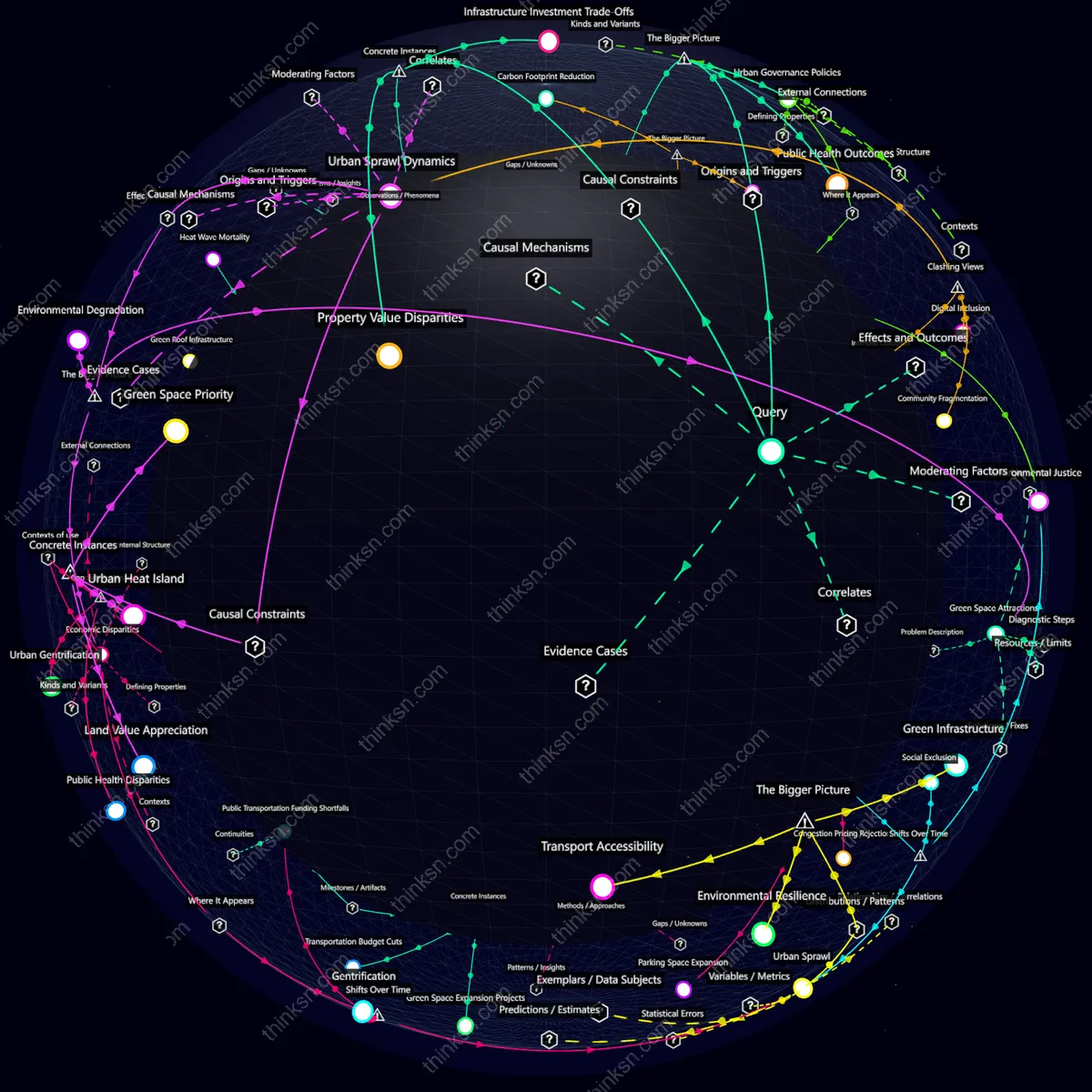
Environmental Sustainability
Prioritizing urban green spaces over public transportation can enhance local biodiversity and mitigate heat island effects. However, this may divert funds from essential infrastructure projects like buses and trains, exacerbating traffic congestion and air pollution in the long run.
Public Health Outcomes
Green spaces contribute to mental health benefits by providing areas for recreation and relaxation. Yet, neglecting public transportation can limit mobility options for low-income residents, isolating them from healthcare services and job opportunities, thus widening socio-economic disparities.
Urban Governance Policies
City planners may justify green space investments as a response to citizen demands for more nature in urban settings. However, this policy shift could undermine the political will needed to address pressing transportation needs, leading to governance conflicts and delayed infrastructure improvements.
Urban Heat Island Effect
Prioritizing green spaces over public transportation can mitigate urban heat islands by increasing vegetation coverage. However, this shift may exacerbate traffic congestion and pollution due to increased car usage for commuting, highlighting a trade-off between immediate environmental benefits and long-term sustainability goals.
Property Value Disparities
Green spaces can boost property values in urban areas, potentially attracting higher-income residents. This leads to gentrification pressures, pushing out lower-income populations who rely on affordable housing near public transit hubs. The unintended consequence is socioeconomic segregation and reduced access to essential services for marginalized groups.
Infrastructure Investment Trade-Offs
City planners must decide between investing in expansive green corridors versus robust public transportation networks, each with its own set of benefits and drawbacks. Overemphasis on green spaces can lead to underinvestment in critical transport infrastructure, hampering economic development and mobility for residents.
Deeper Analysis
What emerging insights and hidden assumptions are revealed when considering environmental sustainability in prioritizing urban green spaces over public transportation in city planning?
Biodiversity Preservation
Prioritizing urban green spaces over public transportation can enhance biodiversity by providing habitats for various species. However, this approach may inadvertently neglect the needs of lower-income residents who rely on efficient transit systems to access employment and education opportunities.
Carbon Footprint Reduction
Urban planners focusing on green space creation might underestimate the carbon footprint reduction benefits of robust public transportation networks. Expanding park areas can attract more cars for maintenance, while underfunded transit could lead to increased personal vehicle use and higher emissions.
What are the implications of urban governance policies prioritizing green spaces over public transportation for city planning and development?
Environmental Justice
Prioritizing green spaces over public transportation can exacerbate environmental justice issues by disproportionately benefiting affluent neighborhoods with access to both amenities while lower-income areas suffer from neglected public transit infrastructure, leading to increased social inequality.
Urban Heat Island Effect
While green spaces help mitigate the urban heat island effect, neglecting public transportation investment can increase car dependency and sprawl, paradoxically contributing to higher overall energy consumption and carbon emissions due to longer commutes and inefficient land use patterns.
Social Isolation
Urban governance policies that favor green spaces over public transportation may inadvertently foster social isolation in densely populated urban cores where residents rely on public transit for community engagement, as reduced service frequency or coverage can limit mobility and access to essential services and social networks.
Explore further:
- What are the potential impacts on urban heat island effects when prioritizing green spaces over public transportation in city planning?
- What are potential strategies to mitigate social isolation in urban areas where prioritizing green spaces over public transportation has led to reduced access to essential services and community centers?
What are the potential impacts on urban heat island effects when prioritizing green spaces over public transportation in city planning?
Green Roof Infrastructure
The prioritization of green roof infrastructure over public transportation can lead to a significant reduction in urban heat island effects by increasing vegetation cover and enhancing local microclimates. However, this shift may divert substantial funding from expanding essential transit networks, potentially exacerbating social inequalities as less affluent neighborhoods might lack both adequate transport options and cool spaces.
Heat Wave Mortality
Increased emphasis on green spaces over public transportation can lower heat wave mortality rates by creating cooler urban environments. Yet, this strategy may overlook the critical role of efficient public transit in connecting vulnerable populations to emergency services during extreme weather events, thereby risking delayed responses and higher mortality among isolated communities.
Urban Sprawl Expansion
While prioritizing green spaces over public transportation might initially curb urban heat island effects through enhanced cooling capacities of parks and gardens, it can paradoxically fuel urban sprawl by making remote areas more attractive for residential development. This expansion often leads to fragmented city landscapes that are less amenable to efficient public transit systems, thus undermining long-term sustainability goals.
What are potential strategies to mitigate social isolation in urban areas where prioritizing green spaces over public transportation has led to reduced access to essential services and community centers?
Community Fragmentation
Prioritizing green spaces over public transportation in urban areas can exacerbate community fragmentation by isolating residents from essential services and community centers, especially for low-income individuals who rely on public transit. This shift may lead to a paradox where increased greenery promotes environmental well-being but simultaneously deepens social isolation due to reduced connectivity.
Digital Inclusion
While urban planning focuses on physical green spaces, digital inclusion becomes crucial for mitigating social isolation in areas with limited access to essential services and community centers. However, reliance on technology can widen the digital divide, leaving elderly or tech-averse populations further isolated despite efforts to connect them virtually.
Urban Sprawl Dynamics
Reduced public transportation options due to prioritized green spaces can accelerate urban sprawl dynamics, pushing essential services and community centers farther from residential areas. This sprawling effect not only increases social isolation but also escalates economic disparities, as more affluent residents move to greener outskirts, leaving disadvantaged communities in denser, less supportive environments.
How do prioritizing urban green spaces over public transportation impact urban sprawl dynamics and what are the resulting mechanisms, movement, and trajectories over time in city planning and development?
Green Space Attractions
Prioritizing urban green spaces over public transportation can initially attract residents seeking a high quality of life with abundant nature. However, it also diverts funding from vital transit infrastructure, leading to increased reliance on private vehicles and subsequent sprawl as areas further from the city center become more attractive due to lower land costs.
Environmental Degradation
As urban expansion driven by green space attraction accelerates beyond efficient public transport networks, environmental degradation intensifies. This shift promotes deforestation and loss of natural habitats on the urban periphery, undermining biodiversity conservation efforts while simultaneously increasing carbon emissions from longer commutes.
Economic Disparities
The preference for green spaces over public transport infrastructure exacerbates economic disparities between city centers and outlying areas. While affluent residents enjoy luxurious parks and gardens close to home, lower-income populations face increased travel costs due to inadequate transportation options, leading to residential segregation and widening socio-economic gaps.
Green Space Priority
Prioritizing urban green spaces over public transportation can lead to increased car dependency as residents face longer travel times and fewer transit options, exacerbating sprawl by pushing development further from city centers. This shift often results in fragmented communities lacking cohesive infrastructure.
Urban Heat Island
A focus on green spaces without sufficient public transportation can create urban heat islands as asphalt-paved areas expand, leading to higher temperatures and energy costs for cooling. In Phoenix, Arizona, this has led to a vicious cycle of sprawl and increased demand for air conditioning.
Land Value Appreciation
The appreciation of land values near preserved green spaces can outpace development in less desirable areas, concentrating wealth and driving up housing costs. In San Francisco, this dynamic has pushed lower-income residents to the periphery, fueling sprawl while straining existing public services.
Explore further:
What are the economic disparities caused by prioritizing urban green spaces over public transportation in city planning and development?
Urban Sprawl
Prioritizing urban green spaces over public transportation can accelerate urban sprawl in lower-income areas, as residents seek affordable housing further from city centers. This exacerbates economic disparities by increasing commute times and costs for those who rely on personal vehicles, while wealthier residents benefit from shorter commutes to central amenities.
Gentrification
The enhancement of urban green spaces in historically marginalized neighborhoods often triggers gentrification, driving up property values and rents. This displacement effect forces lower-income families to relocate to less developed areas with fewer job opportunities and higher transportation costs, widening the economic gap between affluent city centers and peripheral regions.
Public Transportation Funding Shortfalls
Investing heavily in urban green spaces at the expense of public transportation funding can lead to deteriorating bus and rail services, disproportionately impacting low-income populations who rely on these systems for mobility. This creates a vicious cycle where reduced access to employment opportunities further deepens economic disparities.
Urban Gentrification
Prioritizing urban green spaces over public transportation accelerates gentrification in affluent neighborhoods, driving up property values and rent. This displacement disproportionately affects low-income residents who can't afford rising costs, deepening economic disparities.
Transportation Inequity
Investing heavily in urban green spaces while neglecting public transportation infrastructure exacerbates inequities for commuters in outer city areas. Longer commute times and higher transportation costs trap residents in a cycle of low mobility and limited job opportunities, reinforcing economic divides.
Public Health Disparities
While urban green spaces offer health benefits, inadequate public transport means that access to these benefits is restricted for economically disadvantaged populations. This results in unequal distribution of resources, with poorer neighborhoods suffering from higher rates of stress and chronic illnesses due to limited mobility.
Explore further:
- How do public transportation funding shortfalls evolve over time when urban green spaces are prioritized in city planning and development?
- What strategies can be formulated to mitigate transportation inequity when prioritizing urban green spaces over public transportation in city planning and development?
How do public transportation funding shortfalls evolve over time when urban green spaces are prioritized in city planning and development?
Green Space Expansion Projects
Urban green spaces often require significant investment in infrastructure, including public transportation to ensure accessibility. This can lead to competing priorities for limited municipal budgets, exacerbating funding shortfalls in public transit systems.
Transportation Budget Cuts
As cities allocate more funds towards expanding parks and recreational areas, the available budget for maintaining or upgrading existing transportation networks diminishes. This can result in reduced service quality and frequency, impacting commuters' reliance on public transport.
Increased Commuter Car Use
When public transportation is underfunded due to prioritization of green spaces, the alternative option for many residents becomes increased use of personal vehicles. This can lead to higher traffic congestion and air pollution, undermining urban sustainability goals.
What strategies can be formulated to mitigate transportation inequity when prioritizing urban green spaces over public transportation in city planning and development?
Urban Sprawl
Increased urban sprawl exacerbates transportation inequity by disproportionately affecting lower-income neighborhoods that lack access to private vehicles. As green spaces expand into these areas, public transit becomes less viable, leading to further isolation and economic disparities.
Social Exclusion
Social exclusion intensifies as transportation inequity deepens due to prioritizing urban green spaces over public transport infrastructure. This leads to reduced job opportunities and social services for marginalized communities, fostering a cycle of dependency on government aid rather than economic independence.
Environmental Justice
The push towards environmental justice in city planning often overlooks the needs of transit-dependent populations, leading to a paradox where efforts to green urban areas inadvertently perpetuate environmental injustice by neglecting accessible transportation options for vulnerable groups.
What are the emerging trends and hidden assumptions regarding increased commuter car use as a consequence of prioritizing urban green spaces over public transportation in city planning?
Urban Heat Island Effect
As car use increases due to prioritizing green spaces over public transport, urban areas experience a paradoxical rise in the Urban Heat Island effect. The additional vehicles emit more heat and pollutants, exacerbating local temperatures despite efforts to cool cities through expanded parks and gardens.
Congestion Pricing Rejection
The shift towards higher commuter car use triggers public resistance against implementing congestion pricing in urban centers. This opposition stems from the inconvenience of increased costs but overlooks the long-term benefits of reduced traffic, illustrating a fragile dependency on immediate convenience over systemic change.
Parking Space Expansion
In response to rising commuter car use, cities expand parking infrastructure rather than investing in sustainable alternatives. This reinforces car dependence and diminishes public space availability for pedestrians and cyclists, highlighting the risk of perpetuating a cycle that prioritizes individual mobility over collective well-being.
What are the measurable impacts of prioritizing urban green spaces over public transportation on urban sprawl, and how do these trade-offs affect city planning and development under stress-test conditions?
Green Infrastructure
Prioritizing green infrastructure over public transportation can initially curb urban sprawl by encouraging compact city planning. However, this strategy may lead to fragmented development patterns as affluent areas create exclusive green spaces, exacerbating social and economic segregation.
Environmental Resilience
Urban green spaces enhance environmental resilience but at the cost of reduced public transportation investment. This trade-off can strain city services during stress-test conditions like extreme weather events, revealing a fragile dependency on robust infrastructure for disaster response and recovery efforts.
Transport Accessibility
Decreased focus on transport accessibility due to prioritizing green spaces can lead to higher transportation costs and longer commute times for lower-income residents. This risk underscores the systemic tension between enhancing urban aesthetics versus ensuring equitable access to essential services.