Is Telehealth Risking Clinical Skills? Concerns Over Skill Erosion Due to Pandemic Shift
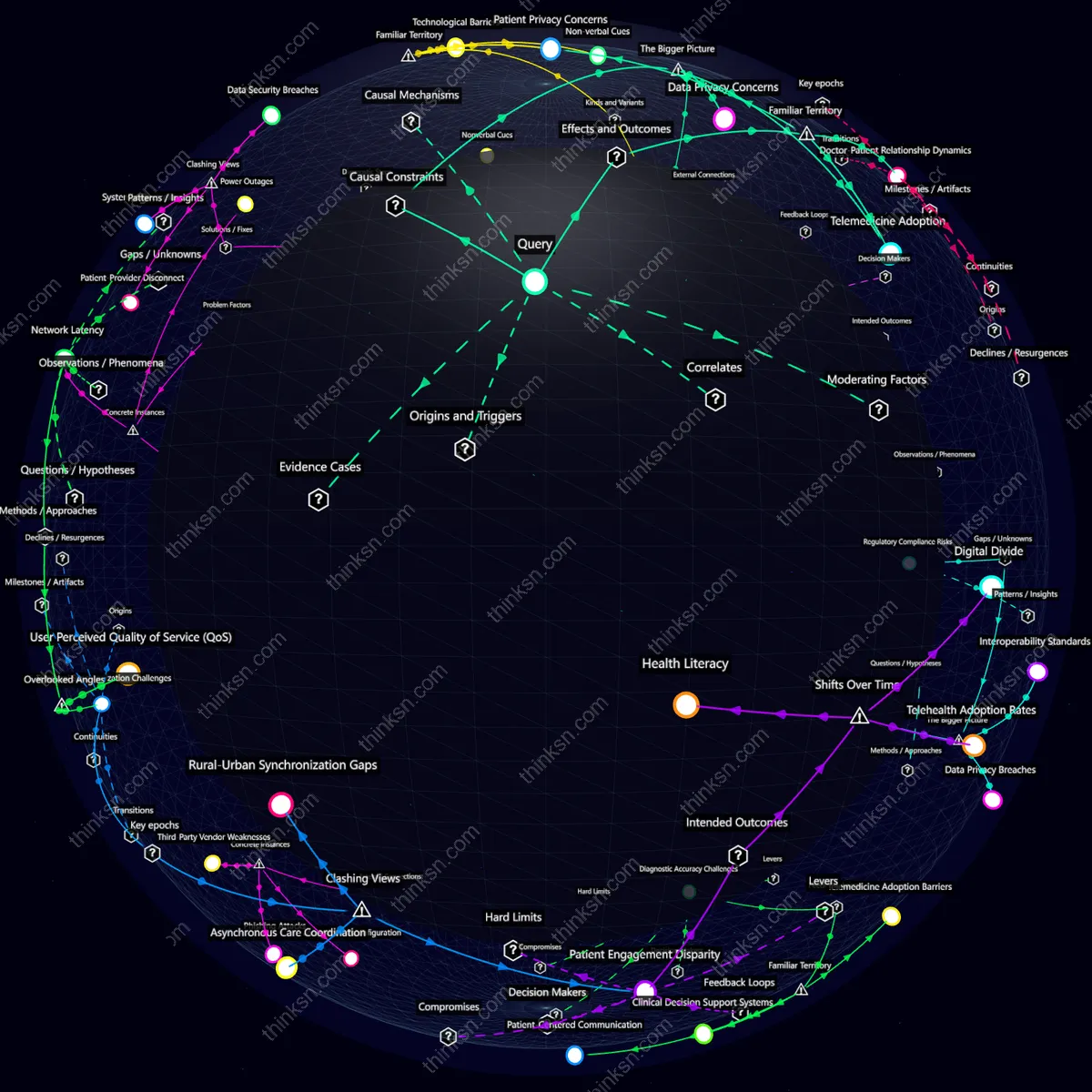
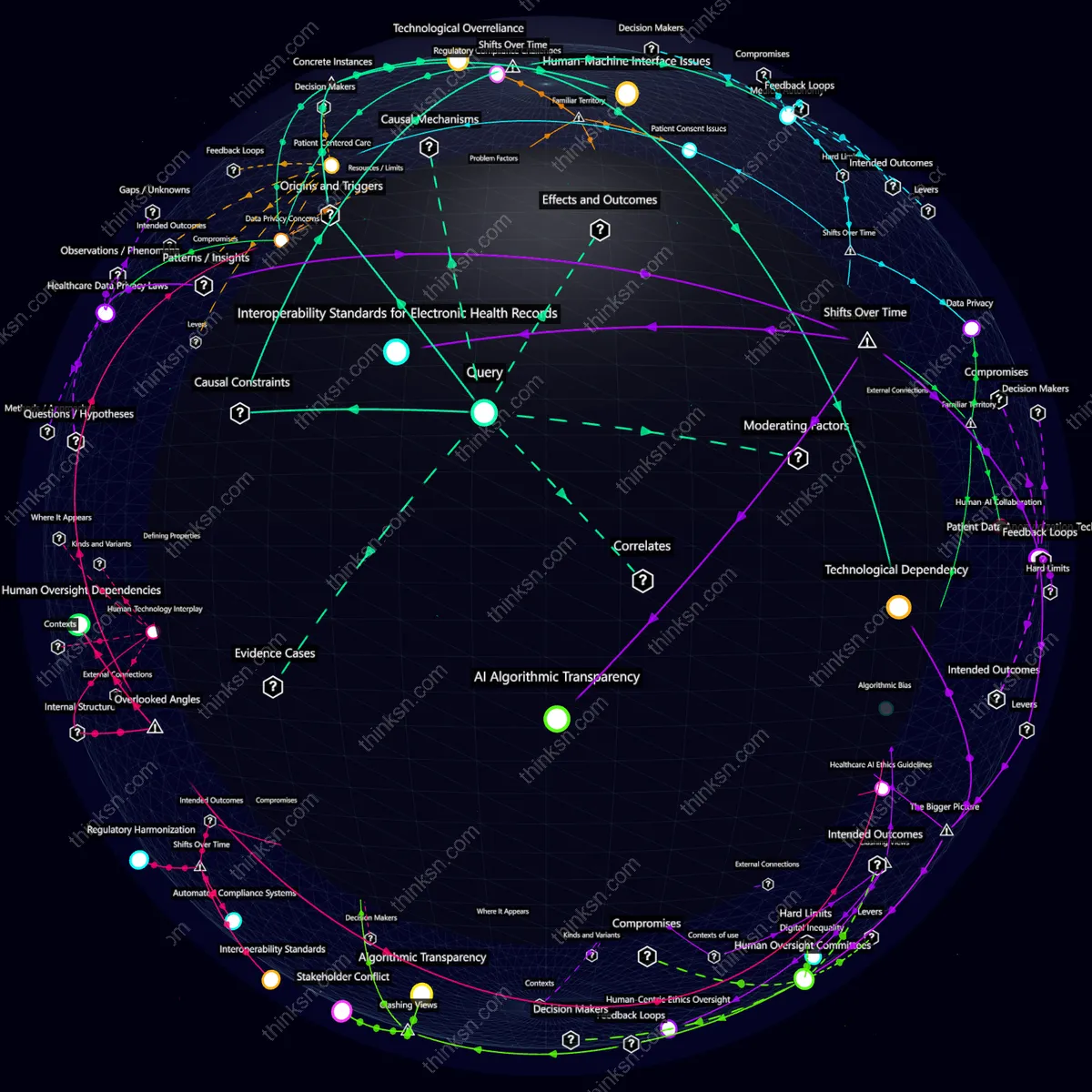
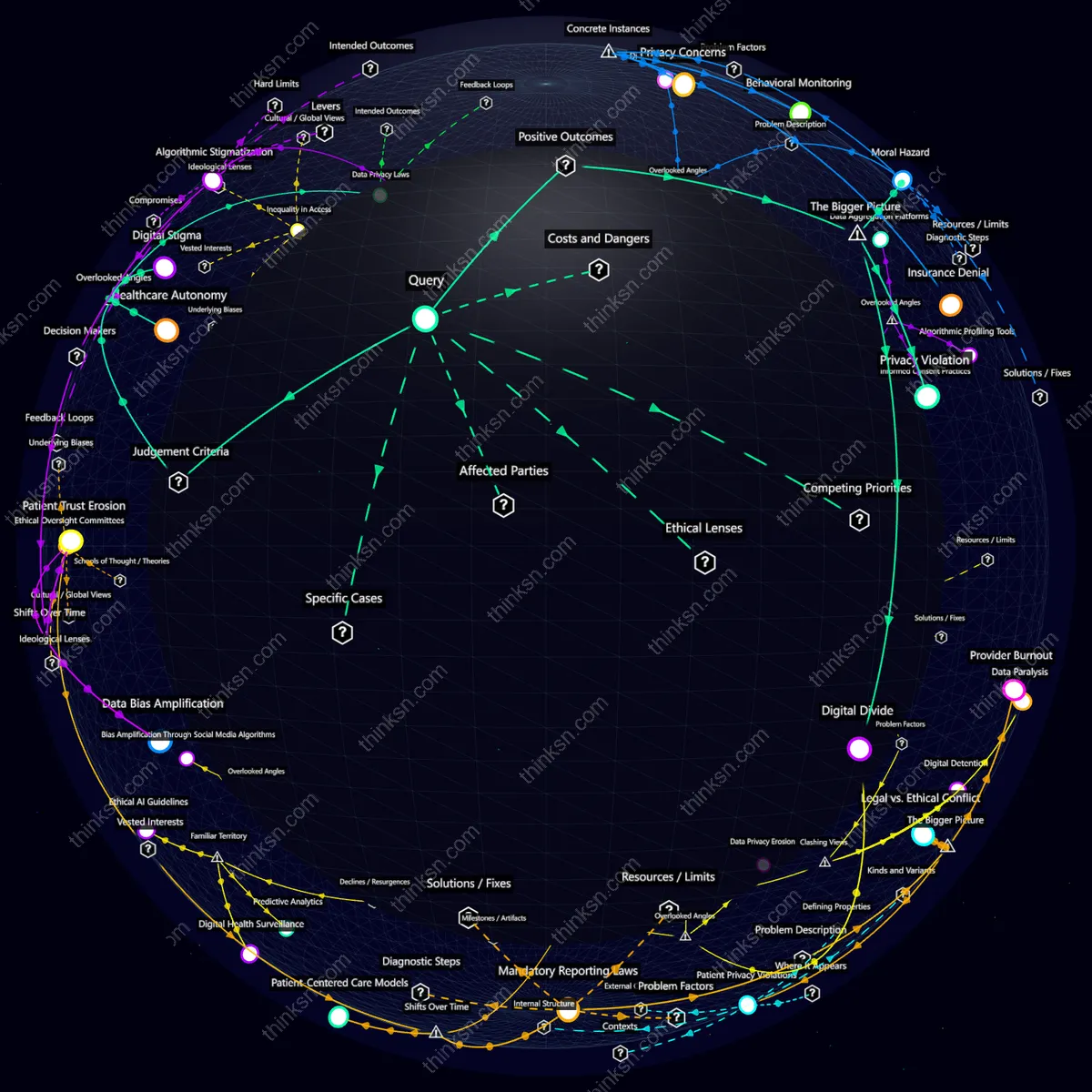
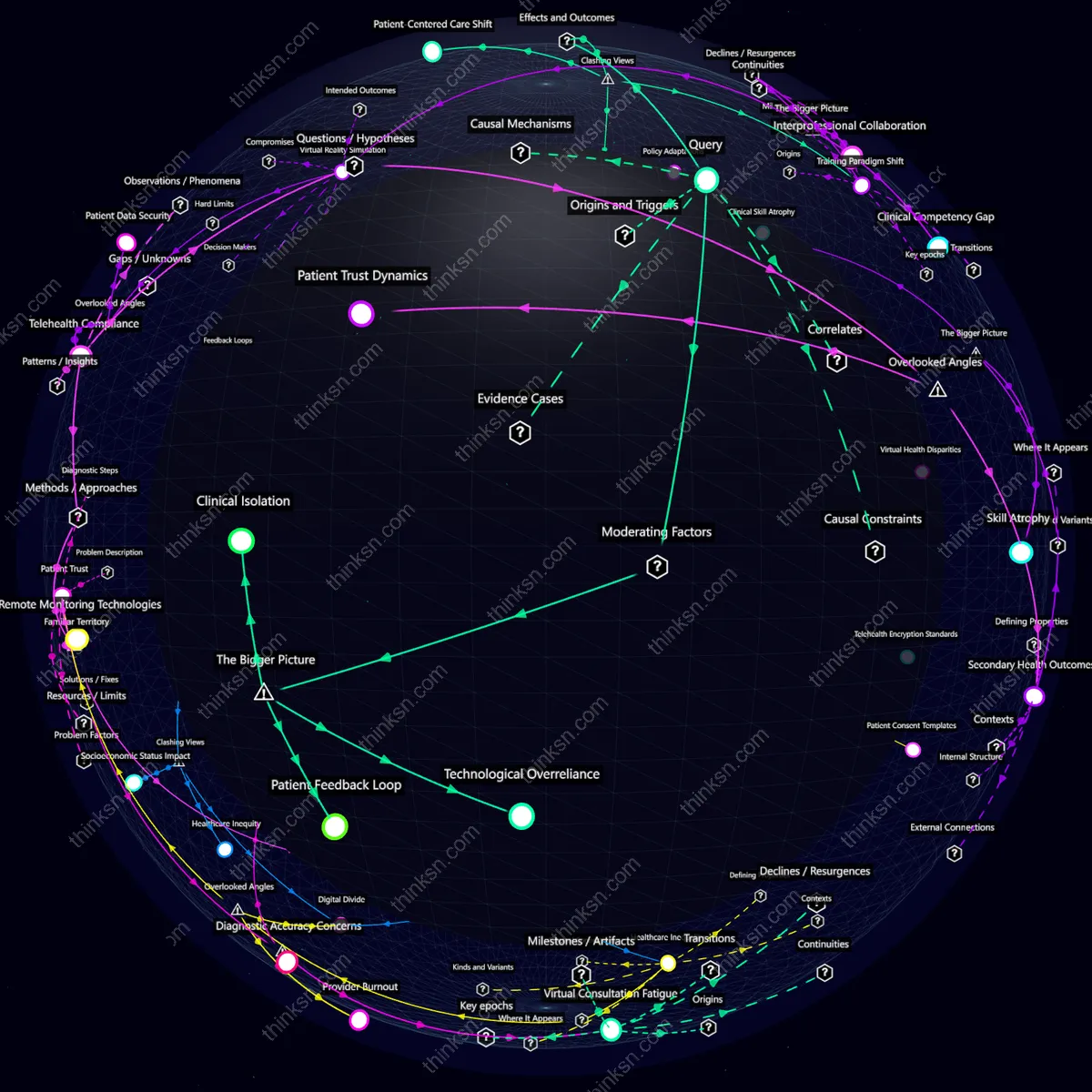
Analysis reveals 6 key thematic connections.
Key Findings
Professional Isolation
Telehealth's rapid adoption can exacerbate professional isolation among healthcare workers, leading to a decline in clinical skills due to reduced direct patient interaction. This heightened disconnection may also intensify mental health issues such as burnout and depression.
Patient-Centered Care Shift
The shift towards telehealth could paradoxically enhance patient-centered care by leveraging digital tools to better understand individual needs, thus potentially improving clinical abilities despite reduced direct interaction. However, this positive outcome is fragile and dependent on robust technological infrastructure.
Training Paradigm Shift
The widespread implementation of telehealth necessitates a reevaluation of training paradigms for health professionals. If not adequately addressed, this could lead to a generational gap in clinical skills between those trained primarily in face-to-face settings and newer practitioners reliant on virtual interactions.
Clinical Isolation
Health professionals relying heavily on telehealth during pandemics risk experiencing clinical isolation, diminishing their ability to maintain patient rapport and empathy. This can lead to poorer quality of care as practitioners miss out on critical non-verbal cues that are crucial for accurate diagnosis and treatment.
Technological Overreliance
The rapid shift towards telehealth during pandemics may foster a dependency on technology among health professionals, leading to an overestimation of its capabilities and underutilization of in-person clinical skills. This can result in a decline in proficiency for procedures and examinations that require direct patient contact.
Patient Feedback Loop
The absence of immediate patient feedback in telehealth settings can weaken the continuous improvement loop within healthcare practices, as health professionals miss out on real-time adjustments and insights provided by face-to-face interactions. This can lead to systemic gaps in learning and adaptation for clinical skills.
Deeper Analysis
What strategies can be formulated to mitigate professional isolation among health professionals due to increased telehealth usage during pandemics and ensure continuous clinical skill development?
Virtual Engagement Platforms
The reliance on virtual engagement platforms to maintain professional relationships during telehealth usage can lead to a superficial understanding of colleagues' challenges and emotional states, increasing feelings of isolation. While these tools connect professionals technically, they often fail to replicate the depth of in-person interactions that are crucial for building trust and support.
Clinical Skill Atrophy
Increased telehealth usage may accelerate clinical skill atrophy among health professionals who lack regular opportunities to practice hands-on skills. This can create a feedback loop where isolated professionals become less confident in their abilities, further reducing the likelihood of engaging in peer learning and skill development initiatives.
Policy Adaptations
Adaptive policies that mandate regular face-to-face meetings or virtual equivalents for skill assessment and professional networking can mitigate isolation but may also create additional bureaucratic burdens. Balancing these requirements with the practical realities of telehealth schedules is a delicate act that risks overburdening already strained healthcare workers.
How might a shift towards telehealth training paradigms during pandemics affect clinical abilities over time due to reduced direct patient interaction?
Virtual Reality Simulation
The shift towards telehealth training paradigms heavily relies on virtual reality simulation to mitigate the loss of hands-on clinical experience, but this dependency introduces new risks such as over-reliance on technology and diminished adaptability in real-world scenarios.
Clinical Competency Gap
As telehealth training becomes more prevalent, there is a growing concern about the widening competency gap between virtual and actual clinical environments, which can undermine confidence and proficiency among healthcare professionals during critical patient interactions.
Interprofessional Collaboration
The shift to telehealth training paradigms necessitates enhanced interprofessional collaboration through digital platforms. However, this reliance on technology for communication can lead to a fragmented understanding of patient care, especially in emergency situations where quick decision-making is crucial.
What emerging insights can be gained from exploring how virtual engagement platforms during pandemics affect clinical abilities and patient interactions among health professionals?
Remote Patient Monitoring
Virtual Engagement Platforms can lead to increased reliance on remote patient monitoring technologies, which shifts the burden of data interpretation and management from healthcare providers to patients. This shift may reduce clinical engagement but also empower patients with greater control over their health.
Clinical Burnout Among Professionals
The transition to virtual engagement platforms during pandemics can exacerbate clinical burnout among healthcare professionals due to the blurring of work-life boundaries and increased administrative tasks, potentially undermining patient care quality despite improved accessibility.
Virtual Health Disparities
Emerging use cases for Virtual Engagement Platforms reveal that certain populations may face significant barriers to access, such as limited internet connectivity or digital literacy skills, leading to widened health disparities and potential neglect of vulnerable groups during public health crises.
Can virtual reality simulation be used as a strategy to maintain and enhance clinical abilities for health professionals during telehealth-focused pandemics by providing realistic patient interaction scenarios?
Telehealth Compliance
Virtual Reality Simulation can shift the compliance burden from patients to healthcare providers who must ensure that VR equipment meets telehealth standards. This introduces a new layer of complexity in regulatory adherence, potentially delaying service delivery and increasing costs.
Patient Data Security
The use of Virtual Reality Simulation raises significant concerns about patient data security during telehealth sessions. If not properly managed, the transfer and storage of sensitive information can expose patients to cyber risks, undermining trust in telemedicine platforms.
What are emerging insights and diverse perspectives on how telehealth compliance during pandemics might affect clinical abilities due to reduced direct patient interaction for health professionals?
Patient Trust Dynamics
Telehealth compliance during pandemics can lead to a fragile dependency on digital communication tools, which might erode patient trust if technical issues arise. Health professionals must navigate the risk of reduced personal interaction leading to misunderstandings or miscommunication, potentially undermining long-term therapeutic relationships.
Secondary Health Outcomes
Telehealth compliance may inadvertently affect secondary health outcomes by limiting the ability of healthcare providers to address non-verbal cues and subtle signs of distress. This indirect impact can be particularly pronounced for mental health issues, where face-to-face interaction is crucial but often underrepresented in discussions about telehealth benefits.
Patient Trust
Telehealth compliance during pandemics shifts the balance of trust from in-person interactions to digital platforms. As healthcare providers adapt their practices, patients must quickly acclimate to virtual consultations, leading to potential misunderstandings or barriers that can erode long-standing patient-provider relationships.
Data Privacy Concerns
The rapid adoption of telehealth technologies during the pandemic exposes vulnerabilities in data privacy and security. Healthcare providers face increased scrutiny over how they handle sensitive information, creating a delicate balance between compliance and ensuring patient confidentiality, which can lead to legal challenges and reputational damage.
Remote Monitoring Technologies
As telehealth compliance necessitates more sophisticated remote monitoring tools, the reliance on technology introduces new risks such as device malfunctions or inadequate training for healthcare staff. These issues can undermine patient care quality and lead to a false sense of security in clinical outcomes.
Explore further:
- What are the secondary health outcomes for healthcare professionals due to reduced direct patient interaction as a result of rapid telehealth adoption during pandemics?
- How might the quick adoption of telehealth during a pandemic stress-test patient trust, potentially leading to measurable declines in clinical abilities among health professionals due to reduced direct patient interaction?
What are the secondary health outcomes for healthcare professionals due to reduced direct patient interaction as a result of rapid telehealth adoption during pandemics?
Professional Isolation
Rapid adoption of telehealth leads to professional isolation among healthcare professionals due to reduced direct patient interaction. This can exacerbate mental health issues such as depression and burnout, highlighting a critical need for robust support networks within medical institutions.
Skill Atrophy
The shift towards telehealth without adequate training or transitional support causes skill atrophy among healthcare professionals, particularly in areas like physical examination and bedside manner. This can lead to diagnostic errors and decreased patient satisfaction as interactions become more impersonal and less effective.
How might the quick adoption of telehealth during a pandemic stress-test patient trust, potentially leading to measurable declines in clinical abilities among health professionals due to reduced direct patient interaction?
Virtual Consultation Fatigue
Healthcare providers suffer from mental exhaustion due to prolonged screen time and lack of in-person interaction during telehealth consultations, leading to decreased empathy and trust with patients. This fatigue exacerbates the already challenging scenario of maintaining patient confidentiality and therapeutic relationships through digital means.
Diagnostic Accuracy Concerns
Telemedicine limitations in physical examination can lead to misdiagnosis or delayed detection of serious conditions, raising doubts among patients about the reliability of telehealth services. This concern is exacerbated during a pandemic when in-person visits are restricted, potentially undermining patient trust and engagement with healthcare providers.
Technological Disparities
Unequal access to reliable internet and suitable devices for telehealth consultations increases the digital divide among patients, leading to disparities in care quality. This inequality can lead to frustration and mistrust from patients who face barriers in accessing healthcare services due to technological limitations.
Explore further:
- How does virtual consultation fatigue evolve over time as telehealth usage increases during pandemics, and what are its implications for clinical abilities among health professionals due to reduced direct patient interaction?
- How do technological disparities impact the effectiveness of telehealth in bridging clinical abilities between health professionals with varying access to technology during pandemics?
How do technological disparities impact the effectiveness of telehealth in bridging clinical abilities between health professionals with varying access to technology during pandemics?
Digital Divide
The digital divide exacerbates technological disparities by limiting access to telehealth services in underserved communities, leading to unequal distribution of healthcare resources and potentially widening health outcome gaps during pandemics.
Healthcare Inequity
Technological disparities contribute to healthcare inequity by creating barriers for rural or low-income patients who lack the necessary devices or internet access for telehealth consultations, thereby undermining efforts to provide equitable care during health crises.
Socioeconomic Status Impact
Higher socioeconomic status correlates with better access to advanced telehealth technologies, which can lead to a feedback loop where wealthier patients receive superior healthcare through enhanced telehealth services, further entrenching disparities in clinical outcomes.
Healthcare Inequality
Technological disparities intensify healthcare inequality as urban areas with better internet infrastructure see improved telehealth adoption rates. This leaves rural or economically disadvantaged regions behind, perpetuating a cycle of poor access to specialist care and innovative treatments.
Data Privacy Concerns
As telehealth becomes more reliant on technology, patients in areas with less technological literacy may be more susceptible to data breaches due to inadequate security measures. This risk undermines trust in digital health services and limits widespread adoption of telehealth solutions.
Explore further:
- How might the rapid adoption of telehealth during pandemics contribute to healthcare inequality due to reduced direct patient interaction for health professionals in underserved areas?
- What strategies can be formulated to mitigate data privacy concerns in telehealth, ensuring health professionals maintain clinical abilities despite reduced direct patient interaction during pandemics?
How might the rapid adoption of telehealth during pandemics contribute to healthcare inequality due to reduced direct patient interaction for health professionals in underserved areas?
Digital Divide
The rapid adoption of telehealth exacerbates the digital divide, disproportionately affecting underserved communities. Patients lacking access to reliable internet and devices face barriers in receiving timely care, leading to increased health disparities. Health professionals must bridge this gap by providing alternative methods, like phone consultations or community kiosks.
Provider Burnout
Increased reliance on telehealth during pandemics can lead to provider burnout due to the technical demands and reduced direct patient interaction. This fatigue undermines healthcare delivery, particularly in underserved areas where resources are already strained. Health systems must innovate support mechanisms for providers to maintain quality care amidst technological stressors.
Patient Trust
The shift towards telehealth may erode patient trust in healthcare services, especially among populations skeptical of digital interventions. This mistrust complicates adherence to treatment plans and engagement with health professionals. Bridging this gap requires culturally sensitive communication strategies and personalized care approaches.
What strategies can be formulated to mitigate data privacy concerns in telehealth, ensuring health professionals maintain clinical abilities despite reduced direct patient interaction during pandemics?
Telehealth Encryption Standards
The adoption of stringent telehealth encryption standards by healthcare institutions ensures secure data transmission during remote consultations. However, this can create barriers for smaller clinics with limited budgets, leading to unequal access to advanced security measures and potentially exacerbating health disparities.
Patient Consent Templates
Healthcare providers rely on standardized patient consent templates to comply with data privacy laws in telehealth settings. Yet, overly generic templates can fail to address specific risks or concerns of patients regarding their personal information being shared via digital platforms, leading to a lack of informed consent and potential legal ramifications.
Data Localization Policies
Countries implementing strict data localization policies require patient health records to remain within national borders. While this enhances local control over sensitive data, it can impede cross-border telehealth services for patients seeking specialized care from international experts, thereby limiting access to critical healthcare resources.