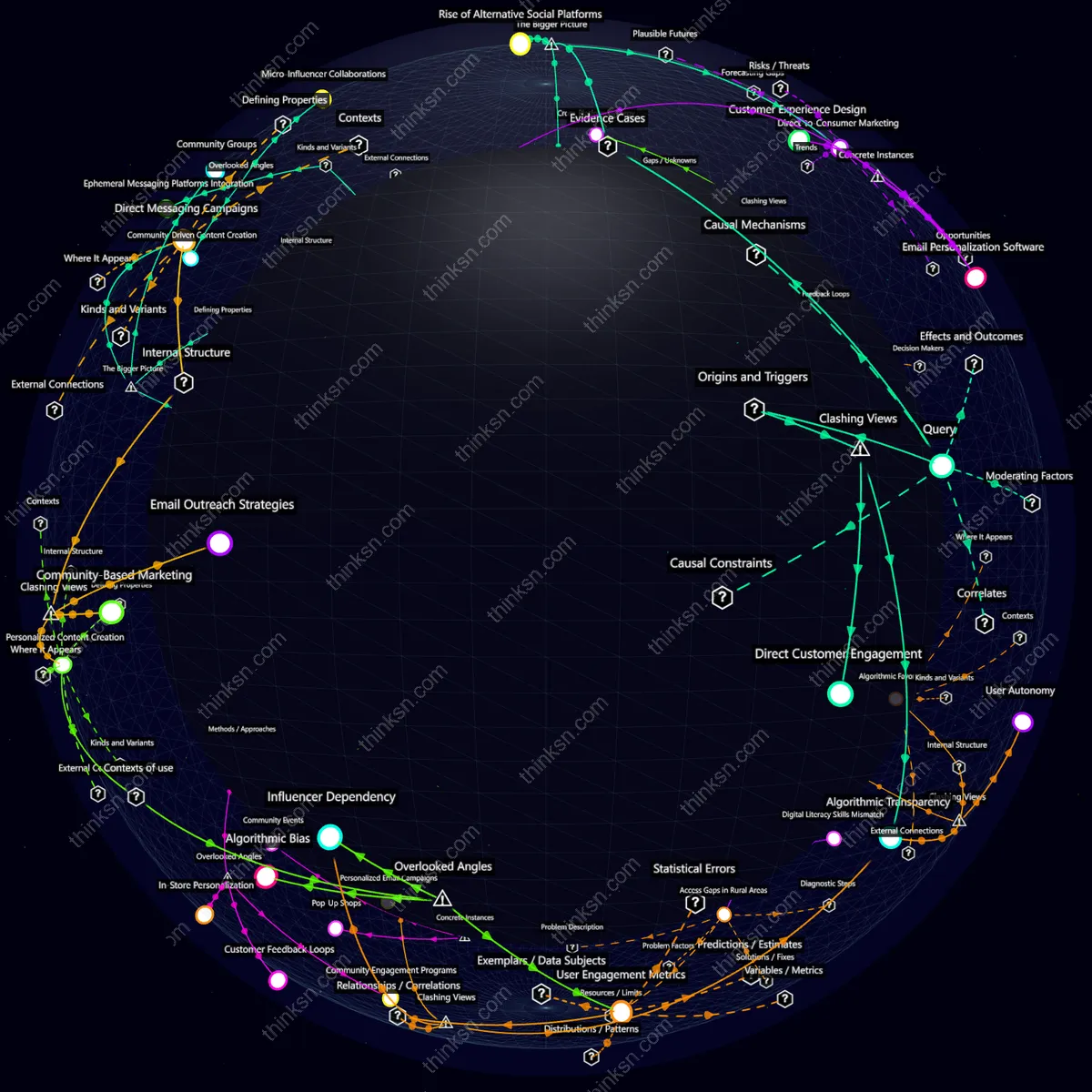
Impact of Sudden Travel Policy Changes on Local Tourism and Small Vacation Rentals
Analysis reveals 6 key thematic connections.
Key Findings
Policy Volatility
Unexpected travel policy changes can lead to policy volatility, causing small-scale vacation rental owners to constantly adjust their business strategies and operations. This volatility increases operational costs due to frequent updates of property listings and communication with guests, thereby reducing profitability despite potential spikes in demand.
Tourist Confidence
Changes in travel policies can significantly impact tourist confidence, leading to a decrease in bookings for small-scale vacation rentals even when physical restrictions are lifted. This paradox arises because travelers may perceive higher risks or uncertainties due to past policy changes, affecting their decision-making process and willingness to book accommodations.
Economic Resilience
Local tourism economies heavily reliant on small-scale vacation rentals face a critical challenge in building economic resilience against sudden policy shifts. Communities that fail to diversify their income streams may experience prolonged downturns if policies restrict travel, highlighting the need for sustainable tourism strategies beyond short-term rental businesses.
Travel Policy Shifts
Sudden policy changes can lead to a surge in last-minute cancellations for small-scale vacation rentals, impacting local economies that rely heavily on stable tourism revenues. For instance, the abrupt closure of borders due to health crises like the 2020 pandemic saw many property owners left with empty units and reduced incomes.
Vacation Rental Market
Fluctuations in travel policies can cause volatility in vacation rental prices and availability. During periods of uncertainty, travelers may favor large chain hotels over small-scale rentals due to perceived stability and security, leaving independent owners struggling to attract guests. This was evident during the 2016 Zika virus outbreak in Brazil, where Airbnb bookings dropped significantly compared to hotel reservations.
Local Tourism Economies
The interdependence between local businesses and tourism can make economies highly sensitive to travel policy changes. Smaller towns reliant on seasonal tourist influxes may face prolonged downturns if policies discourage visitors, as seen in the Caribbean islands after a series of hurricanes disrupted travel seasons, leading to widespread economic distress among coastal communities.
Deeper Analysis
What is the spatial distribution and impact of policy volatility on local tourism economies and small-scale vacation rentals across different regions?
Tourism Industry Vulnerability
Frequent policy changes create unpredictability for local tourism businesses, forcing them to constantly adapt their strategies and invest in new regulations. This volatility can lead to a lack of long-term planning and increased operational costs, ultimately making smaller enterprises more susceptible to market fluctuations and economic downturns.
Real Estate Investment Uncertainty
Policy volatility around short-term vacation rentals can deter real estate investors from entering the market, as they fear sudden policy shifts might render their investments unprofitable. This uncertainty not only stifles growth in accommodation options but also limits economic opportunities for local property owners looking to benefit from tourism.
Regional Economic Disparity
Areas with higher policy volatility may see a disproportionate impact on their local economies, as small-scale vacation rentals and tourist-dependent businesses struggle more compared to regions with stable policies. This disparity can exacerbate regional inequalities, affecting the distribution of wealth and resources across different areas.
Explore further:
- How can unexpected changes in travel policies stress-test the vulnerability of local tourism economies and small-scale vacation rentals, revealing their pressure points and systemic strain?
- How do unexpected changes in travel policies affect real estate investment uncertainty for small-scale vacation rentals and local tourism economies?
How do unexpected changes in travel policies affect the evolution of tourist confidence over time and what are the subsequent impacts on local tourism economies and small-scale vacation rentals?
Travel Uncertainty
Unexpected changes in travel policies can significantly increase travel uncertainty, deterring potential tourists from planning trips. This heightened uncertainty not only affects immediate booking behaviors but also leads to prolonged hesitation as tourists wait for clearer guidance, potentially stifling the recovery of local tourism economies.
Economic Volatility
Small-scale vacation rental owners often face economic volatility due to sudden policy changes that impact tourist confidence. These fluctuations can lead to periods of over-reliance on short-term rentals followed by drastic reductions in income, underscoring the fragility and unpredictable nature of their business model during times of uncertainty.
Regulatory Adaptation
Local tourism boards often struggle to adapt swiftly to changing travel policies, leading to a disconnect between regulatory frameworks and tourist expectations. This lag can undermine efforts to rebuild confidence among travelers who seek clear, consistent guidelines, highlighting the challenges of maintaining trust in dynamic environments.
How can unexpected changes in travel policies stress-test the vulnerability of local tourism economies and small-scale vacation rentals, revealing their pressure points and systemic strain?
Travel Policy Uncertainty
Unexpected changes in travel policies stress-test local tourism economies by abruptly altering market dynamics. Small-scale vacation rentals face sudden demand fluctuations, exposing fragile supply chains and financial dependencies on transient income streams.
Seasonal Dependency
The seasonal nature of tourism makes small-scale rental operators highly sensitive to policy shifts, creating a volatile environment where short-term gains are jeopardized by long-term instability. This dependency underscores the vulnerability of local economies that rely on predictable tourist flows.
Technological Adaptation
Rapid technological changes in booking platforms and payment systems can exacerbate vulnerabilities for small-scale operators who struggle to keep up with digital transformations, further isolating them from global market trends and support networks during policy upheavals.
Policy Feedback Loops
Unexpected changes in travel policies can create policy feedback loops where initial restrictions lead to cascading economic impacts, causing local tourism economies and vacation rentals to suffer from reduced demand. As pressure mounts, stakeholders may lobby for policy relaxations without sufficient consideration of public health risks, potentially exacerbating the very issues they aim to mitigate.
Economic Multipliers
Small-scale vacation rental operators often rely heavily on tourism revenues, making them particularly susceptible to sudden economic downturns caused by travel policy changes. These businesses are part of a larger economic multiplier effect where their financial health impacts local shops, restaurants, and services. Consequently, rapid shifts in travel policies can strain these interconnected systems beyond manageable limits.
Operational Resilience
Local tourism economies and vacation rental providers face significant operational resilience challenges when unexpected policy changes occur. They may struggle to adapt quickly due to resource constraints such as limited access to financial reserves, flexible staffing arrangements, or technology solutions that facilitate rapid pivots in operations.
Explore further:
- What strategies can local tourism economies and small-scale vacation rentals adopt to mitigate risks associated with seasonal dependency in response to unexpected changes in travel policies?
- How do unexpected changes in travel policies impact economic multipliers in local tourism economies and small-scale vacation rentals over time?
What strategies can local tourism economies and small-scale vacation rentals adopt to mitigate risks associated with seasonal dependency in response to unexpected changes in travel policies?
Diversified Revenue Streams
Local tourism economies that rely heavily on seasonal dependency often face severe financial strain during off-peak seasons. Diversifying revenue streams by offering year-round activities and services can attract different demographics, but requires significant upfront investment in marketing and infrastructure. Unintended consequences include cannibalizing existing peak season offerings if not managed carefully.
Flexible Pricing Models
Vacation rental providers often struggle with fixed pricing structures that don't adapt to fluctuating demand throughout the year. Implementing dynamic pricing strategies can help optimize occupancy rates, but may alienate long-term loyal customers who prefer stability and predictability. This approach requires sophisticated data analysis tools and may lead to price wars among competitors.
Community Engagement Initiatives
Building strong relationships with the local community is crucial for sustainable tourism development. Engaging residents in planning and decision-making processes can foster a sense of ownership and pride, but also poses challenges if there are conflicting interests or resistance to change from established stakeholders. Effective communication and inclusive governance models are essential.
Travel Policy Instability
Seasonal Dependency exacerbates the vulnerability of local tourism economies to sudden travel policy changes. Small-scale vacation rentals, heavily reliant on predictable seasonal patterns, face severe financial risks when new policies restrict access or alter demand unexpectedly, leaving property owners with empty units and lost revenue.
Economic Resilience Strategies
Adopting Economic Resilience Strategies in response to Seasonal Dependency requires a delicate balance between innovation and risk management. While diversifying income streams such as offering year-round services or promoting non-traditional travel periods can mitigate risks, it often demands significant upfront investment and operational changes that may not yield immediate returns, creating a trade-off for cash-strapped local businesses.
Cultural Event Adaptation
Local tourism economies leveraging Cultural Events to adapt to Seasonal Dependency face the challenge of maintaining authenticity while appealing to changing traveler preferences. As global health crises or political instability shift visitor demographics, organizers must navigate the fine line between cultural preservation and economic survival, risking dilution of traditional practices if over-commercialized.
Explore further:
- What are emerging economic resilience strategies for local tourism economies and small-scale vacation rentals in response to unexpected changes in travel policies?
- How do cultural event adaptations in response to unexpected travel policy changes impact the local tourism economies and small-scale vacation rentals over time?
How do cultural event adaptations in response to unexpected travel policy changes impact the local tourism economies and small-scale vacation rentals over time?
Tourism Revenue Fluctuations
Cultural event adaptations in response to travel policy changes can lead to unpredictable tourism revenue fluctuations. While temporary diversions like virtual events may sustain interest, the absence of physical visitors means that local economies heavily reliant on cultural tourism may face prolonged downturns despite creative adaptation efforts.
Vacation Rental Market Volatility
The sudden shift in demand patterns due to travel restrictions forces small-scale vacation rental operators into a volatile market environment. Adaptations such as switching to short-term rentals for essential workers can mitigate immediate losses but exacerbate long-term structural challenges by accelerating the commodification of local housing stocks.
Cultural Heritage Authenticity Concerns
As cultural events adapt to virtual platforms, concerns over the authenticity and integrity of these experiences grow. Local communities might face a dilemma between preserving traditional practices and innovating for survival, potentially leading to a dilution of unique cultural identities in the eyes of global audiences.
Virtual Festival Platforms
The rapid shift to virtual platforms for cultural festivals like the cancellation of SXSW in 2020 forced local economies and small-scale vacation rentals to pivot towards digital experiences, creating a new market dependency on technology and online engagement that may alter long-term tourism strategies.
Emergency Travel Bubbles
The implementation of travel bubbles between Australia and New Zealand demonstrated how quickly cultural events can adapt to policy changes by forming exclusive partnerships. However, this fragile arrangement heightened economic risks as any breach in health protocols could lead to sudden cancellations and financial losses.
Community-Driven Cultural Initiatives
Small-scale vacation rental owners often initiated community-driven cultural events such as virtual storytelling sessions or local artist showcases during lockdowns, fostering local identity but also exposing the fragility of relying on spontaneous grassroots efforts for economic survival.
Explore further:
- How can sudden changes in travel policies stress-test and reveal pressure points in local tourism revenue fluctuations for small-scale vacation rentals?
- What is the spatial distribution and impact of emergency travel bubbles on local tourism economies and small-scale vacation rentals in different regions?
How can sudden changes in travel policies stress-test and reveal pressure points in local tourism revenue fluctuations for small-scale vacation rentals?
Travel Policy Volatility
Sudden changes in travel policies can create unpredictable fluctuations in tourism revenue for small-scale vacation rentals. This volatility forces local economies to rapidly adapt, often leading to financial strain on rental owners who must navigate legal and regulatory hurdles while managing fluctuating demand.
Seasonal Dependency
The reliance of small-scale vacation rentals on seasonal tourism creates a fragile economic ecosystem where unexpected policy changes can devastate local economies during off-peak seasons. This dependency highlights the need for diversified income sources and innovative marketing strategies to mitigate risks.
Cultural Heritage Sites
Tourism revenue fluctuations are particularly pronounced around cultural heritage sites, which often lack alternative economic drivers. Changes in travel policies can lead to abrupt shifts in visitor numbers, impacting not only local businesses but also the preservation and maintenance of these important historical landmarks.
What is the spatial distribution and impact of emergency travel bubbles on local tourism economies and small-scale vacation rentals in different regions?
Domestic Tourism Revival
Emergency travel bubbles initially boost local tourism economies by encouraging domestic travelers to explore lesser-known destinations. However, this surge can lead to over-tourism in previously quiet areas, straining infrastructure and potentially deterring long-term investments.
Small-Scale Vacation Rentals
During the pandemic, small-scale vacation rentals saw a significant uptick as travelers sought unique experiences within safe travel bubbles. However, this boom has exposed these businesses to unpredictable demand fluctuations and increased competition from large rental platforms, threatening their sustainability.
How do unexpected changes in travel policies impact the historical trajectory and future development of cultural heritage sites as a component of local tourism economies and small-scale vacation rentals?
Tourism Policy Volatility
Unexpected shifts in travel policies can lead to sudden fluctuations in visitor numbers at cultural heritage sites. This volatility disrupts local tourism economies that heavily rely on steady income from small-scale vacation rentals, creating a fragile dependency where even minor policy changes have significant economic impacts.
Community-Visitor Disconnect
Changes in travel policies may alter the demographics of visitors to cultural heritage sites, leading to a disconnect between local communities and tourists. This can result in a misalignment of expectations regarding cultural exchange, potentially undermining the authentic experience that these sites aim to provide.
Heritage Site Over-Commercialization
In response to policy changes that limit access or increase costs for visitors, local governments and business owners may over-commercialize heritage sites by rapidly expanding tourist infrastructure. This can lead to environmental degradation and cultural dilution, posing long-term risks to the preservation of these historical assets.
What strategies can be formulated to mitigate the impacts of unexpected travel policy changes on domestic tourism revival and small-scale vacation rentals?
Travel Policy Flexibility
Government officials must balance the need for rapid policy adjustment with public health concerns. Overly rigid policies risk stifling domestic tourism revival, whereas overly flexible ones may undermine trust and regulatory compliance among small-scale vacation rental operators.
Digital Marketing Platforms
Online platforms like Airbnb become crucial intermediaries, offering data-driven insights and tools to help vacation rental owners adapt to sudden policy shifts. However, reliance on these platforms can exacerbate existing inequalities between tech-savvy and less connected operators.
Community Resilience Networks
Local communities form resilience networks to support small-scale tourism businesses during crises. These informal structures enhance flexibility but may struggle with scaling up for sustained economic impact without formal recognition or funding from local governments.