Nanobots in the Body: Healing Diseases or Rewriting Minds?
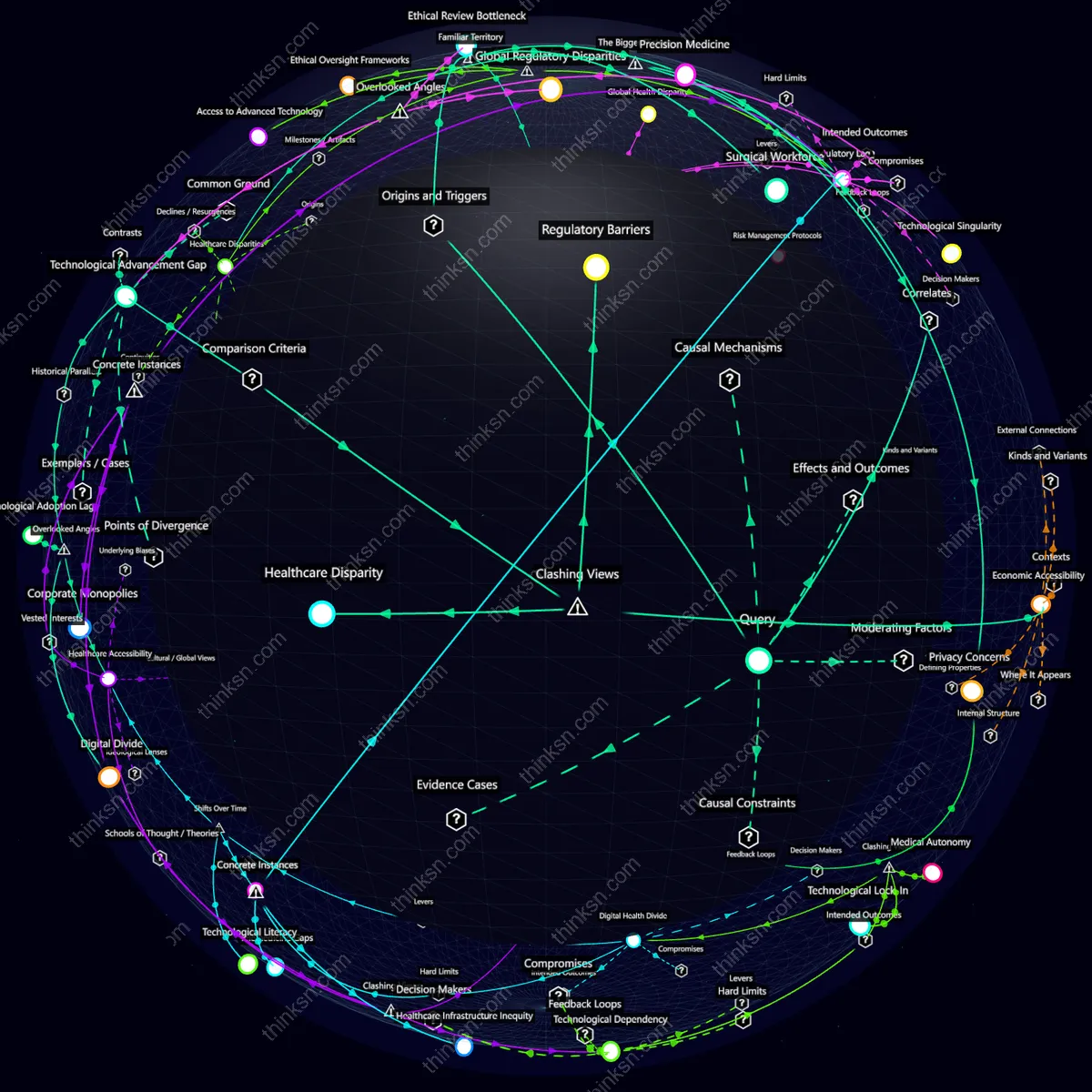
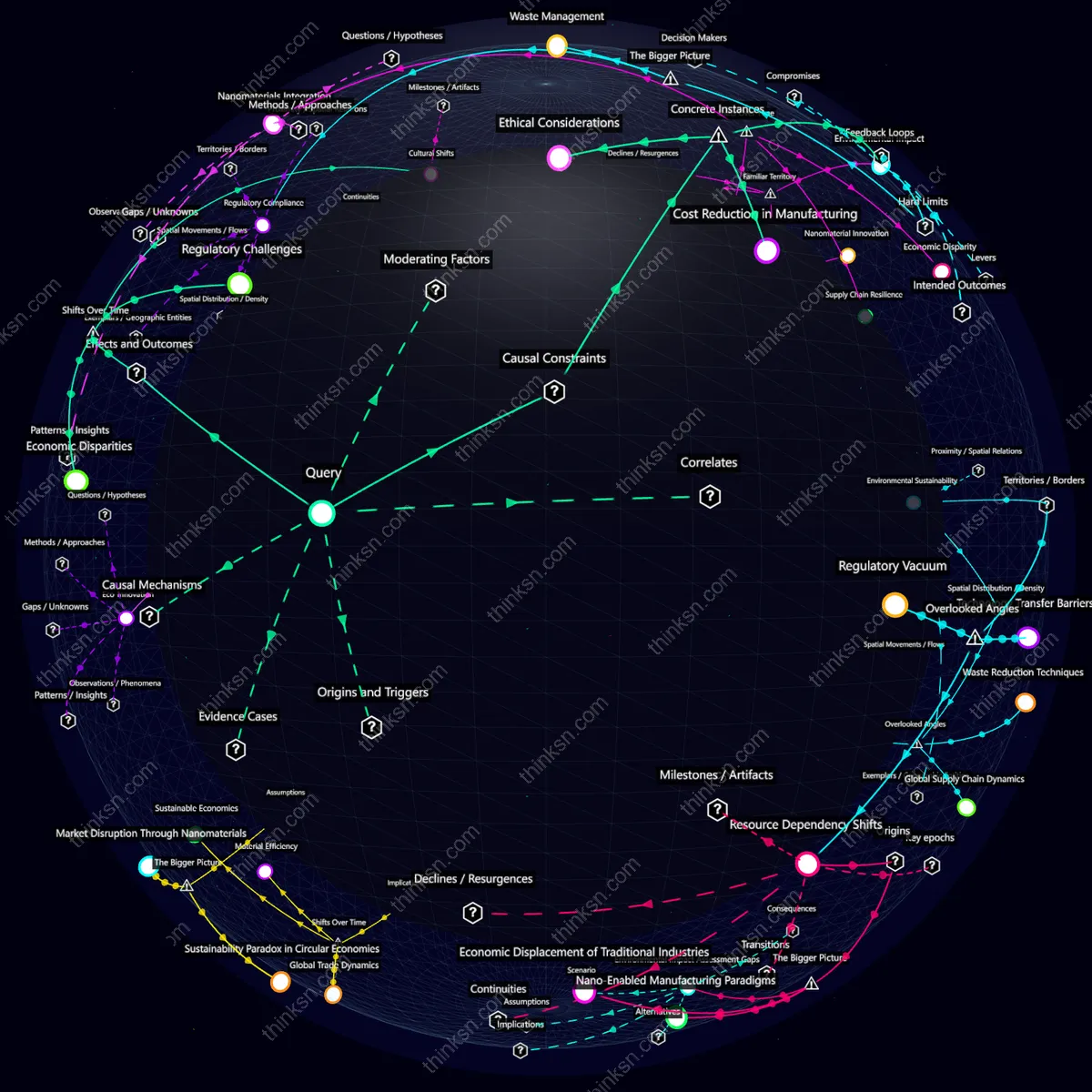
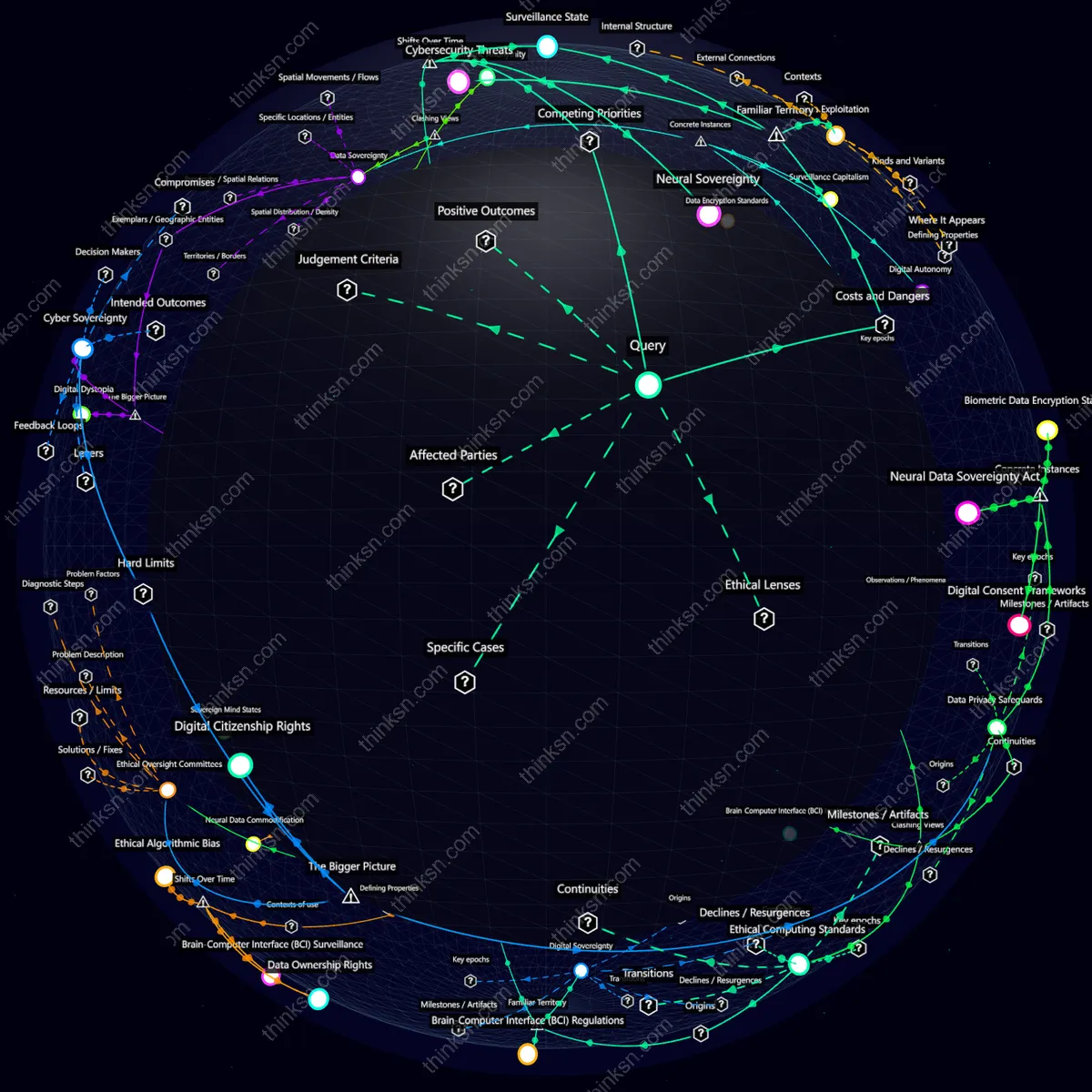
Analysis reveals 6 key thematic connections.
Key Findings
Neuroplasticity Enhancement
The introduction of nanobots capable of cell manipulation could enhance neuroplasticity by repairing damaged neural pathways and fostering new connections. However, this enhanced plasticity might lead to unpredictable changes in memory consolidation and retrieval patterns, potentially disrupting established cognitive routines.
Ethical Dilemma
As nanobots become proficient at curing diseases through cellular manipulation, ethical dilemmas arise regarding consent, privacy, and the nature of medical intervention. Patients may face coercive pressures to accept treatments that alter fundamental aspects of their identity and personality.
Cognitive Overload
The presence of nanobots with the ability to manipulate cells could result in a cognitive overload as the brain adapts to new forms of information processing and memory storage. This may manifest as increased stress, decreased focus, or even mental fatigue due to the brain's struggle to integrate these novel biological agents.
Ethical Oversight Boards
The deployment of nanobots for medical purposes demands stringent ethical oversight. These boards scrutinize the potential misuse or overreach of such technologies, balancing innovation with privacy and consent issues.
Pharmaceutical Industry Disruption
Nanobot technology could disrupt traditional pharmaceutical practices by rendering many drugs obsolete, leading to significant economic shifts and retraining needs within the healthcare sector. This shift also raises concerns about market dominance and innovation incentives for smaller companies.
Neuroplasticity Research
Nanobots capable of cell manipulation may accelerate neuroplasticity research, leading to breakthroughs in understanding brain function and treating neurological disorders. However, this also raises ethical questions about the extent of human intervention in natural neural processes.
Deeper Analysis
What are the potential ethical dilemmas and their evolution over time as nanobots become increasingly capable of curing diseases by manipulating cells within the human body, particularly in relation to impacts on memory and behavior?
Memory Manipulation Ethics
As nanobots advance in treating diseases by altering cellular memory, ethical debates intensify over the permissible limits of human memory manipulation. This technology could lead to a slippery slope where personal identity and autonomy are compromised for therapeutic benefits, raising profound questions about the moral responsibility of healthcare providers and patients.
Behavioral Control Dilemmas
The capacity of nanobots to influence behavioral patterns through direct cellular intervention poses significant ethical quandaries. While promising therapeutic potential exists for treating conditions like addiction, there's a risk that the line between treatment and coercion could blur, leading to misuse or over-reliance on such technologies in societal control.
Privacy Violations
As nanobots manipulate cells for disease treatment, the potential to monitor and alter personal memories and behaviors raises concerns. Companies or governments could exploit these capabilities to track individuals' thoughts and actions without consent, undermining privacy rights and trust in medical technology.
Neurodiversity Erasure
The evolution of nanobot technologies capable of 'curing' neurological conditions like autism challenges the concept of neurodiversity. This could lead to a decline in recognition and support for diverse cognitive styles, as well as ethical debates over whether such treatments are truly beneficial or oppressive.
Biosecurity Threats
The proliferation of nanobot technologies introduces new vulnerabilities to biosecurity. Malicious actors might exploit these devices to cause harm on a large scale, leading to stringent regulations that limit medical innovation and patient access to life-saving treatments.
Explore further:
- What are the evolving ethical considerations surrounding memory manipulation by nanobots and how might they impact human behavior over time?
- How might the evolution of nanobot technology for disease treatment potentially alter human behavioral control dilemmas over time, considering both positive and negative impacts on individual autonomy and societal norms?
What are the evolving ethical considerations surrounding memory manipulation by nanobots and how might they impact human behavior over time?
Informed Consent Vulnerabilities
The emergence of nanobot-based memory manipulation raises profound questions about informed consent in medical and psychological contexts. As individuals may be manipulated without their awareness or understanding, traditional ethical frameworks become inadequate, leading to potential exploitation by unethical actors who can alter memories subtly yet significantly.
Identity Integrity Threats
Memory manipulation poses a direct threat to individual identity and self-concept, as core personal experiences are altered. This could lead to widespread psychological distress as people struggle with the authenticity of their own memories. Societal norms around trust and truth may also erode if individuals cannot rely on the integrity of their recollections.
Legal Responsibility Ambiguities
As nanobots begin to alter memories, legal systems face unprecedented challenges in determining accountability for actions taken under manipulated circumstances. This ambiguity could lead to a proliferation of gray areas where individuals or corporations exploit the technology's ability to blur lines between intent and involuntary action.
How might the evolution of nanobot technology for disease treatment potentially alter human behavioral control dilemmas over time, considering both positive and negative impacts on individual autonomy and societal norms?
Techno-Social Surveillance
As nanobots embedded in disease treatments monitor and report health data, they also gather behavioral patterns. This dual-use capability raises concerns about overreach by governmental or corporate entities using this technology to enforce societal norms, leading to a chilling effect on personal freedom and spontaneous behavior.
Ethical Autonomy
The evolution of nanobot technology blurs the line between voluntary treatment and coerced compliance. As society becomes increasingly dependent on these advanced treatments for health maintenance, individuals face mounting pressure to adopt them, risking a loss of personal autonomy as decisions become framed by societal expectations rather than individual choice.
What are the measurable impacts on human identity integrity when nanobots capable of curing diseases through cellular manipulation introduce systemic stress and potential failures in memory and behavior?
Behavioral Anomalies
The deployment of nanobots for disease curing introduces unpredictable behavioral shifts as these machines alter neural pathways and synaptic connections. Patients report sudden changes in personality, decision-making abilities, and social interactions, raising concerns about the long-term psychological stability and identity coherence of individuals.
Memory Fragmentation
As nanobots integrate into brain tissues to repair cellular damage, there's a risk of disrupting memory consolidation processes. This leads to fragmented recollections, gaps in personal history, and potential loss of self-identity, challenging traditional notions of continuity and integrity in human experience.
Techno-Bio Dependency
The reliance on nanotechnology for health maintenance creates a precarious dependence where biological systems can no longer function without technological intervention. This interdependence raises ethical questions about autonomy and the true nature of 'natural' versus 'augmented' human identity.
How might techno-social surveillance evolve as a result of nanobot technology in medicine, and what impacts could this have on human memory and behavior over time?
Nanobot-Mediated Memory Alteration
As nanobots in medicine evolve to not only heal but also record and modify neural activity, they could blur the lines between personal privacy and medical necessity. This technology might create a new form of surveillance where intimate details of one's thoughts and experiences are monitored for therapeutic purposes, raising profound ethical questions about consent and the right to mental privacy.
Behavioral Engineering Through Biofeedback
With nanobots capable of interfacing with brain chemistry, medical interventions could extend into behavioral modification. Patients might be prescribed treatments that subtly alter their responses to stimuli or environments, leading to a society where personal autonomy is compromised in the name of health and productivity. This raises significant concerns about the potential for coercive control and loss of individual agency.
Explore further:
- What are the causal mechanisms and future trajectories by which nanobot-mediated memory alteration could impact human behavior over time?
- How might behavioral engineering through biofeedback evolve as a result of nanobots manipulating cells to cure diseases, and what are the potential impacts on human memory and behavior over time?
What are the causal mechanisms and future trajectories by which nanobot-mediated memory alteration could impact human behavior over time?
Ethical Dilemmas in Neuroethics
The ability to alter memories with nanobots raises profound ethical questions about personal identity and autonomy. For instance, if a soldier's traumatic war experiences could be erased, who decides what memories are too painful to retain? This opens up debates over the extent of acceptable medical intervention versus individual rights.
Techno-Power Dynamics
Governments and corporations may leverage nanobot-mediated memory alteration as a tool for social control or propaganda, embedding preferred narratives into populations. Imagine a dystopian scenario where state-sanctioned therapists use these technologies to indoctrinate citizens with nationalist ideologies, blurring lines between personal freedom and state influence.
How might behavioral engineering through biofeedback evolve as a result of nanobots manipulating cells to cure diseases, and what are the potential impacts on human memory and behavior over time?
Nanobot-Enhanced Neuroplasticity
As nanobots manipulate cells for disease cures, they also enhance neuroplasticity, leading to unpredictable changes in human behavior and memory. This could result in new forms of addiction to biofeedback-driven mental states or create ethical dilemmas around consent and privacy.
Bioethics Council on Human Enhancement
Established after the first successful use of nanobots for neurological enhancement, this council grapples with balancing medical breakthroughs against potential abuses in behavioral control. Its deliberations highlight society's struggle to manage rapid technological progress while safeguarding human dignity and autonomy.
What are the potential ethical dilemmas and measurable impacts on human memory and behavior when nanobots used for disease treatment malfunction or cause unintended side effects in neuroethics?
Informed Consent Violations
Nanobot malfunctions leading to cognitive impairment can invalidate informed consent for neurointerventions, leaving patients unaware of risks and unable to make autonomous decisions. This undermines trust in medical ethics, as seen in the case of a patient who experienced unanticipated memory loss post-treatment.
Unforeseen Neurotoxicity
The unintended release of neurotoxins by malfunctioning nanobots can lead to severe neurological damage and ethical quandaries regarding patient welfare versus technological advancement. This is exemplified in a clinical trial where participants suffered from irreversible brain damage due to unforeseen side effects, raising questions about the prioritization of innovation over safety.
Privacy Breaches
Nanobots designed for therapeutic use can be repurposed or hacked to surveil neural activity, breaching patient privacy and raising ethical concerns around consent and data security. This issue came to light when a breach occurred in a hospital’s network, exposing intimate personal thoughts of patients to unauthorized third parties.
How has the Bioethics Council on Human Enhancement's stance on nanobots evolved over time in response to their potential impact on human memory and behavior?
Neuroplasticity Research
As neuroplasticity research advances, the Bioethics Council increasingly grapples with ethical questions surrounding memory alteration through nanobots. This shift highlights a growing concern over the long-term psychological impacts on identity and personal continuity.
Privacy Concerns
The rise in privacy concerns linked to data collection and surveillance technologies intersects with debates about nanobot-enabled monitoring of human behavior, pushing the Council to address issues of consent and autonomy in a highly interconnected digital world.
Ethical Dilemmas in Medicine
As medical applications of nanobots expand, ethical dilemmas arise around equitable access and the potential for creating new forms of inequality based on technological enhancements. This has forced the Council to navigate complex trade-offs between innovation and social justice.
What are the potential long-term impacts on privacy as nanobots evolve to enhance medical treatments, and how might this trajectory affect personal behaviors and memories over time?
Medical Nanotechnology
As medical nanobots evolve to treat diseases more effectively, they also become vectors for unprecedented privacy breaches. Hospitals and clinics might be compelled to share patient data with tech firms for continuous improvements in treatment efficacy, leading to a situation where personal health information is widely accessible beyond traditional healthcare boundaries.
Digital Identity Theft
The integration of nanobots into the human body could lead to a new form of digital identity theft, where hackers exploit vulnerabilities in these devices to steal not just financial data but also biometric and genetic information. This breach could result in severe privacy invasions, as personal memories and behavioral patterns stored within the nanobot network could be compromised.
Ethical Dilemmas
The evolution of medical nanotechnology raises ethical dilemmas around consent and autonomy. As these devices become more integrated into daily life for health monitoring, individuals might face coercive pressures to adopt them under societal or legal mandates, thereby eroding personal choice and privacy in exchange for perceived benefits.
Medical Nanobot Surveillance
As medical nanobots evolve, their surveillance capabilities may inadvertently lead to a pervasive monitoring regime within patients' bodies. This could result in detailed personal health data being collected and possibly misused by third parties, raising concerns about consent and the right to bodily autonomy.
Digital Memory Alteration
The integration of nanobots into memory functions might offer unprecedented control over human recollections. However, this could also lead to scenarios where memories are altered or erased without patient knowledge, affecting personal identity and the authenticity of life experiences.
Biometric Data Exploitation
With enhanced medical treatments involving nanobots, biometric data becomes more detailed and accessible. This opens up risks of exploitation by hackers or governments, leading to a new era of privacy breaches where personal health information is weaponized against individuals.