Millennial Retirement: NFTs and Meme Stocks Risks
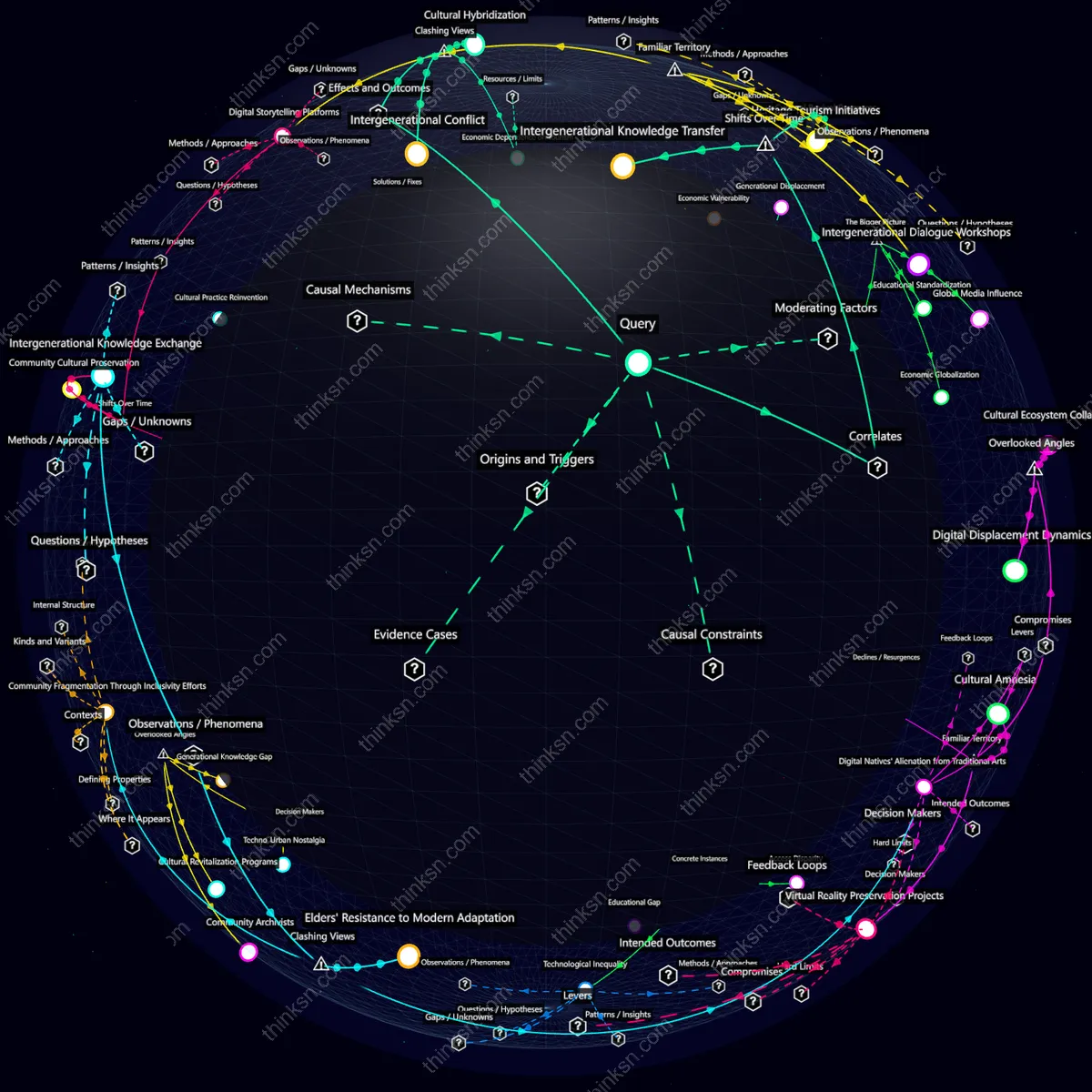
Analysis reveals 6 key thematic connections.
Key Findings
Speculative Investment Boom
The speculative investment boom, fueled by social media influencers and robo-advisors, shifts young investors' focus from stable retirement savings to high-risk assets. This trend amplifies short-term gains but risks catastrophic losses if market conditions deteriorate.
Financial Education Gaps
Lack of comprehensive financial education among younger generations leaves them vulnerable to speculative investment schemes, often marketed as 'easy money.' This gap in knowledge exacerbates wealth inequality and leads to significant financial stress when these investments fail to meet expectations.
Regulatory Lag
Inadequate regulation of fintech platforms and crypto assets allows for aggressive marketing tactics targeting young investors. The delay in updating regulatory frameworks enables systemic risks that could lead to a financial crisis, particularly if speculative bubbles burst without warning.
Financial Insecurity
The shift towards speculative investments from traditional retirement savings could lead to increased financial insecurity among the new generation, as these high-risk strategies may not yield consistent returns, exposing individuals to significant volatility and potential losses. This can undermine their long-term stability and exacerbate economic disparities.
Market Speculation Boom
Abandoning traditional savings for speculative investments could fuel a market speculation boom among young investors, driving up asset prices and creating bubbles in sectors like technology or real estate. This short-term excitement may attract more inexperienced investors into these risky behaviors, amplifying systemic risks.
Regulatory Dilemma
The trend towards speculative investments might strain existing financial regulations designed to protect traditional retirement accounts, prompting governments and regulatory bodies to confront the challenge of balancing innovation with investor protection. This could lead to debates over the role of government in personal finance decisions.
Deeper Analysis
How does regulatory lag contribute to the risks faced by the new generation when they abandon traditional retirement savings for speculative investments over time?
Speculative Investment
Regulatory Lag creates a window of opportunity for speculative investments to thrive despite regulatory oversight, luring younger investors who seek high returns but are unaware of the systemic risks and potential losses. This misalignment between financial regulations and market realities can exacerbate economic volatility and amplify investor vulnerability.
Retirement Security
As younger generations shift towards speculative investments due to perceived higher returns, regulatory lag undermines traditional retirement savings vehicles, potentially eroding long-term security. This shift not only exposes individuals to greater financial risk but also diminishes the collective stability of pension systems and retirement funds, highlighting a fragile dependency on timely regulation.
Behavioral Finance
Regulatory Lag can distort individual investment behaviors by creating an environment where speculative investments appear more attractive than conservative options due to delayed regulatory action. This misperception fosters risky financial decisions and reinforces the need for psychological insights into investor behavior, as behavioral finance reveals how cognitive biases interact with regulatory shortcomings.
Speculative Investment Boom
Regulatory lag often allows speculative investment booms to flourish unchecked as regulators struggle to keep up with evolving financial instruments and market dynamics. This delay in regulatory response can lead to significant risks for young investors who may not fully appreciate the long-term consequences of abandoning traditional retirement savings.
Retirement Security Crisis
The failure to regulate speculative investment promptly leads to a retirement security crisis as younger generations face potential financial instability in their later years. This systemic risk is exacerbated by the rapid pace at which new investment vehicles emerge, outpacing regulatory oversight and leaving many vulnerable.
Financial Technology Disruption
Regulatory lag in the realm of fintech can create a fertile ground for disruptive technologies that challenge traditional financial regulation. This dynamic often results in a fragmented regulatory environment where innovative but potentially risky products are introduced without adequate safeguards, exposing younger investors to significant risks.
Explore further:
- What are the potential risks and trade-offs for the new generation if they opt for speculative investments over traditional retirement savings, and how might these choices strain their financial stability in later years?
- What are the key components and categories in Behavioral Finance that explain why the new generation is inclined towards speculative investments over traditional retirement savings, and how do these behaviors spatially distribute across different demographic groups?
What are the potential risks and trade-offs for the new generation if they opt for speculative investments over traditional retirement savings, and how might these choices strain their financial stability in later years?
Market Volatility
Speculative investments expose young investors to heightened market volatility, amplifying the risk of sudden financial losses. A single market downturn could decimate a speculative portfolio, leaving younger generations with little time to recover and potentially impacting their long-term retirement savings adversely.
Behavioral Bias
Speculative investment often exploits psychological biases such as overconfidence or the gambler's fallacy, encouraging young investors to take on excessive risk in pursuit of quick gains. This can lead to poor financial decision-making and a misalignment with long-term savings goals.
Wealth Inequality
Younger generations opting for speculative investments may exacerbate wealth inequality by disproportionately benefiting those who already have the capital and knowledge necessary to navigate complex markets, leaving less privileged individuals behind in terms of financial stability and retirement readiness.
What are the key components and categories in Behavioral Finance that explain why the new generation is inclined towards speculative investments over traditional retirement savings, and how do these behaviors spatially distribute across different demographic groups?
Loss Aversion
In the realm of Behavioral Finance, loss aversion leads young investors to shun traditional retirement savings in favor of speculative investments that promise high returns. This psychological bias makes individuals fear potential losses more than they desire gains, prompting them to take excessive risks with their finances. As a result, younger generations may neglect long-term financial stability for the allure of short-term profits.
Social Media Influence
Behavioral Finance reveals how social media platforms amplify herd mentality and speculative behavior among young investors. By following influencers who tout rapid gains from day trading or cryptocurrency speculation, younger generations are increasingly drawn into high-risk investments without fully understanding the underlying risks. This trend exacerbates financial instability for inexperienced investors while enriching a select few.
Explore further:
- How might loss aversion impact the new generation's financial decisions and outcomes as they transition from traditional retirement savings to speculative investments over time?
- To what extent do social media trends and influencer recommendations impact the new generation's decision to shift from traditional retirement savings to speculative investments, and how might this affect their financial stability under various economic stress scenarios?
How might loss aversion impact the new generation's financial decisions and outcomes as they transition from traditional retirement savings to speculative investments over time?
Behavioral Finance
Loss aversion can distort the new generation's financial decisions by making them overly risk-averse towards traditional retirement savings and speculative investments. Young investors might delay diversifying their portfolios, fearing potential losses in volatile markets, which could undermine long-term wealth accumulation.
Retirement Anxieties
As younger generations face uncertainties like climate change and economic instability, loss aversion amplifies anxieties about retirement savings. This can lead to speculative investment choices in hopes of quick returns, exposing them to higher risks that could jeopardize their financial security.
Market Volatility
In times of market volatility, loss aversion triggers a herd mentality among young investors, leading to rapid sell-offs and panic-driven decision-making. This can exacerbate financial downturns and limit recovery opportunities, creating fragile dependencies on economic stability.
To what extent do social media trends and influencer recommendations impact the new generation's decision to shift from traditional retirement savings to speculative investments, and how might this affect their financial stability under various economic stress scenarios?
Speculative Investment Trends
Social media trends often amplify speculative investment behaviors among young investors by showcasing rapid gains through influencer endorsements. This can lead to herd behavior, where individuals make impulsive financial decisions without a thorough understanding of risk, potentially undermining long-term retirement savings goals and financial stability.
Financial Education Gap
The rise in social media influence has widened the gap between informal financial knowledge gained from online platforms and formal education. This disparity can result in younger generations prioritizing short-term gains over long-term wealth accumulation, leaving them vulnerable to economic downturns when speculative investments falter.
Economic Stress Scenarios
Social media influence can exacerbate the impact of economic stress scenarios on young investors by creating panic or false confidence through viral content. During recessions, for instance, overly optimistic narratives spread via influencers may discourage individuals from diversifying their portfolios and adapting to market realities.
What are the emerging insights and diverse perspectives on how shifting from traditional retirement savings to speculative investments might exacerbate or mitigate retirement anxieties among the new generation?
Cryptocurrency Investments
As younger generations shift from traditional retirement savings to speculative investments like cryptocurrencies, the volatility and lack of regulatory oversight can exacerbate retirement anxieties. Investors may experience significant wealth fluctuations, leading to stress over financial security in old age.
Roth IRA Conversions
The trend towards converting Traditional IRAs to Roth IRAs has created a paradox where younger investors are paying taxes now to avoid higher rates later. This strategy may seem prudent but can also create liquidity issues, increasing anxieties about long-term financial stability.
Peer-to-Peer Lending
Emerging platforms for peer-to-peer lending offer high returns and direct engagement with borrowers, yet the risks of default or fraud are significant. This investment avenue can mitigate retirement savings anxiety by providing higher yields but also introduces new vulnerabilities to financial health.
How has the financial education gap influenced the shift towards speculative investments among the new generation and what are the potential trajectories for their future financial stability?
Speculative Investment Trends
The financial education gap has redirected young investors towards speculative investments like cryptocurrencies and initial coin offerings (ICOs), where high-risk, short-term gains dominate over long-term stability. This shift is driven by a lack of understanding about the fundamentals of finance, leading to increased vulnerability during market downturns.
Institutional Investment Gaps
Financial literacy programs often fail to address the needs of diverse populations, leaving many young people without adequate guidance. This gap has enabled institutional biases in financial education, focusing on traditional investment vehicles while ignoring the digital and speculative avenues that attract younger investors, further isolating them from stable financial practices.
Regulatory Inadequacy
As speculative investments become more prevalent among less financially educated individuals, regulatory bodies face challenges in implementing protective measures. This inadequacy can exacerbate risks for young investors who may lose substantial amounts of money due to a lack of oversight and consumer protection.
What are the potential risks and trade-offs for the new generation if they shift their retirement savings towards peer-to-peer lending instead of traditional methods, especially during economic downturns?
Market Volatility
During economic downturns, market volatility can amplify the risks for peer-to-peer lenders. Investors shifting from traditional methods to P2P lending face higher default rates and liquidity issues as borrowers struggle with financial hardships.
Regulatory Oversight
The lack of stringent regulatory oversight in some jurisdictions exposes new generation investors to fraud, mismanagement, and unexpected legal challenges. Platforms may operate without adequate consumer protection measures, leading to significant losses for inexperienced savers during economic downturns.
Technological Risks
Dependence on technology increases the risk of cyber-attacks and data breaches in P2P lending platforms. During an economic crisis, platform vulnerabilities could lead to the loss or theft of retirement savings, undermining trust and financial security for young investors.
What are the hidden risks and emerging insights when the new generation opts for speculative investments over traditional retirement savings, considering potential institutional investment gaps?
Generational Wealth Disparity
The trend of younger generations opting for speculative investments rather than traditional retirement savings can exacerbate generational wealth disparity. As institutional investment gaps widen, younger investors may face higher risks due to market volatility and lower returns on speculative assets compared to stable, long-term investments like pensions or bonds. This shift could leave the younger generation financially vulnerable in their later years.
Regulatory Lag
Institutional investment gaps highlight regulatory lag as financial technologies and speculative trends outpace traditional oversight mechanisms. As new generations favor high-risk, high-reward investments like cryptocurrencies or meme stocks, outdated regulations may fail to protect investors from systemic risks, leading to potential market crashes or fraud cases that disproportionately affect less experienced younger investors.
What are potential strategies and alternative scenarios for mitigating technological risks when new generations invest in speculative markets instead of traditional retirement savings?
Algorithmic Trading Disruptions
High-frequency trading algorithms can amplify market volatility when new investors unfamiliar with the speculative markets trigger unexpected large-scale trades. This disrupts market stability and exposes traditional retirement savers to sudden, unpredictable financial risks.
Cybersecurity Breaches in Financial Data
Rapid expansion of digital platforms for investment can lead to increased cybersecurity threats as more sensitive data becomes accessible. A breach could expose personal information of young investors and traditional savers alike, leading to significant financial and reputational damage.
Dependency on Unproven Blockchain Technologies
Investors moving funds into speculative markets based on untested blockchain technologies may face sudden devaluations if these systems prove unreliable or unsustainable. This shifts the risk profile from traditional savings to more volatile and less predictable digital assets.
How does the shift from traditional retirement savings to speculative investments influence generational wealth disparity over time?
Financial Inequality
The shift from traditional retirement savings to speculative investments amplifies financial inequality between generations. Younger investors increasingly rely on volatile markets, exposing them to significant risks and potential losses that older generations with stable pension funds did not face.
Economic Mobility
Speculative investment trends erode economic mobility by concentrating wealth among those already invested in the stock market. This creates a fragile dependency on market performance, where even small downturns can disproportionately affect younger generations' ability to accumulate long-term assets.
Intergenerational Conflict
The divergence in investment strategies between older and younger cohorts fuels intergenerational conflict over economic policy. Younger generations advocate for stricter regulations on speculative markets, while older generations resist change to protect their accumulated wealth, deepening societal divisions.