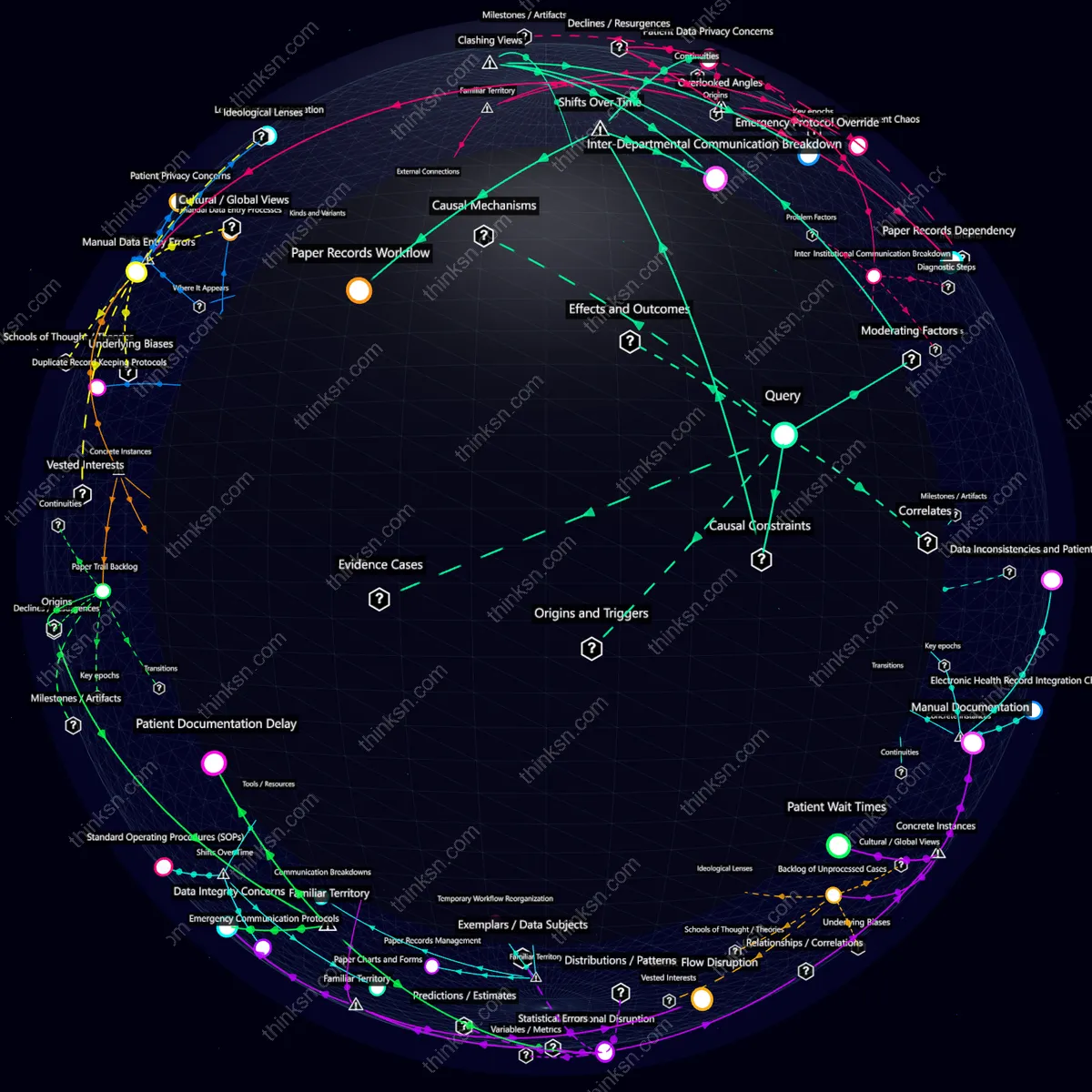
Emergency Department Response to Electronic Health Record System Failure
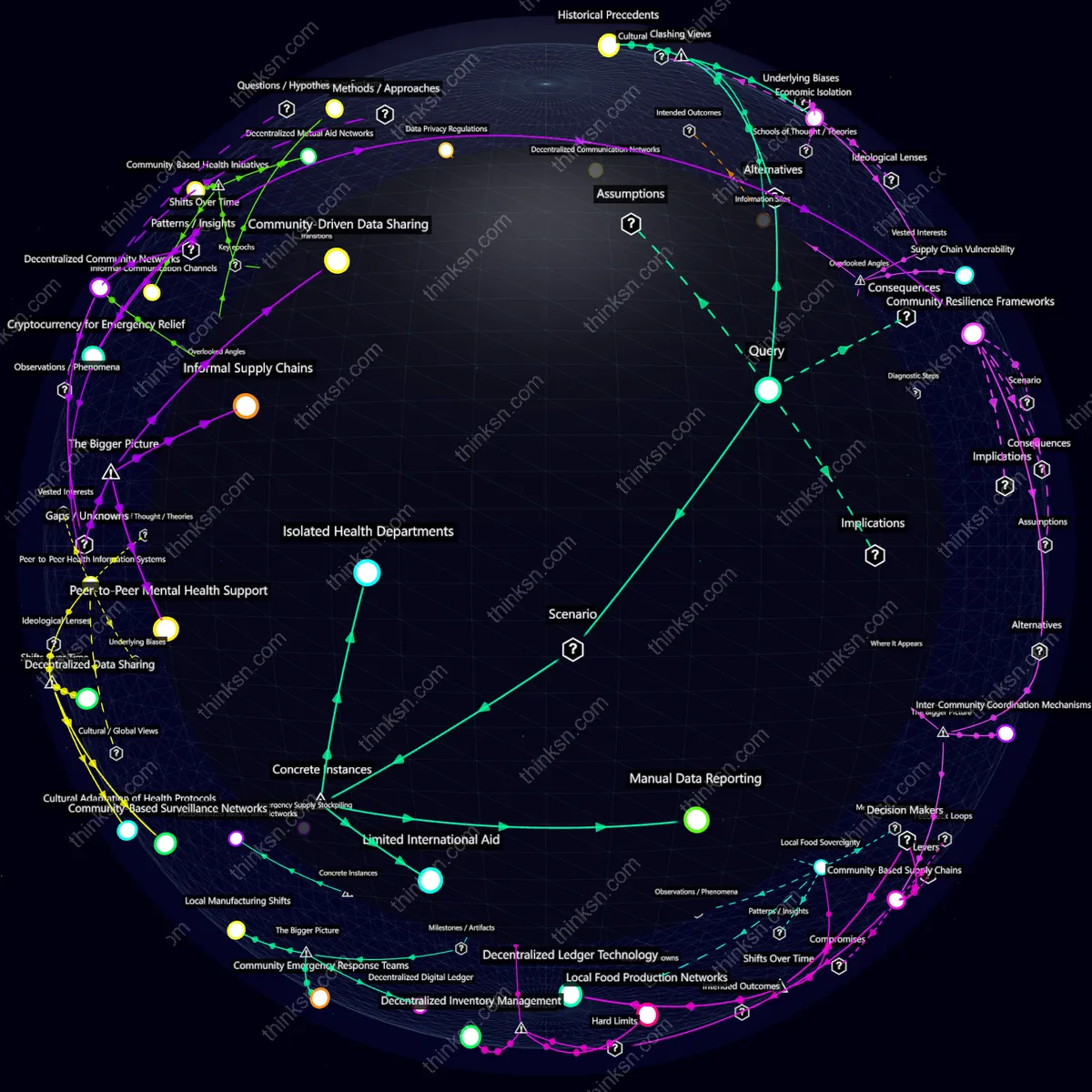
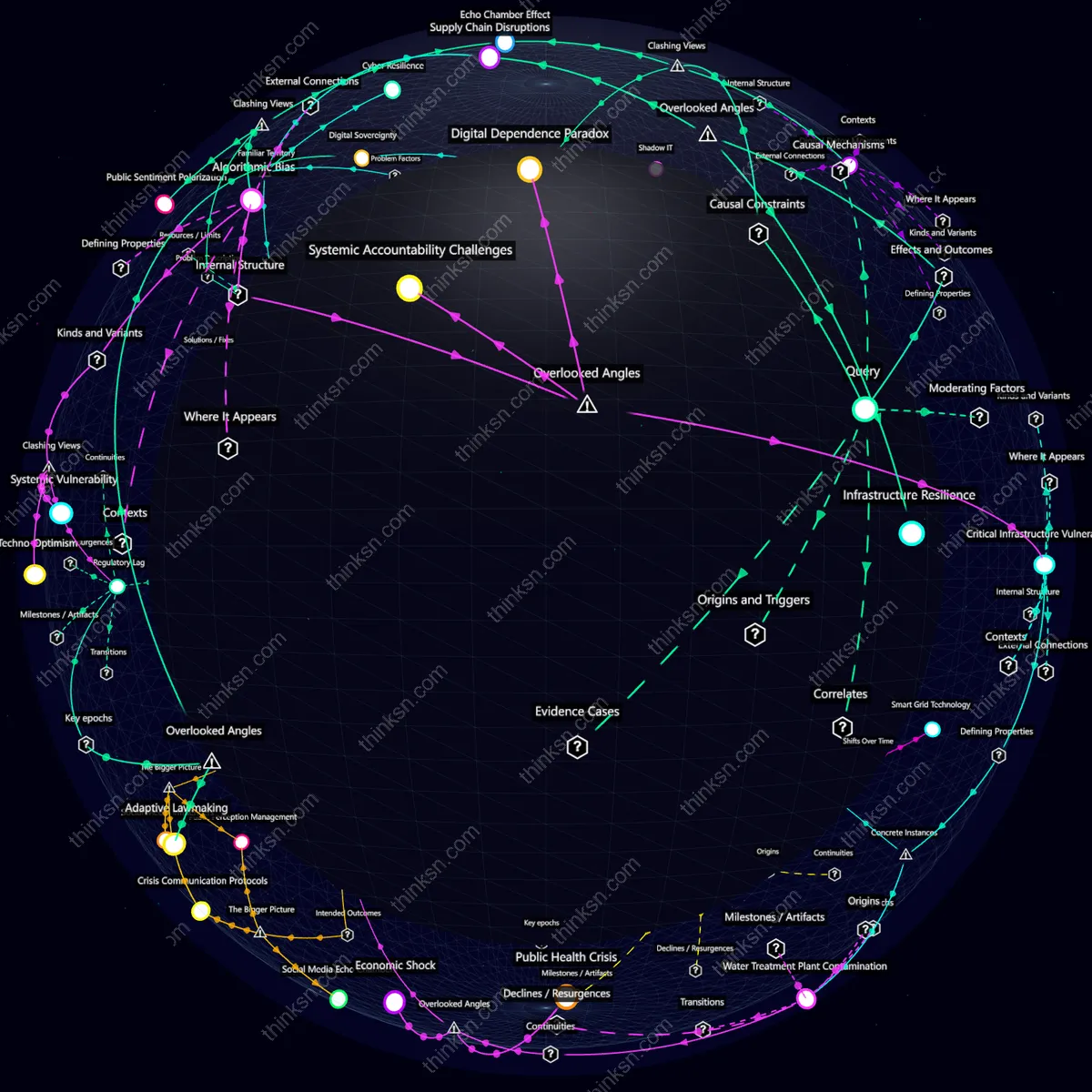
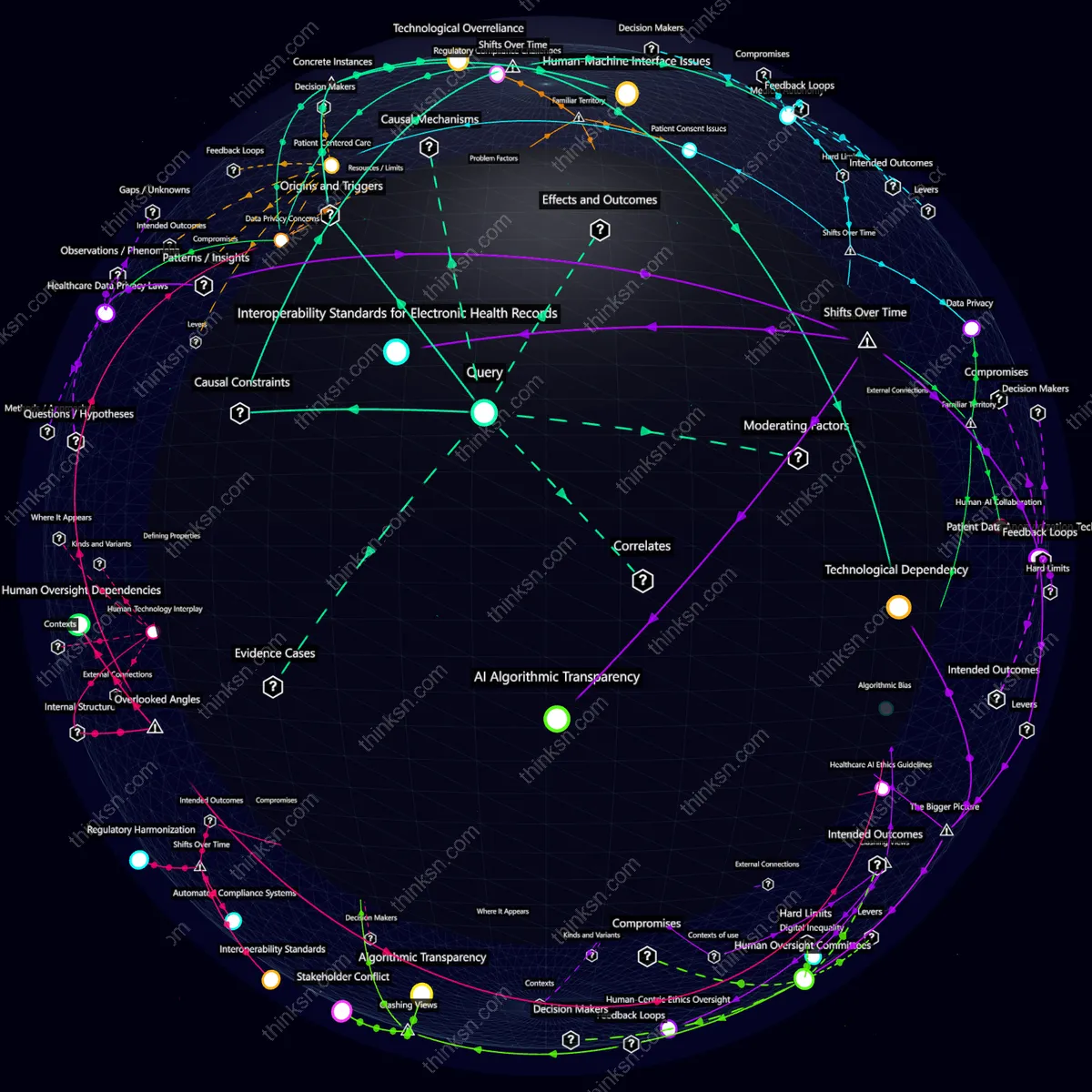
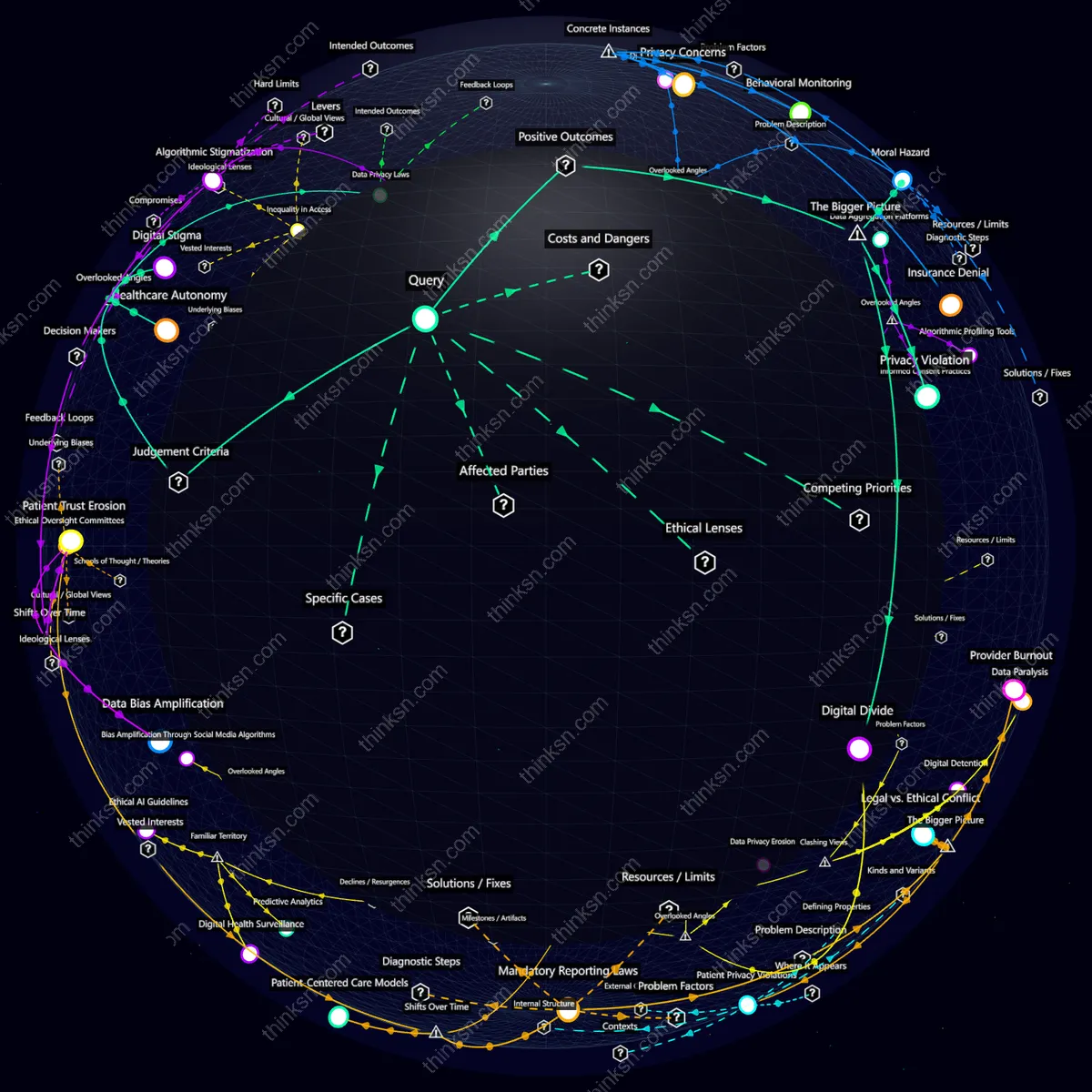
Analysis reveals 5 key thematic connections.
Key Findings
Paper-Based Fallback System
When electronic health records (EHR) fail, hospitals rely on paper-based fallback systems. This shift not only delays patient care but also increases the risk of medical errors due to miscommunication or data loss, highlighting the fragility of relying solely on digital infrastructure.
Emergency Protocol Override
In emergencies where EHRs are unavailable, emergency protocols may be overridden by staff improvisation. While this can expedite patient care, it often leads to inconsistent treatment practices and a higher likelihood of legal disputes over documentation accuracy and compliance.
Inter-Departmental Communication Breakdown
A failure in EHR systems creates bottlenecks in inter-departmental communication. Clinicians may resort to verbal or manual communication channels, which can lead to a fragmented patient care experience and potential loss of critical information as it moves between departments.
Paper Records Workflow
When electronic health records fail, hospitals rely on paper records for patient care. This shift introduces a bottleneck in the emergency department as staff must manually input critical information, slowing response times and increasing the risk of human error.
Patient Data Privacy Concerns
In the absence of electronic systems, handling paper records poses significant risks to patient data privacy. Unauthorized access or loss of sensitive documents can lead to breaches, damaging trust in healthcare institutions and resulting in legal liabilities for hospitals.
Deeper Analysis
How do patient data privacy concerns evolve over time when electronic health records are unavailable in emergency departments due to system issues?
Analogous Paper Records
The reliance on paper records during system outages can exacerbate data privacy concerns as manual handling increases the risk of breaches. Staff may cut corners in securing these documents, leading to potential unauthorized access and breaches, highlighting the fragility of physical safeguards compared to digital ones.
Emergency Department Chaos
System failures can lead to chaotic environments where patient data privacy is often compromised due to rushed decision-making and communication breakdowns. Emergency staff may prioritize speed over confidentiality, inadvertently sharing sensitive information among multiple caregivers in high-pressure situations.
Paper Records Dependency
In the absence of electronic health records (EHR), emergency departments rely heavily on paper records, creating a dependency that can exacerbate patient data privacy concerns. Manual handling increases the risk of breaches through loss or unauthorized access, highlighting the fragility of physical document security and the need for robust fallback mechanisms.
Inter-Institutional Communication Breakdown
Without EHRs, inter-institutional communication during emergency transfers often relies on verbal exchanges or faxes, which are inherently insecure. This can lead to inconsistencies in patient information and potential breaches of confidentiality, underscoring the critical importance of secure and reliable data sharing systems.
Manual Data Entry Errors
The reliance on manual data entry during system outages introduces a significant risk of human error, leading to inaccuracies in patient records. This not only compromises privacy but also affects the quality of care, underscoring the need for fail-safes and backup systems that maintain both accuracy and confidentiality.
Explore further:
- In the absence of electronic health records, how are analog paper records utilized within the emergency department's protocol to maintain operational continuity?
- In the event of inter-institutional communication breakdowns due to electronic health record system failures, what are the measurable systemic strains and potential failure points in the emergency department's response protocol?
In the absence of electronic health records, how are analog paper records utilized within the emergency department's protocol to maintain operational continuity?
Manual Data Entry Processes
Emergency departments resorting to manual data entry from paper records risk human error and delays in patient care due to the time-consuming nature of transcribing information, potentially compromising real-time decision-making.
Paper-Based Medical Record Tracking Systems
Inefficient tracking systems for paper medical records can lead to critical documentation being misplaced or lost, jeopardizing continuity of care and patient safety in high-stress emergency settings where quick access is paramount.
Duplicate Record Keeping Protocols
Emergency departments often implement duplicate record-keeping protocols to mitigate the risks associated with paper-based systems, which can inflate administrative burdens and increase costs without guaranteeing improved operational efficiency or patient outcomes.
Manual Data Entry Errors
In emergency departments lacking electronic health records (EHRs), manual data entry from paper records often introduces errors, risking patient safety and complicating billing processes. The reliance on human memory to transfer information accurately can result in life-threatening delays or medical misdiagnoses.
Legacy Systems Integration
Paper records necessitate complex legacy system integration when transitioning between different healthcare providers or departments, often revealing outdated protocols and logistical challenges. This creates inefficiencies and potential legal liabilities as data may not be easily accessible during critical moments of patient care.
Patient Privacy Concerns
The use of paper records exposes patients to heightened risks of privacy breaches due to the physical nature of documentation. Stolen or lost files can lead to significant legal repercussions and loss of trust in healthcare providers, underscoring the fragility of analog systems.
Explore further:
- How do paper-based medical record tracking systems perform under stress when electronic health records are unavailable in emergency departments, and what are the measurable systemic strains and trade-offs observed?
- What are the potential impacts and hidden assumptions when manual data entry is used as a fallback for emergency department operations due to electronic health records unavailability?
How do paper-based medical record tracking systems perform under stress when electronic health records are unavailable in emergency departments, and what are the measurable systemic strains and trade-offs observed?
Manual Documentation Errors
In emergency departments, the reliance on manual documentation for medical records under stress conditions often leads to errors and omissions. These mistakes can have severe consequences, including delayed treatments or incorrect patient diagnoses, highlighting a critical dependency on flawless human performance.
Training Gaps
Understaffed healthcare settings exacerbate the strain on paper-based systems as staff members may lack adequate training to handle emergency medical records efficiently. This gap in preparation can lead to inefficient record-keeping, delayed patient care, and increased stress among medical professionals.
Manual Data Entry Errors
In emergency departments relying on paper-based systems, the rush and pressure of time-sensitive patient care often lead to clerical mistakes. For instance, during a mass casualty incident, overwhelmed staff may misfile or inaccurately record critical medical information, leading to potential life-threatening errors in treatment.
Paper Trail Backlog
When electronic health records are unavailable and paper-based systems dominate, the accumulation of unprocessed patient data can create significant bottlenecks. Hospitals like St. Mary’s during a major flu outbreak saw their administrative staff struggle to manage thousands of incomplete paper forms, delaying treatment for incoming patients.
Dependency on Physical Infrastructure
The reliance on physical storage solutions such as filing cabinets and manual record-keeping exposes hospitals to risks like fire or flood damage. In 2015, a hospital in Oklahoma experienced a severe water leak that destroyed critical paper records, highlighting the vulnerability of this system's infrastructure.
Explore further:
- How do training gaps in emergency department staff evolve over time as a response to system issues affecting electronic health records availability?
- How does a paper trail backlog evolve in an emergency department when electronic health records are unavailable, and what mechanisms drive this change over time?
How do training gaps in emergency department staff evolve over time as a response to system issues affecting electronic health records availability?
Electronic Health Record Integration Challenges
As emergency departments integrate new electronic health record (EHR) systems, staff often face significant training gaps due to rushed implementations and inadequate onboarding. This leads to initial patient care delays and higher error rates, as staff rely more heavily on inefficient paper-based methods until they become proficient with EHRs.
Clinical Workflow Disruptions
When emergency department staff experience frequent system outages or user interface issues in EHR systems, it disrupts established clinical workflows. This creates a cycle where training gaps widen as staff struggle to balance patient care demands with technical difficulties, leading to increased stress and burnout among healthcare providers.
Data Inconsistencies and Patient Safety Risks
Training gaps in EHR usage can result in inconsistent data entry, affecting the accuracy of medical records. This can lead to serious patient safety risks, such as medication errors or missed critical diagnoses due to incomplete information, highlighting the fragile dependency between effective training and patient care outcomes.
How does a paper trail backlog evolve in an emergency department when electronic health records are unavailable, and what mechanisms drive this change over time?
Patient Documentation Delay
When electronic health records are unavailable in an emergency department, patient documentation delays escalate as staff rely on manual paper trails. This backlog not only slows down the admission process but also increases the risk of medical errors and patient dissatisfaction due to prolonged wait times.
Operational Disruption
The surge in paper trail backlogs during emergencies can lead to operational disruptions, as staff struggle with manual record-keeping. This situation often results in a fragmented workflow where clinicians are pulled away from patient care to manage documentation tasks, leading to potential overburdening of already stressed healthcare workers.
Data Integrity Concerns
A significant paper trail backlog introduces data integrity concerns as manual processes increase the likelihood of errors and inconsistencies. This can lead to critical delays in patient care decisions and hinder effective communication among interdisciplinary teams, exacerbating the challenges faced during emergency situations.
In the context of operational disruptions, how is the emergency department's response quantified when electronic health records are unavailable due to system issues?
Manual Documentation
When electronic health records are unavailable, manual documentation becomes crucial but burdensome. Emergency departments may face delays and increased errors as staff revert to paper charts, risking patient safety due to miscommunication and lost data.
Patient Wait Times
Operational disruptions leading to longer wait times can exacerbate the emergency department's stress levels, potentially causing more patients to leave without being seen. This not only affects patient satisfaction but also strains available resources further as remaining cases become more complex.
Backlog of Unprocessed Cases
System failures often lead to a backlog of unprocessed medical records and delayed treatments, which can spiral into a crisis if not managed effectively. Hospitals may see a surge in patient complaints and legal challenges as the ripple effects extend beyond immediate operational disruptions.
Manual Workarounds
When electronic health records are unavailable due to system issues, emergency departments fall back on manual workarounds. This shift increases the risk of human error and delays in patient care, as staff must rely heavily on paper documentation and verbal communication, which can be less efficient and more prone to misinterpretation.
Patient Flow Disruption
The unavailability of electronic health records during operational disruptions creates a bottleneck in patient flow. Emergency department staff struggle to manage triage efficiently without digital support, potentially leading to longer wait times, overcrowding, and increased stress for both patients and healthcare providers.
Data Integrity Concerns
Without electronic health records, ensuring the integrity of medical data becomes a significant challenge. Paper-based systems are more susceptible to loss or damage, raising concerns about the completeness and accuracy of patient information during critical times when every detail could be crucial for effective treatment.
Explore further:
- In the context of electronic health records being unavailable, how might a backlog of unprocessed cases affect emergency department operations and patient care from various perspectives?
- What are the procedural manual workarounds and alternative workflows that hospitals implement to ensure patient care continuity when electronic health records are unavailable due to system issues?
What are the procedural manual workarounds and alternative workflows that hospitals implement to ensure patient care continuity when electronic health records are unavailable due to system issues?
Paper Charts and Forms
The reliance on paper charts during electronic health record outages can lead to delays in patient care due to manual data entry, increasing the risk of human error. This shift from digital to analog systems highlights the critical need for robust training and clear protocols among staff to mitigate potential harm.
Emergency Communication Protocols
Instituting emergency communication channels like pagers or radios ensures rapid information dissemination during system failures, but this creates a dependency on outdated technology that may not be as reliable in modern healthcare settings. The fragility of these systems underscores the need for continuous technological updates and redundancy planning.
Standard Operating Procedures (SOPs)
SOPs serve as crucial guides during manual workarounds, but their effectiveness hinges on thorough staff training and adherence to protocol. Inconsistent compliance can lead to patient safety risks and legal liabilities, emphasizing the critical role of continuous education and regular drills.
Paper Records Management
The switch to paper records during electronic health record outages often reveals inefficiencies and potential for human error. Nurses and doctors must meticulously track patient information manually, risking data loss or miscommunication that could impact patient care.
Communication Breakdowns
Manual workarounds can exacerbate communication gaps between departments and healthcare providers. When electronic systems fail, critical alerts and updates may not reach all relevant parties in a timely manner, increasing the risk of medical errors or delayed treatments.
Temporary Workflow Reorganization
Implementing temporary workflows to bypass electronic systems often strains staff capacity and morale. Overburdened healthcare workers must adapt quickly to new procedures, potentially leading to burnout and reduced quality of care during system outages.