AI Legal Advice: Threat to Traditional Law Firms and Justice
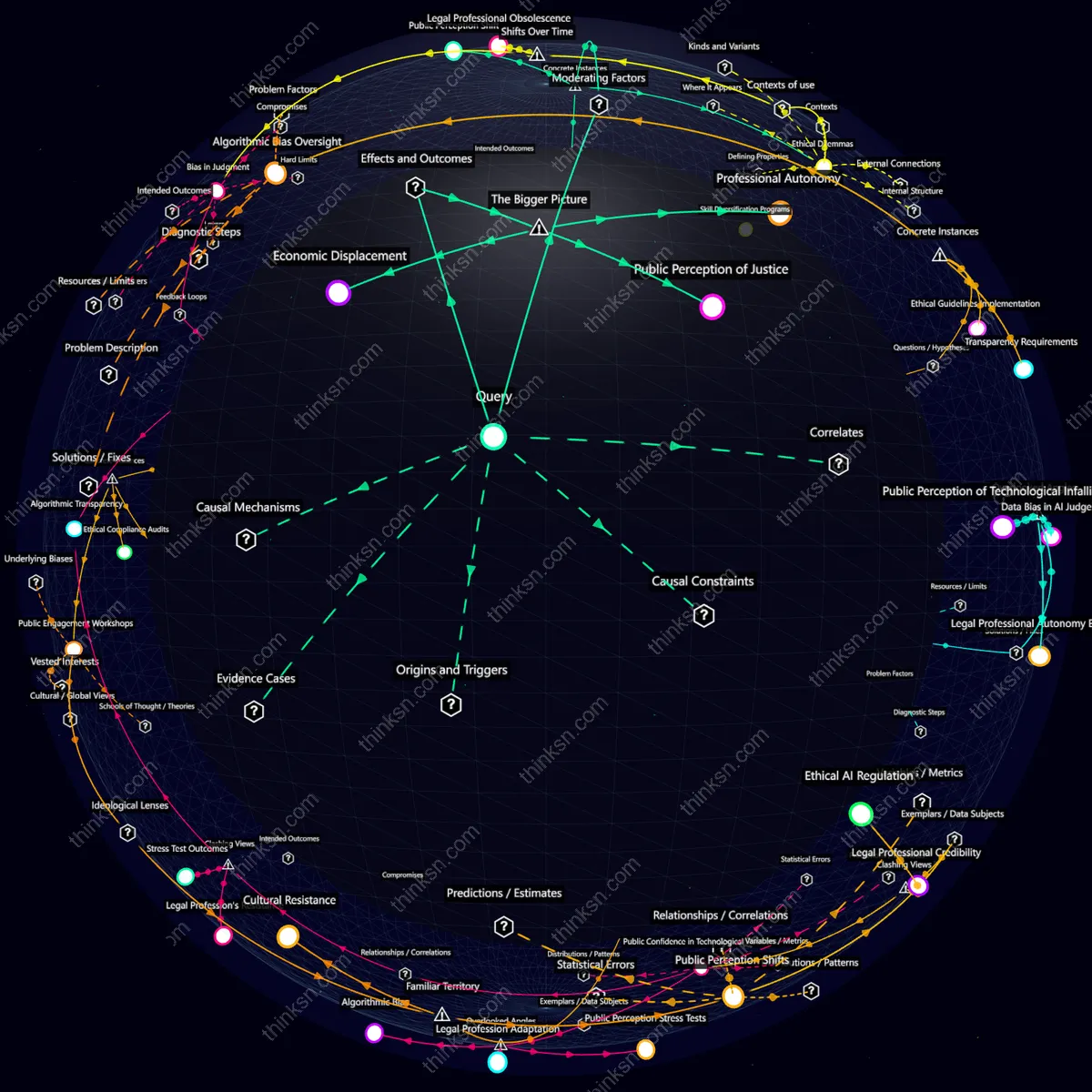
Analysis reveals 3 key thematic connections.
Key Findings
Digital Divide
AI-driven legal advice platforms exacerbate the digital divide by disproportionately benefiting those with high-speed internet and tech literacy, leaving marginalized groups further behind in accessing justice due to their limited access to these technologies.
Legal Ethics
The shift towards AI-driven legal services raises significant ethical concerns about confidentiality, competence, and client trust, as lawyers struggle to maintain traditional ethical standards while integrating new technological tools that may compromise human oversight.
Regulatory Lag
As AI legal advice platforms evolve rapidly, there is a noticeable lag in regulatory frameworks, leaving gaps where these technologies might be exploited or misused, thus undermining public confidence in both the technology and traditional legal systems.
Deeper Analysis
What emerging legal ethical concerns arise from AI-driven legal advice platforms and how might they affect access to justice for marginalized communities?
Algorithmic Bias in Sentencing
The use of AI-driven legal advice platforms often relies on historical data for predictive sentencing, which can perpetuate biases against marginalized communities. This not only undermines the fairness and impartiality required by Legal Ethics but also leads to disproportionate incarceration rates for these groups.
Privacy Rights Erosion
AI legal advice platforms require extensive personal data collection to provide tailored advice, which can lead to significant privacy violations. As users become more aware of the risks associated with sharing sensitive information online, they may be less inclined to seek necessary legal help, thereby exacerbating access to justice issues for marginalized communities.
Digital Divide in Legal Services
The increasing reliance on AI-driven platforms creates a new form of digital divide where individuals without adequate internet access or technological literacy are further excluded from quality legal services. This exclusionary effect can severely limit the ability of marginalized groups to navigate complex legal issues, reinforcing existing social inequalities.
Data Privacy Risks in Legal Advice Platforms
The use of AI for legal advice necessitates collecting extensive personal data from users, creating significant risks around privacy and security. For marginalized communities, the potential misuse or exposure of sensitive legal information can have severe consequences, including social stigma and further marginalization.
Digital Divide in Access to Justice
As AI-driven platforms become more prevalent, there is a risk that those without reliable internet access or digital literacy skills will be left behind. This exacerbates the existing gap in legal representation for marginalized communities who are already less likely to have effective access to justice.
Explore further:
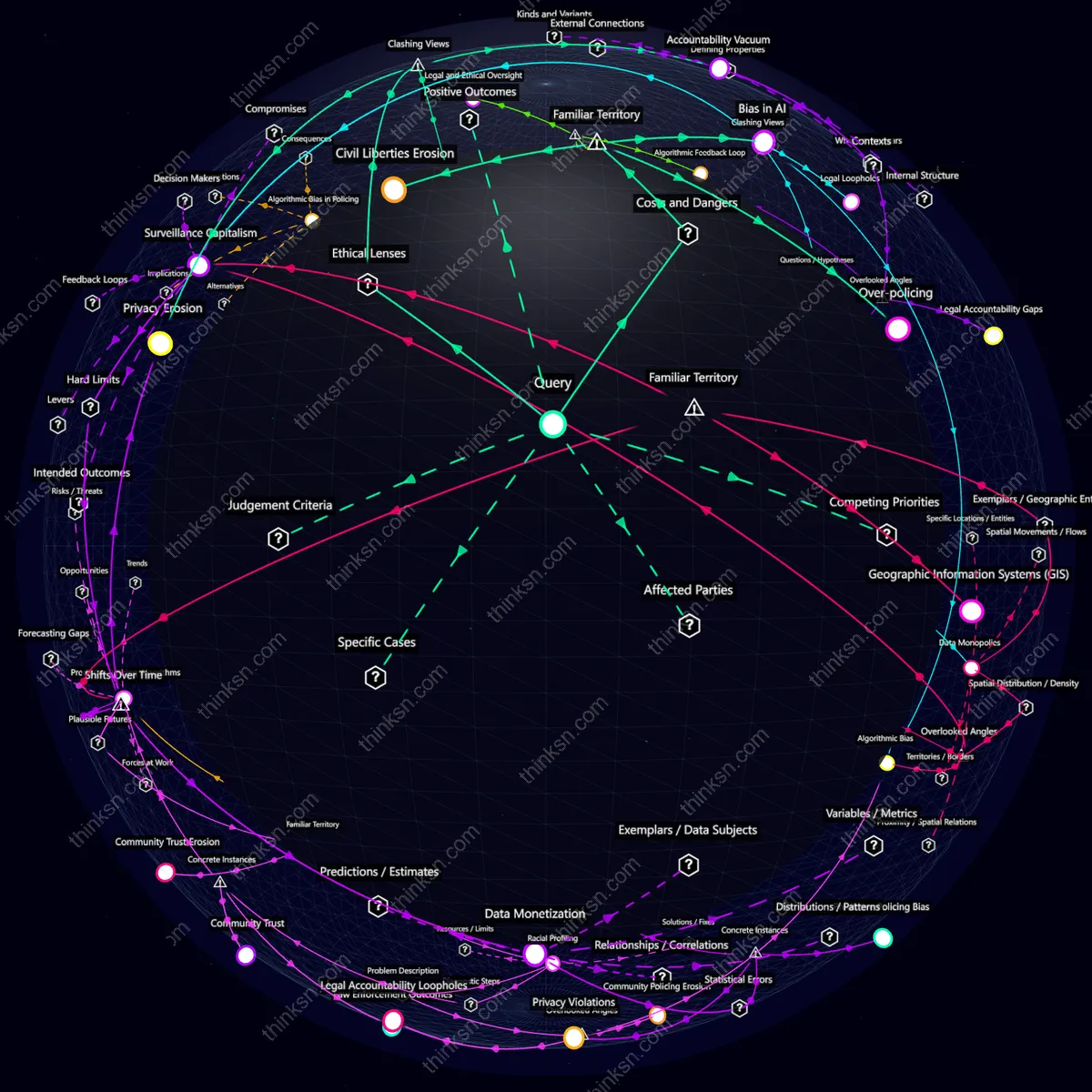
How might AI-driven legal advice platforms potentially erode privacy rights over time and what are the implications for marginalized groups' access to justice?
Data Aggregation Platforms
AI-driven legal advice platforms may rely on extensive data aggregation from users, which can lead to privacy erosion as sensitive information becomes centralized. This puts marginalized groups at risk of discrimination or surveillance, undermining their access to justice.
Algorithmic Bias
The use of AI in legal advice could perpetuate and amplify existing biases against marginalized communities by relying on historical data that reflects systemic inequalities, thus limiting these groups' ability to receive fair and unbiased legal guidance.
Digital Footprint Expansion
As users interact more with AI platforms for legal assistance, their digital footprints expand significantly. This increased visibility can expose individuals to privacy risks and further exacerbate the surveillance capitalism dynamic, disproportionately affecting marginalized groups who are already under greater scrutiny.
Data Aggregation Risks
AI-driven legal advice platforms collect vast amounts of personal data from users seeking guidance on privacy rights issues. Over time, the aggregation and centralization of this sensitive information can create new vulnerabilities for targeted attacks by hackers or misuse by platform operators, potentially leading to breaches that erode individuals' privacy further.
Algorithmic Bias in Legal Advice
As these platforms rely heavily on machine learning algorithms to provide legal advice, they may inadvertently perpetuate and even exacerbate existing biases against marginalized communities. This can result in less accurate or tailored advice for those who already face systemic barriers to accessing justice, thereby deepening the digital divide and undermining equal access to privacy rights protection.
Surveillance Capitalism
The business model of AI-driven legal advice platforms often revolves around monetizing user data through targeted advertising or selling anonymized datasets. This commodification of personal information can lead to a form of surveillance capitalism where users are constantly monitored and their privacy rights eroded for profit, creating an environment that prioritizes corporate gain over individual freedoms.
Explore further:
- How will data aggregation platforms evolve to support AI-driven legal advice and what mechanisms will drive changes in access to justice for marginalized groups over time?
- How might surveillance capitalism impact AI-driven legal advice platforms and their ability to serve marginalized communities effectively?
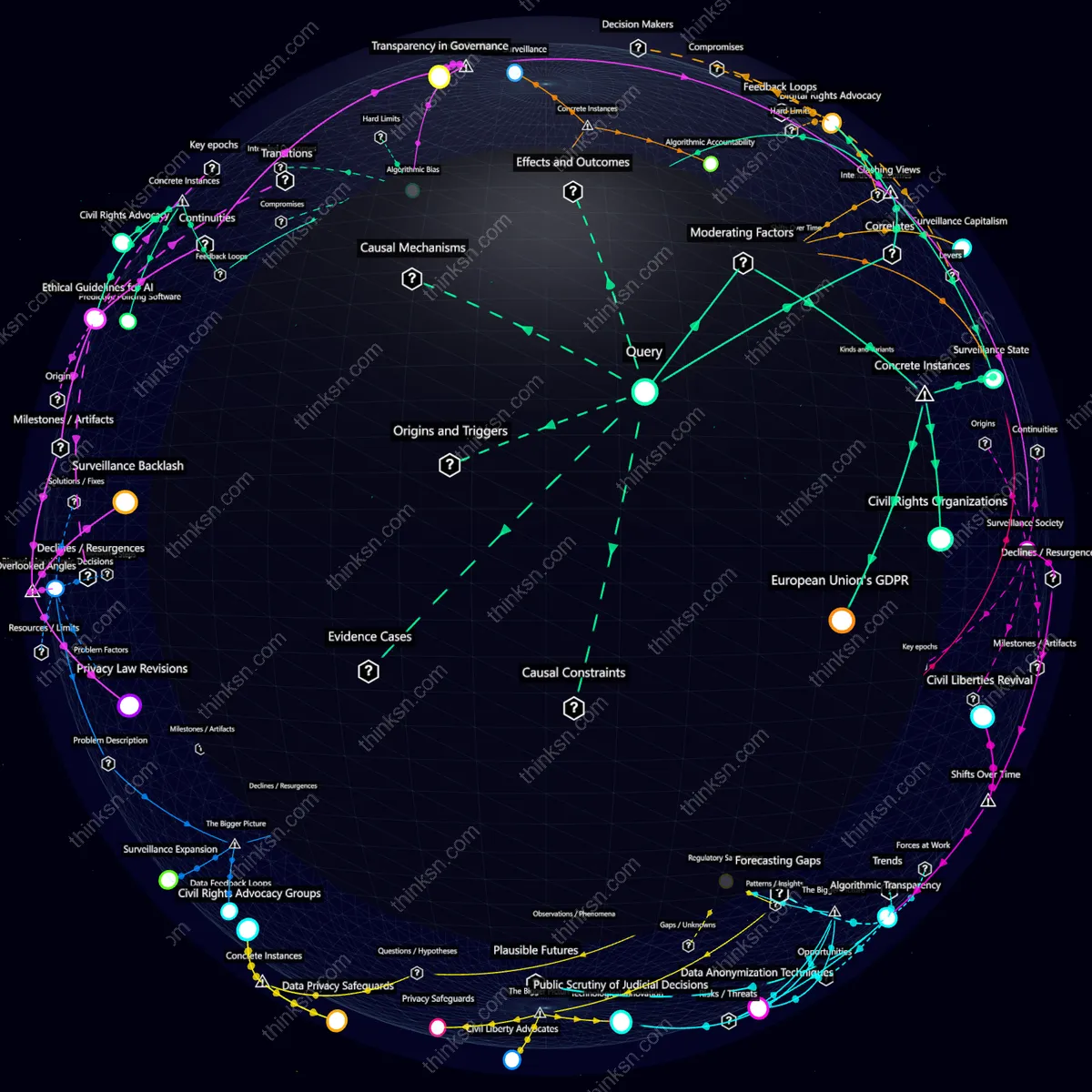
How will data aggregation platforms evolve to support AI-driven legal advice and what mechanisms will drive changes in access to justice for marginalized groups over time?
AI-Driven Legal Analytics
Data aggregation platforms increasingly rely on AI-driven legal analytics to predict case outcomes and identify relevant precedents. This shift can lead to a homogenization of legal advice, as algorithms may overlook unique circumstances in favor of statistical trends, potentially marginalizing individuals with unconventional but legally valid claims.
Open Access Legal Databases
The emergence of open access legal databases challenges traditional gatekeepers by democratizing legal information. However, this can exacerbate the digital divide for marginalized groups who lack reliable internet or technological literacy, thereby limiting their actual access to justice despite increased data availability.
Ethical Data Practices
As platforms collect more personal and sensitive data from users seeking legal advice, ethical considerations around privacy and consent become paramount. Striking a balance between leveraging user data for better services and protecting individual rights is crucial to maintaining public trust in these platforms.
Algorithmic Bias in Legal AI
As legal data aggregation platforms integrate more sophisticated AI algorithms for providing advice, the inherent biases present within legal datasets can lead to discriminatory outcomes. For example, historical legal decisions that reflect societal prejudices may be misinterpreted by AI as normative behavior, thereby perpetuating systemic inequalities.
Privacy Concerns in Data Sharing
The increasing reliance on data aggregation platforms for legal advice raises significant privacy concerns, particularly when dealing with sensitive personal information. The trade-off between the benefits of personalized legal guidance and the risk of exposing individuals to surveillance or exploitation by third parties creates a delicate balance that can undermine trust in these systems.
Explore further:
- What potential impacts could open access legal databases have on AI-driven legal advice platforms and their role in providing accessible justice to marginalized communities?
- What is the spatial distribution and impact of algorithmic bias in legal AI across different regions, and how might it affect access to justice for marginalized groups?
What potential impacts could open access legal databases have on AI-driven legal advice platforms and their role in providing accessible justice to marginalized communities?
Legal Technology Adoption Barriers
Open access legal databases could exacerbate existing inequalities by overwhelming less technologically adept lawyers and judges with an influx of complex, machine-readable data. This creates a steep learning curve that disproportionately affects marginalized communities who lack resources to bridge this digital divide.
Regulatory Capture in Data Standards
The push for open access legal databases might lead to regulatory capture by tech firms and large law firms, resulting in data standards that favor their interests over those of public interest groups or smaller legal practices. This could undermine the democratic potential of open legal data by making it less accessible to grassroots advocates.
Algorithmic Bias in Legal Advice
While open access databases aim to democratize legal advice, they may inadvertently reinforce existing biases if training datasets are skewed or inadequate. This could lead AI platforms to provide inaccurate or discriminatory advice, particularly for marginalized communities whose experiences and cases are underrepresented in the data.
Data Privacy Concerns
The expansion of open access legal databases increases the risk of exposing sensitive legal data to unauthorized users, particularly in regions with weaker data protection laws. This could lead to a chilling effect on the use of AI platforms by individuals concerned about privacy violations.
Cultural Relevance and Adaptation
AI-driven legal advice systems relying heavily on open access databases may struggle to adapt their content and language to culturally specific contexts, potentially alienating users who seek personalized and contextually relevant legal guidance. This could undermine the effectiveness of these platforms in serving marginalized communities.
Explore further:
- What are the potential impacts of algorithmic bias in AI-driven legal advice platforms on access to justice for marginalized communities, and how do these biases manifest within the structural components of such systems?
- What are the cultural relevance and adaptation strategies that AI-driven legal advice platforms need to employ to ensure they effectively serve marginalized communities, and how might this affect traditional legal practices spatially across different regions?
What are the potential impacts of algorithmic bias in AI-driven legal advice platforms on access to justice for marginalized communities, and how do these biases manifest within the structural components of such systems?
Data Feedback Loops
In AI-driven legal advice platforms, data feedback loops can exacerbate algorithmic bias when marginalized communities' unique needs are underrepresented or misunderstood. This perpetuates systemic inequalities as the algorithms become increasingly adept at replicating historical biases rather than addressing them.
Legal Representation Gap
Algorithmic bias in legal advice systems can widen the legal representation gap for marginalized groups by steering users towards standard, less effective remedies instead of tailored solutions that address their specific challenges. This creates a systemic barrier where those most in need are least likely to receive quality, personalized legal guidance.
Ethical Responsibility Shift
The reliance on AI-driven platforms for legal advice shifts the ethical responsibility from human lawyers to technology developers, who may not have the necessary legal expertise or cultural awareness. This can lead to a breakdown in accountability when biases manifest and harm marginalized communities.
Digital Divide
Algorithmic bias in AI-driven legal advice platforms exacerbates the digital divide by disproportionately denying marginalized communities access to justice, as these systems often lack the nuanced understanding of complex social and economic contexts faced by underrepresented groups.
Legal Inequality
The reliance on biased algorithms in legal advice platforms can lead to significant legal inequality, where automated decisions reinforce historical biases by failing to account for unique challenges faced by marginalized communities, such as language barriers or systemic discrimination.
Data Feedback Loop
A dangerous feedback loop emerges when AI systems trained on biased datasets continue to perpetuate and amplify existing social inequalities, trapping marginalized individuals in a cycle of inadequate legal representation and missed justice opportunities.
Explore further:
- How might data feedback loops in AI-driven legal advice platforms create biases that could impact access to justice for marginalized groups, and what emerging insights are there on mitigating these effects?
- What is the static mapping of components and categories involved in the ethical responsibility shift when AI-driven legal advice platforms are introduced, and how do these changes impact traditional legal practices and access to justice for marginalized groups?
How might data feedback loops in AI-driven legal advice platforms create biases that could impact access to justice for marginalized groups, and what emerging insights are there on mitigating these effects?
Algorithmic Bias Amplification
Data feedback loops in AI-driven legal advice platforms can amplify existing biases by over-representing certain user groups, leading to skewed outcomes. For instance, if the system primarily serves urban areas with higher internet access, it may neglect marginalized communities' unique needs, exacerbating justice disparities.
User Behavior Conditioning
Feedback loops can condition users to rely heavily on AI advice without seeking human legal counsel, especially in cases of complex or nuanced issues. This over-reliance might lead to inadequate representation and further marginalize individuals who need tailored support, as the system's generalized advice cannot address unique circumstances.
Data Quality Feedback Loop
The quality of data fed back into AI systems can degrade if users provide incomplete or misleading information due to lack of understanding or fear of legal repercussions. This cycle weakens overall platform effectiveness and undermines trust, particularly among vulnerable groups who may feel disinclined to share sensitive personal details.
What is the static mapping of components and categories involved in the ethical responsibility shift when AI-driven legal advice platforms are introduced, and how do these changes impact traditional legal practices and access to justice for marginalized groups?
Algorithmic Bias in Justice
The shift towards AI-driven legal advice platforms exacerbates algorithmic bias in justice systems. For instance, ProPublica's investigation of COMPAS (Correctional Offender Management Profiling for Alternative Sanctions) revealed racial biases affecting sentencing recommendations. As marginalized groups rely more on these platforms, subtle coding assumptions can perpetuate systemic inequalities.
Legal Profession Displacement
The rise of AI legal advice platforms threatens to displace traditional lawyers and paralegals who serve marginalized communities. In California, LegalZoom's expansion has led to concerns about the erosion of human-centered legal services in low-income areas where clients often need personalized support beyond algorithmic templates.
Data Privacy Concerns
As AI platforms collect sensitive data from users seeking legal advice, there is a significant risk of privacy breaches. For example, the Equifax data breach exposed millions of personal records, highlighting how digital platforms can become vectors for identity theft and other security threats. Marginalized populations are particularly vulnerable due to their limited access to alternative services.