How Public Charge Rules Punish Low-Income Green Card Seekers?
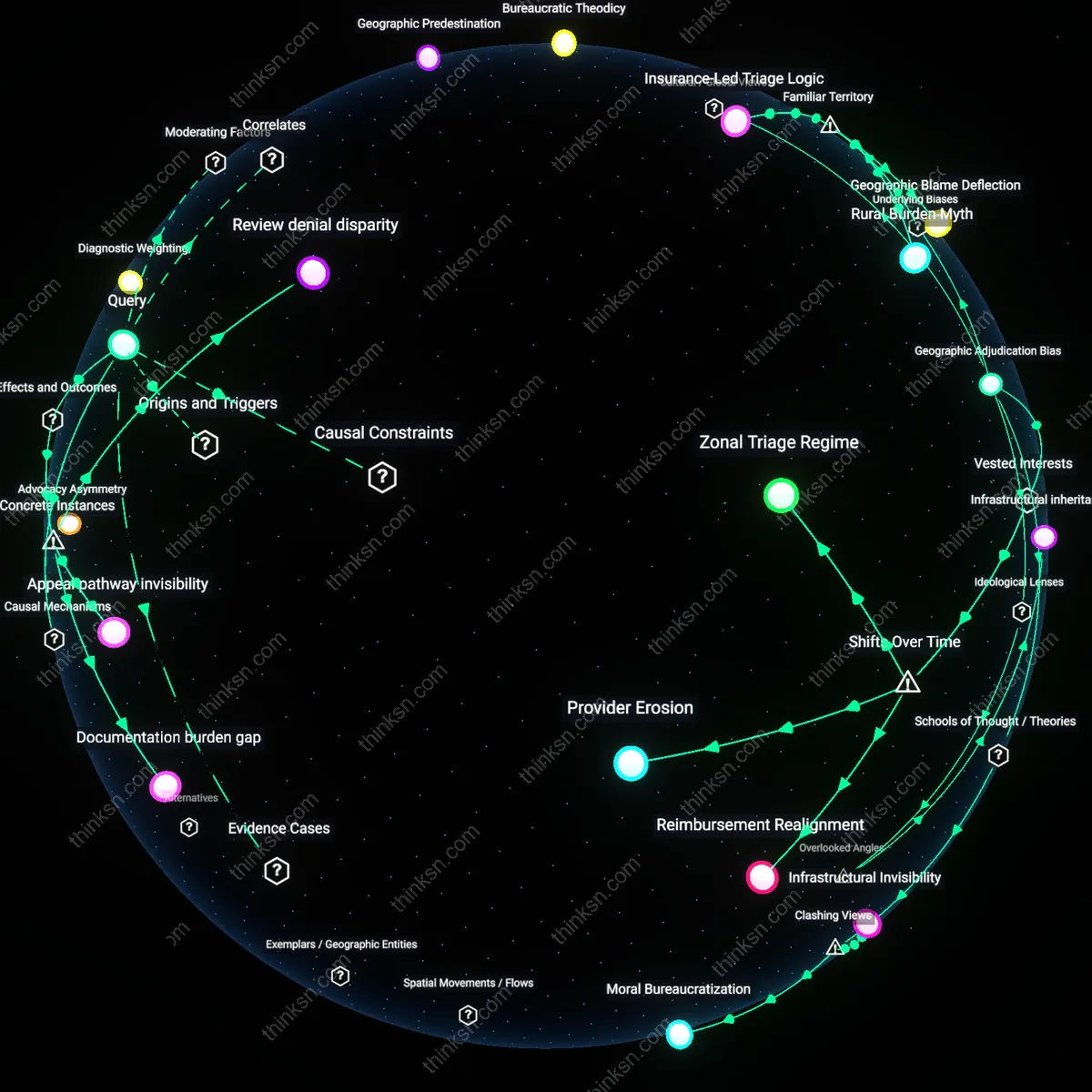
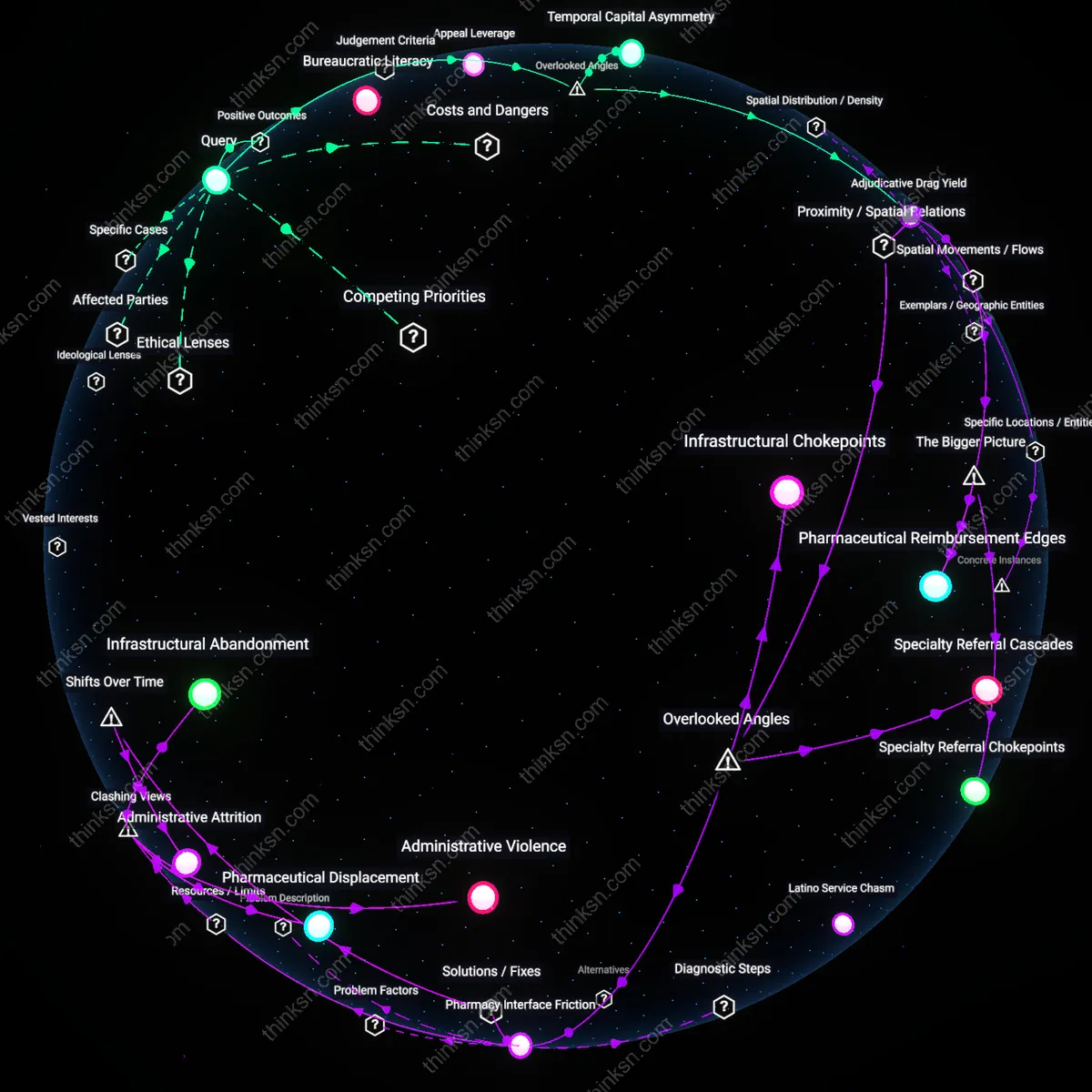
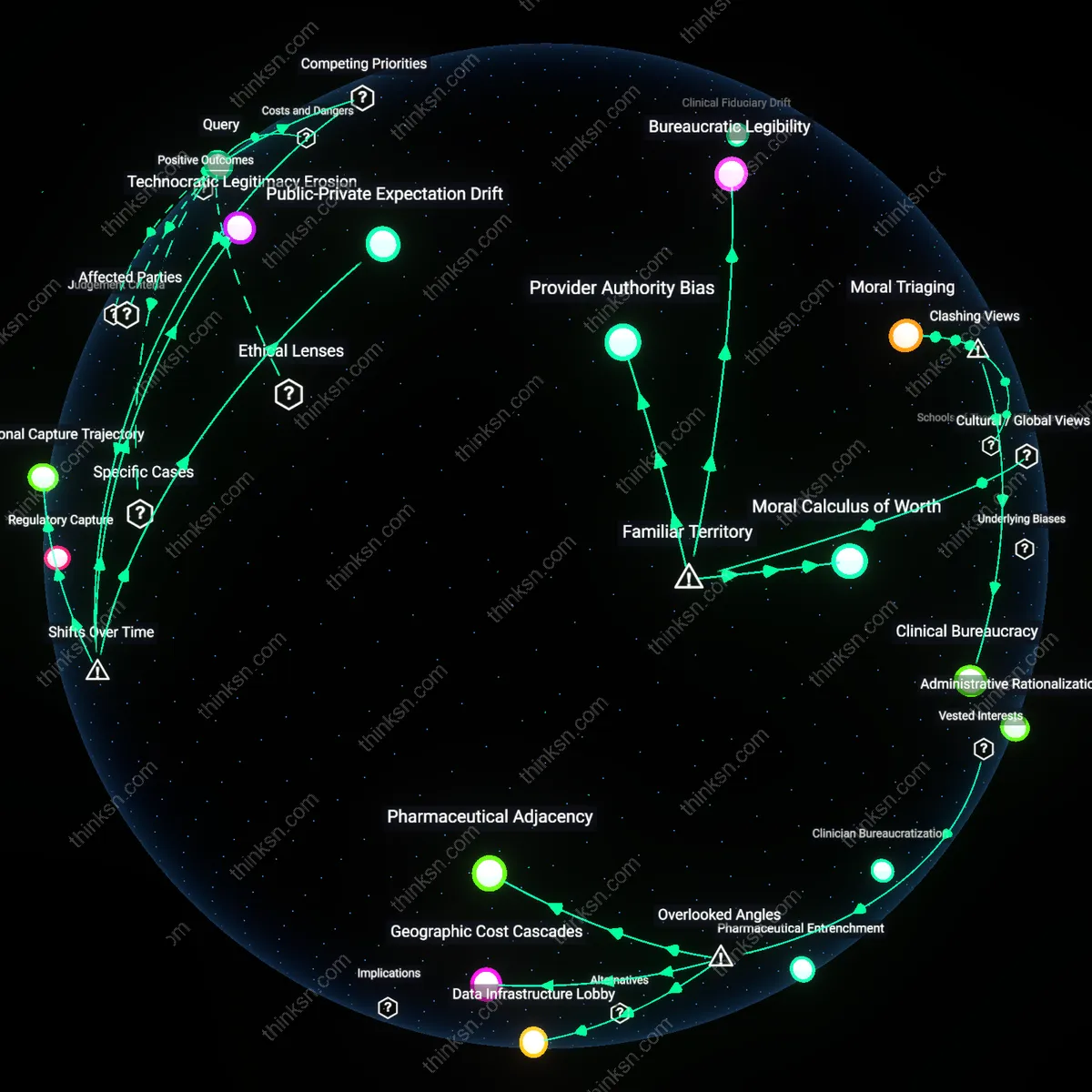
Analysis reveals 4 key thematic connections.
Key Findings
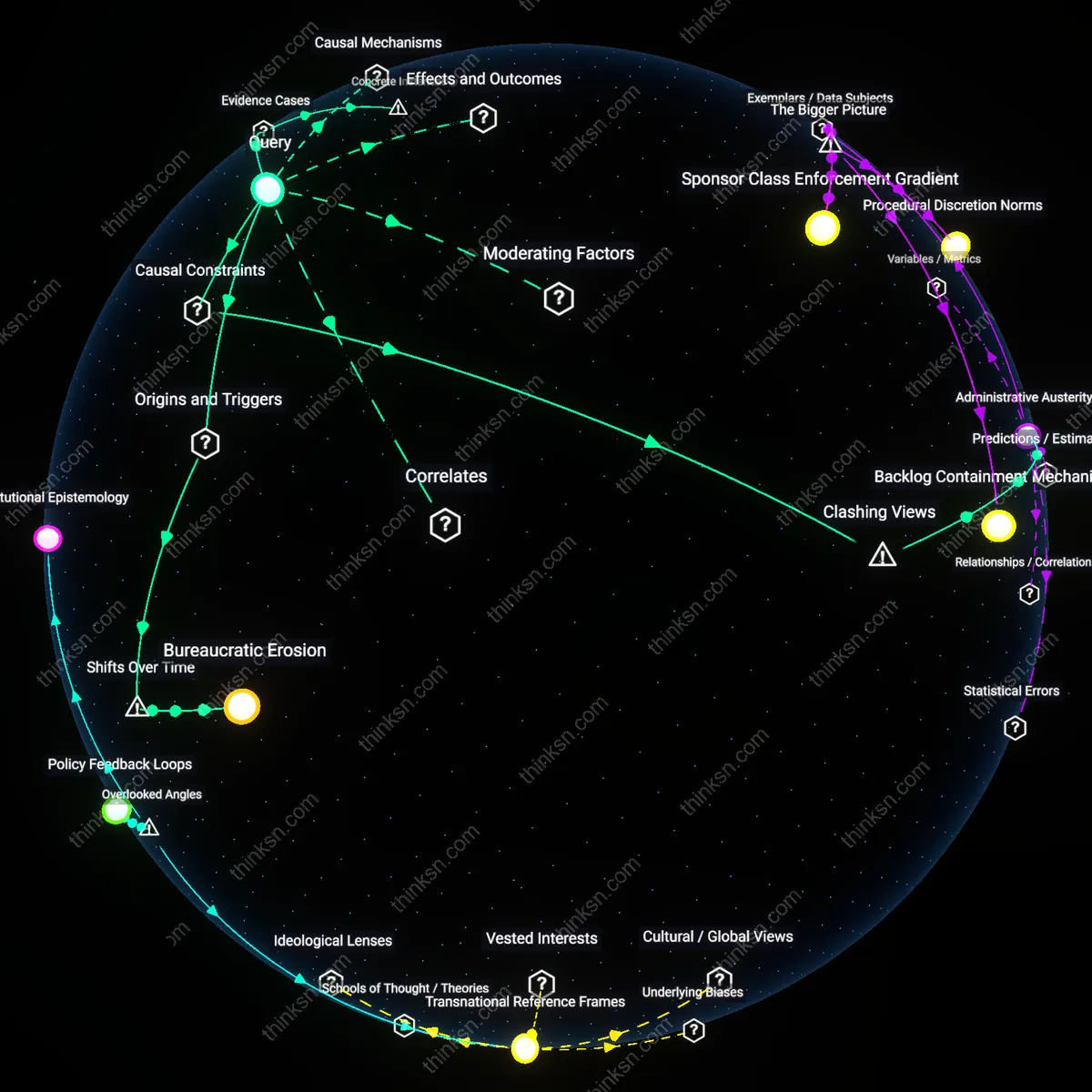
Bureaucratic Erosion
The 1999 INS guidance formalizing the public charge rule initiated a procedural transformation in immigration adjudication by embedding discretionary cost-assessment criteria into routine visa reviews, shifting from ad hoc enforcement to systematic screening at consulates and USCIS field offices. This proceduralization empowered front-line officers to evaluate applicants’ reliance on subsidized housing, Medicaid, or SNAP as negative factors, even when utilization was minimal or legally permitted, thereby converting welfare eligibility into an immigration liability. The non-obvious consequence was not increased denials per se but the gradual routinization of poverty scrutiny, where low-income applicants faced longer processing, higher evidentiary burdens, and self-removal due to anticipated rejection—revealing how administrative protocols can silently reconfigure access without legislative change. This shift from episodic enforcement to embedded assessment eroded equitable access through everyday bureaucratic practice.
Threshold Narratives
The 2018–2019 expansion of the public charge rule under the Trump administration marked a discursive turning point by redefining 'likely dependency' as a forward-looking behavioral prediction tied to income level, education, and health status, thus constructing a new threshold narrative that equated low earnings with future burden. This reframing altered the temporal logic of admissibility—applicants were no longer judged on actual use but on actuarial projections modeled on creditworthiness paradigms, shifting the immigration system toward speculative exclusion. The underappreciated effect was the alignment of immigration gatekeeping with financialized risk assessment tools common in lending and insurance, which naturalized socioeconomic filtering as neutral administration, thereby obscuring how structural inequalities were being reinscribed as personal risk. This transition from retrospective to anticipatory judgment normalized economic profiling as routine stewardship.
Administrative Austerity
The public charge rule disproportionately harms low-income green-card applicants not because adjudicators actively target poverty but because the rule’s design mandates extreme risk aversion in immigration officers who operate under strict policy guidelines and oversight, making any ambiguity in financial sponsorship a disqualifying liability. This mechanism functions through USCIS’s internal performance metrics and audit culture, which penalize approvals later challenged as errors but never reward humanitarian discretion, thus converting socioeconomic vulnerability into procedural liability. The non-obvious implication is that inequity arises not from overt class bias but from the institutional elimination of judgment under rules meant to ensure consistency—revealing how procedural rigor can substitute for prejudice while achieving similar exclusionary outcomes.
Medicaid Trade-Off
In Harris County, Texas, public health clinics recorded a 35% drop in Medicaid enrollment among mixed-status households in 2020, directly linked to green-card applicants avoiding medical care to comply with the public charge rule’s health cost considerations. Community health workers observed that legally resident parents of U.S. citizen children withdrew from essential prenatal and pediatric services—not due to ineligibility, but out of fear that medical expenses above $1,000 would trigger downstream immigration penalties. This chilling effect reveals that the rule functioned not only at the point of application but as a preemptive deterrent across entire family ecosystems, where healthcare access became a negotiable trade-off for future immigration security. The underappreciated insight is that the rule destabilized public health infrastructure by turning medical providers into de facto immigration enforcement intermediaries, eroding trust in state institutions among immigrant-adjacent populations.