Is Energy Equity Elusive as IRA Subsidies Skew State by State?
Analysis reveals 6 key thematic connections.
Key Findings
Fiscal Federalism Tension
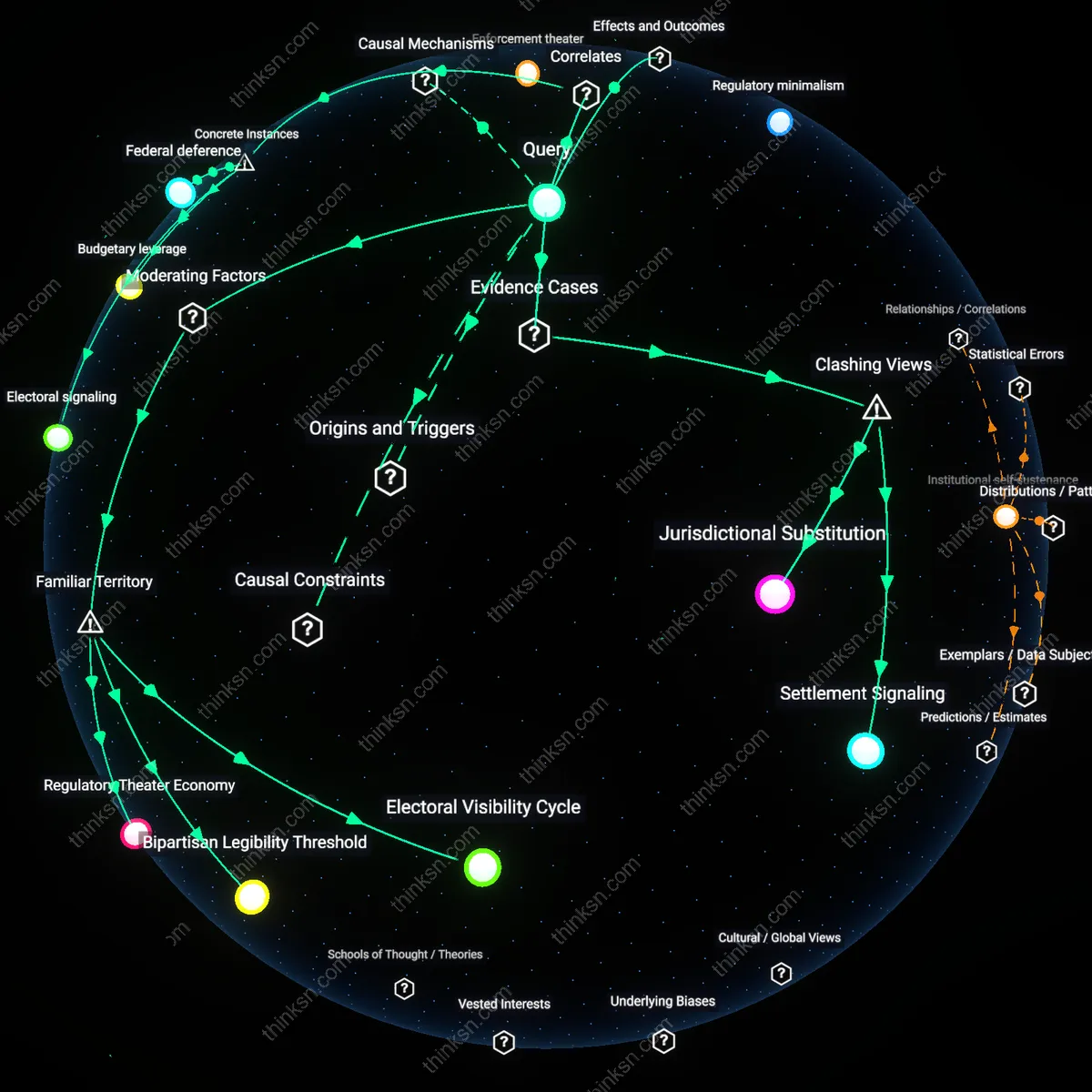
Disparities in federal IRA subsidy allocation reflect a fiscal federalism tension where wealthier states with greater administrative capacity capture more benefits, revealing an equity principle sacrificed to state-level autonomy in program implementation. Wealthier states deploy specialized grant offices and submit more competitive applications, while under-resourced states lack the personnel to navigate complex funding mechanisms—this administrative asymmetry is exacerbated by the IRA’s emphasis on matching funds and performance metrics. The federal framework assumes equal state capacity, but unequal infrastructure creates a self-reinforcing cycle where advantages compound, which undermines distributive justice. The overlooked reality is that federalism, often praised for enabling policy experimentation, can entrench regional inequities when federal resources require local capacity to unlock.
Partisan Energy Logic
The uneven distribution of IRA subsidies indicates that partisan control of state governments shapes access to federal clean energy funds, exposing a judgment criterion where political alignment supersedes equitable development. Republican-led states, despite having favorable renewable resources, often downplay or resist IRA programs due to ideological opposition to climate policy, leading to unspent allocations and redirected congressional appropriations. This generates a feedback loop in which federal investment becomes contingent on state political posture, not objective need or environmental potential, mediated through legislative and bureaucratic gatekeeping. The underappreciated consequence is that climate policy effectiveness is being silently mediated by partisan energy logic—one that privileges political cohesion over national decarbonization urgency.
Capital Claiming Regime
The geographic skew in IRA benefits emerges from a capital claiming regime in which financial institutions and private investors act as de facto gatekeepers, privileging projects in jurisdictions with mature regulatory and tax equity markets. States with established clean energy markets—like California or New York—possess not only policy continuity but also deep tax equity networks that monetize subsidies more efficiently, enabling faster project deployment. Because the IRA relies heavily on tax credit structures requiring investors with tax appetite, disparities reflect not just policy adoption but pre-existing financial ecosystems. The non-obvious insight is that federal subsidies do not flow directly to communities or even states, but are filtered through a financial architecture that reproduces capital concentration, making equity an afterthought rather than a design feature.
Subsidy Arbitrage
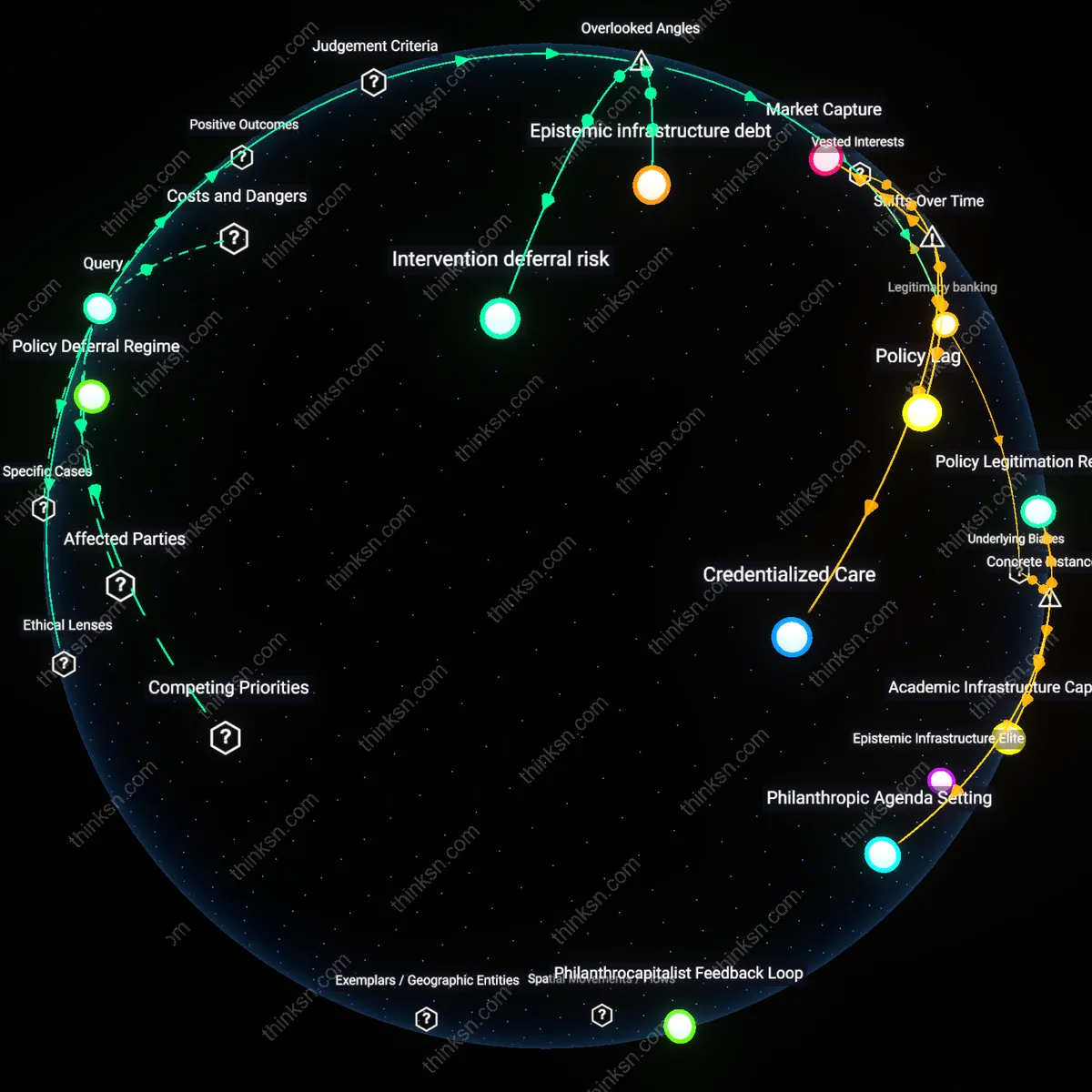
Federal IRA subsidies empower fossil-fuel-dependent states to capture clean energy incentives without committing to deep decarbonization, as seen in West Virginia’s coal-region solar farm conversions funded by tax-equity partnerships. These projects, developed by private equity firms like Aethel Partners, maximize subsidy capture by siting renewable infrastructure on reclaimed mine lands—eligible for bonus credits—while local utility rates remain high and grid dependence on natural gas increases. This mechanism reveals that subsidy design can reward symbolic greenfield development over tangible emissions reduction or energy access, contradicting the equity-driven narrative of the IRA. The non-obvious reality is that financialization, not community energy needs or transition justice, drives deployment patterns in structurally disadvantaged regions.
Political Risk Shielding
The IRA's state-by-state allocation disproportionately benefits Republican-led states that opposed climate legislation, such as Oklahoma under Governor Kevin Stitt, where wind energy tax credits flow to vertically integrated utilities like OG&E while ratepayer protections lag. This dynamic functions through the IRS’s technology-neutral bonus credit structure, which rewards adoption regardless of prior policy commitment, effectively subsidizing political opposition to the energy transition. The result is a backdoor federalization of clean energy investment that weakens accountability for equitable outcomes, running counter to the assumption that progressive states should lead and be rewarded. What’s obscured is that the IRA operates less as a corrective mechanism for historical inequity and more as a risk diversification tool for incumbent political economies resistant to change.
Infrastructure Primacy
Energy transition equity is being redefined not by who benefits first but by who controls transmission and interconnection access, as demonstrated by Texas’ exclusion from DOE grid funding despite high renewable output, while Mississippi gains disproportionate IRA support via Southern Company’s federally backed transmission projects. The causal driver is the IRA’s reliance on existing utility infrastructure hierarchies, where subsidy uptake depends on interconnection queue priority and off-taker reliability rather than income or pollution burden metrics. This exposes a hidden doctrine of infrastructure primacy—where capital access and grid control trump community vulnerability—in direct tension with environmental justice narratives embedded in the legislation’s framing. The underappreciated consequence is that equity is being technocratized into engineering capacity, not remediated through redistribution.