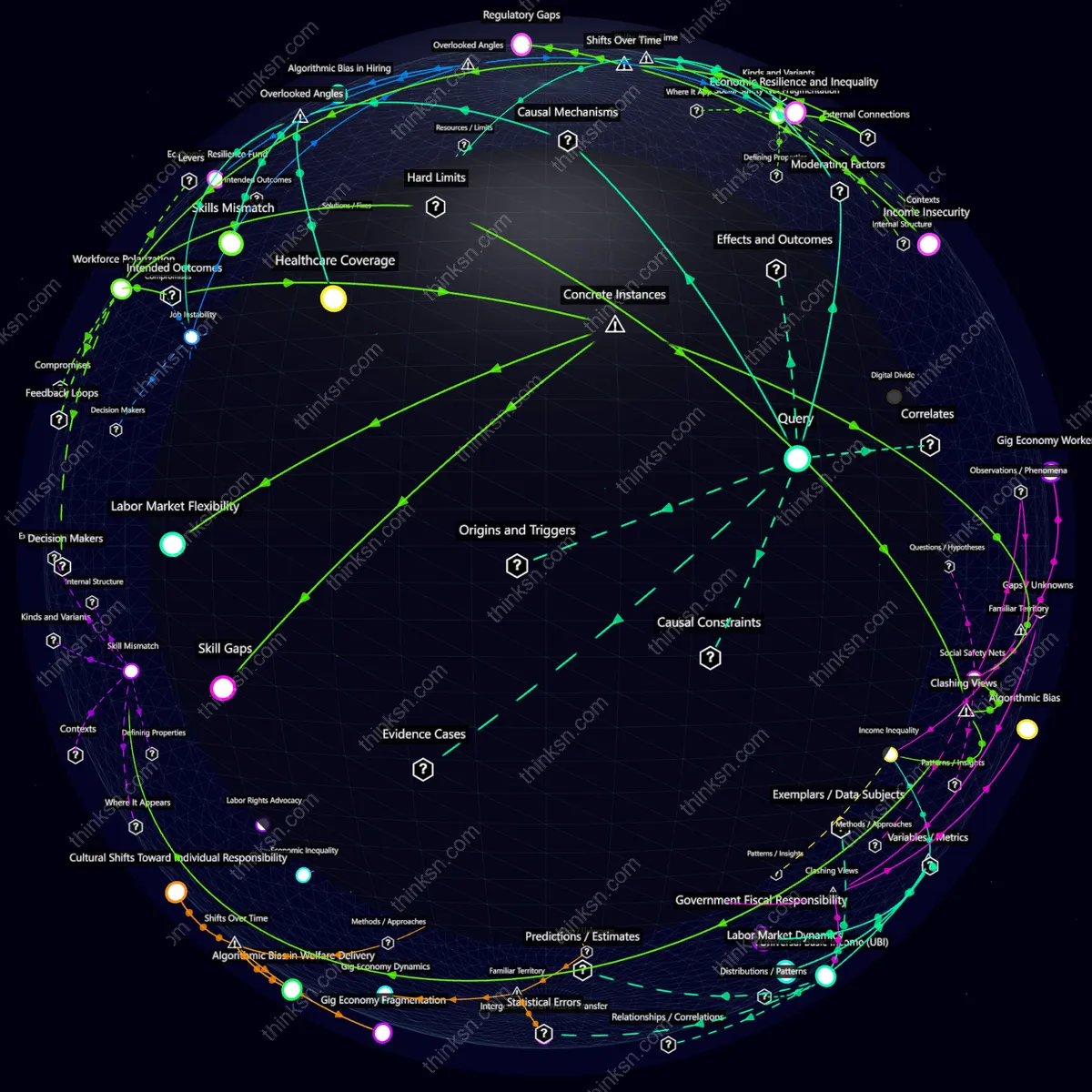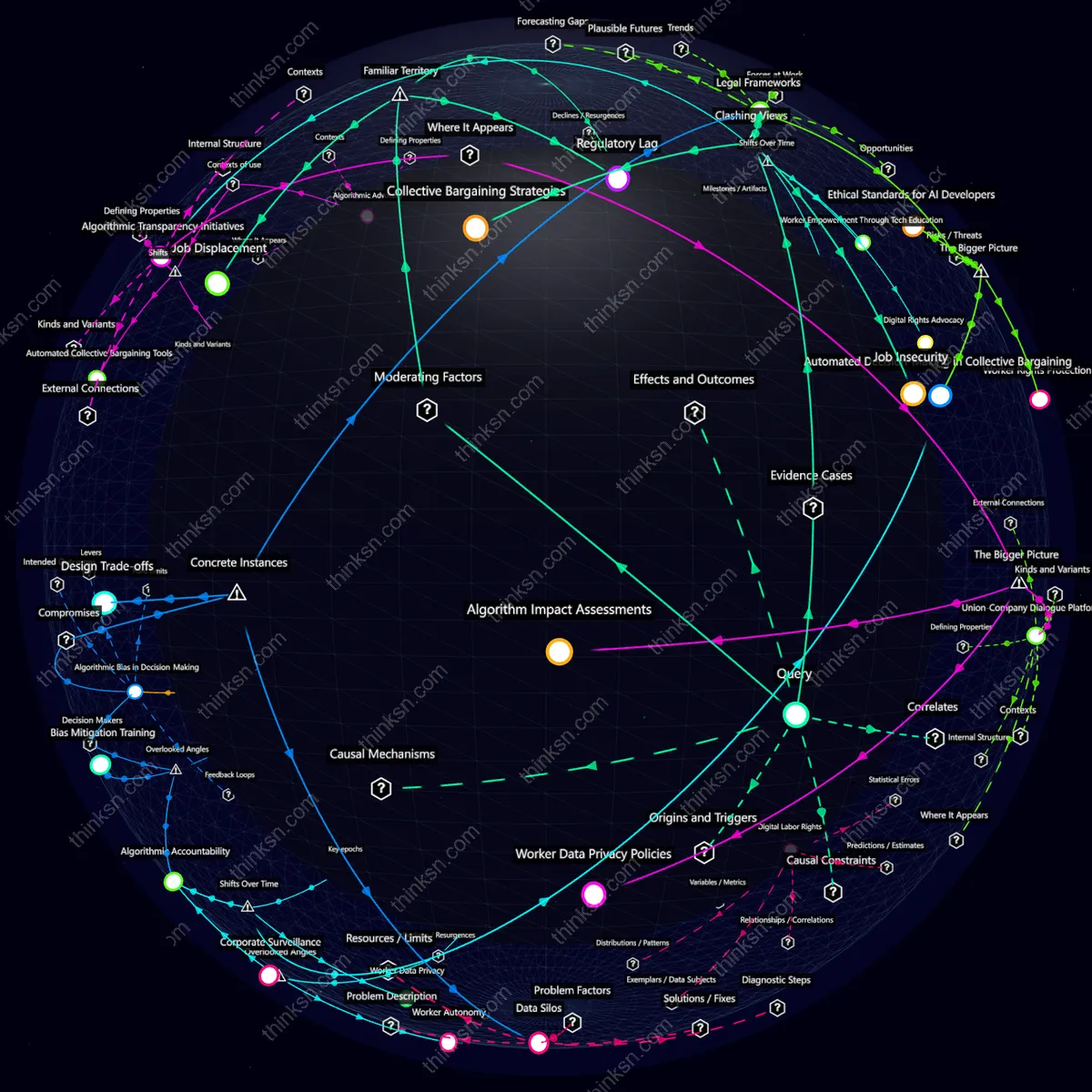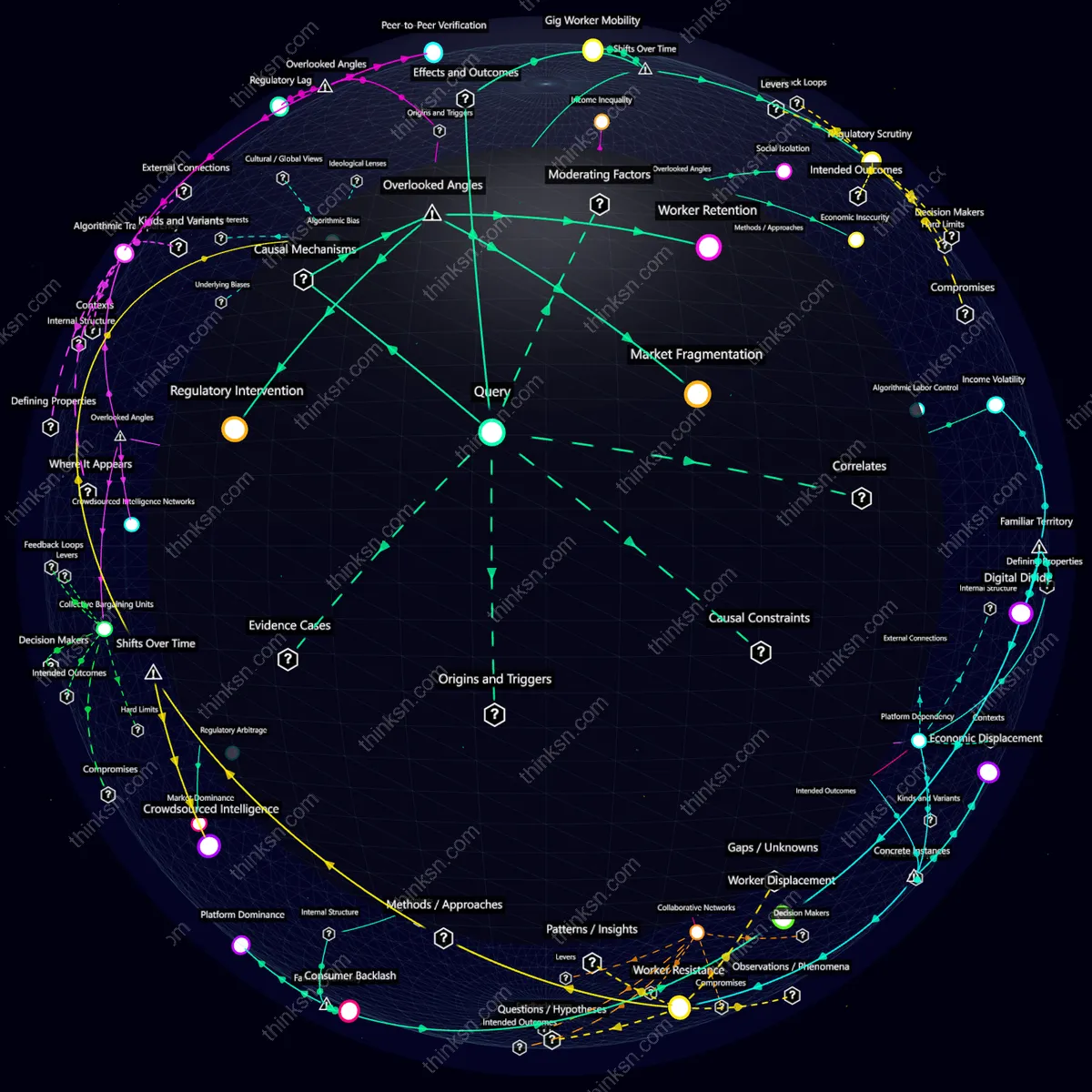
Would the Gig Economy Collapse with Mass Commission Hikes?
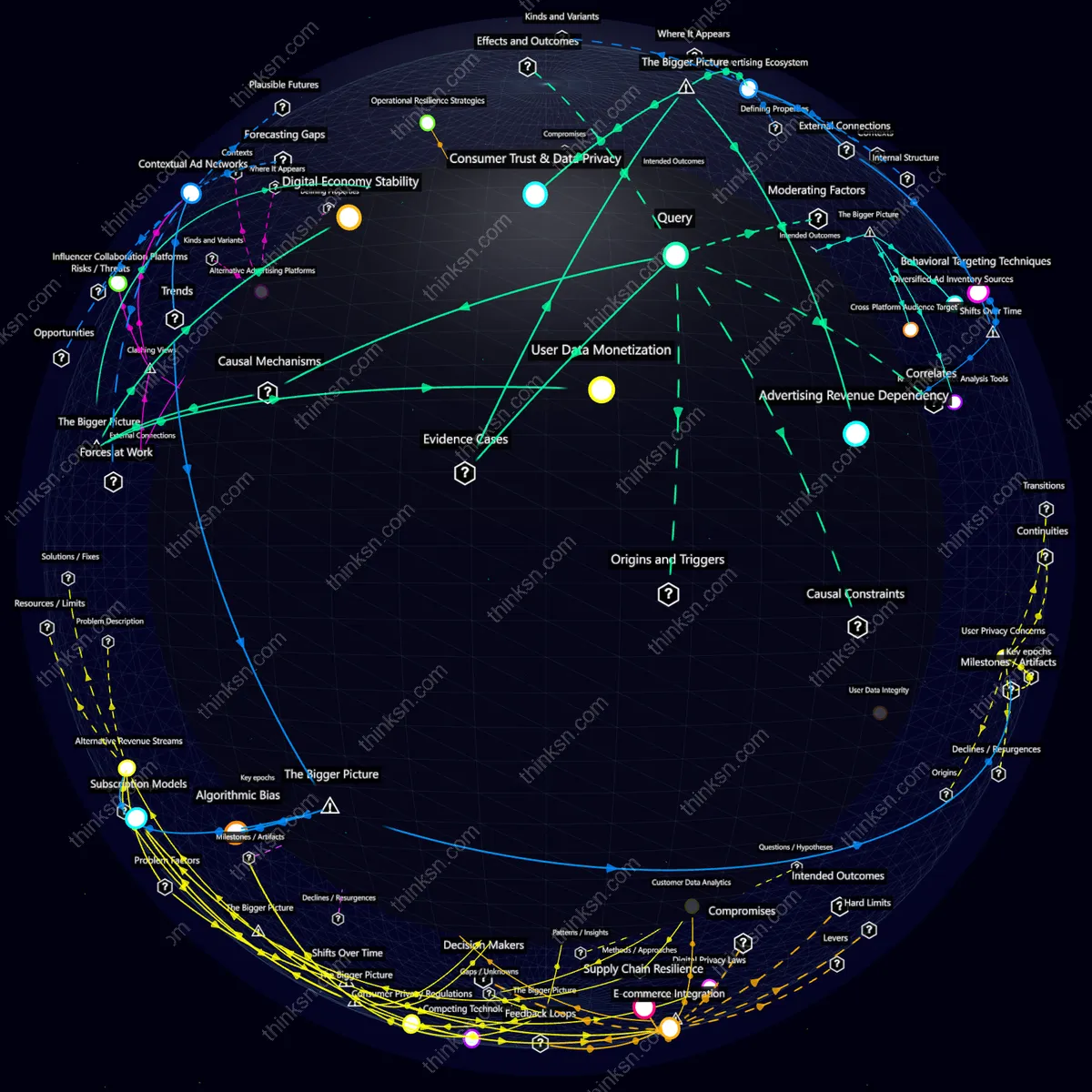
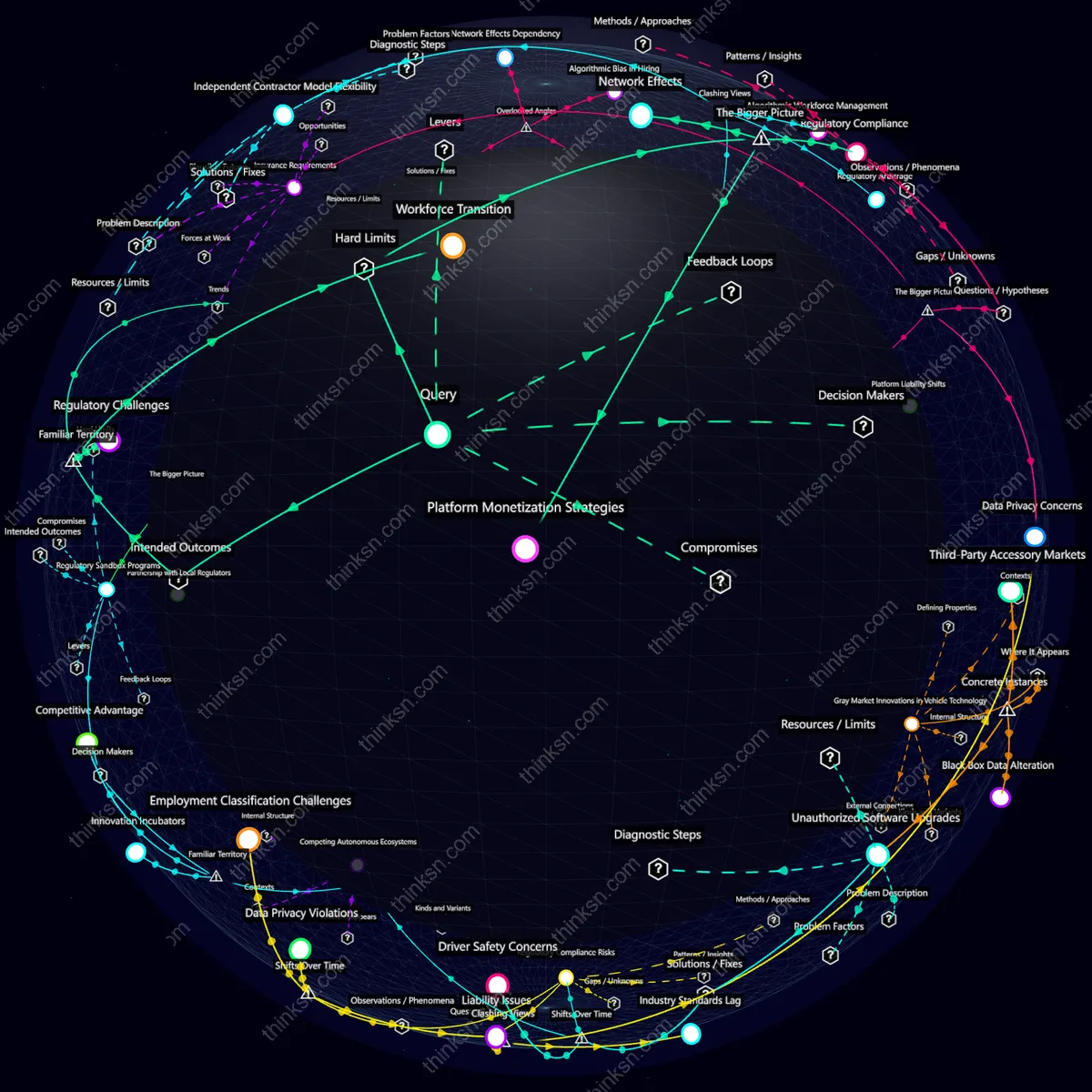
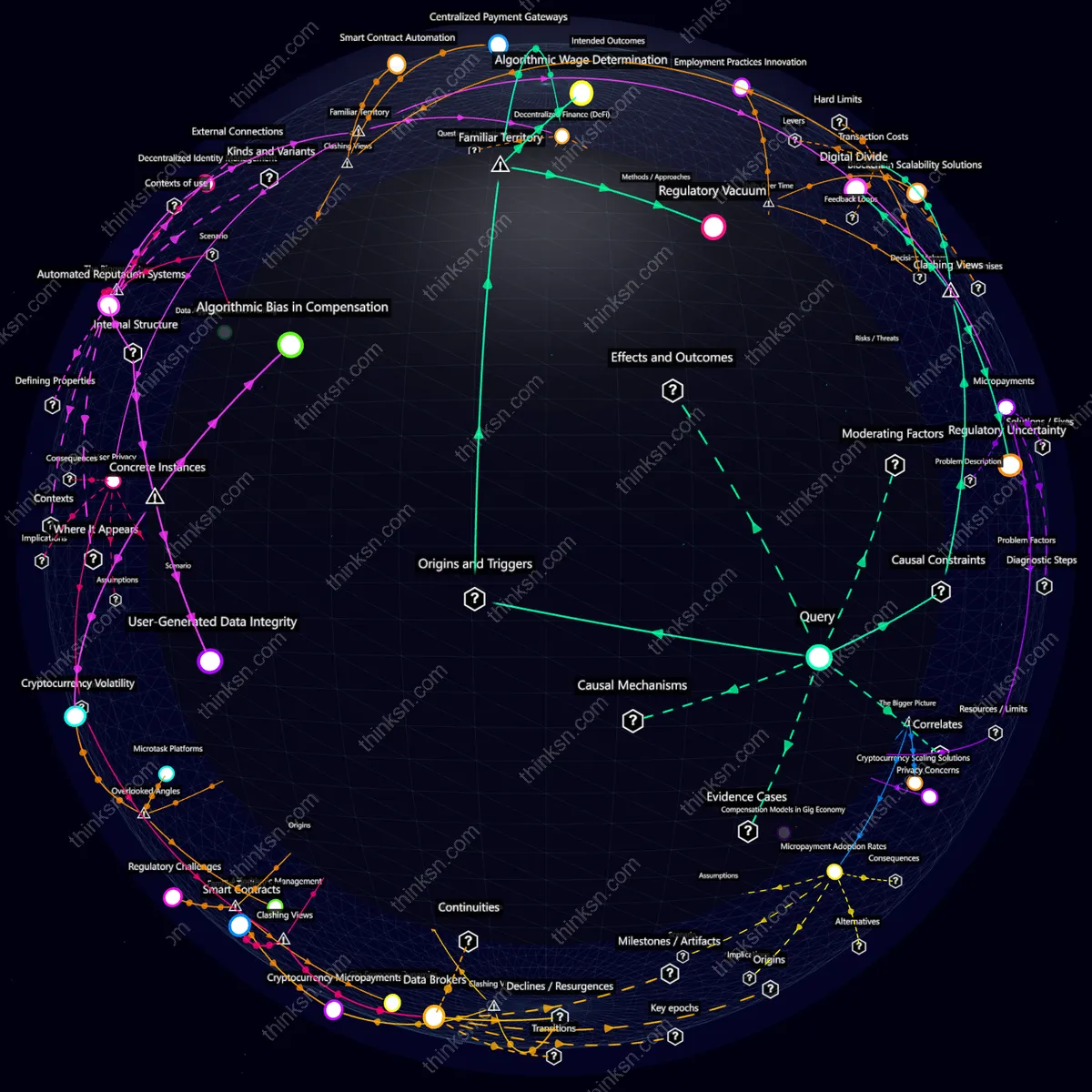
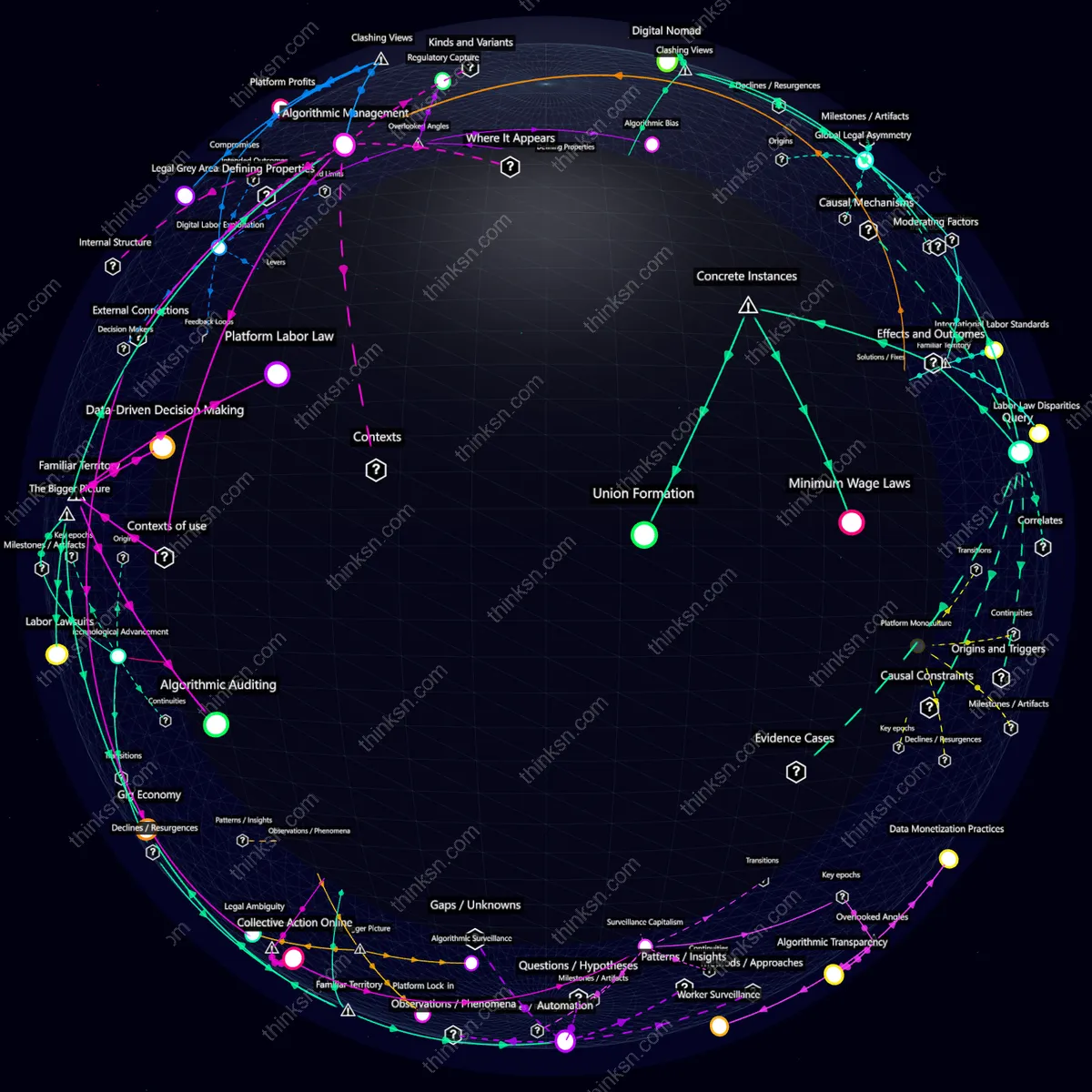
Analysis reveals 6 key thematic connections.
Key Findings
Worker Retention
A drastic rise in platform commission rates could lead to higher attrition among gig workers as they seek more lucrative opportunities elsewhere. This shift may force established platforms to invest heavily in retention strategies, such as benefits or loyalty programs, which can complicate the financial model and introduce unexpected costs.
Market Fragmentation
Increased commissions might drive a wedge between gig economy platforms and their users, pushing some workers towards niche services or creating informal labor markets. This fragmentation could lead to a splintering of the overall market, reducing scale effects that are critical for platform profitability.
Regulatory Intervention
Higher commission rates could trigger regulatory scrutiny and intervention aimed at protecting gig workers' interests. Such oversight may impose additional compliance costs or cap commission levels, undermining platforms' financial strategies and altering the competitive landscape in unpredictable ways.
Gig Worker Mobility
A drastic rise in commission rates could drive gig workers to seek alternative income sources, eroding the labor supply for these platforms and triggering a mobility crisis. As workers leave or reduce their activity, platforms face diminished service reliability, affecting both user satisfaction and long-term sustainability.
Consumer Trust Erosion
Higher commissions may lead to increased prices for consumers, undermining trust in gig economy platforms as essential services become less affordable. This could accelerate a shift towards competitor apps or traditional employment models, further destabilizing the financial model of these platforms.
Regulatory Scrutiny
As commission hikes strain workers and consumers, governments may respond with stricter regulations to protect gig economy participants. Platforms might face higher taxes, labor law changes, or mandatory benefits for workers, fundamentally altering their operational frameworks and profitability models.
Deeper Analysis
How might a significant increase in commission rates by major gig platforms impact consumer trust over time, and what mechanisms could contribute to this erosion?
Algorithmic Transparency
As gig platforms raise commission rates, opaque algorithmic decisions become more scrutinized by consumers. This lack of transparency can lead to a perception that algorithms are biased against users, eroding trust as individuals feel powerless and misled about how their data is used.
Peer-to-Peer Verification
When gig platforms increase commission rates, the reliability of peer reviews becomes increasingly questioned. Consumers may doubt the authenticity of positive ratings if they suspect that users are incentivized to inflate them for financial gain, thereby undermining trust in the integrity of the gig economy's reputation system.
Regulatory Lag
The rapid escalation of commission rates by major platforms often outpaces regulatory frameworks, leaving consumers unprotected against exploitative practices. This regulatory lag can create a fertile ground for unethical business maneuvers and legal grey areas that further erode consumer trust in gig economy stability and fairness.
Income Inequality
As gig platform commission rates rise, drivers struggle to make ends meet despite increasing workloads. This exacerbates income inequality and fuels perceptions of unfairness, eroding consumer trust in the fairness and reliability of these platforms.
Algorithmic Bias
Higher commissions compel gig workers to accept more rides from higher-paying but less desirable areas or times, exposing consumers to biased service distribution. This imbalance highlights algorithmic bias within platform operations, undermining trust in the platform's commitment to fair and consistent service delivery.
Worker Dissatisfaction
Increased commission rates can lead to widespread worker dissatisfaction, manifesting in reduced customer engagement and quality of service. Consumer interactions with disgruntled workers may directly impact their perception of reliability and care, significantly eroding trust over time.
Explore further:
- How would increased algorithmic transparency affect the gig economy's financial model if major platforms drastically raise their commission rates concurrently?
- How might drastic commission rate increases by major gig platforms affect worker satisfaction, and what emerging trends or hidden assumptions could this reveal about the gig economy's sustainability?
How might drastic commission rate increases by major gig platforms affect worker satisfaction, and what emerging trends or hidden assumptions could this reveal about the gig economy's sustainability?
Algorithmic Bias
Increased commission rates can exacerbate algorithmic bias in gig platform algorithms, leading to disproportionately higher workloads for less favored workers. This undermines trust and fairness perceptions, deepening worker dissatisfaction despite potential boosts in overall earnings.
Economic Insecurity
Drastic changes in commission rates can create economic insecurity among gig economy workers due to unpredictable income fluctuations. This insecurity may lead to increased job-hopping or underemployment as workers seek more stable financial conditions, further destabilizing the gig economy's sustainability.
Social Isolation
Rising commission rates can isolate higher-performing workers from less successful peers by rewarding only those who meet stringent performance metrics. This social isolation can erode community support and solidarity within gig worker networks, contributing to heightened dissatisfaction despite individual gains.
Income Volatility
Drastic commission rate increases by major gig platforms can lead to significant income volatility for workers. This not only undermines the core promise of financial stability that attracts many to the gig economy but also drives a wedge between worker expectations and reality, fostering skepticism and disillusionment.
Algorithmic Labor Control
Rapid changes in commission rates highlight the extent of algorithmic control over workers' lives. Platforms can manipulate earnings unpredictably, shifting from perceived benefactors to de facto controllers who dictate working conditions without direct oversight or accountability, revealing a deeper trend towards technocratic management.
Worker Activism
Increased dissatisfaction may catalyze worker activism and collective action. As workers unite against exploitative practices, platforms risk facing public scrutiny and regulatory intervention that could reshape the gig economy's foundational business models, challenging the status quo of minimal labor protections.
Explore further:
What strategies can gig workers employ through activism to counteract the financial strain caused by increased commission rates on major platforms?
Algorithmic Transparency
Worker activism campaigns for algorithmic transparency on gig platforms can expose hidden commission rate fluctuations, but this also risks over-reliance on public shaming and regulatory pressure, potentially alienating platform developers who might otherwise support worker interests.
Collective Bargaining Units
Forming collective bargaining units among gig workers allows for coordinated negotiation with platforms, yet it may inadvertently create divisions between full-time employees and independent contractors, complicating solidarity and weakening overall labor cohesion.
Crowdsourced Intelligence Networks
Activists leveraging crowdsourced intelligence networks to track and analyze commission rate changes can rapidly mobilize workers but also faces significant challenges in maintaining confidentiality and operational security against platform surveillance efforts.
Crowdsourced Labor Networks
Activism among gig workers has led to the formation of crowdsourced labor networks that coordinate strikes and protests against platform policies. However, these networks face challenges such as ensuring fair representation for all workers while maintaining operational secrecy from platforms to avoid retaliation.
Algorithmic Activism
Gig workers are leveraging algorithmic activism by creating bots and apps that track commission rates and alert fellow workers about potential strikes or collective actions. This strategy, however, requires careful handling of data privacy and the risk of platform bans for violating terms of service.
Platform Dependency
Increased financial strain has pushed gig workers to rely more heavily on a few major platforms, making activism efforts more difficult as workers fear losing income if they join strikes. This dependency creates a fragile ecosystem where worker solidarity is challenged by immediate economic needs.
Explore further:
- What strategies could collective bargaining units employ to mitigate the financial impact on gig workers if major platforms increase their commission rates significantly and simultaneously?
- How does platform dependency among gig workers affect the stability and sustainability of the gig economy's financial model when major platforms increase their commission rates significantly?
How does platform dependency among gig workers affect the stability and sustainability of the gig economy's financial model when major platforms increase their commission rates significantly?
Income Volatility
As major platforms increase their commission rates significantly, gig workers relying on these platforms face unpredictable income fluctuations. This volatility forces many into a precarious financial situation where even minor changes in platform policies can destabilize their livelihoods.
Worker Displacement
The surge in commission rates by dominant gig economy platforms triggers mass worker displacement as less competitive or smaller-scale platforms struggle to maintain viability. This shift not only disrupts the labor market but also creates a bottleneck where workers are concentrated on fewer, more powerful platforms with higher control over terms.
Digital Divide
Increased platform dependency exacerbates the digital divide by disproportionately affecting less tech-savvy gig workers who may not adapt quickly to new platforms or technological requirements. This results in a widening gap between skilled and unskilled workers, deepening economic inequality within the gig economy.
Economic Displacement
As major platforms like Uber and Lyft increase their commission rates, gig workers face economic displacement due to reduced earnings. This forces many drivers to work longer hours or seek alternative income sources, undermining the financial stability of the gig economy's model.
Market Consolidation
Platform dependency among gig workers leads to market consolidation as fewer viable alternatives remain for those affected by high commission rates. This limits competition and innovation in the gig economy, making it harder for new players to enter the market and offer better terms.
Worker Resistance
Significant increases in platform commissions trigger worker resistance movements, such as protests or strikes by ride-sharing drivers and delivery couriers. These actions highlight the fragile nature of gig workers' dependence on major platforms and underscore the need for regulatory intervention to protect their rights.
Explore further:
- What strategies can gig workers and smaller platforms adopt to mitigate market consolidation if major gig economy platforms drastically increase their commission rates?
- How might worker resistance manifest in the gig economy if major platforms significantly increase their commission rates, and what emerging insights can we gain from this scenario?
What strategies can gig workers and smaller platforms adopt to mitigate market consolidation if major gig economy platforms drastically increase their commission rates?
Platform Dependency
As major gig economy platforms increase commission rates, gig workers and smaller platforms must navigate the risk of over-reliance on these dominant players. This dependency can limit their ability to explore alternative income streams or establish independent business models, potentially leading to a cycle of financial vulnerability.
Regulatory Capture
Smaller gig economy platforms and individual workers face the challenge of regulatory capture by major platforms that may influence policy in ways that benefit their own market dominance. This can stifle innovation and fair competition, creating an uneven playing field where smaller entities struggle to meet regulatory demands imposed by larger players.
Collaborative Networks
A critical strategy for gig workers and small platforms is the formation of collaborative networks that share resources and information. However, this approach can also introduce new risks such as intellectual property disputes or conflicts over leadership roles, complicating efforts to effectively counter market consolidation.
Explore further:
- How might regulatory capture affect the gig economy's financial model if major platforms raise their commission rates drastically and concurrently?
- What strategies can collaborative networks within the gig economy employ to mitigate financial strain when major platforms raise their commission rates drastically and concurrently?
How might worker resistance manifest in the gig economy if major platforms significantly increase their commission rates, and what emerging insights can we gain from this scenario?
Algorithmic Bias
Increasing commission rates can exacerbate algorithmic bias on gig platforms, where algorithms prioritize higher-rated workers, leading to a cycle of discrimination against those who resist. This biases the system further towards established players and away from new or resistant workers, reinforcing inequality.
Crowdsourced Intelligence
Worker resistance may drive gig economy participants towards crowdsourced intelligence networks for information sharing and collective action strategies. However, this can expose them to risks of surveillance by platform operators and legal repercussions if such actions are deemed illegal or against terms of service.
How might regulatory capture affect the gig economy's financial model if major platforms raise their commission rates drastically and concurrently?
Platform Dominance
As major gig economy platforms raise commission rates amid regulatory capture, their dominance over independent contractors intensifies. This dynamic can lead to a monopolistic environment where workers have few alternatives but to comply with higher costs, stifling innovation and competition in the sector.
Worker Displacement
Regulatory capture exacerbates worker displacement as gig economy platforms hike commission rates, pushing independent contractors into precarious financial situations. This scenario risks a mass exodus of workers to informal sectors or other countries with less stringent regulatory pressures, destabilizing the gig economy's labor supply.
Consumer Backlash
When major gig economy platforms raise commission rates under conditions of regulatory capture, consumers may experience higher prices for services. This can trigger widespread consumer backlash and a shift towards alternative payment methods or platforms, undermining the dominant players' market share and profitability.
Market Dominance
Regulatory Capture allows major gig economy platforms to leverage their market dominance, raising commission rates drastically without fear of regulatory intervention. This can lead to a vicious cycle where increased costs for gig workers diminish competition and further entrench the dominant players' control over the market.
Consumer Trust Erosion
As major platforms raise commission rates under conditions of Regulatory Capture, consumer trust in these services erodes. This erosion can manifest as a shift towards alternative payment methods or black-market transactions, undermining the financial model that relies on transparency and ease of use.
Regulatory Arbitrage
Gig economy platforms engage in regulatory arbitrage by exploiting loopholes created through Regulatory Capture. They raise commission rates without facing equivalent penalties or competition from new entrants, leading to a situation where the financial health and innovation of smaller competitors are severely compromised.