The Ripple Effect of Airlines Shifting from International to Domestic Flights
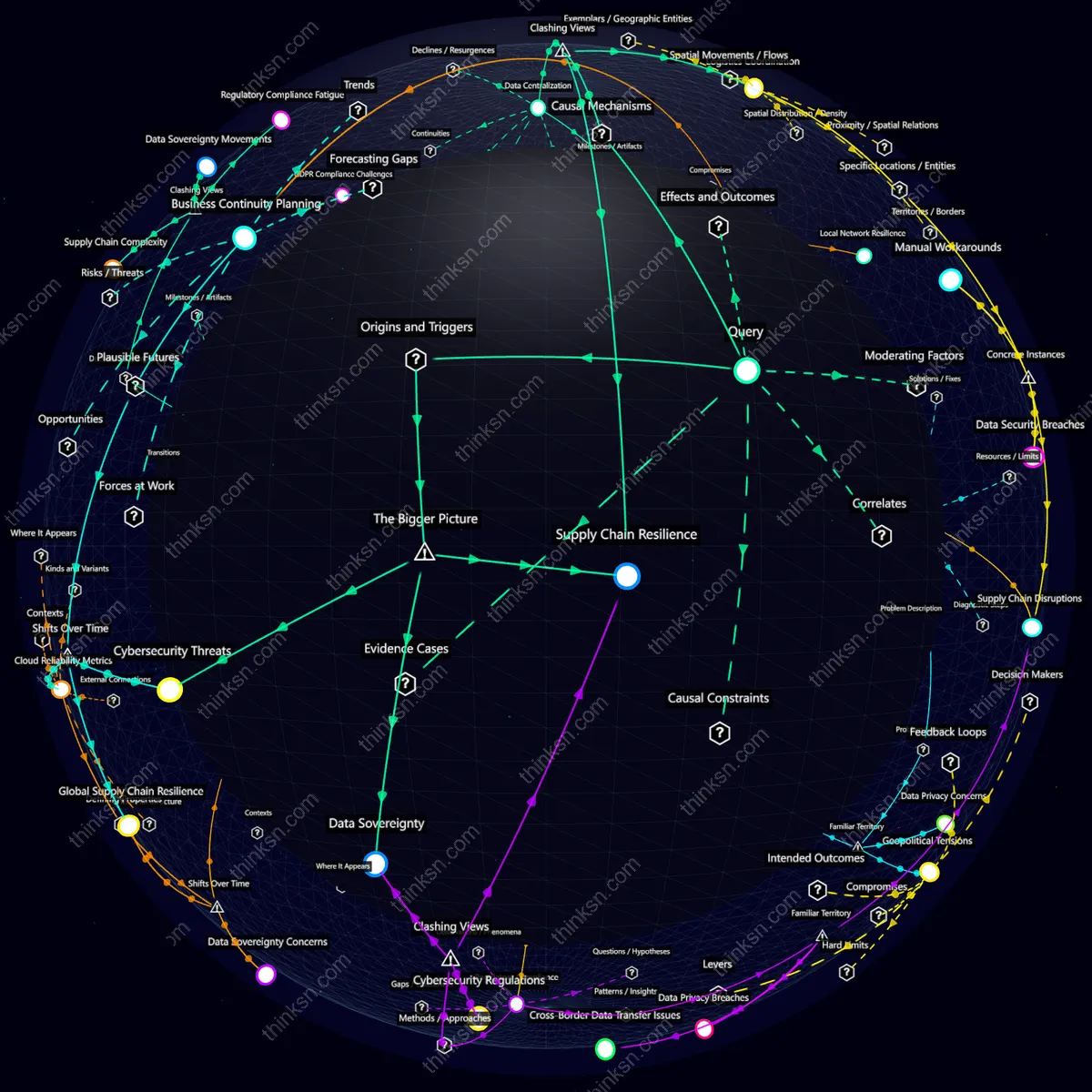
Analysis reveals 6 key thematic connections.
Key Findings
Economic Impact on Local Communities
As major airlines shift focus from international to domestic routes, local communities heavily reliant on tourism and business travel suffer economic downturns. Reduced air connectivity can lead to decreased investment in infrastructure and hospitality services, exacerbating unemployment rates and income disparities.
Supply Chain Disruptions
Airlines' shift from international to domestic routes disrupts global supply chains that depend on air freight for rapid delivery of goods. This can cause delays and increased costs for businesses, impacting consumer prices and overall market stability in the short term.
Airline Industry Consolidation
The shift towards domestic operations accelerates airline industry consolidation as smaller airlines struggle to compete with larger carriers that have greater resources and established customer bases. This can lead to reduced competition, higher ticket prices, and fewer job opportunities for aviation professionals.
Job Market Reallocation
As airlines pivot from international to domestic routes, a wave of job market reallocation sweeps across the aviation sector. Flight attendants and pilots with extensive experience in long-haul operations face retraining or unemployment risks as demand shifts towards shorter flights, signaling a systemic shift in career paths that can be fragile for seasoned professionals.
Tourism Industry Stagnation
The reduction of international routes by major airlines could inadvertently stifle growth in tourism-dependent regions worldwide. While domestic travel might rise, the economic impact on countries reliant on foreign visitors is stark, highlighting a potential lag effect where local economies struggle to adapt to changing travel patterns.
Airport Infrastructure Underutilization
As airlines focus more on domestic flights, international airports may experience significant underutilization of their expansive facilities. This shift can leave major hubs with excess capacity and operational inefficiencies, leading to potential financial strain for airport authorities who must balance maintenance costs against declining revenue streams.
Deeper Analysis
How does the shift from international to domestic routes by a major airline evolve over time in terms of its economic impact on local communities?
Tourism Industry Dynamics
The shift from international to domestic routes can destabilize local tourism economies reliant on foreign visitors. As airline service becomes more focused inward, communities with strong international appeal face decreased foot traffic and revenue, while smaller, less known destinations might see increased interest but struggle due to lack of infrastructure.
Supply Chain Disruptions
Local businesses dependent on imported goods via air freight may experience supply chain disruptions as airlines prioritize domestic routes. This can lead to shortages and higher costs for essential items, disproportionately affecting low-income communities that rely heavily on steady supplies of affordable food and medicine.
Job Market Shifts
While the shift towards domestic routes might create new job opportunities in local aviation sectors, it also leads to significant layoffs in international travel-related jobs such as hotel staff and tour guides. These shifts can exacerbate income inequality and social instability within communities heavily reliant on tourism.
What are the measurable impacts on job market reallocation as a major airline shifts from international to domestic routes, and how might this affect systemic strain in related industries?
Pilot Redundancy Packages
An airline's shift from international to domestic routes can lead to a significant surplus of pilots trained for long-haul flights, resulting in costly redundancy packages and job market reallocation challenges as these highly skilled professionals must adapt or transition to different roles.
Airport Layoffs
The reduction in international traffic due to an airline's strategic shift can trigger immediate layoffs at major airports serving long-haul routes, exacerbating systemic strain on airport staff who rely on the steady influx of international passengers and cargo for their livelihoods.
Supply Chain Disruptions
Airlines' pivot to domestic operations disrupts global supply chains that depend on timely air cargo deliveries, leading to delays in critical goods transportation and potential shortages affecting various industries reliant on imported materials or components.
What strategies can airlines implement to mitigate supply chain disruptions when shifting from international to domestic routes?
Inventory Management Practices
Rapidly shifting from international to domestic routes can strain inventory management practices as airlines must quickly adjust stock levels for different types of aircraft parts and supplies. Over-reliance on just-in-time inventory can lead to shortages, while building excessive reserves may tie up capital inefficiently.
Regulatory Compliance
Navigating differing regulatory environments between international and domestic operations introduces complex compliance challenges for airlines. Non-compliance risks penalties and operational disruptions, forcing airlines to invest in extensive legal and administrative oversight that diverts focus from core business functions.
Third-Party Logistics (3PL) Partnerships
Airlines often rely on 3PL providers for supply chain management. When shifting routes, deepening reliance on these partners can expose airlines to the vulnerabilities and inefficiencies of their partner’s systems, creating a fragile dependency where disruptions in one link cascade throughout the entire network.
Inventory Diversification Strategies
Implementing inventory diversification strategies can protect airlines from sudden supply chain disruptions by reducing dependency on a single supplier. However, this approach requires substantial initial investment and careful management to avoid excessive costs or stockouts, potentially straining the airline's financial stability.
Technology Integration for Real-time Monitoring
Integrating advanced technology solutions like AI-driven analytics and IoT devices can enhance real-time monitoring of supply chains, allowing airlines to detect and mitigate disruptions proactively. Yet, reliance on such technologies exposes the airline to cybersecurity threats and potential data breaches that could paralyze operations.
Collaborative Networks with Suppliers
Building collaborative networks with suppliers fosters a shared understanding of risks and challenges, enabling quicker response times during disruptions. However, this strategy depends on maintaining strong relationships, which may be fragile in competitive markets or when dealing with international regulations that hinder cooperation.
Explore further:
- What is the impact on third-party logistics partnerships when a major airline shifts from international to domestic routes?
- What are the measurable impacts on technology integration for real-time monitoring systems when a major airline transitions its route focus from international to domestic operations, and how do these changes affect system performance under stress?
What is the impact on third-party logistics partnerships when a major airline shifts from international to domestic routes?
Operational Redundancy
The shift from international to domestic routes may lead airlines to develop operational redundancy, reducing their reliance on specialized 3PL services. This can fragment supply chains and create siloed operations within the airline's logistics department, increasing costs due to inefficiencies in resource allocation.
Market Concentration
As major airlines move towards domestic routes, smaller regional carriers may seek partnerships with 3PLs to compete effectively. This can lead to market concentration in international shipping, where a few large logistics firms dominate due to reduced competition from airlines scaling back their global operations.
Regulatory Compliance Burden
The change in route focus may introduce new regulatory compliance burdens for 3PLs partnering with airlines. Domestic regulations differ significantly from international ones, necessitating significant investments in compliance and risk management that could strain resources and partnerships.
What are the measurable impacts on technology integration for real-time monitoring systems when a major airline transitions its route focus from international to domestic operations, and how do these changes affect system performance under stress?
Operational Data Granularity
When a major airline shifts its focus from international to domestic routes, the operational data granularity required for real-time monitoring systems drastically changes. What once was an ocean of diverse, high-latency flight data becomes a vast network of dense, low-latency domestic flights, creating unexpected bottlenecks and requiring intricate adjustments in data filtering mechanisms to maintain performance.
Cybersecurity Threat Landscape
The transition from international to domestic operations for major airlines introduces new cybersecurity threats due to the shift towards less geographically diverse flight paths. Real-time monitoring systems must adapt to a more concentrated threat environment, where localized cyber-attacks pose significant risks, potentially overwhelming system defenses and highlighting the need for enhanced perimeter security measures.
Pilot Training Adaptation
As airlines pivot towards domestic operations, real-time monitoring technology integration highlights a critical dependency on pilot training adaptation. Pilots accustomed to international routes must rapidly adjust their skills and knowledge bases, posing challenges in the seamless transition of operational data interpretation and decision-making processes under stress conditions.
Explore further:
- What are the potential cybersecurity threats that arise from a major airline's shift towards domestic routes, and how do these impact the airline’s operational security measures and industry standards?
- What are the measurable impacts on pilot training programs when a major airline shifts its focus from international to domestic routes, and how might this adaptation stress-test the aviation industry's systemic capacity?
What are the potential cybersecurity threats that arise from a major airline's shift towards domestic routes, and how do these impact the airline’s operational security measures and industry standards?
Data Privacy Violations
As airlines shift focus to domestic routes, increased reliance on digital passenger data for streamlined operations exposes sensitive information to a broader range of threats. The temptation to leverage customer data for personalized marketing can attract sophisticated cybercriminals aiming to exploit legal loopholes and privacy gaps.
Supply Chain Security Breaches
The concentration on domestic routes may lead airlines to underestimate the risks associated with their extended supply chain, including less secure third-party vendors. This oversight can result in critical infrastructure vulnerabilities that cyber attackers exploit, potentially causing widespread disruptions and operational downtime.
Insider Threats
With a shift towards domestic operations, airlines may face heightened risks from insider threats due to increased data access by employees managing domestic route logistics. The pressure to meet tight deadlines can create opportunities for accidental leaks or intentional misuse of sensitive information.
Explore further:
- What are the potential supply chain security breaches that could arise from a major airline's shift to domestic routes, and how might these breaches impact other sectors quantifiably?
- What are the insider threats that arise within an airline company when shifting from international to domestic routes, and how do these threats map across different organizational sectors?
What are the measurable impacts on pilot training programs when a major airline shifts its focus from international to domestic routes, and how might this adaptation stress-test the aviation industry's systemic capacity?
Route Familiarity
As airlines shift focus from international to domestic routes, pilot training programs must adapt by reducing emphasis on long-haul and diverse country-specific regulations. This adaptation risks pilots losing proficiency in managing complex international navigation systems and emergency procedures, potentially compromising readiness for unexpected global travel demands.
Cultural Sensitivity Training
Shifting from international to domestic routes reduces the need for extensive cultural sensitivity training in pilot programs. However, this adaptation may weaken pilots' ability to handle multicultural passenger interactions and emergency scenarios involving foreign nationals, posing challenges during unforeseen international operations or crises.
Simulation Complexity
Pilot training simulations will likely become less complex as airlines focus on domestic routes, leading to simplified training modules. This shift risks under-preparing pilots for the high-stress situations that may arise from sudden changes in operational requirements or unexpected international missions.
What are the potential supply chain security breaches that could arise from a major airline's shift to domestic routes, and how might these breaches impact other sectors quantifiably?
Third-party Supplier Vulnerabilities
Shifting a major airline's supply chain towards domestic suppliers can exacerbate third-party vulnerabilities if these new partners lack robust cybersecurity measures. A breach could cascade, exposing sensitive passenger data and operational logistics to unauthorized access, potentially triggering regulatory penalties and reputational damage.
Domestic Infrastructure Weaknesses
The reliance on domestic infrastructure for supply chain security can highlight weaknesses in local IT networks, particularly in regions with less stringent cybersecurity standards. A breach could expose critical data to state-sponsored hackers or cybercrime syndicates, leading to operational disruptions and financial losses across multiple sectors.
Interdependencies Across Sectors
Supply chain security breaches can reveal hidden interdependencies between the airline industry and other sectors like healthcare and finance. For instance, a breach could compromise medical supplies or financial transactions, leading to broader economic ripple effects and systemic instability if not promptly addressed.
What are the insider threats that arise within an airline company when shifting from international to domestic routes, and how do these threats map across different organizational sectors?
Data Exfiltration
When an airline shifts from international to domestic routes, employees with access to sensitive data may exploit the change in operational focus. For instance, a disgruntled employee at Delta Air Lines might download and sell passenger data during route adjustments, highlighting the risk of internal actors leveraging transitions for personal gain.
Supply Chain Sabotage
As airlines streamline operations for domestic travel, less oversight can lead to supply chain vulnerabilities. In 2015, a former Boeing employee was convicted for providing classified information to China, illustrating how shifts in operational scope can expose companies to insider sabotage targeting subcontractors or suppliers.
Operational Espionage
During the transition from international to domestic routes, insiders might engage in subtle espionage. For example, a senior manager at Air France could exploit knowledge of strategic route changes and competitive intelligence for personal gain by leaking this information to rivals, underscoring hidden risks within organizational transformations.
How do domestic infrastructure weaknesses evolve over time in response to a major airline's shift from international to domestic routes, and what are the implications for various sectors and industries?
Airline Industry Consolidation
As airlines shift focus from international to domestic routes, consolidation pressures intensify, exacerbating infrastructure weaknesses. This leads to a fragile dependency on a few dominant players who can dictate terms for necessary upgrades, leaving smaller towns and regions underserved.
Economic Regionalization
As domestic routes become more central, economic activities increasingly cluster around hubs with robust infrastructure, widening disparities between regions. Smaller cities struggle to attract investment, deepening reliance on government subsidies and creating a fragile ecosystem prone to systemic shocks.
Airport Congestion
As a major airline shifts focus from international to domestic routes, airport congestion increases, exacerbating existing weaknesses in the air traffic control system. This shift highlights the fragile interdependence between outdated infrastructure and passenger demand, leading to delays and safety concerns.
Supply Chain Disruptions
The redirection of resources from international hubs to domestic routes amplifies supply chain vulnerabilities, particularly for smaller regional airports lacking in modern logistics capabilities. This exposes the systemic fragility and potential for widespread economic impacts when key industries rely on inefficient infrastructure.
Regulatory Lag
The rapid shift towards domestic operations outpaces regulatory updates, leaving airlines navigating a patchwork of outdated rules designed for an international focus. This mismatch highlights the risk of legal and operational misalignment, potentially stifling innovation and efficiency gains in the sector.