Small Island States Water Crisis: Saltwater Intrusion Threat
Analysis reveals 5 key thematic connections.
Key Findings
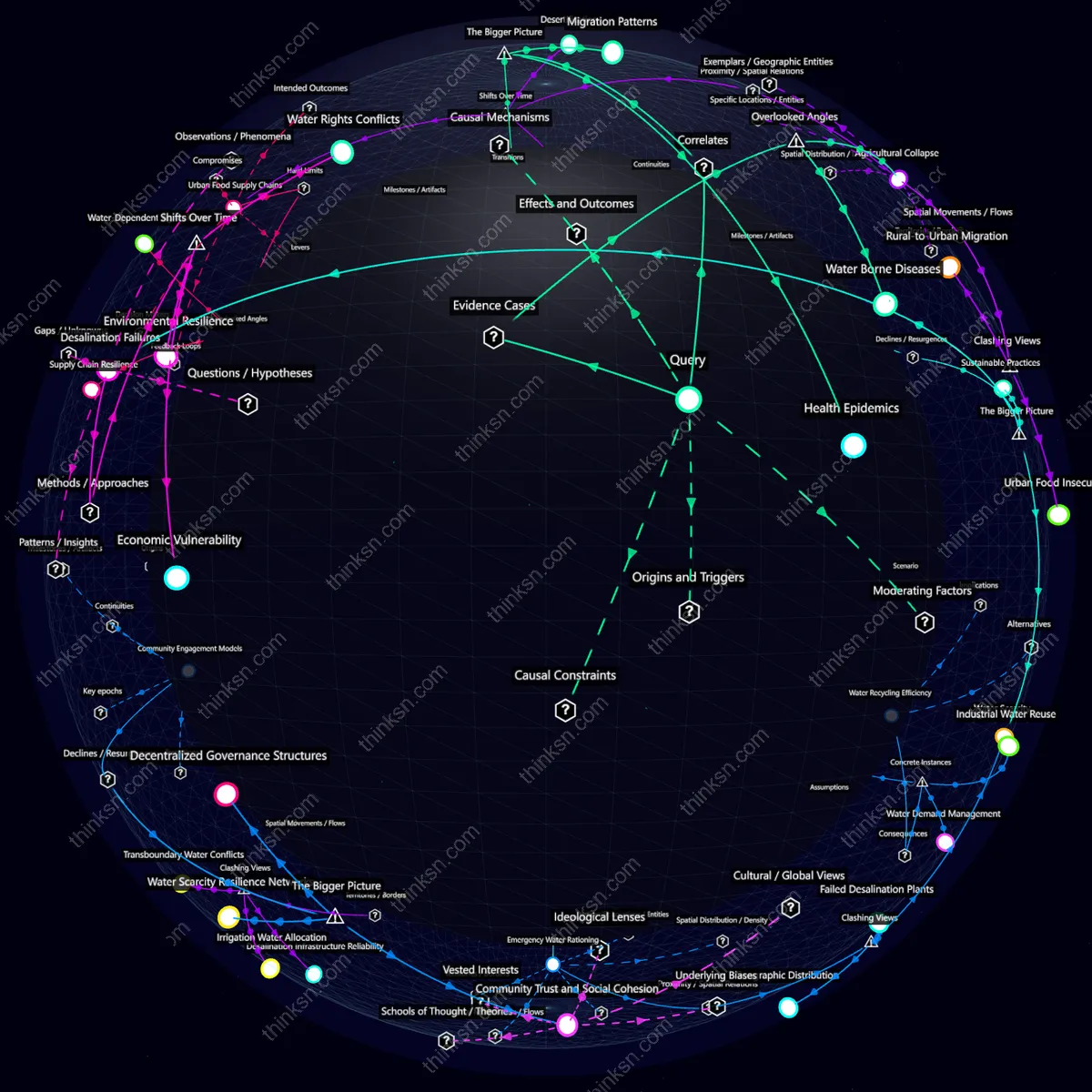
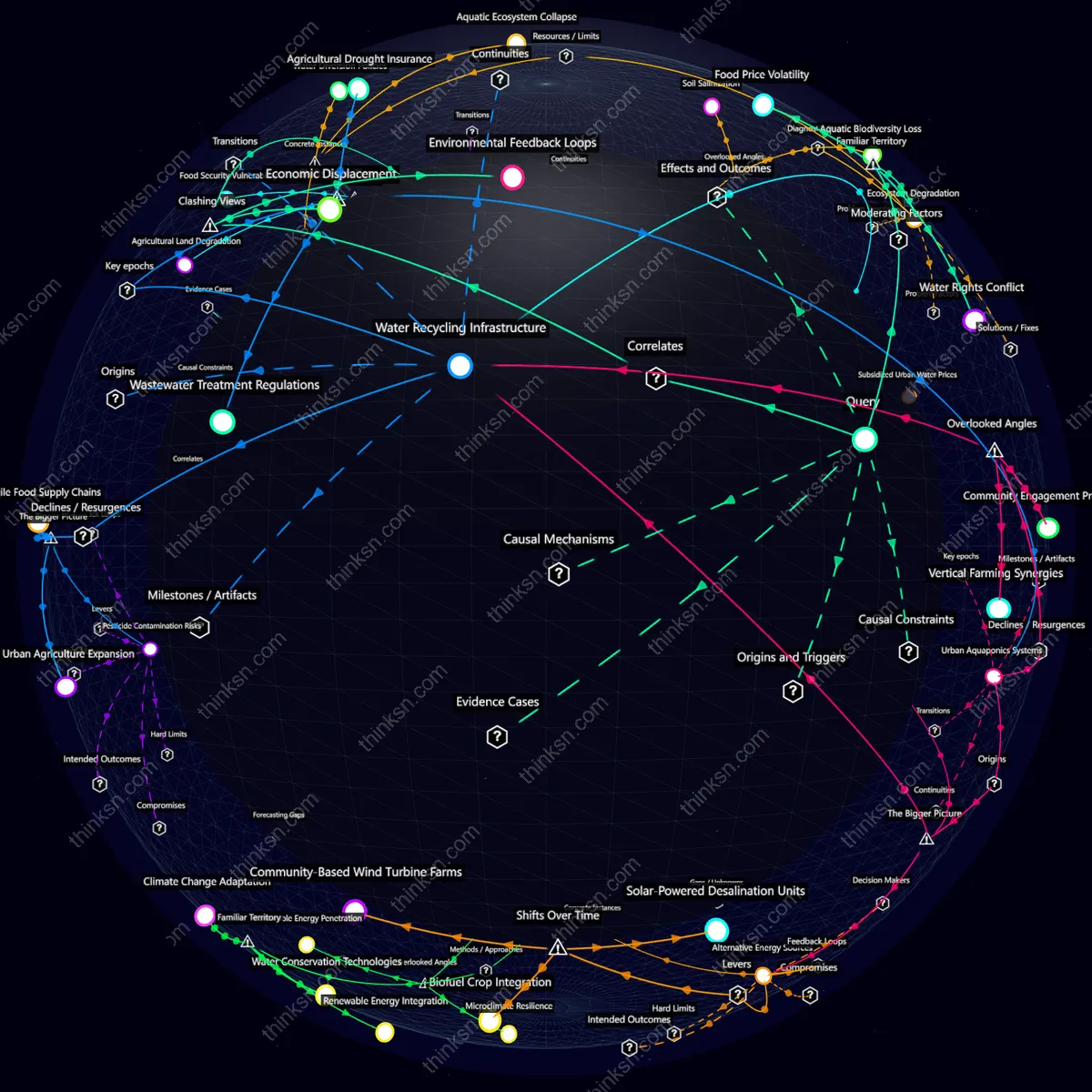
Desalination Plants
The construction of desalination plants can provide immediate relief to small island states suffering from saltwater intrusion. However, these facilities are costly and energy-intensive, often leading to increased carbon footprints and exacerbating the very climate change that caused the problem in the first place.
Aquifer Relocation
Some islands have resorted to relocating freshwater aquifers by pumping contaminated water out and replacing it with treated seawater. This practice disrupts local ecosystems, affecting marine life and potentially leading to further environmental degradation that could undermine long-term sustainability.
Population Relocation
As saltwater intrusion renders traditional sources of freshwater undrinkable, small island states may face the harsh reality of relocating significant portions of their population. This drastic measure can lead to social and cultural disintegration, creating new challenges for displaced communities and increasing pressures on already strained global humanitarian resources.
International Aid Dependency
Increased reliance on international aid for climate resilience can trap small island nations in cycles of dependency, undermining their autonomy to implement long-term sustainable policies tailored to local contexts and needs.
Migration Flows
Saltwater intrusion forcing migration from coastal areas may lead to urban overpopulation and strain existing social services, potentially igniting intergenerational conflicts and exacerbating socio-economic disparities within island communities.
Deeper Analysis
What are the measurable impacts on small island states when population relocation is implemented as a response to saltwater intrusion in freshwater aquifers due to rising sea levels?
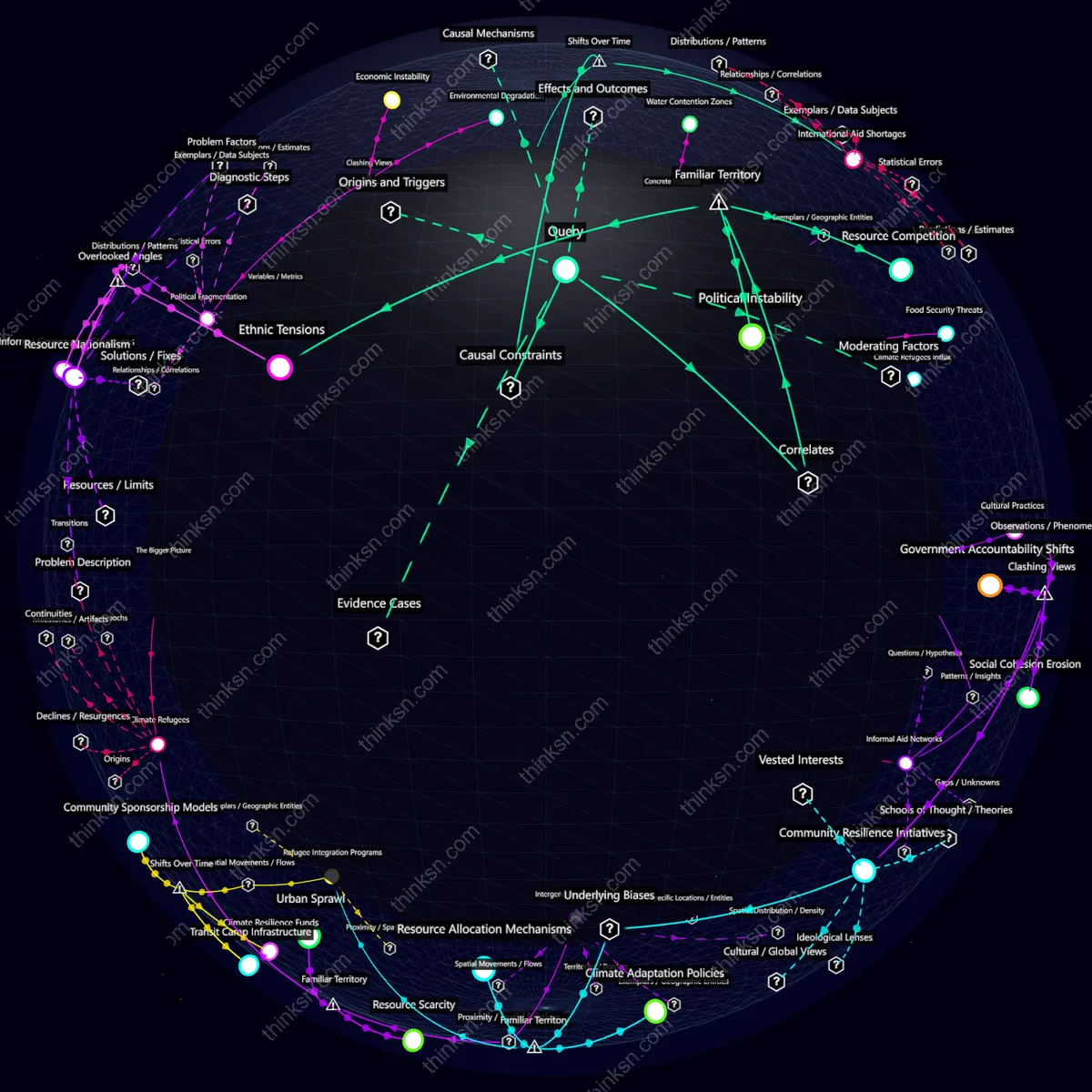
Environmental Refugees
Population relocation turns small island states' residents into environmental refugees, as they seek new homes due to saltwater intrusion. This migration places a strain on host nations' resources and infrastructure, potentially exacerbating social tensions between newcomers and existing communities.
Economic Dependency
The reliance of small island states on international aid for population relocation can distort local economies, making them overly dependent on external support. This dependency undermines national sovereignty and resilience in the face of future environmental challenges or political instability.
Cultural Erosion
Relocating populations away from their ancestral homes leads to a significant cultural erosion, as traditions, languages, and social ties are disrupted. This loss can be irreversible, challenging the identity and continuity of relocated communities and highlighting the fragile nature of indigenous cultures in the face of environmental changes.
Economic Disruption
Population relocation can lead to severe economic disruption for small island states as the loss of labor forces impacts local industries such as tourism and fisheries. This creates a precarious situation where communities lose their primary income sources, further exacerbating social instability and dependency on foreign aid.
Freshwater Shortages
Relocated populations often face severe freshwater shortages in their new locations, leading to increased competition for water resources. This scarcity can intensify existing tensions between displaced communities and the indigenous population of receiving areas, highlighting the fragile interdependencies between environmental threats and social cohesion.
Explore further:
- How might economic disruption affect small island states due to saltwater intrusion in their freshwater aquifers as a result of rising sea levels?
- What are the emerging insights and hidden assumptions regarding the impacts of freshwater shortages on small island states due to saltwater intrusion from rising sea levels?
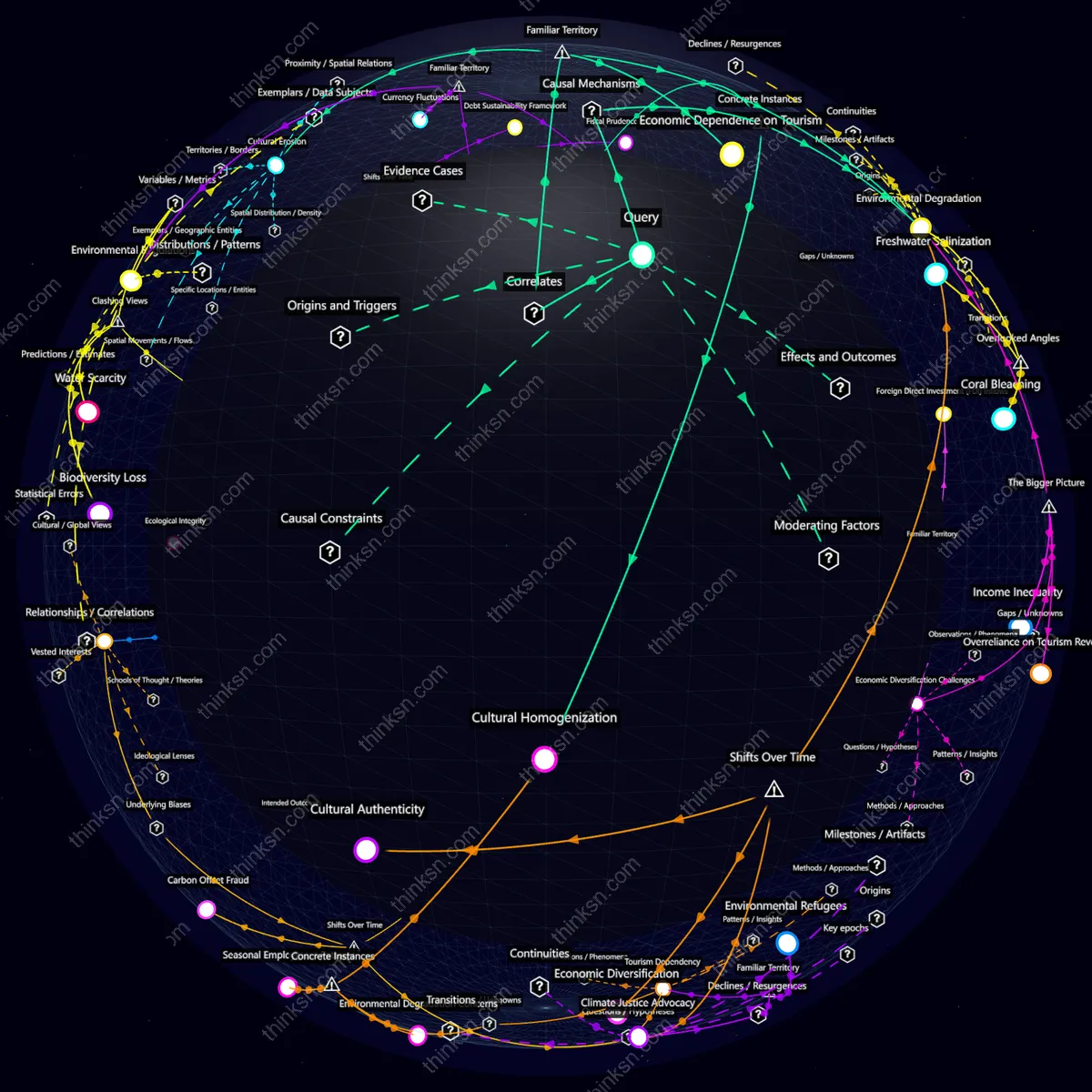
How might economic disruption affect small island states due to saltwater intrusion in their freshwater aquifers as a result of rising sea levels?
Freshwater Scarcity
As saltwater intrusion contaminates freshwater aquifers on small island states, economic disruption deepens due to heightened competition for scarce water resources. This scarcity can lead to increased migration and conflict over remaining supplies, further destabilizing local economies.
Climate Refugees
Economic disruption caused by saltwater intrusion often forces residents of small island states to relocate, creating a surge in climate refugees. This mass movement strains social services and infrastructure in host regions while leaving behind communities struggling with economic collapse and resource depletion.
Agricultural Decline
The degradation of freshwater aquifers due to rising sea levels leads to an agricultural decline, as saltwater intrusion renders farmland infertile. This not only undermines food security but also devastates local economies dependent on agriculture, pushing communities into a cycle of poverty and environmental dependency.
Agricultural Collapse
Saltwater intrusion in freshwater aquifers threatens crops, leading to reduced agricultural yields on islands like Tuvalu and the Maldives. This collapse not only endangers local food security but also disrupts economies heavily reliant on agriculture and related exports.
Tourism Decline
As rising sea levels and saltwater intrusion make coastal areas uninhabitable, tourism infrastructure is damaged or rendered unusable. For island nations like the Bahamas, where tourism accounts for a significant portion of GDP, this decline can lead to widespread unemployment and economic contraction.
Explore further:
- What strategies can small island states implement to mitigate freshwater scarcity caused by saltwater intrusion due to rising sea levels?
- What are the quantitative impacts on agricultural productivity and food security in small island states when saltwater intrusion compromises freshwater aquifers, and what systemic failures might occur as a result?
What strategies can small island states implement to mitigate freshwater scarcity caused by saltwater intrusion due to rising sea levels?
Desalination Plants
The construction of desalination plants offers a lifeline to small island states by converting seawater into freshwater. However, this solution is costly and energy-intensive, often requiring significant foreign investment. The reliance on imported fuels or technologies can exacerbate economic vulnerability and geopolitical dependencies.
Saltwater Intrusion
Rising sea levels intensify saltwater intrusion into coastal aquifers, jeopardizing freshwater supplies for agriculture and drinking water. This environmental pressure forces island communities to adopt complex water management strategies, such as building barriers or redirecting drainage systems, which can have unintended ecological consequences like habitat disruption.
Rainwater Harvesting
Small island states increasingly turn to rainwater harvesting as a sustainable solution. While effective in capturing rainfall for immediate use, this method requires substantial infrastructure investment and maintenance, and its efficacy diminishes during prolonged dry periods or extreme weather events.
What are the quantitative impacts on agricultural productivity and food security in small island states when saltwater intrusion compromises freshwater aquifers, and what systemic failures might occur as a result?
Freshwater Scarcity
Saltwater intrusion into freshwater aquifers leads to a rapid decline in accessible water resources for irrigation, exacerbating freshwater scarcity and forcing farmers to rely on less productive salt-tolerant crops or expensive desalination technologies. This can result in reduced agricultural yields and increased food import dependency, making the local economy more vulnerable.
Economic Vulnerability
The decline of agriculture due to water stress triggers economic vulnerability as small island states experience decreased export revenues from crops traditionally grown for international markets. This can lead to higher unemployment rates and social unrest, further straining limited resources and increasing dependence on external aid.
Biodiversity Loss
Agricultural decline due to saltwater intrusion often leads to the conversion of degraded farmland into alternative land uses such as aquaculture or tourism development. This shift can accelerate biodiversity loss, disrupting ecosystems that support both agriculture and fisheries, thereby compounding environmental challenges for future food security.
What are the quantitative impacts and potential systemic failures associated with the implementation of desalination plants as a response to saltwater intrusion in small island states' freshwater aquifers due to rising sea levels?
Energy Consumption
As desalination plants increase in number to combat saltwater intrusion on small islands, energy consumption surges due to the high operational demands of these facilities. This not only strains local power grids but also escalates costs for residents, potentially leading to significant economic disparity and reduced access to electricity for essential services.
Ecosystem Disruption
The discharge of concentrated brine from desalination plants into marine ecosystems can lead to hypersalinity in coastal areas, disrupting local biodiversity. This ecological damage may have unforeseen long-term impacts on fisheries and tourism, which are crucial economic pillars for small island states.
Water Quality Concerns
While desalination plants alleviate freshwater shortages, the quality of this water can be compromised by inadequate post-treatment processes. This leads to potential health risks from harmful minerals and chemicals not filtered out, highlighting a critical trade-off between quantity and quality in addressing saltwater intrusion.
Marine Ecosystem Disruption
Desalination plants can release concentrated brine back into coastal waters, leading to hyper-salinity pockets that disrupt marine ecosystems. These impacts are often overlooked in initial cost-benefit analyses but can lead to long-term biodiversity loss and threaten fisheries, affecting both local economies and food security.
Alternative Water Sources Neglect
The focus on desalination as a primary solution for freshwater scarcity may divert attention from exploring or investing in alternative water management strategies like rainwater harvesting, wastewater recycling, or aquifer recharge. This neglect can result in missed opportunities to build more resilient and sustainable water supply systems.
Explore further:
- What are potential prescriptive interventions that small island states can implement to mitigate ecosystem disruption caused by saltwater intrusion in freshwater aquifers due to rising sea levels?
- How does marine ecosystem disruption due to rising sea levels evolve over time and affect small island states' responses to saltwater intrusion in their freshwater aquifers?
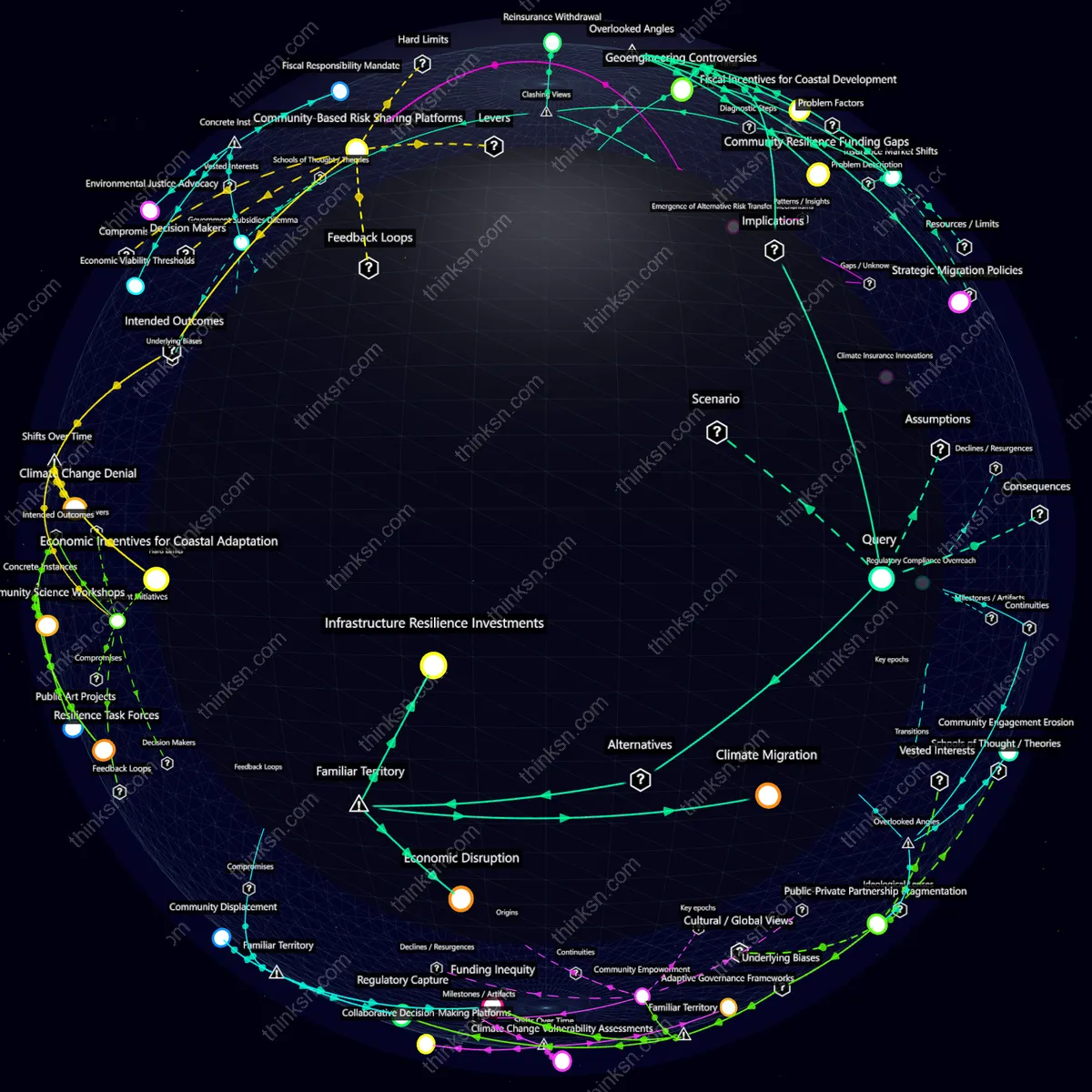
What are potential prescriptive interventions that small island states can implement to mitigate ecosystem disruption caused by saltwater intrusion in freshwater aquifers due to rising sea levels?
Sustainable Agriculture Practices
The adoption of sustainable agriculture practices, such as salt-tolerant crops and drip irrigation, can mitigate ecosystem disruption caused by rising sea levels. However, the reliance on imported seeds and technology could undermine local autonomy and increase financial strain for small farmers.
Infrastructure Resilience Projects
Building resilient infrastructure to protect freshwater aquifers from saltwater intrusion is crucial but often requires significant upfront investment that smaller island states may not have. This creates a trade-off between immediate protection needs and long-term economic stability, potentially leading to unsustainable debt burdens.
Community-based Conservation Efforts
Local communities play a critical role in monitoring and maintaining freshwater resources through conservation efforts. Yet, the absence of strong governance frameworks can lead to fragmented initiatives that may not effectively address the overarching issue of saltwater intrusion, highlighting the need for coordinated national strategies.
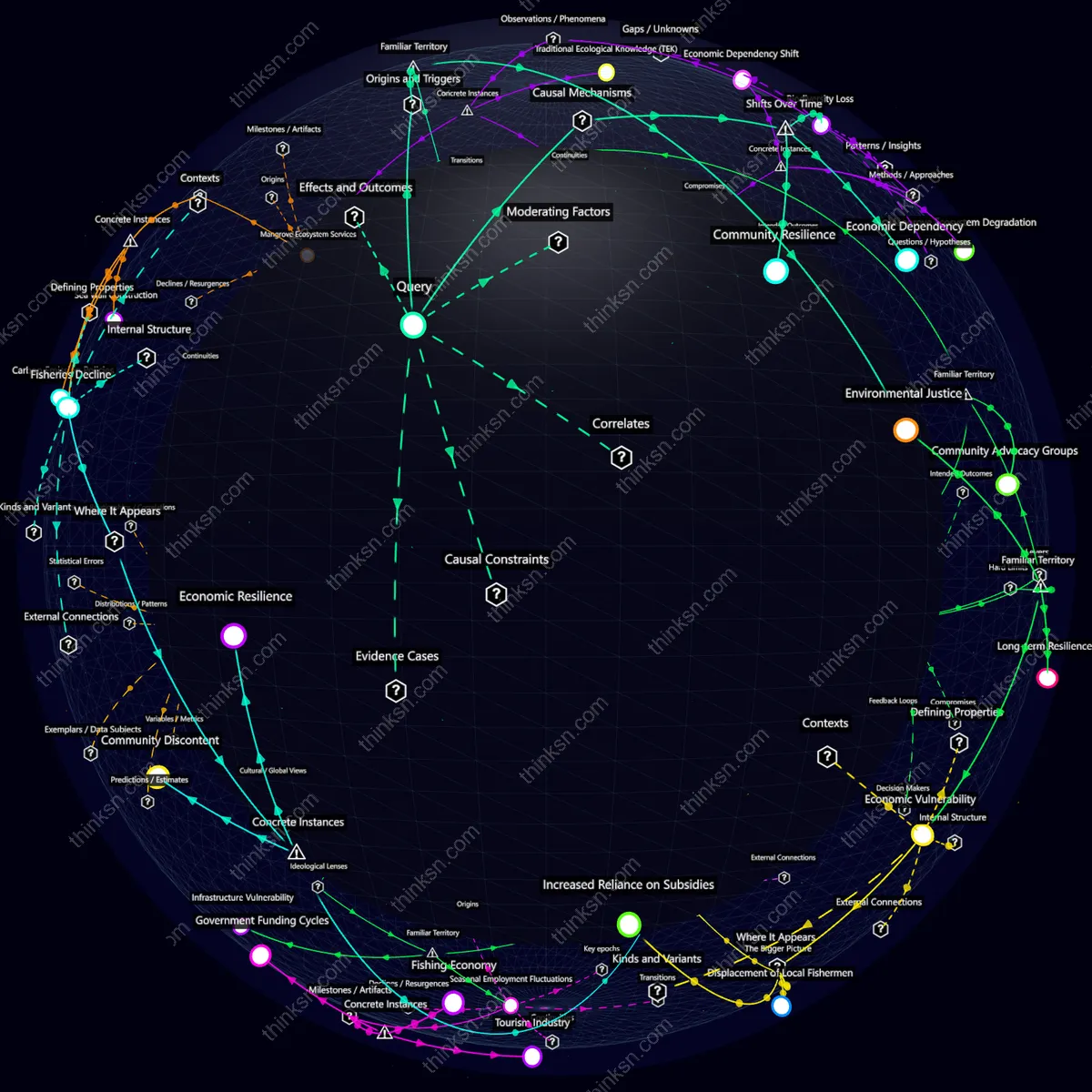
How does marine ecosystem disruption due to rising sea levels evolve over time and affect small island states' responses to saltwater intrusion in their freshwater aquifers?
Saltwater Intrusion
Rising sea levels intensify saltwater intrusion into freshwater aquifers of small island states, threatening agricultural viability and drinking water supplies. This exacerbates food insecurity and population displacement, forcing communities to invest heavily in desalination plants or relocate inland.
Coral Bleaching
Increased ocean temperatures lead to widespread coral bleaching, disrupting marine ecosystems that small island states rely on for tourism revenue and fisheries. This economic loss compounds the environmental crisis, weakening national budgets and hampering adaptation efforts against rising sea levels.
Migration Patterns of Marine Life
Shifts in marine ecosystem disruption alter migration patterns of fish species, impacting local fishing industries and traditional livelihoods of coastal communities. These changes can destabilize social structures and cultural practices tied to marine resources, leading to intergenerational conflicts over resource management.
Explore further:
How does saltwater intrusion evolve over time in small island states due to rising sea levels, and what mechanisms drive this process?
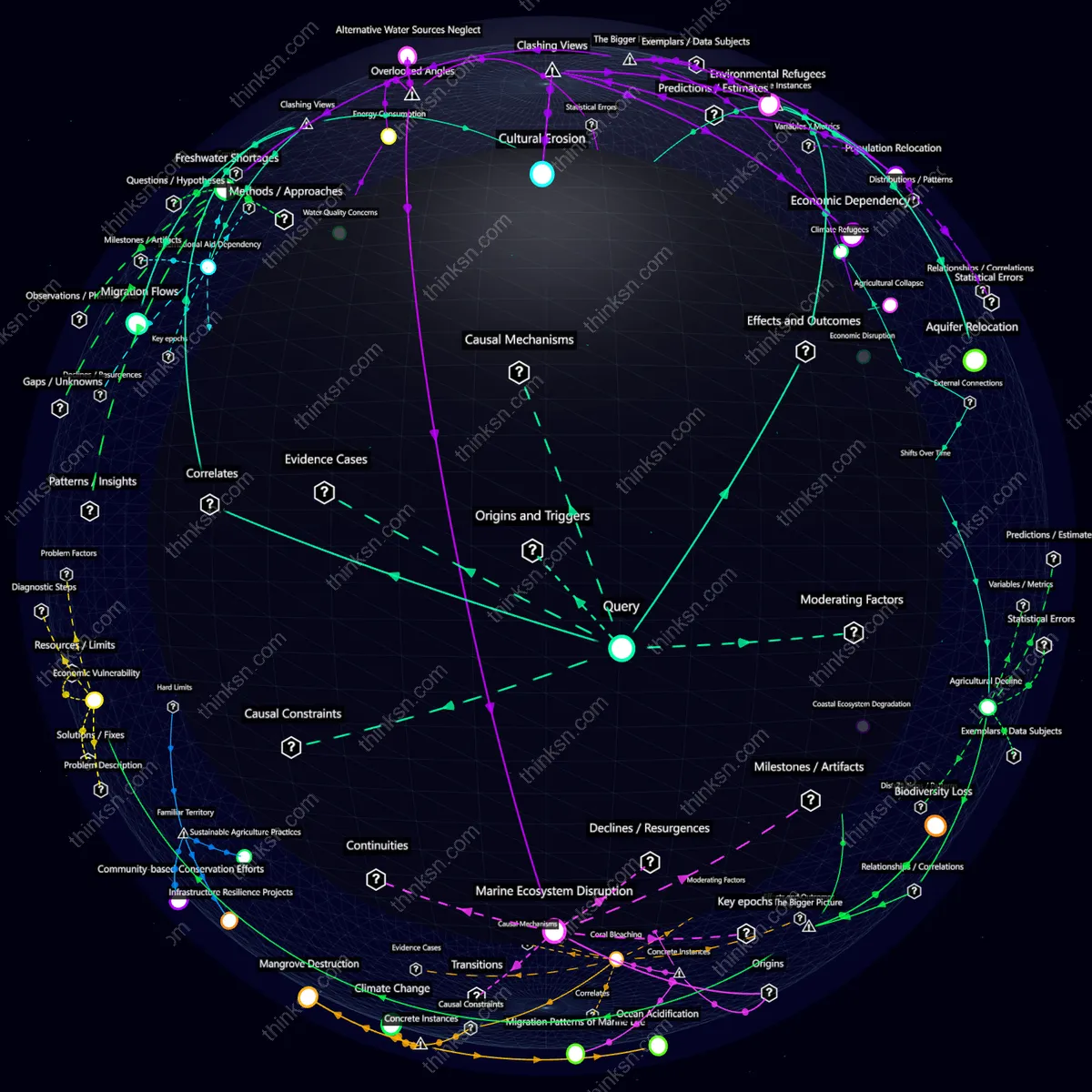
Aquifer Salinization
Saltwater intrusion progressively salinizes freshwater aquifers on small islands, making it difficult for residents to access potable water. As sea levels rise, the risk of contaminating drinking supplies increases, compelling communities to seek expensive alternatives like desalination plants or invest in complex groundwater management systems.
Coastal Ecosystem Degradation
The encroachment of saltwater into coastal ecosystems triggers a cascade effect, altering soil chemistry and plant life. This shift can lead to the decline of mangrove forests, which act as vital natural barriers against further intrusion and storm surges. The loss of these protective ecosystems leaves island communities more vulnerable to climate impacts.
Socioeconomic Displacement
Saltwater intrusion often forces residents in low-lying coastal areas to relocate inland, leading to increased pressure on already limited resources in central regions. This displacement can exacerbate poverty and social tensions within small island states, as displaced populations compete with existing communities for housing, employment, and access to services.
How does coral bleaching contribute to saltwater intrusion in freshwater aquifers of small island states and what are their potential responses over time?
Ocean Acidification
Increased ocean acidification due to coral bleaching disrupts the delicate balance of marine ecosystems, leading to a decline in biodiversity and altering water chemistry. This can exacerbate saltwater intrusion into freshwater aquifers of small island states by weakening natural barriers like mangrove forests and coastal vegetation.
Climate Change
As climate change intensifies coral bleaching events, small island nations face escalating threats to their freshwater security. The loss of protective coral reefs accelerates saltwater intrusion into vital aquifers, forcing communities to adapt by implementing expensive desalination technologies or relocating populations inland.
Mangrove Destruction
Coral bleaching-induced shifts in marine ecosystems can lead to the destruction of mangroves due to increased sedimentation and changes in water quality. The loss of these natural buffers increases the vulnerability of freshwater aquifers to saltwater intrusion, compelling small island states to invest heavily in coastal management strategies.