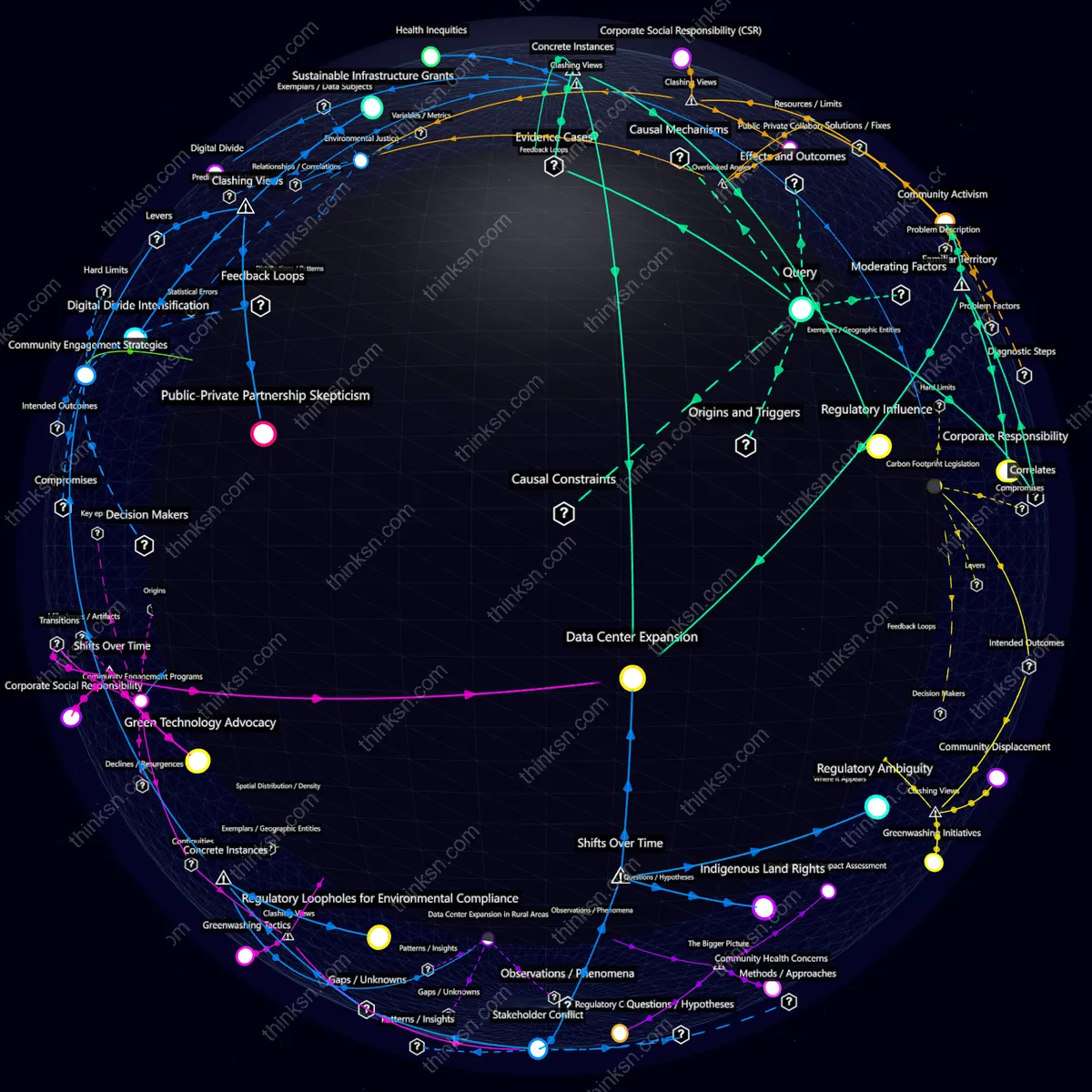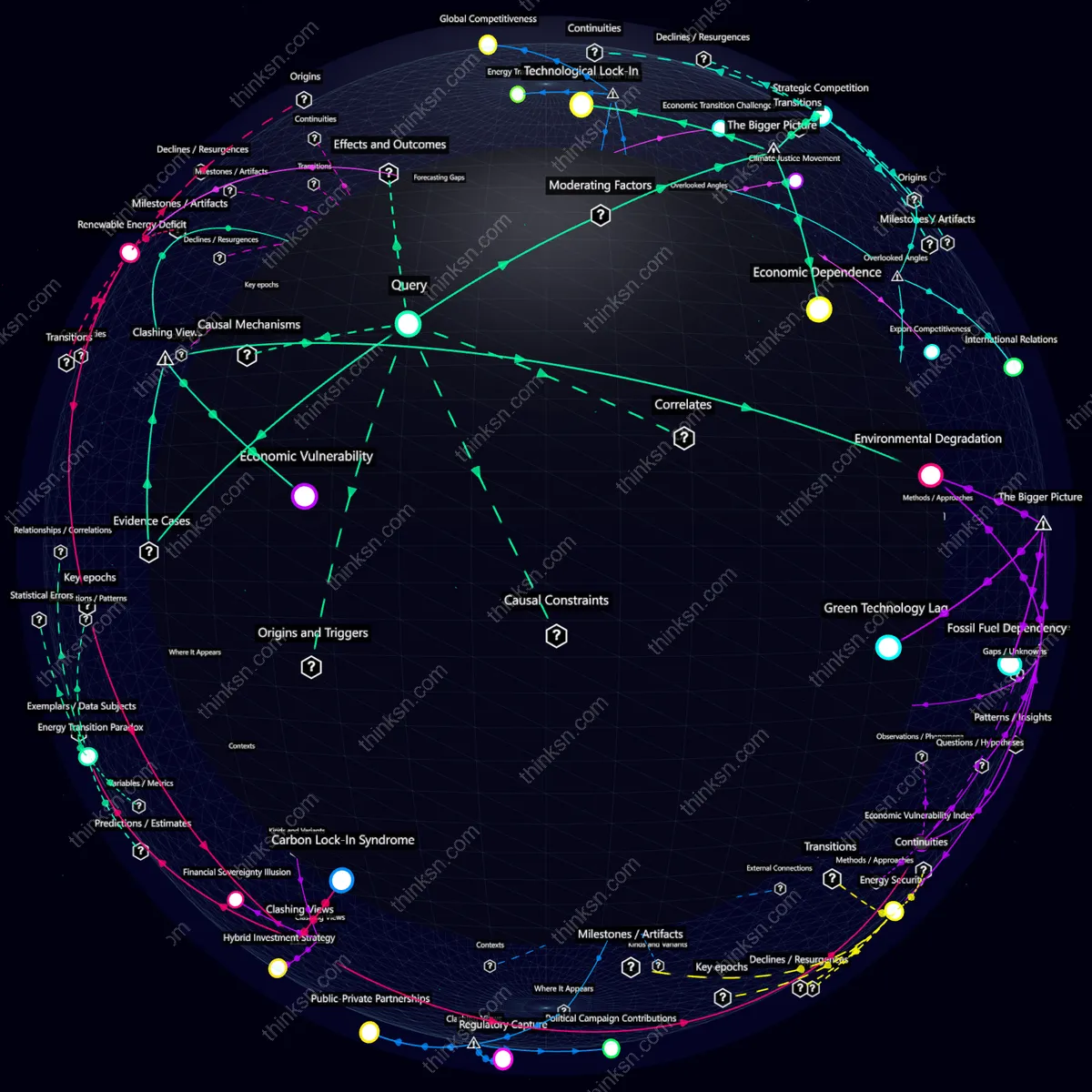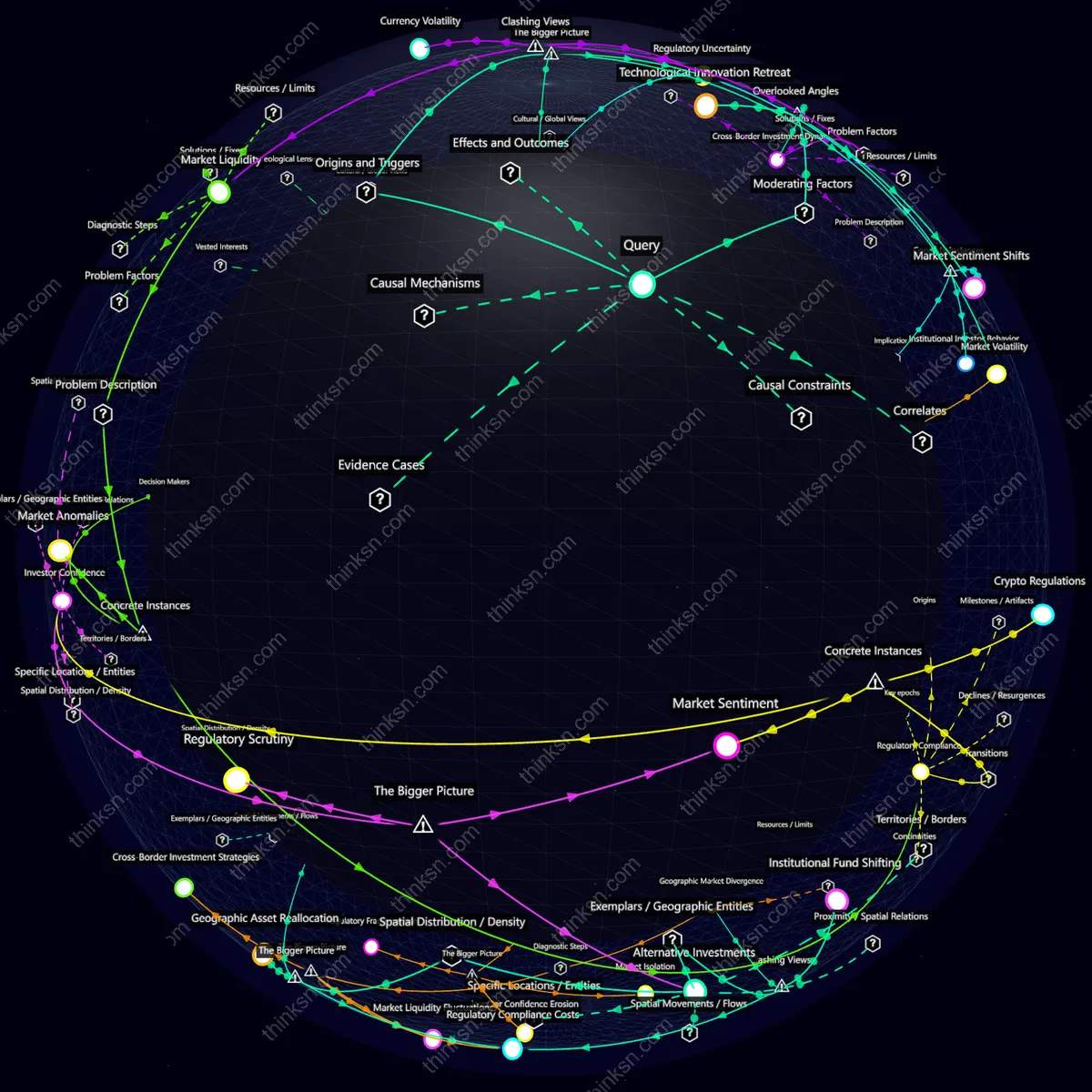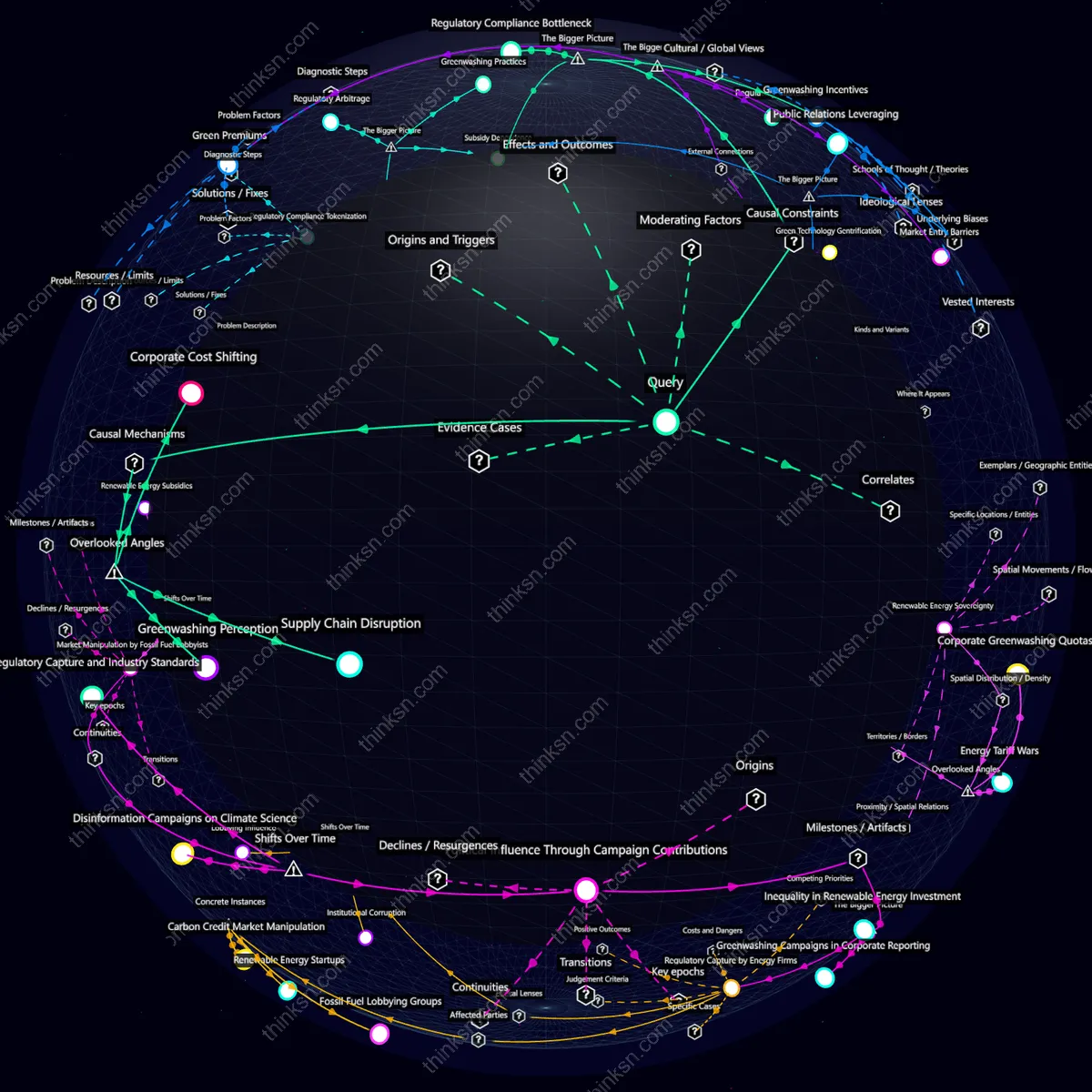
Can Corporate Environmental Neglect Spark Public Backlash and Divestment?
Key Findings
Investor Backlash Trigger
Environmental rule-breaking triggers investor backlash and divestment only when large institutional funds have already embedded climate risk into their investment frameworks through responsible investing principles.
A company breaking environmental rules causes public backlash and investor sell-offs only if large investors already face climate financial risks. This condition emerged when most big pension and sovereign funds adopted responsible investing principles. Those principles made ignoring environmental rules a sign of poor management. The process works because institutional owners hold many shares. When one big firm breaks regulations, its bad reputation harms the whole portfolio. This risk leads funds to sell their shares in that company. The backlash and sell-off need more than public anger. They require environmental compliance to be built into investment rules. This makes modern regulatory violations much more costly than in past decades.
Corporate Environmental Fallout
Corporate environmental violations trigger divestment and public backlash in places with strong, independent regulation because investors act on the expected financial costs of enforcement.
When government environmental agencies can make rules, inspect companies, and enforce laws independently, breaking environmental rules leads to strong public backlash and investors pulling out. This happens because violations bring real legal and financial costs. Market reactions follow the risk of these penalties, not just public opinion. In the U.S., EPA actions since the 1970s show that enforcement drives media attention and investor losses. Credit downgrades and stock sell-offs follow. Similar patterns appear in G20 countries. World Bank and IMF studies confirm that strong, independent regulation makes financial risk the main reason investors leave. The threat of state-imposed fines shapes corporate behavior. When governments hold firms accountable, markets respond quickly.
Corporate Fallout After Pollution
Public backlash and divestment follow corporate environmental violations in transparent systems because reputational damage spreads fast through media and investor networks.
In countries with strong oversight and active public scrutiny, companies that break environmental rules face serious reputational damage. News spreads quickly through media and investor networks. Investors pay close attention when environmental harm conflicts with financial responsibilities. Public exposure and legal consequences make it hard for firms to regain trust. Reputational damage builds quickly and widely. This loss of public approval is hard to reverse. Investor decisions shift not out of fear but as a careful response to risk. When rules are broken in highly watched settings, public backlash and loss of funding become unavoidable.
Corporate Environmental Defiance
Deliberate environmental violations by major corporations lead to public backlash and divestment because media scrutiny, civil pressure, and regulatory attention combine to harm reputation, especially where transparency and accountability are enforced.
After 1970, many countries created environmental agencies and required companies to report their environmental impacts. These rules changed how the public and investors react when corporations break environmental laws. Media coverage, pressure from advocacy groups, and regulatory scrutiny now combine to damage a company's reputation over time. This damage grows stronger when reporting is transparent and investors care about environmental, social, and governance factors. The threat of backlash and loss of investment deters noncompliance in nations with strong legal systems, active news media, and powerful institutional investors. However, this deterrent fails when governments stop enforcing laws or when companies can hide their actions. In nations where the rule of law is weak or corporate secrecy is protected, defiance carries less risk. Therefore, in countries with independent courts, free press, and dominant institutional investors, major corporations that knowingly break environmental rules will face strong public opposition and lose investor support.
Investor Reaction To Pollution
Environmental violations do not cause investors to sell off a company's stock unless those violations are reframed as systemic financial risks through standardized metrics, because asset managers prioritize earnings stability over reputation.
In today's economy, companies often focus on making money for shareholders. Environmental violations do not always hurt them financially. This happens because big investment firms set the rules. These firms care more about stable earnings than occasional fines. Losing public trust does not usually change their investment choices. Only when violations are seen as long-term financial risks do investors act. Standards like those from climate disclosure groups make this shift happen. Even with major industrial accidents and heavy news coverage, many investors kept their money in polluting companies. They only pulled out after climate risk was made part of official investment rules. Reputation damage alone cannot force widespread divestment. It needs to match standard financial models first.
Corporate Climate Rules
Divestment from polluting companies rose only when global finance redefined environmental harm as a financial risk through changing norms in investing.
Big companies once followed environmental rules because governments enforced laws and public opinion mattered. Legal consequences and damage to reputation kept misconduct in check. This worked from the 1980s through the 2000s. Examples include actions after the Exxon Valdez oil spill. But things changed as financial markets gained power. Companies began focusing more on quick profits for shareholders. Ownership became more spread out. Government oversight grew weaker. This made it easier to ignore environmental rules. Public outrage no longer forced change by itself. Divestment did not happen automatically. Instead it depended on global activist groups and large investors joining together. Change only occurred when financial leaders began seeing environmental harm as a financial threat. Around 2015, initiatives like the Principles for Responsible Investment treated pollution risks as dangers to the whole financial system. That shift made divestment more likely.
Public Exposure Of Pollution
Corporate pollution triggers public backlash when transparent records enable stakeholders to act.
When the public can access official reports on environmental rules, wrongdoing becomes easier to spot. Independent audits make it clear when companies break these rules. This transparency allows media, investors, and consumers to respond. Under the Clean Air Act, utility companies that repeatedly violated emissions limits faced more negative news coverage. They also faced opposition from shareholders and boycotts by customers. These consequences grew stronger when federal data confirmed the violations. Civil society groups shared this data widely. The result was greater public accountability. When violations are ongoing and visible in public records, third parties take action. This raises the cost of breaking environmental laws. Corporations that ignore regulations over time face significant public and financial consequences.
Polluter Immunity
Major polluters escape public and market consequences when state power blocks scrutiny and accountability.
After 1970, many environmental rules relied on strong courts, free media, and independent investors to hold polluters accountable. In countries where the state and big businesses closely align, these checks are weakened. Courts follow political direction. News coverage is restricted. Major investors are tied to the state. Reputational risk depends on public scrutiny, but that scrutiny cannot build when information is suppressed. Without free media, public backlash cannot form. Shareholders do not push for change because they are not independent. Market reactions to pollution are weak or absent. State backing shields companies from public pressure. A firm’s open violation of environmental laws does not trigger protest or loss of investment. The normal cause-and-effect between bad behavior and consequences breaks down. This lets major polluters act without fear of response.