Will Solar Microgrids Disrupt Traditional Power Utilities?
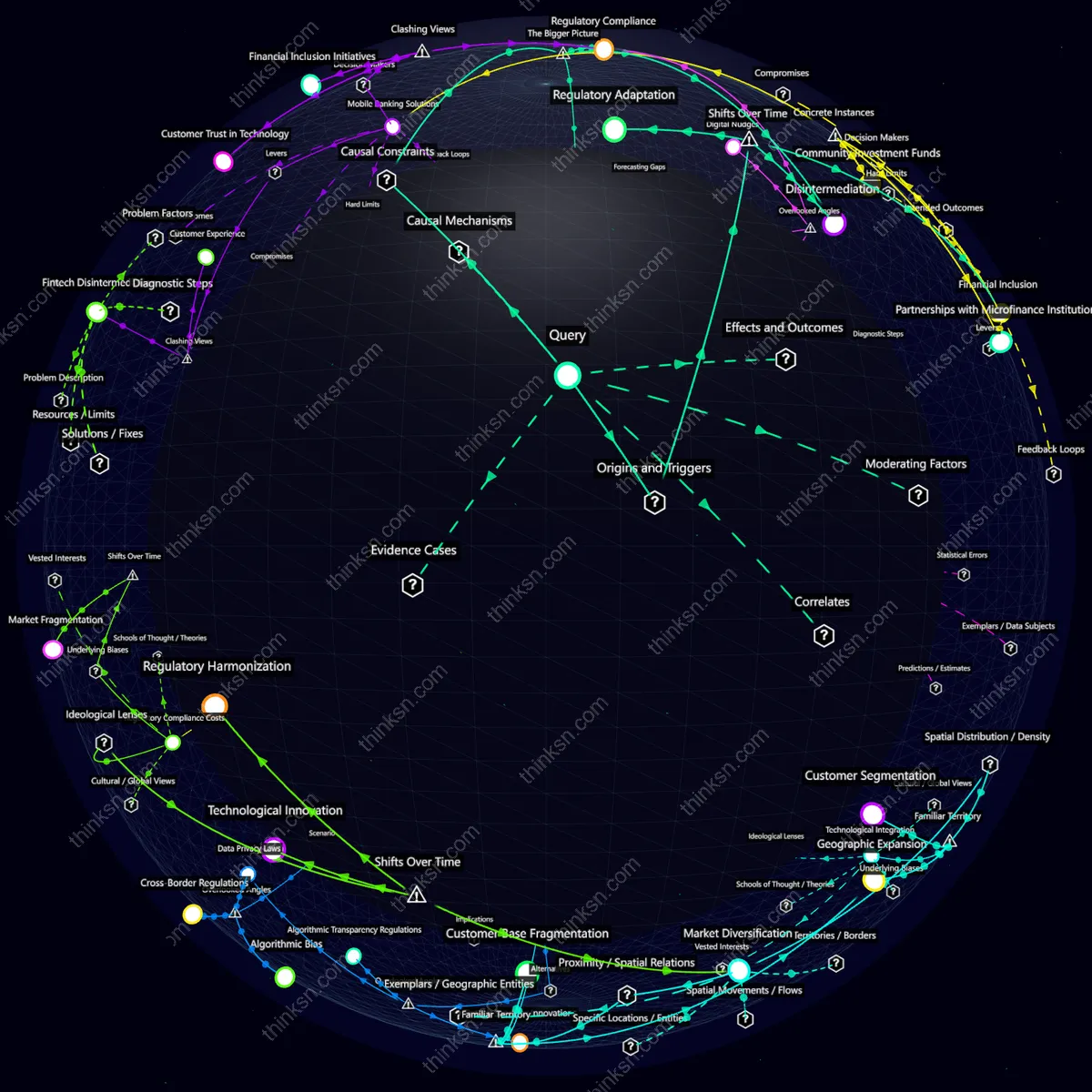
Analysis reveals 6 key thematic connections.
Key Findings
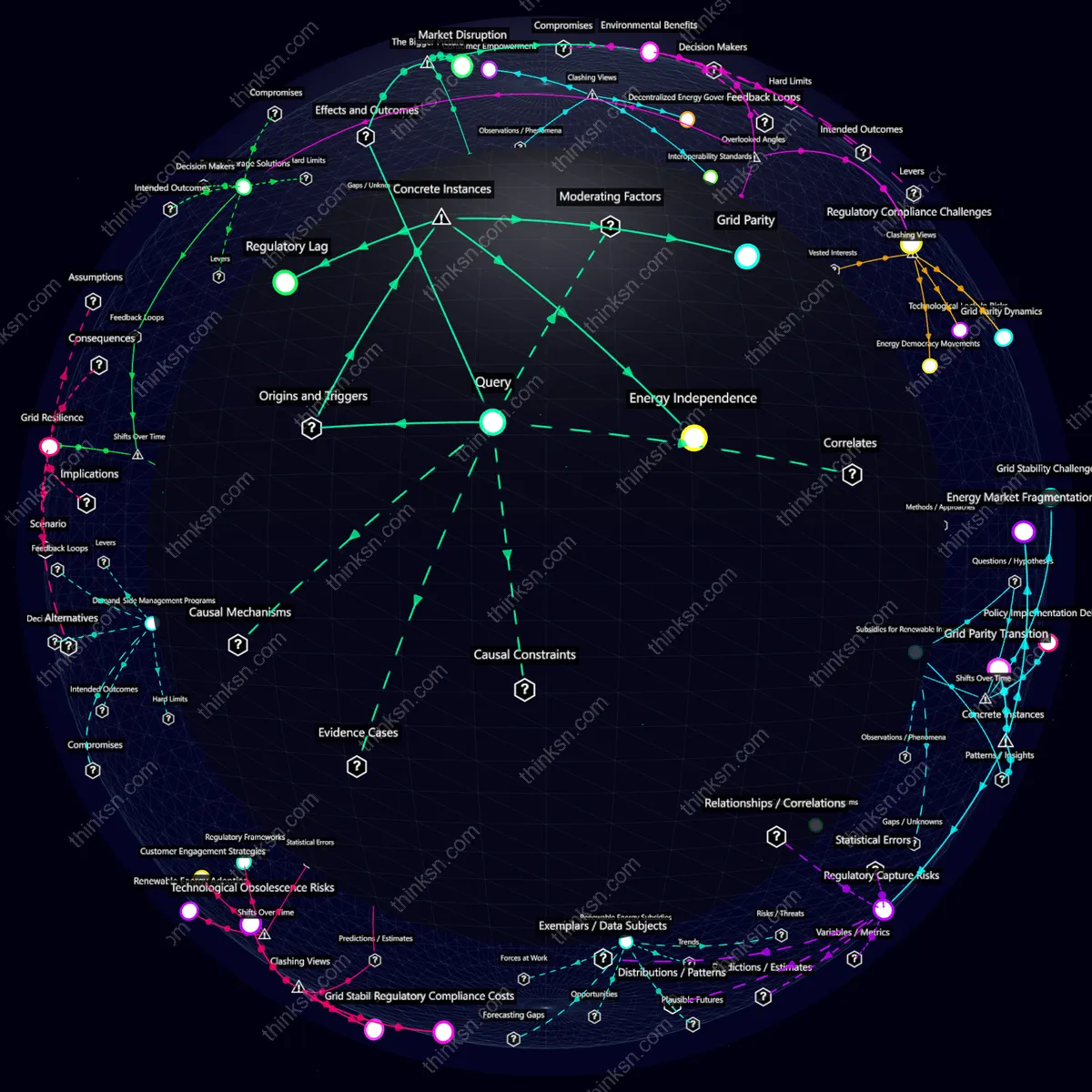
Grid Parity
As solar microgrids achieve grid parity in regions with high electricity costs and unreliable traditional grids, utilities face the challenge of adapting their business models. This shift can lead to stranded assets as customers transition away from centralized power sources.
Energy Independence
Rural communities adopting solar microgrids gain energy independence, potentially isolating them from national grid management and tariff policies. Traditional utilities face a dilemma in losing these market segments without compensatory strategies to retain their customer base.
Regulatory Lag
The rapid expansion of solar microgrids outpaces regulatory frameworks designed for centralized power systems, leaving traditional utilities with outdated rules that hinder innovation and adaptation. This lag can create a competitive disadvantage as new entrants are less constrained by legacy regulations.
Market Disruption
The growth of solar microgrids disrupts traditional power utilities' market dominance by decentralizing energy provision. This shift challenges established business models, forcing utilities to innovate or risk becoming obsolete as smaller-scale renewable solutions become more viable and customer-preferred.
Regulatory Adaptation
As solar microgrids proliferate, regulatory frameworks must evolve to accommodate these new energy systems. This adaptation process can be slow and contentious, with traditional utilities lobbying against changes that threaten their control over the grid infrastructure, while renewable advocates push for policies that facilitate the integration of distributed generation.
Environmental Benefits
While solar microgrids offer significant environmental benefits by reducing carbon emissions, this positive outcome also creates pressure on utilities to lower their own emissions or face regulatory penalties and public disapproval. This dual pressure can lead to a rapid but potentially risky transition towards cleaner energy sources without adequate planning for grid stability.
Deeper Analysis
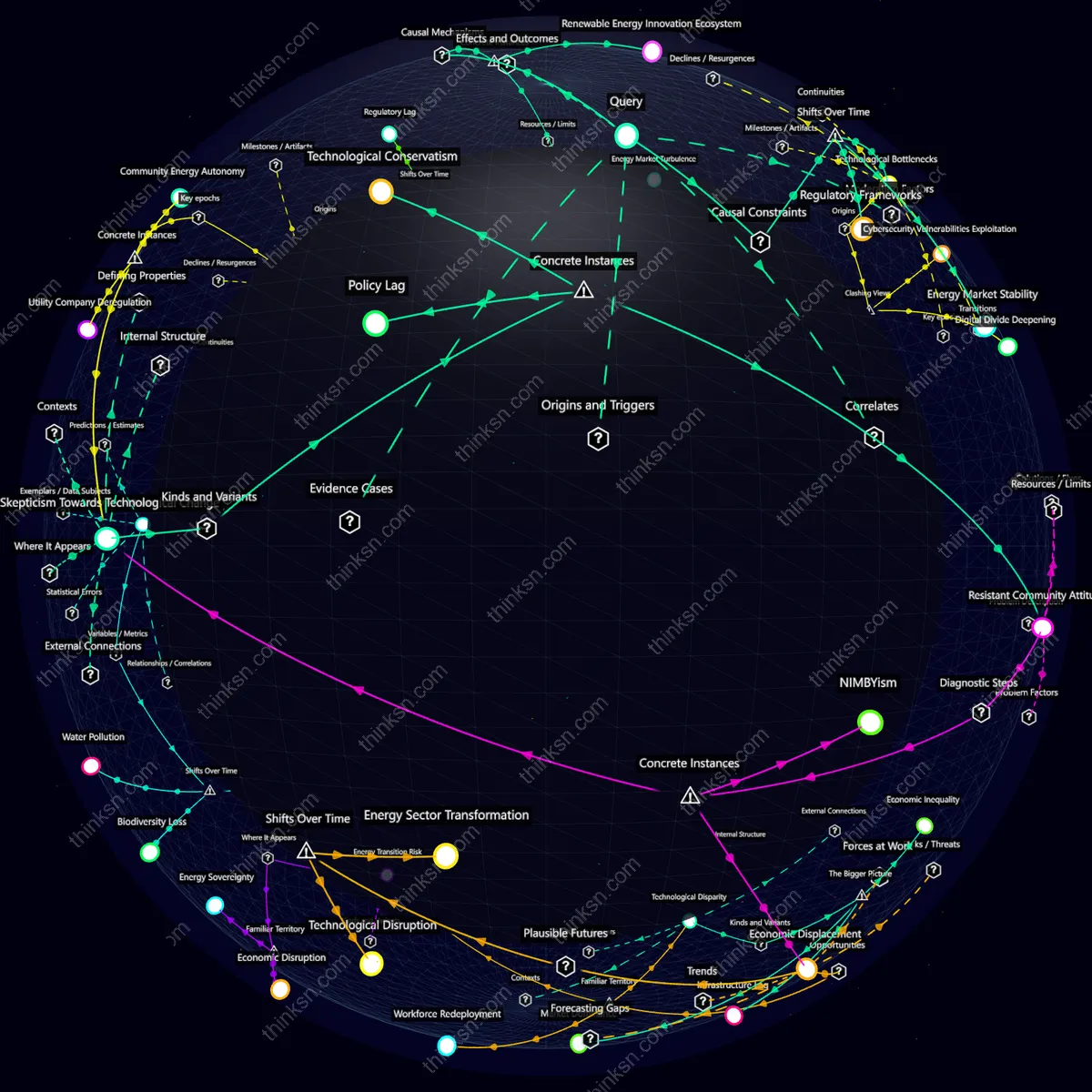
What new regulatory adaptations might traditional power utilities need to implement in response to the growth of solar microgrids, and what emerging insights can these changes offer into future energy market dynamics?
Decentralized Energy Governance
As traditional power utilities integrate solar microgrids, the shift towards decentralized energy governance challenges existing regulatory frameworks. This transformation risks creating a fragmented landscape where utilities struggle to maintain control and coordination, leading to potential inefficiencies and grid instability.
Interoperability Standards
The push for interoperability standards in microgrids forces utilities to align with new technical requirements that may not be compatible with legacy systems. This adaptation poses a risk of technological obsolescence, where utilities might face significant costs and delays in upgrading infrastructure to meet these emerging standards.
Consumer Empowerment
Regulatory adaptations necessitated by the growth of solar microgrids empower consumers with greater control over their energy consumption. This shift disrupts traditional utility business models, potentially leading to revenue loss and prompting utilities to explore new profit streams such as demand-side management services.
What strategic moves should traditional power utilities consider to capitalize on the environmental benefits provided by the growth of solar microgrids?
Energy Storage Solutions
As solar microgrids grow, the integration of energy storage solutions becomes crucial for traditional power utilities. However, this shift could exacerbate existing inequalities if rural and underserved areas are neglected due to higher upfront costs, leading to a widening gap in access to reliable clean energy.
Regulatory Compliance Challenges
The rapid expansion of solar microgrids presents regulatory compliance challenges for traditional power utilities. While adapting to new regulations can help utilities avoid penalties and fines, it also requires significant investments in legal expertise and infrastructure, potentially diverting resources from innovation and customer service improvements.
Community Engagement Initiatives
Effective community engagement is vital for the successful implementation of solar microgrids. However, traditional power utilities often face resistance due to historical mistrust or lack of transparency. Overcoming these barriers demands genuine dialogue and collaborative planning, which may involve ceding some control over project design and decision-making processes.
Explore further:
- What strategic interventions should traditional power utilities consider in response to the integration of energy storage solutions within solar microgrids?
- What are the emerging perspectives on how community engagement initiatives can alter the relationship between solar microgrids and traditional power utilities?
What strategic interventions should traditional power utilities consider in response to the integration of energy storage solutions within solar microgrids?
Grid Resilience
The integration of energy storage solutions in solar microgrids enhances grid resilience but introduces complex interdependencies. Traditional utilities must navigate the challenge of maintaining system stability amid rapid changes, where a single fault can cascade into broader outages due to interconnected renewable and battery systems.
Economic Incentives
Utility companies face pressure from regulatory bodies to offer economic incentives for energy storage adoption. While this accelerates the shift towards cleaner energy sources, it also risks creating a financial burden on utilities if initial investments do not yield expected returns quickly enough, undermining long-term sustainability.
Explore further:
What are the emerging perspectives on how community engagement initiatives can alter the relationship between solar microgrids and traditional power utilities?
Grid Parity Dynamics
Activists argue that community-led solar microgrids can accelerate grid parity by fostering local innovation and reducing reliance on traditional utilities, but this could also alienate large-scale power companies who view such initiatives as competition, leading to potential regulatory barriers or sabotage.
Energy Democracy Movements
Corporations may frame community engagement in solar microgrids as a means to enhance corporate social responsibility and market share, but this can mask underlying motives of controlling renewable energy infrastructure and stifling grassroots movements that aim for true democratization of power distribution.
Technological Lock-In Risks
Governments might see community engagement initiatives as a way to rapidly deploy solar microgrids, but this approach can lead to premature standardization around certain technologies, creating long-term dependency on specific hardware and software solutions that are difficult to change later.
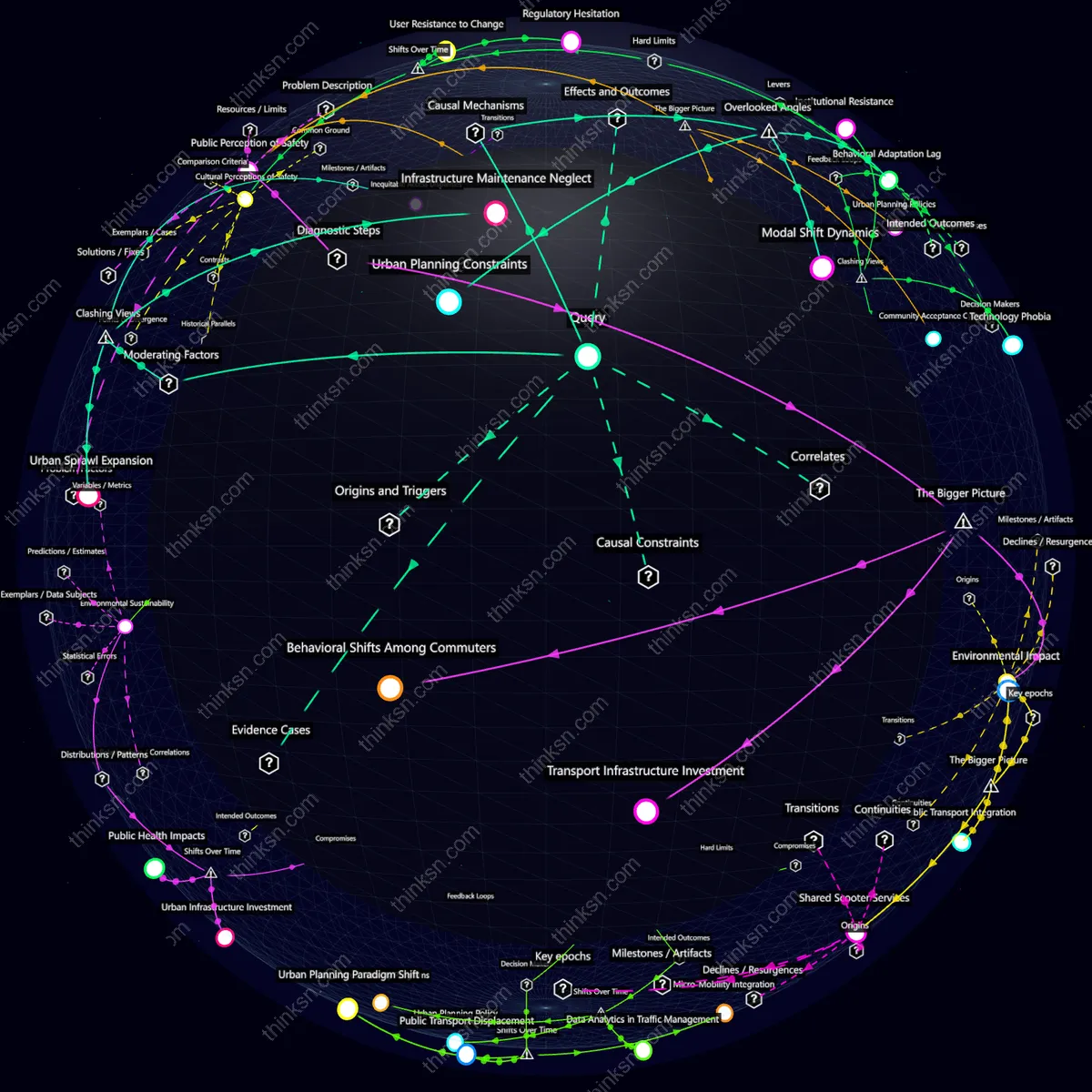
What are the economic incentives for traditional power utilities to integrate solar microgrids in their geographic distribution?
Subsidies for Renewable Integration
Government subsidies aimed at integrating solar microgrids into traditional power utilities can create a dependency on external financial support, potentially delaying the development of sustainable business models. This reliance may also divert resources from other critical infrastructure needs.
Carbon Credits and Emission Trading
Utilities leveraging carbon credits for integrating solar microgrids might face market volatility and regulatory changes that could undermine long-term financial stability, complicating investment decisions in renewable technologies. This strategy also risks overselling emission reductions if not properly monitored.
Demand-Side Management Programs
Incentivizing consumers to adopt demand-side management through solar integration can shift peak load times but may inadvertently encourage overconsumption during off-peak periods, leading to inefficiencies in the grid and increased overall energy production needs.
Renewable Portfolio Standards
The imposition of Renewable Portfolio Standards (RPS) pressures traditional power utilities to integrate more renewable sources like solar microgrids, creating economic incentives through compliance bonuses or penalties. However, rapid shifts in RPS requirements can destabilize utility investments and delay grid modernization efforts.
Carbon Pricing Mechanisms
Carbon pricing mechanisms such as cap-and-trade systems incentivize utilities to reduce emissions by integrating solar microgrids, but this approach can also exacerbate income disparities if higher energy costs disproportionately affect low-income consumers, leading to political backlash and regulatory uncertainty.
Explore further:
- What are the potential impacts on traditional power utilities if subsidies for renewable integration, particularly solar microgrids, increase significantly?
- What strategic moves can traditional power utilities formulate to leverage demand-side management programs in response to the growth of solar microgrids?
What are the potential impacts on traditional power utilities if subsidies for renewable integration, particularly solar microgrids, increase significantly?
Utility Revenue Streams
Increased subsidies for renewable integration can disrupt traditional power utilities' revenue streams by shifting consumer demand towards solar microgrids. This transition could lead to stranded assets and financial instability, as utilities struggle with underutilized fossil fuel-based infrastructure.
Grid Stability Challenges
Rapid expansion of subsidized renewable energy sources might strain grid stability due to variable output from solar panels, requiring significant investments in grid modernization. This challenge could delay the broader adoption of renewables and exacerbate existing reliability issues during peak demand periods.
Policy Implementation Delays
The rollout of subsidies for renewable integration often faces bureaucratic hurdles and resistance from incumbent energy sectors, delaying their benefits to consumers and undermining the pace of decarbonization. Such delays can also lead to market uncertainty and reduced private investment in clean technologies.
Grid Parity Transition
Substantial subsidies for renewable integration accelerate the transition to grid parity, where solar microgrids become economically competitive with traditional utilities. This shift can destabilize revenue models of incumbent power companies, leading them to invest in anti-renewable lobbying efforts or divest from existing fossil fuel infrastructure.
Energy Market Fragmentation
Increased subsidies for solar microgrids encourage more localized energy production and distribution. This trend can lead to market fragmentation, where smaller communities become less reliant on traditional utility grids, undermining the economies of scale traditionally enjoyed by large power companies.
Regulatory Capture Risks
As subsidies for renewable integration grow, there is a heightened risk of regulatory capture, with influential renewable energy firms and lobbyists shaping policy to favor their interests. This can result in an uneven playing field that stifles innovation and competition among less powerful players.
Explore further:
- What quantitative impact will the expansion of solar microgrids have on traditional utility revenue streams, and how might this strain their financial stability?
- What are the potential risks and measurable impacts of regulatory capture on traditional power utilities due to the growth of solar microgrids?
What quantitative impact will the expansion of solar microgrids have on traditional utility revenue streams, and how might this strain their financial stability?
Renewable Energy Subsidies
As solar microgrids expand and traditional utility revenue streams shrink, governments may increase renewable energy subsidies. This could distort market dynamics by making solar more economically viable but also create financial instability for utilities unable to compete without similar support.
Customer Choice Programs
The growth of customer choice programs that allow consumers to opt out of traditional utility services in favor of microgrids can undermine the financial stability of utilities. This trend not only challenges existing revenue models but also forces utilities to adapt or risk losing market share.
Grid Resilience Initiatives
As solar microgrids proliferate, traditional utilities may invest heavily in grid resilience initiatives to retain customers and maintain their revenue streams. However, this can lead to increased operational costs that might not be offset by current pricing structures, risking financial strain on the utility.
Grid Parity Achieved
The achievement of grid parity by solar microgrids shifts consumer preferences towards decentralized energy solutions, causing traditional utilities to lose significant market share. This transition can lead to a decrease in revenue from legacy coal and natural gas power plants as consumers opt for cleaner, more cost-effective alternatives.
Regulatory Challenges
Utilities face increasing regulatory pressures to integrate renewable energy sources into their grid systems, which may conflict with existing business models. This forces utilities to either adapt and invest in innovative technologies or risk becoming obsolete, potentially leading to financial instability as they struggle to meet new compliance requirements.
Customer Defection Rates
The rise of solar microgrids increases customer defection rates among traditional utility providers, especially in regions with high electricity prices and favorable renewable energy policies. Utilities must adapt by diversifying their revenue streams or risk financial strain from reduced demand for conventional grid services.
Explore further:
- How will changes in renewable energy subsidies impact the future adoption and integration of solar microgrids, and what are the potential effects on traditional power utilities over time?
- What are the potential quantitative impacts on customer defection rates for traditional power utilities as solar microgrids grow, and how can these be stress-tested to identify systemic vulnerabilities?
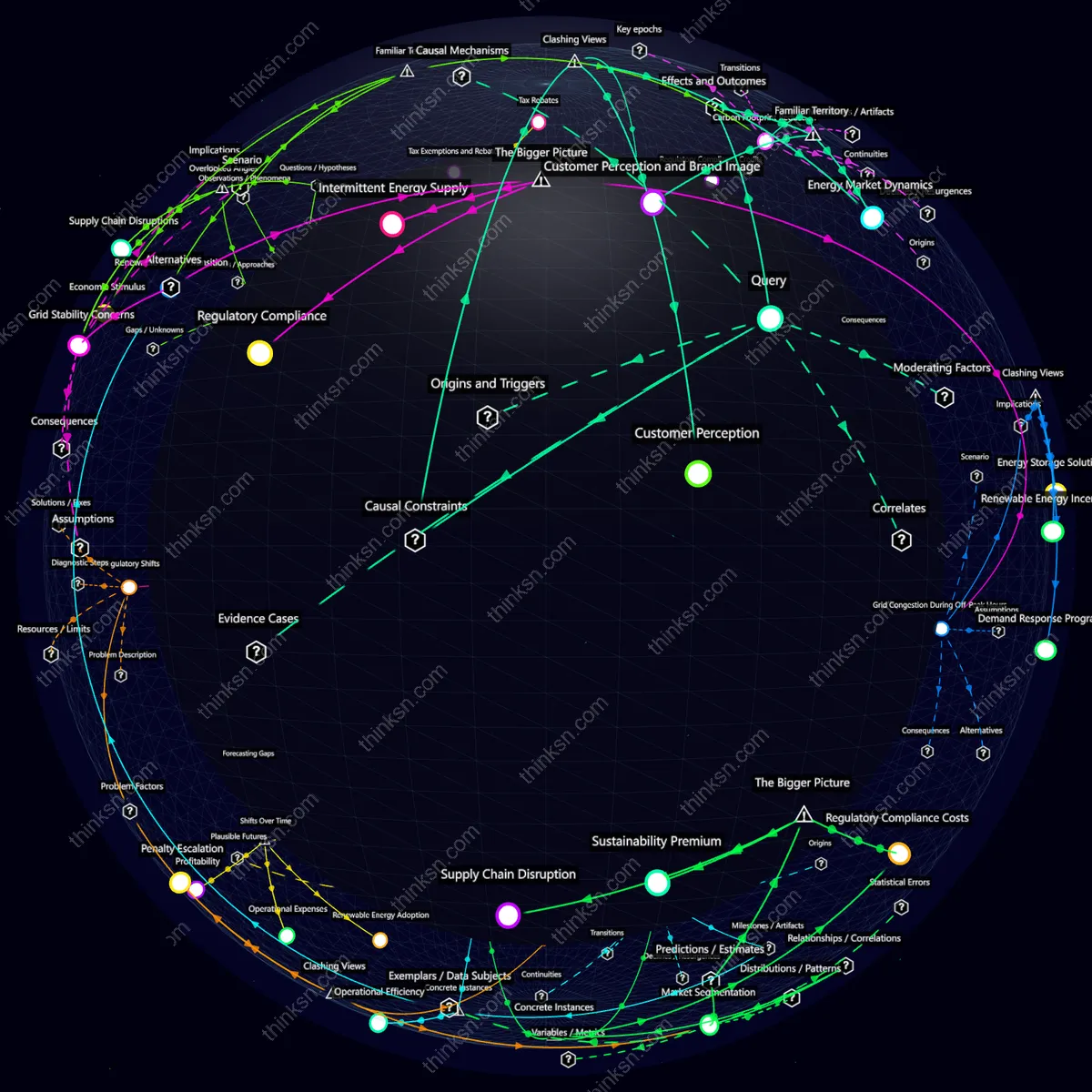
What are the potential quantitative impacts on customer defection rates for traditional power utilities as solar microgrids grow, and how can these be stress-tested to identify systemic vulnerabilities?
Renewable Energy Adoption
As renewable energy adoption increases due to solar microgrids, traditional power utilities face rising customer defection rates. This shift can stress-test utility infrastructure and business models, highlighting systemic vulnerabilities such as underinvestment in grid modernization and regulatory frameworks that fail to keep pace with technological change.
Regulatory Frameworks
Flaws in current regulatory frameworks become apparent when customer defection rates rise due to solar microgrids. Utilities may struggle if regulations do not encourage a balanced transition, leading to financial instability and reduced investment in grid maintenance. This can exacerbate systemic vulnerabilities by creating an uneven playing field for both traditional utilities and new renewable players.
Customer Engagement Strategies
Traditional power utilities that fail to adapt their customer engagement strategies risk losing market share as more customers opt for solar microgrids, increasing defection rates. Innovative companies might leverage data analytics to personalize offers and services, but such strategies can backfire if perceived as intrusive or not aligned with customer needs, further straining relationships and accelerating defection.
Grid Stability Concerns
As solar microgrids proliferate, traditional power utilities face increased grid stability concerns due to fluctuating solar input and intermittent connections. This volatility can lead to service disruptions, prompting customers to defect in search of more reliable energy solutions.
Regulatory Compliance Costs
Utilities must invest heavily in regulatory compliance to integrate renewable sources like microgrids, adding significant costs that may be passed on to customers. These expenses can make traditional utility services less competitive and drive customer defection rates upwards.
Technological Obsolescence Risks
The rapid advancement of solar technology poses a risk for utilities with outdated infrastructure, leading to a perception among consumers that sticking with traditional providers is akin to investing in an obsolete system. This can accelerate defection rates as customers seek modern and efficient energy solutions.