The Impact of Futuristic Investments in Airline Experiences Amid Traditionalist Resistance
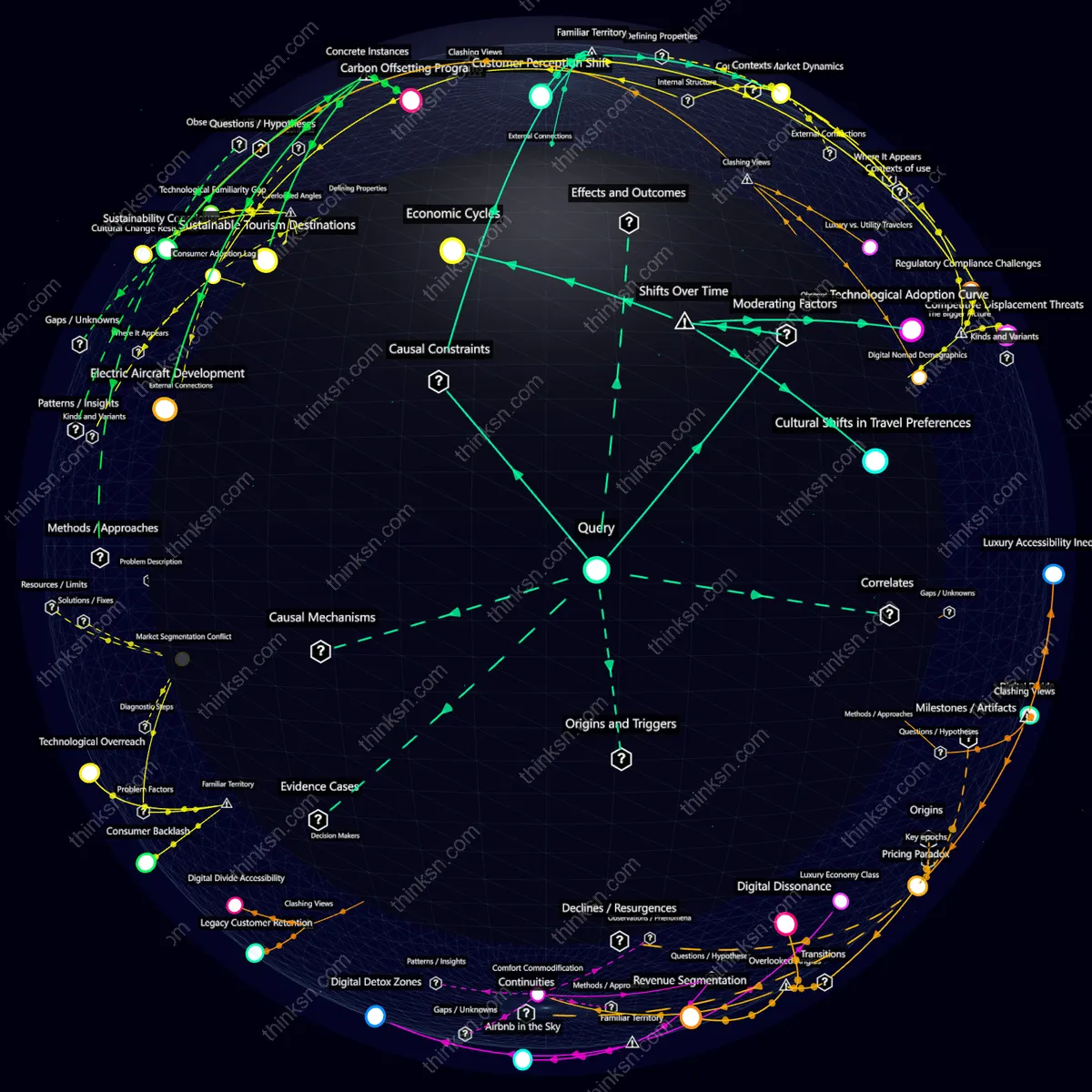
Analysis reveals 6 key thematic connections.
Key Findings
Technological Adoption Curve
The technological adoption curve highlights how heavy investment in futuristic travel experiences by airlines can lead to a polarized market. Early adopters embrace innovation, but the majority of traditional travelers resistant to change may delay acceptance, causing initial financial strain on airlines as they struggle to attract a critical mass of new customers.
Cultural Shifts in Travel Preferences
As cultural values around travel evolve from an emphasis on comfort and familiarity towards novelty and adventure, the resistance from traditional travelers may diminish over time. However, this shift can be gradual and unpredictable, posing a risk for airlines that must balance immediate financial needs with long-term strategic investments.
Economic Cycles
During economic downturns, consumers prioritize cost and comfort over innovation, potentially exacerbating resistance to futuristic travel experiences. Airlines face the challenge of maintaining investment in new technologies while also addressing the demand for more traditional offerings, risking financial instability if the timing of technological adoption does not align with consumer readiness.
Customer Perception Shift
Heavy investment in futuristic travel experiences shifts customer perception towards novelty and innovation, yet traditional travelers prioritize comfort over cutting-edge technology. Airlines risk alienating their core market if they fail to balance the allure of new with the reassurance of established comforts.
Technological Adoption Barriers
Resistance from traditional travelers highlights significant barriers in technological adoption and user acceptance, where advanced travel technologies may not align with traveler expectations or needs. Airlines must navigate these challenges to avoid undermining passenger trust and loyalty.
Competitive Market Dynamics
Futuristic investment strategies can lead airlines to outpace each other in technology adoption, potentially creating a market where the focus shifts from service excellence to technological superiority. This race may exhaust resources needed for maintaining traditional comfort standards, risking alienation of conservative clientele.
Deeper Analysis
What are the competitive market dynamics influencing airlines that heavily invest in futuristic travel experiences when encountering resistance from traditional travelers who prioritize comfort?
Consumer Adoption Lag
In the face of resistance from traditional travelers prioritizing comfort, airlines investing heavily in futuristic travel experiences find themselves navigating a consumer adoption lag. This delay not only affects immediate sales but also strains financial resources and dampens investor confidence, as early adopters are fewer than anticipated. The risk lies in overextending innovations before market readiness, potentially leading to a backlash that undermines competitive advantage.
Regulatory Compliance Challenges
Airlines innovating with futuristic travel experiences must confront regulatory compliance challenges, especially when existing safety and operational standards are not yet adapted for new technologies. This legal friction can impede market entry or expansion, forcing airlines to divert substantial resources to lobbying efforts rather than product development. The trade-off between innovation leadership and adherence to outdated regulations poses a critical dilemma for competitive positioning.
Customer Segmentation Shifts
Airlines investing in futuristic travel experiences face a segmentation shift where early adopters drive innovation but traditional travelers resist. This creates a risk of alienating core loyal customer bases, leading to fragmented market dynamics and potential revenue loss as airlines struggle to balance between tech-savvy and comfort-seeking demographics.
Competitive Displacement Threats
When airlines heavily invest in futuristic travel experiences, they open the door for new entrants offering simpler, more traditional services tailored specifically to comfort-seeking travelers. This can lead to competitive displacement as established players' brand loyalty is challenged by niche competitors providing a direct solution to consumer resistance.
Explore further:
- What are the key factors in consumer adoption lag that affect airlines investing heavily in futuristic travel experiences when confronted with traditional travelers' preference for comfort?
- What emerging insights can be gained from analyzing shifts in customer segmentation as airlines invest heavily in futuristic travel experiences, considering resistance from traditional travelers who prioritize comfort?
What are the key factors in consumer adoption lag that affect airlines investing heavily in futuristic travel experiences when confronted with traditional travelers' preference for comfort?
Technological Familiarity Gap
Airlines investing in futuristic travel experiences often face a technological familiarity gap among traditional travelers who prefer comfort over novelty. This gap can lead to consumer adoption lag as passengers are hesitant to embrace new technologies, preferring familiar and comfortable settings, thereby creating a risk that airlines might overlook the importance of incremental innovation to bridge this gap.
Perceived Value Disparity
Traditional travelers may perceive less value in futuristic travel experiences due to their preference for comfort, leading to consumer adoption lag. This disparity can result in lower satisfaction and engagement with new offerings, forcing airlines to invest more in marketing and customer education to address these perceptions, thereby increasing operational costs and potentially delaying widespread acceptance of innovative services.
Cultural Change Resistance
Resistance to cultural change is another factor contributing to consumer adoption lag for futuristic travel experiences. Traditional travelers deeply rooted in established norms may view new technologies as intrusive or unnecessary, creating a fragile dependency on social proof and peer influence to drive acceptance. Airlines must navigate these dynamics carefully to avoid alienating their core customer base while innovating.
What emerging insights can be gained from analyzing shifts in customer segmentation as airlines invest heavily in futuristic travel experiences, considering resistance from traditional travelers who prioritize comfort?
Digital Nomad Demographics
The rise of digital nomads as a distinct customer segment challenges traditional airline segmentation strategies. Airlines catering to this group face risks from over-reliance on technology, such as data breaches impacting loyalty and trust.
Luxury vs. Utility Travelers
As airlines introduce futuristic amenities, the divide between luxury and utility-focused travelers widens. This shift can lead to fragmented market dynamics where comfort-oriented traditionalists may defect to cruise ships or rail travel, leaving airlines scrambling for alternative revenue streams.
Sustainability Consciousness
The growing awareness of environmental impacts among younger customer segments pressures airlines to balance technological innovation with sustainable practices. Airlines risk losing credibility and market share if they prioritize futuristic over eco-friendly offerings.
What emerging insights and hidden assumptions are revealed when airlines heavily invest in futuristic travel experiences, considering the perceived value disparity with traditional travelers who prioritize comfort?
Technological Divide
The heavy investment in futuristic travel experiences by airlines creates a technological divide between traditional travelers who prioritize comfort and those embracing innovation. This divide risks alienating segments of the market, potentially leading to decreased customer loyalty among long-standing passengers.
Economic Accessibility Barriers
Airlines investing heavily in futuristic travel experiences may inadvertently create economic accessibility barriers for lower-income travelers who prioritize traditional comfort over cutting-edge technology. This could exacerbate social inequalities and limit the market's inclusivity, harming long-term brand reputation and customer base.
Market Segmentation Conflict
The focus on futuristic travel experiences can lead to a conflict within market segmentation strategies. While airlines aim to attract tech-savvy travelers, they may overlook the needs of traditional comfort seekers, leading to missed opportunities for revenue and customer satisfaction in both segments.
Explore further:
- What are the hidden economic accessibility barriers that arise when airlines invest heavily in futuristic travel experiences, and how do these barriers affect traditional travelers' perception of comfort and value?
- What are the measurable impacts and potential failure points when airlines stress-test their market segmentation strategy by heavily investing in futuristic travel experiences, considering resistance from traditional travelers who prioritize comfort?
How might sustainability consciousness among travelers impact airlines' investment strategies in futuristic travel experiences, considering resistance from traditional comfort-seeking passengers?
Carbon Offsetting Programs
Airline investments in carbon offsetting programs aimed at reducing environmental impact attract eco-conscious travelers. However, traditional comfort-seeking passengers may resist such initiatives if they perceive higher costs or less convenience, highlighting a trade-off between sustainability and passenger satisfaction.
Electric Aircraft Development
Airlines accelerating the development of electric aircraft to reduce emissions could face significant resistance from passengers who prioritize long-haul comfort over environmental concerns. This shift might also strain airline finances due to high initial investment costs, raising questions about long-term profitability.
Sustainable Tourism Destinations
Collaboration between airlines and sustainable tourism destinations can enhance the appeal of eco-friendly travel options for sustainability-conscious travelers. However, this strategy may backfire if popular but unsustainable tourist spots remain more attractive to comfort-seeking passengers, undermining airline efforts to promote green initiatives.
What are the hidden economic accessibility barriers that arise when airlines invest heavily in futuristic travel experiences, and how do these barriers affect traditional travelers' perception of comfort and value?
Pricing Paradox
Investing in futuristic travel experiences can create a pricing paradox where airlines raise ticket prices to fund innovations, yet these high costs become barriers for traditional travelers who perceive value based on affordability and practicality. This shift risks alienating the mass market segment that relies on budget-friendly options.
Digital Divide
The push towards digital and technological enhancements in air travel exacerbates the digital divide by favoring tech-savvy travelers over those who prefer traditional booking methods or lack access to advanced technology. This unintended consequence may lead to a perception gap where less technologically adept travelers feel excluded from modern amenities, despite their willingness to pay for comfort.
Luxury Accessibility Inequality
Futuristic travel experiences often focus on luxury and premium services, creating an inequality where only the affluent can afford these innovations. Traditional travelers may perceive such initiatives as out-of-reach luxuries rather than necessary upgrades, undermining their sense of value in more standard air travel options.
What are the measurable impacts and potential failure points when airlines stress-test their market segmentation strategy by heavily investing in futuristic travel experiences, considering resistance from traditional travelers who prioritize comfort?
Consumer Backlash
Heavy investment in futuristic travel experiences can trigger a consumer backlash among traditional travelers who value comfort over novelty. This resistance undermines the segmentation strategy by diluting the airline's brand appeal and customer loyalty, leading to decreased market share and revenue.
Technological Overreach
Airlines that prioritize futuristic technologies without adequate testing or user acceptance can face significant technological overreach issues. This leads to operational inefficiencies, high maintenance costs, and frustrated customers who demand reliable service over cutting-edge features.
Niche Market Fragmentation
Focusing on a narrow segment of tech-savvy travelers while alienating traditionalists can fragment the market, creating pockets of unserved or underserved customers. This fragmentation limits growth opportunities and exposes airlines to competitive pressures from rivals that cater more broadly to traveler preferences.
How does the Pricing Paradox evolve as airlines invest heavily in futuristic travel experiences despite resistance from traditional travelers who prioritize comfort?
Digital Dissonance
As airlines prioritize futuristic travel experiences like virtual reality and AI-driven services, they face a digital dissonance where early adopters embrace these innovations while traditional travelers resist. This rift exacerbates the Pricing Paradox, as airlines must balance high-tech investments with maintaining comfort-centric offerings for older demographics, risking alienation of core customer bases.
Comfort Commodification
The push towards futuristic travel experiences commodifies comfort by treating it as an outdated luxury rather than a fundamental service expectation. This shift can erode brand loyalty among traditional travelers who value personalized attention and physical amenities, leading to a complex trade-off where airlines must navigate between technological advancement and maintaining traditional comfort standards.
Revenue Segmentation
Airlines increasingly segment their passenger base based on willingness to pay for futuristic experiences versus premium comfort options. This strategy intensifies the Pricing Paradox, as it requires sophisticated analytics to tailor pricing strategies while managing operational costs and customer satisfaction across diverse segments, potentially alienating price-sensitive travelers who seek traditional comforts.
What strategies can airlines employ to address niche market fragmentation resulting from heavy investment in futuristic travel experiences, when traditional travelers prioritize comfort?
Consumer Experience Parity
As airlines focus on futuristic travel experiences, consumer experience parity becomes a critical issue. Traditional travelers prioritize comfort over novelty, leading to dissatisfaction when standard amenities are neglected in favor of cutting-edge technology and services.
Segmentation Overload
The proliferation of niche markets can overwhelm airlines' ability to effectively segment their offerings, leading to a fragmented market where no single offering resonates strongly with any significant group. This overload may result in decreased customer loyalty as users feel underserved or overwhelmed by choices.
Regulatory Compliance Costs
Heavy investment in futuristic travel experiences can increase regulatory compliance costs for airlines, especially if these innovations require new safety standards or certifications. These added expenses could offset the benefits of market fragmentation and impact profitability.
What are the emerging insights and hidden assumptions behind the commodification of comfort in response to airlines' investment in futuristic travel experiences, and how do these affect traditional travelers' perceptions and behavior?
Luxury Economy Class
The introduction of luxury economy class by airlines shifts focus from premium to mass-market segments, commodifying comfort through incremental upgrades like lie-flat seats and gourmet meals. This blurs the line between business and economy classes, potentially alienating traditional business-class travelers who feel their experience is being diluted.
Airbnb in the Sky
Airlines' investment in futuristic travel experiences mirrors Airbnb's hospitality model by offering personalized services such as curated entertainment packages and bespoke cabin designs. This commodification of comfort risks creating a fragmented market where travelers prioritize unique, fleeting experiences over long-term loyalty to an airline brand.
Digital Detox Zones
In response to the commodification of comfort, airlines may introduce digital detox zones as a counterpoint to technological saturation. This trend challenges traditional traveler expectations and highlights the paradoxical desire for both connectivity and disconnection, revealing underlying tensions between convenience and mental well-being.
What strategies can airlines implement to address consumer experience parity when heavy investments in futuristic travel experiences face resistance from traditional travelers prioritizing comfort?
Legacy Customer Retention
Airlines heavily investing in futuristic travel experiences risk alienating long-time customers who prioritize traditional comfort. This could result in a significant loss of loyal customer base, impacting revenue and brand loyalty over time.
Digital Divide Accessibility
The push towards digital and technologically advanced travel services may leave behind older or less tech-savvy travelers, exacerbating the digital divide and potentially violating accessibility laws. This could lead to regulatory scrutiny and public backlash if not addressed properly.