Climate Finance Disparity Fuels Carbon Intensive Growth in Developing Nations
Key Findings
Climate Finance Gap
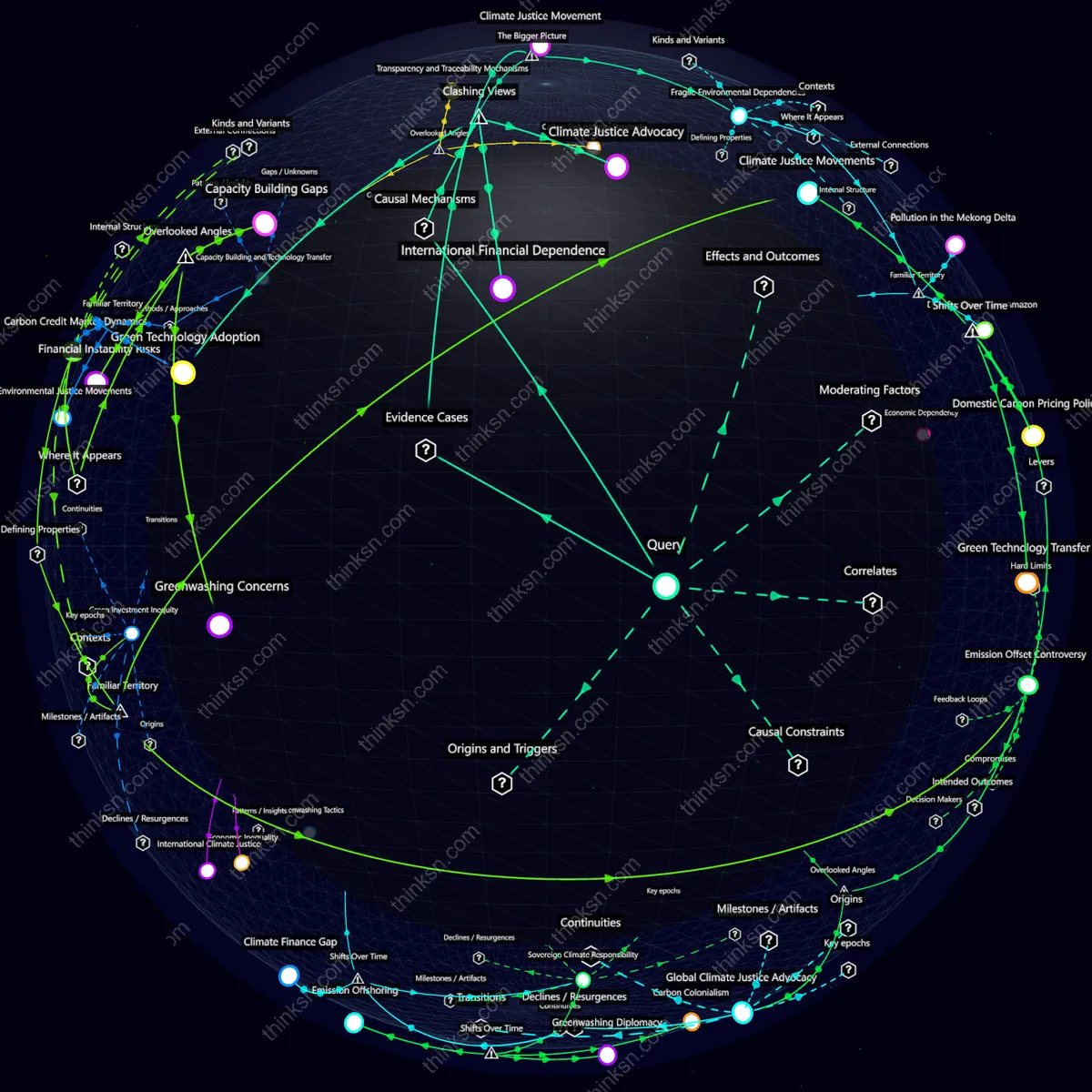
Carbon-intensive growth persists in developing nations because their limited fiscal capacity prevents upfront green spending, a result of a global finance system that fails to collectively fund climate resilience.
The main barrier to climate finance is not strict lending rules from global development banks. Instead it is the mismatch between poor countries’ budgets and the huge costs of clean energy projects. This mismatch is built into the global financial system after 2015. A country’s credit rating decides its access to climate funding. It affects loans and investments tied to green goals. Even if other lenders exist their support is limited. They lack credit backing from major institutions like the IMF or G20. Without such guarantees aid and loans stay small. Most developing countries cannot afford the early costs of moving to clean energy. Over 60 percent of poor nations are in debt crisis or near it. This limits their ability to attract private investment for green projects. As a result clean energy funding fails at scale. The root problem is not loan terms. It is that the global system does not treat climate resilience as a shared responsibility. The financial system does not fund it like other global public goods.
Climate Finance Gap
Carbon-intensive development rises in poor countries after unfair climate finance only when alternative funding routes are missing.
When climate agreements do not share money fairly, poor countries often turn to high-pollution industries to grow their economies. This happens only when no other funding options exist. Without enough climate finance, these nations choose cheap, high-emission technologies like coal plants. Capital shortages push them toward familiar, dirty infrastructure. Vietnam used coal power in the 2010s even after promising cleaner action. World Bank funding gaps and missing carbon market access slowed its shift to clean energy. The same pattern repeats where green financing is scarce. But access to grants or low-cost loans for clean energy changes this outcome. Countries in programs like the Climate Investment Funds avoid heavy emissions. They grow without relying on fossil fuels. The effect disappears when alternatives are available. Poor nations can grow cleanly if clean financing is within reach. The key factor is the absence of real financial options.
Climate Finance Gap
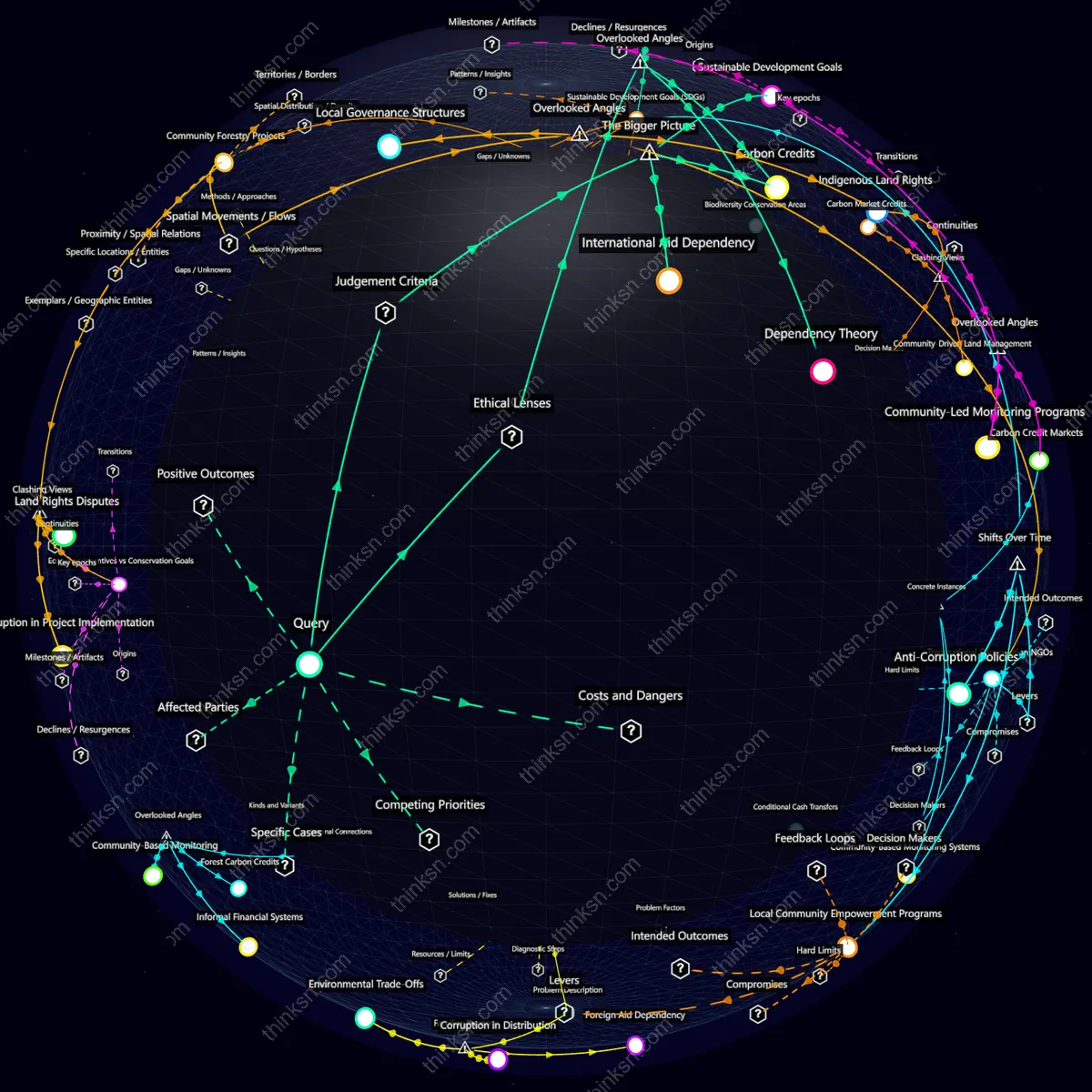
Carbon-intensive growth continues in developing nations because strict fiscal rules block access to green finance, even when funding programs exist.
Global climate finance often depends on credit rules set by banks and the IMF. These rules focus on debt levels and creditworthiness. Countries labeled high-risk face strict limits on how they can use green funds. Even when special clean energy programs are available, access is blocked. Fiscal rules meant to ensure stability slow down funding. This delay or reduction happens even if projects are approved. Reviews from IMF and World Bank show this pattern in Africa and South Asia. The result is that green money does not reach the ground. A country may have clean financing options but still build coal plants. Mozambique and Pakistan are examples. They are part of climate funds but still rely on coal. The mere existence of green funds is not enough. Real-world borrowing limits stop countries from using them. This breaks the link between available finance and cleaner growth. The belief that clean options prevent dirty growth is flawed. It ignores how borrowing rules block real access.
Climate Finance Trap
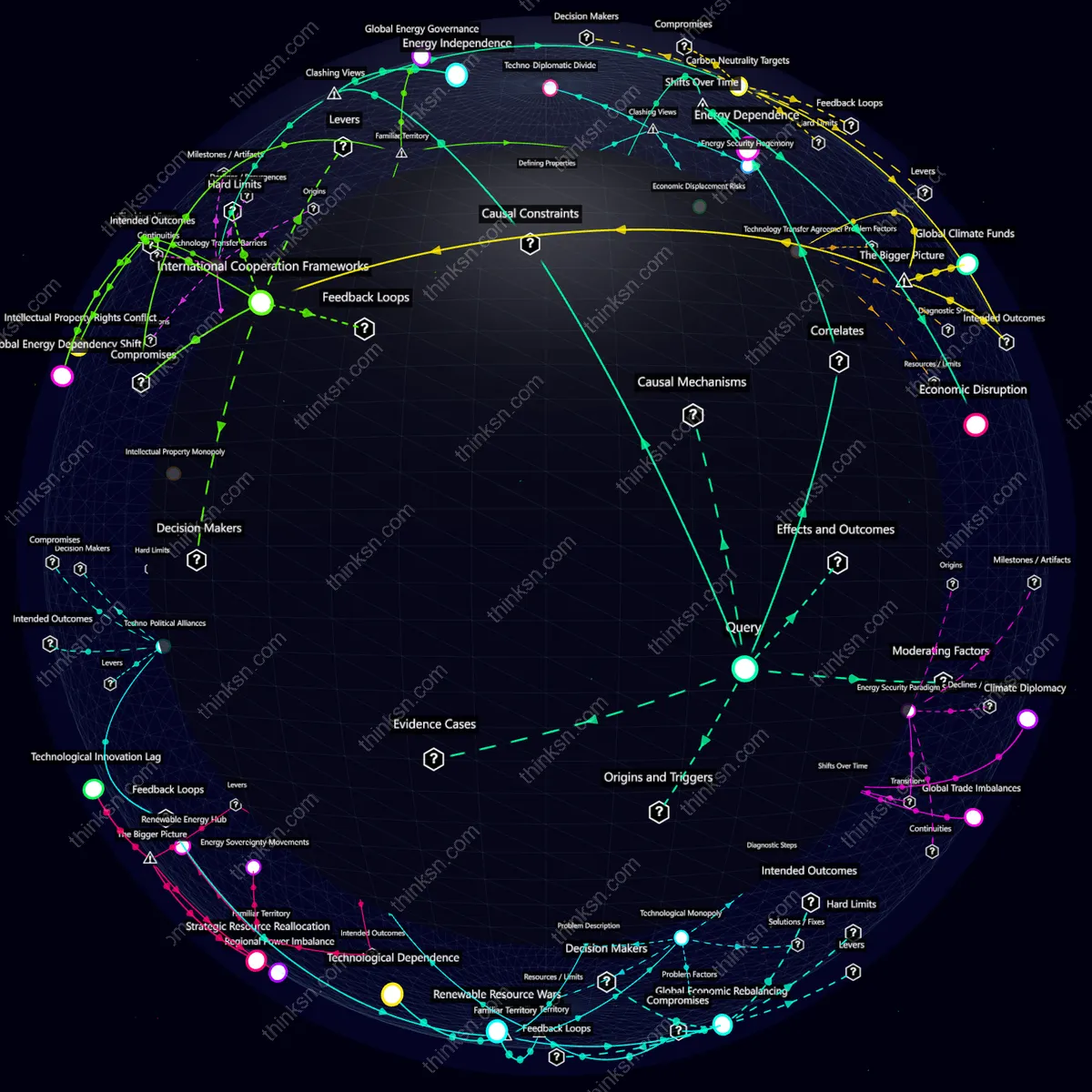
Developing nations stay locked into fossil fuel use because climate funding requires economic reforms, not climate progress, and no large, fast, independent alternatives exist—until regional banks can offer real competition to Western-led institutions.
Multilateral development banks and rich countries control climate funding. They require developing nations to meet economic policy goals to receive money. These goals often ignore local development needs. This creates a dependency on funding that favors carbon-heavy growth. Most poor countries must expand fossil fuel use to meet energy demands. Alternative funding sources are too small or slow to help. They also lack strong safeguards for national control. The Paris Agreement does not force nations to act. Its rules are voluntary and loosely monitored. This allows the system to continue. But change is possible. Regional banks could one day match Western-led banks in size and power. If they do, they can fund green projects independently. The Asian Infrastructure Investment Bank could lead this shift. Right now, over 70 percent of climate infrastructure loans in poor countries still depend on fossil fuel-based measures. This locks in dirty energy for decades.
Climate Finance Gap
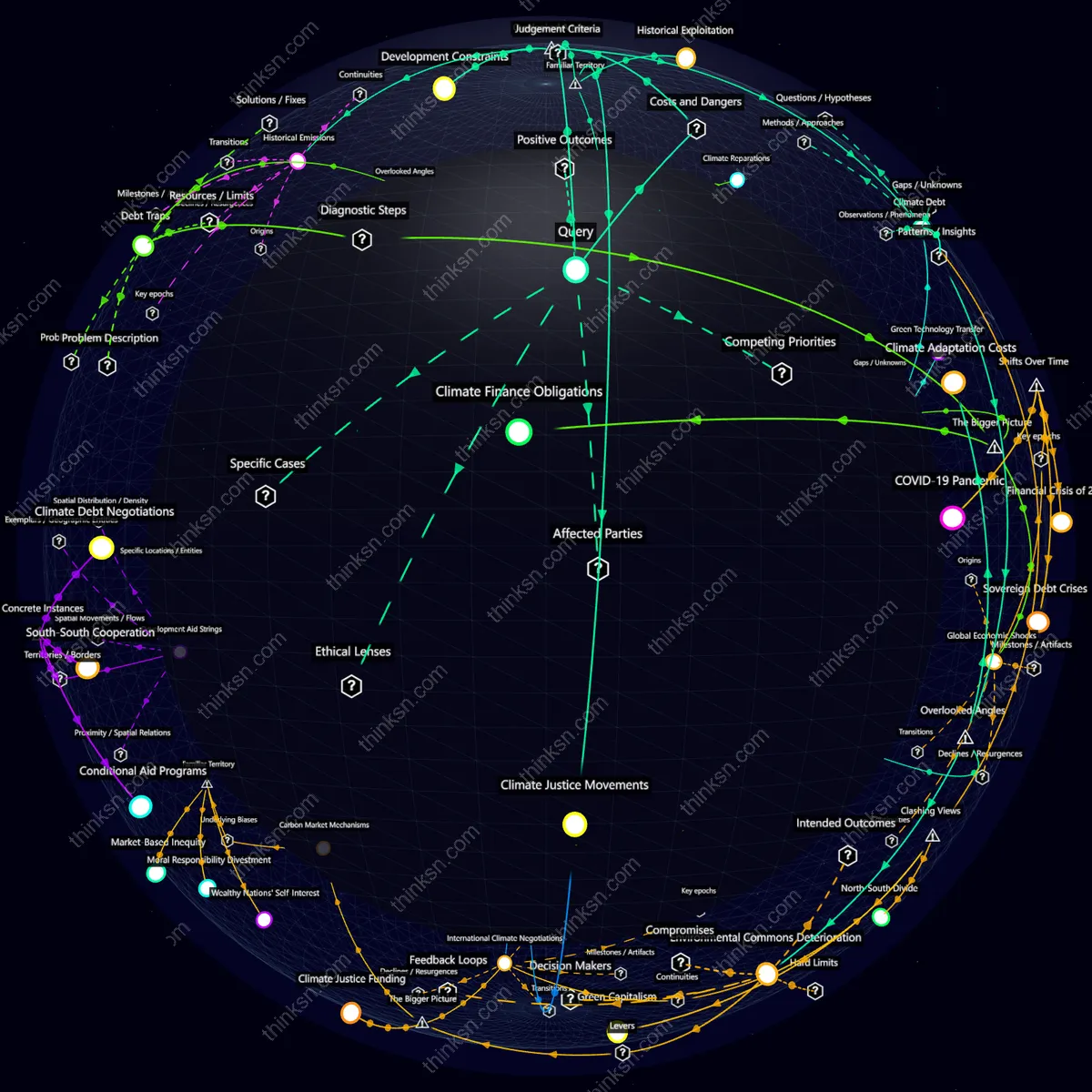
Carbon-intensive development continues not because climate funds are structurally unavailable, but because sovereign priorities lead countries to spend available funds on adaptation rather than mitigation.
Many developing countries struggle to get climate funds. This is not because there is too little money overall. It is because different institutions have conflicting rules. The Green Climate Fund, World Bank, and regional banks all set their own terms. These terms do not always match national needs. Some countries cannot meet the financial standards set by lenders. This blocks access, even though other funding exists. The real problem is not the total amount of aid. It is the mismatch between donor rules and local priorities. Many countries have received funds. Yet they choose to spend it on adapting to climate impacts, not cutting emissions. This is due to their own development goals. The result is that carbon emissions keep rising. But this happens not because financing is unavailable. It happens because countries decide to use funds differently. The path from finance gap to high emissions only works if no other options exist. Data show this condition is false. Most large developing countries have access. They just do not use it for mitigation. So the main barrier is political choice, not broken systems.