Does YouTubes Algorithm Perpetuate Harmful Stereotypes Through Content Suggestions?
Analysis reveals 4 key thematic connections.
Key Findings
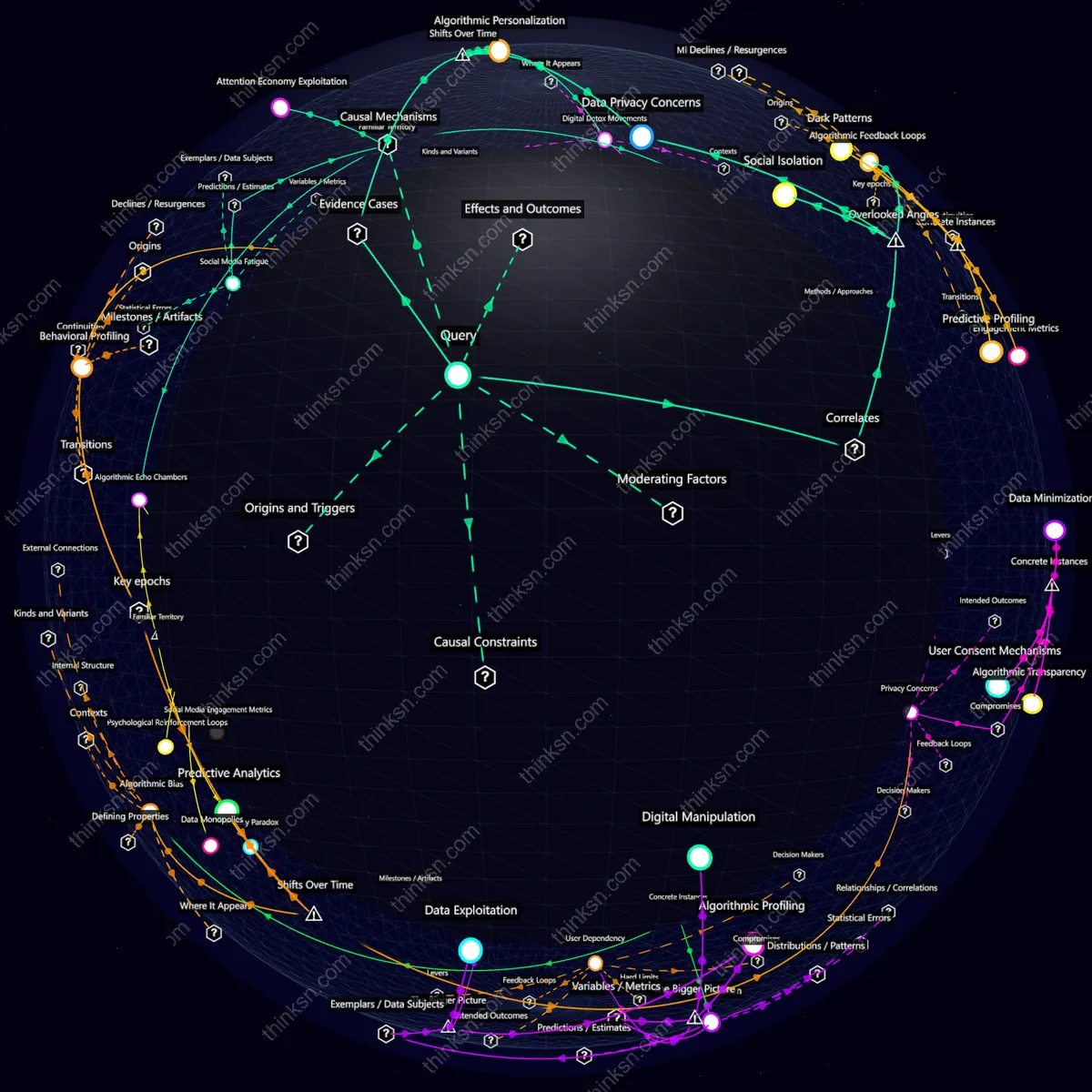
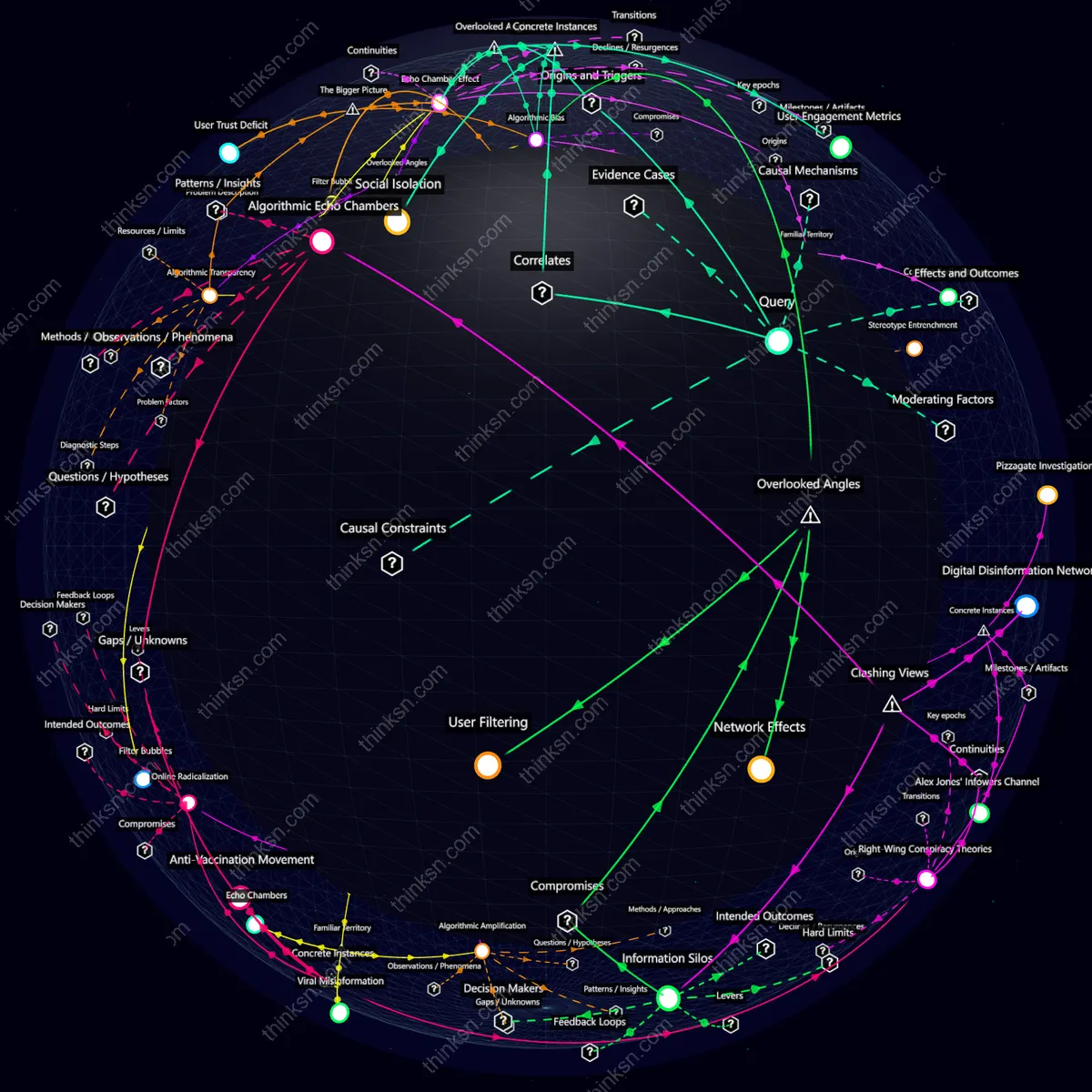
Algorithmic Bias
YouTube's recommendation system can perpetuate algorithmic bias by favoring content that reinforces existing stereotypes. This creates a feedback loop where users are repeatedly exposed to harmful narratives, leading them to form or reinforce prejudiced views.
Echo Chamber Effect
The echo chamber effect exacerbates the spread of harmful stereotypes on YouTube. By recommending similar content that aligns with a user's beliefs, the platform can isolate individuals from diverse perspectives, making it harder to challenge and dismantle stereotypes.
User Engagement Metrics
YouTube prioritizes user engagement metrics such as watch time, leading to algorithmic preferences for controversial or stereotypical content. This creates a perverse incentive for creators to produce sensationalized material that can be harmful but highly engaging, reinforcing negative stereotypes.
Social Isolation
By prioritizing repetitive content based on user preferences, YouTube's recommendation system can contribute to social isolation among individuals who consume harmful stereotypes. This isolates users from alternative viewpoints, potentially exacerbating mental health issues and reinforcing negative self-perceptions.
Deeper Analysis
What strategies and workflows can be implemented to mitigate algorithmic bias in YouTube's recommendation system that promotes harmful stereotypes through repetitive content suggestions?
Filter Bubble
YouTube's recommendation algorithm creates filter bubbles that reinforce harmful stereotypes by repeatedly suggesting content aligned with user biases. This isolates viewers from diverse perspectives, perpetuating narrow and often damaging views on society.
Echo Chamber Effect
The echo chamber effect amplifies the visibility of extreme or stereotypical viewpoints within YouTube's algorithmic ecosystem, making it harder for users to encounter balanced content that challenges harmful stereotypes. This can lead to a radicalization of user beliefs and behaviors.
Algorithmic Transparency
Lack of transparency in how YouTube's recommendation system operates hinders efforts to identify and mitigate algorithmic bias. Without clear visibility into the decision-making process, it becomes nearly impossible for external stakeholders to propose effective countermeasures against harmful content promotion.
How does the Echo Chamber Effect evolve over time in relation to YouTube's recommendation system, potentially amplifying harmful stereotypes through repetitive content suggestions?
Algorithmic Bias
YouTube's recommendation algorithm can reinforce algorithmic bias by repeatedly suggesting content that aligns with user preferences, thereby entrenching stereotypes and echo chambers. As users engage more with similar views, the system optimizes for these patterns, amplifying biases and limiting exposure to diverse perspectives.
Social Polarization
The Echo Chamber Effect on YouTube can exacerbate social polarization by isolating viewers within tight ideological circles. Over time, this leads to a fragmented society where dialogue across different viewpoints becomes increasingly rare, fueling misunderstanding and conflict between groups.
Content Radicalization
YouTube's recommendation system has been criticized for pushing users towards more extreme content as they navigate through suggested videos. This can lead to radicalization as individuals' views become more entrenched within their echo chamber, potentially encouraging harmful behaviors or beliefs.
What are the measurable impacts on YouTube's recommendation algorithm when there is a lack of transparency, and how might this contribute to reinforcing harmful stereotypes through repetitive content suggestions?
Echo Chamber Effect
Lack of transparency in YouTube's recommendation algorithm can deepen the echo chamber effect by repeatedly suggesting content that reinforces existing beliefs and biases, without users knowing why these recommendations are prioritized. This leads to a skewed perception of reality as users consume increasingly homogenous views, potentially isolating them from diverse perspectives.
Algorithmic Bias
Without transparency in the recommendation algorithm's decision-making process, YouTube may unknowingly perpetuate or amplify existing social biases and stereotypes. This occurs when algorithms favor content that aligns with harmful societal norms, creating a feedback loop where minority voices are marginalized and dominant narratives become entrenched.
User Trust Deficit
The absence of transparent practices in YouTube's algorithm can erode user trust over time. When users lack insight into how content is recommended to them, they may feel manipulated or misled, leading to a broader skepticism towards the platform and its intentions. This deficit in trust complicates efforts to address harmful stereotypes and misinformation.
How does YouTube's recommendation system contribute to social polarization over time through repetitive content that reinforces harmful stereotypes?
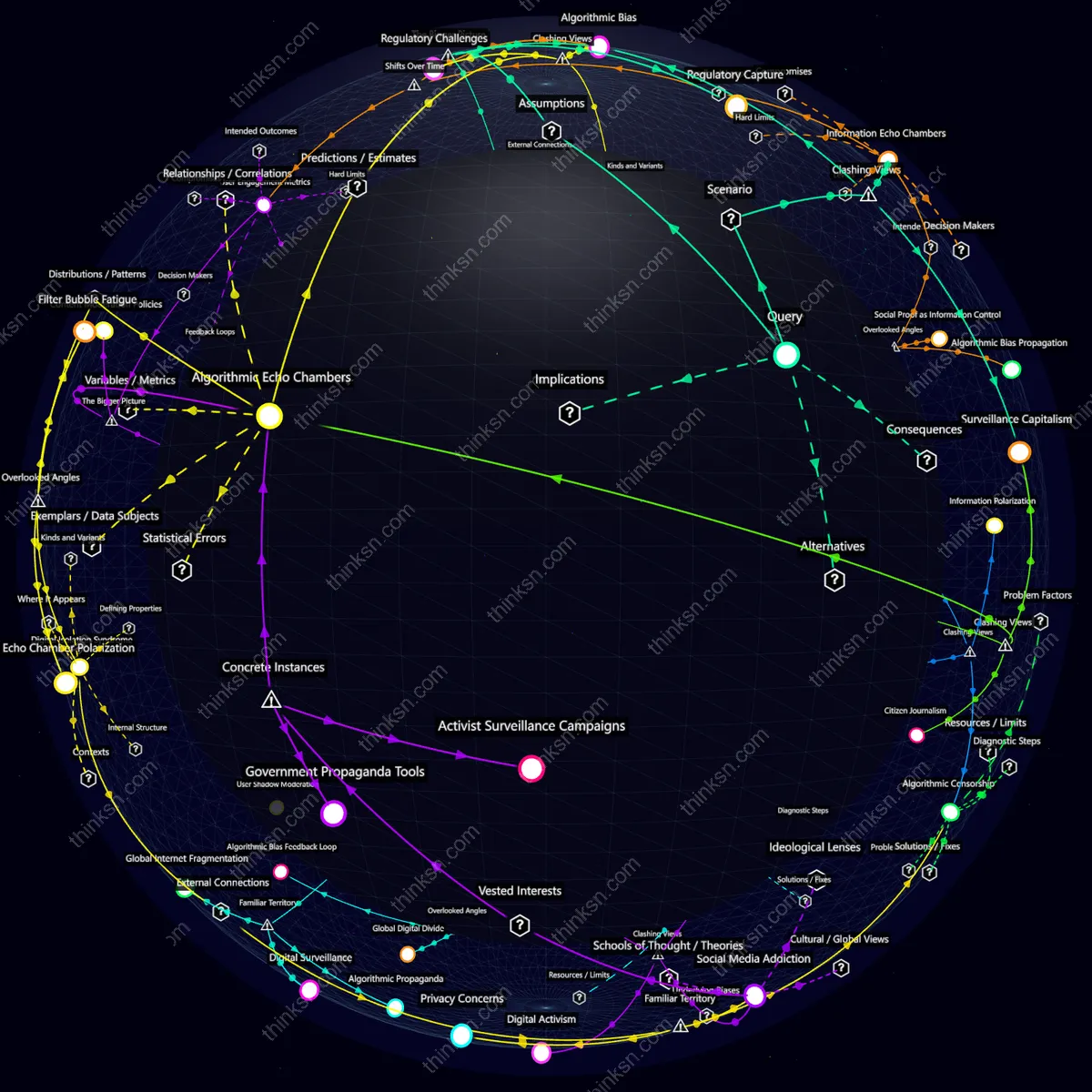
Algorithmic Echo Chambers
YouTube's algorithm creates echo chambers where users are repeatedly exposed to content reinforcing their existing views. This leads to a decline in the diversity of information, as users increasingly consume material that aligns with their biases, thus exacerbating social polarization.
Stereotype Entrenchment
The recommendation system's tendency to surface content based on past clicks can entrench harmful stereotypes by continuously feeding users with narratives that reinforce these prejudices. This cycle of reinforcement can lead to a fall from favor for more balanced or nuanced perspectives, as they become less visible and harder to find.
Filter Bubble Feedback Loop
The filter bubble effect intensifies when the algorithm prioritizes engagement over content quality, creating a feedback loop where fringe content gains traction due to novelty rather than substance. This can result in significant shifts in public discourse, as mainstream views are overshadowed by extreme or polarized viewpoints.
Explore further:
- In what ways can YouTube's algorithmic echo chambers reinforce harmful stereotypes by repeatedly suggesting similar content, and how might this impact users' perceptions and behaviors?
- How does the filter bubble feedback loop in YouTube's recommendation system evolve over time, potentially contributing to the spread of harmful stereotypes through repetitive content suggestions?
In what ways can YouTube's algorithmic echo chambers reinforce harmful stereotypes by repeatedly suggesting similar content, and how might this impact users' perceptions and behaviors?
Right-Wing Conspiracy Theories
YouTube's algorithmic echo chambers amplify right-wing conspiracy theories by repeatedly suggesting similar content to users. This creates a feedback loop where individuals are exposed only to extremist viewpoints, reinforcing harmful stereotypes and isolating them from diverse perspectives.
Anti-Vaccination Movement
The anti-vaccination movement gains traction through algorithmic echo chambers on YouTube, as the platform's recommendation system suggests anechoic chamber-like content that reinforces users' pre-existing biases against vaccines. This can lead to a surge in vaccine hesitancy and misinformation, posing public health risks.
Online Radicalization
YouTube's algorithmic echo chambers contribute to online radicalization by recommending extremist content tailored to users' viewing history. This can push individuals towards more extreme ideologies over time, highlighting the platform’s role in shaping user perceptions and behaviors through targeted content suggestions.
Explore further:
- How do right-wing conspiracy theories evolve over time through YouTube's recommendation system and contribute to spreading harmful stereotypes?
- What strategies can be formulated to prevent YouTube's recommendation system from contributing to online radicalization through repetitive harmful stereotype suggestions?
How does the filter bubble feedback loop in YouTube's recommendation system evolve over time, potentially contributing to the spread of harmful stereotypes through repetitive content suggestions?
Echo Chamber Effect
The Filter Bubble Feedback Loop intensifies the Echo Chamber Effect by algorithmically reinforcing users' existing beliefs and biases. This creates an environment where exposure to diverse viewpoints is minimized, leading to the proliferation of harmful stereotypes that are repeatedly validated within narrow ideological confines.
Algorithmic Transparency
As awareness of Filter Bubble Feedback Loop grows, calls for Algorithmic Transparency increase, with users demanding greater insight into recommendation algorithms. However, achieving true transparency remains elusive due to proprietary interests and technical complexity, leaving systemic biases largely opaque and unaddressed.
Social Media Influencers
Influencers exploit the Filter Bubble Feedback Loop by crafting content that resonates within specific echo chambers, amplifying their reach and influence. This can lead to rapid spread of harmful stereotypes as influencers gain credibility through repeated engagement with like-minded followers.
How do right-wing conspiracy theories evolve over time through YouTube's recommendation system and contribute to spreading harmful stereotypes?
Algorithmic Echo Chambers
YouTube's recommendation algorithms create algorithmic echo chambers where right-wing conspiracy theories are amplified to users who already lean towards such views, reinforcing stereotypes and limiting exposure to diverse perspectives. This can escalate into radicalization as users consume increasingly extreme content.
Information Silos
Right-wing conspiracy theories thrive in information silos where fringe ideas are not challenged by mainstream discourse or evidence-based journalism. These silos are maintained through closed communities and opaque networks that protect the theories from scrutiny, fostering a breeding ground for harmful stereotypes.
Digital Disinformation Networks
Right-wing conspiracy theories spread via digital disinformation networks where influencers and bots work together to amplify baseless claims. This collaboration can lead to large-scale misinformation campaigns that undermine public trust in institutions, leading to real-world consequences such as political polarization and social unrest.
Pizzagate Investigation
The Pizzagate investigation in 2016 exemplified how right-wing conspiracy theories can escalate into dangerous real-world actions, as a gunman was motivated to target Comet Ping Pong pizza parlor based on fabricated claims of child trafficking. This event starkly illustrates the power of YouTube and other platforms to amplify false narratives.
QAnon Movement
The QAnon movement's rapid growth through YouTube’s recommendation algorithm demonstrated how conspiracy theories can evolve into a broad, interconnected network of misinformation, spreading harmful stereotypes about political opponents and fostering distrust in democratic institutions.
Alex Jones' Infowars Channel
Infowars channel on YouTube became notorious for disseminating extreme right-wing conspiracy theories, which not only polarized audiences but also created a feedback loop where engagement metrics drove content creators to produce increasingly sensational and divisive material.
Explore further:
- What strategies can be implemented to prevent information silos from forming due to YouTube's recommendation system, which might spread harmful stereotypes through repetitive content suggestions?
- To what extent can YouTube's recommendation system inadvertently promote QAnon beliefs by suggesting repetitive and misleading content, thus contributing to harmful stereotypes?
What strategies can be implemented to prevent information silos from forming due to YouTube's recommendation system, which might spread harmful stereotypes through repetitive content suggestions?
Algorithmic Bias
YouTube's recommendation system can inadvertently reinforce Algorithmic Bias by repeatedly suggesting content that aligns with existing stereotypes. This creates a feedback loop where users are exposed to and engage more with biased information, solidifying harmful narratives in their minds.
Network Effects
The strength of Network Effects on YouTube can exacerbate Information Silos by prioritizing content from popular creators who may not represent diverse viewpoints. As viewers spend more time engaging with a narrow set of channels, they miss out on alternative perspectives that could broaden their understanding and challenge stereotypes.
User Filtering
Users often apply User Filtering based on recommendation algorithms, which can lead to echo chambers where harmful stereotypes are perpetuated. This behavior is reinforced as users share similar content within their social networks, further entrenching misinformation without the benefit of counterbalancing viewpoints.
To what extent can YouTube's recommendation system inadvertently promote QAnon beliefs by suggesting repetitive and misleading content, thus contributing to harmful stereotypes?
Online Radicalization
YouTube's recommendation algorithm inadvertently promotes QAnon content through echo chambers, where repetitive misleading narratives radicalize users into conspiracy theories and misinformation. This fosters a fragile ecosystem of distrust towards mainstream media and institutions.
Digital Disinformation Campaigns
QAnon thrives on digital platforms that prioritize engagement metrics over truthfulness, leading to the spread of disinformation campaigns through viral hashtags and trending videos. This undermines democratic processes by sowing confusion about election results and government policies.
Algorithmic Amplification
YouTube's opaque recommendation system amplifies QAnon content based on user engagement, creating a feedback loop that rewards sensationalism over accuracy. This leads to the proliferation of harmful stereotypes and misinformation at an unprecedented scale.
Explore further:
- What is the role of YouTube's recommendation system in the dissemination and amplification of digital disinformation campaigns through repetitive content suggestions?
- In what ways can algorithmic amplification in YouTube's recommendation system lead to the propagation and reinforcement of harmful stereotypes through repetitive content suggestions?
What is the role of YouTube's recommendation system in the dissemination and amplification of digital disinformation campaigns through repetitive content suggestions?
Echo Chamber Effect
YouTube's recommendation algorithm can intensify the echo chamber effect by suggesting repetitive content that aligns with a user’s existing views, thereby amplifying digital disinformation campaigns and reinforcing false narratives without exposing users to opposing viewpoints.
Algorithmic Bias
The reliance on algorithms to curate content can lead to algorithmic bias, where the system prioritizes sensationalist or provocative content over factual information. This biases user engagement towards disinformation campaigns, making it harder for accurate news and educational content to reach a wide audience.
Filter Bubbles
The creation of filter bubbles isolates users within personalized data cocoons where exposure to diverse perspectives is limited, thereby allowing digital disinformation campaigns to thrive by exploiting confirmation biases and reinforcing ideological echo chambers.
Echo Chambers
YouTube's recommendation system can deepen echo chambers by suggesting repetitive content that reinforces users' existing beliefs, making it easier for disinformation campaigns to spread unchecked. This creates a feedback loop where users are increasingly exposed only to information that aligns with their biases, amplifying the reach and impact of false narratives.
Algorithmic Amplification
The algorithmic amplification effect means YouTube's system can inadvertently elevate disinformation by prioritizing content that generates high engagement. This creates a perverse incentive for bad actors to craft provocative, misleading material designed to attract clicks and views, further entrenching the spread of false information within vulnerable communities.
Viral Misinformation
Misinformation can become viral through YouTube's recommendation system when it is flagged as trending or popular content. This not only spreads misleading narratives rapidly but also undermines efforts to counteract disinformation, as the platform’s algorithms reward engagement over truthfulness, making it challenging for accurate information to compete.