Year-Round Learning: Worth the Price for Preschool?
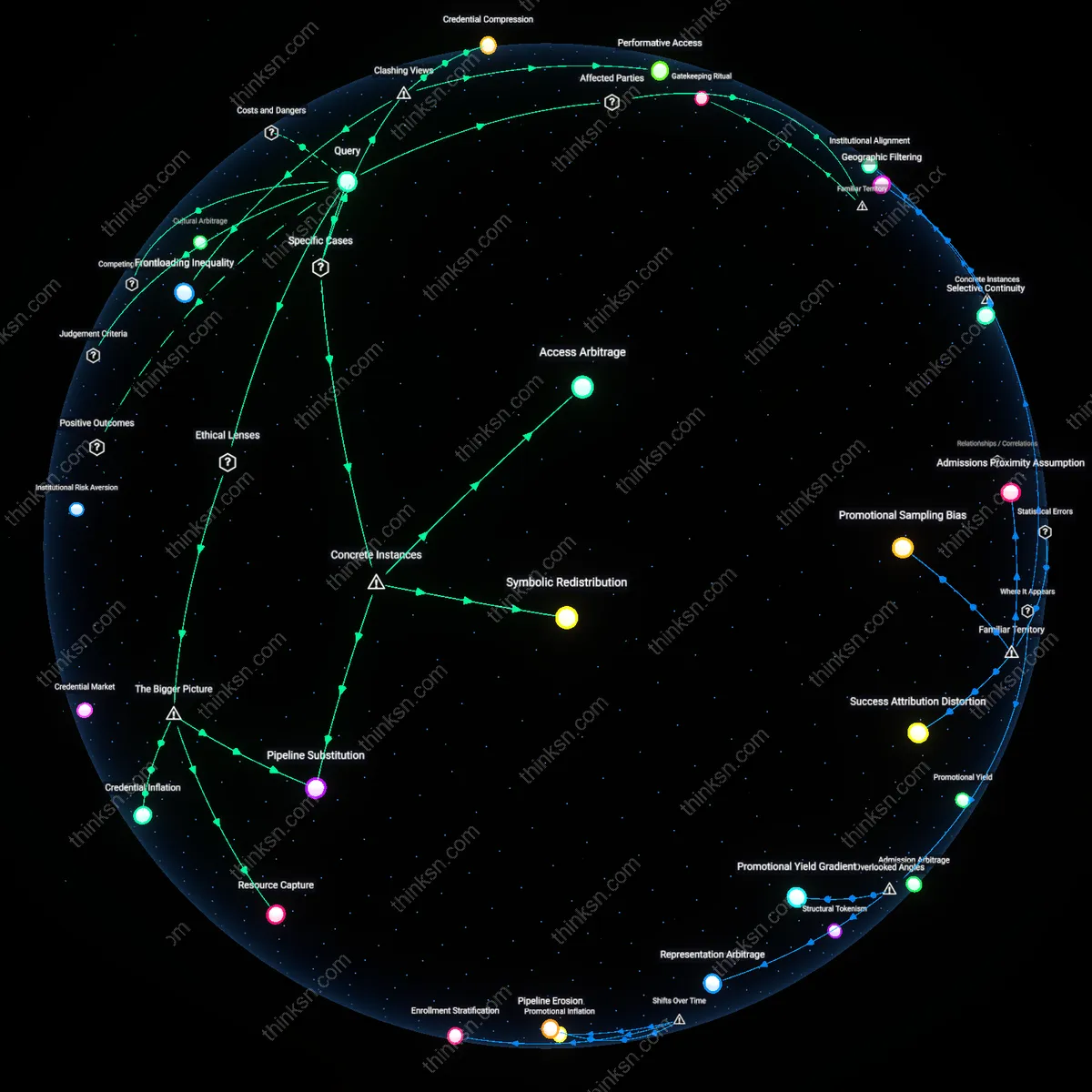
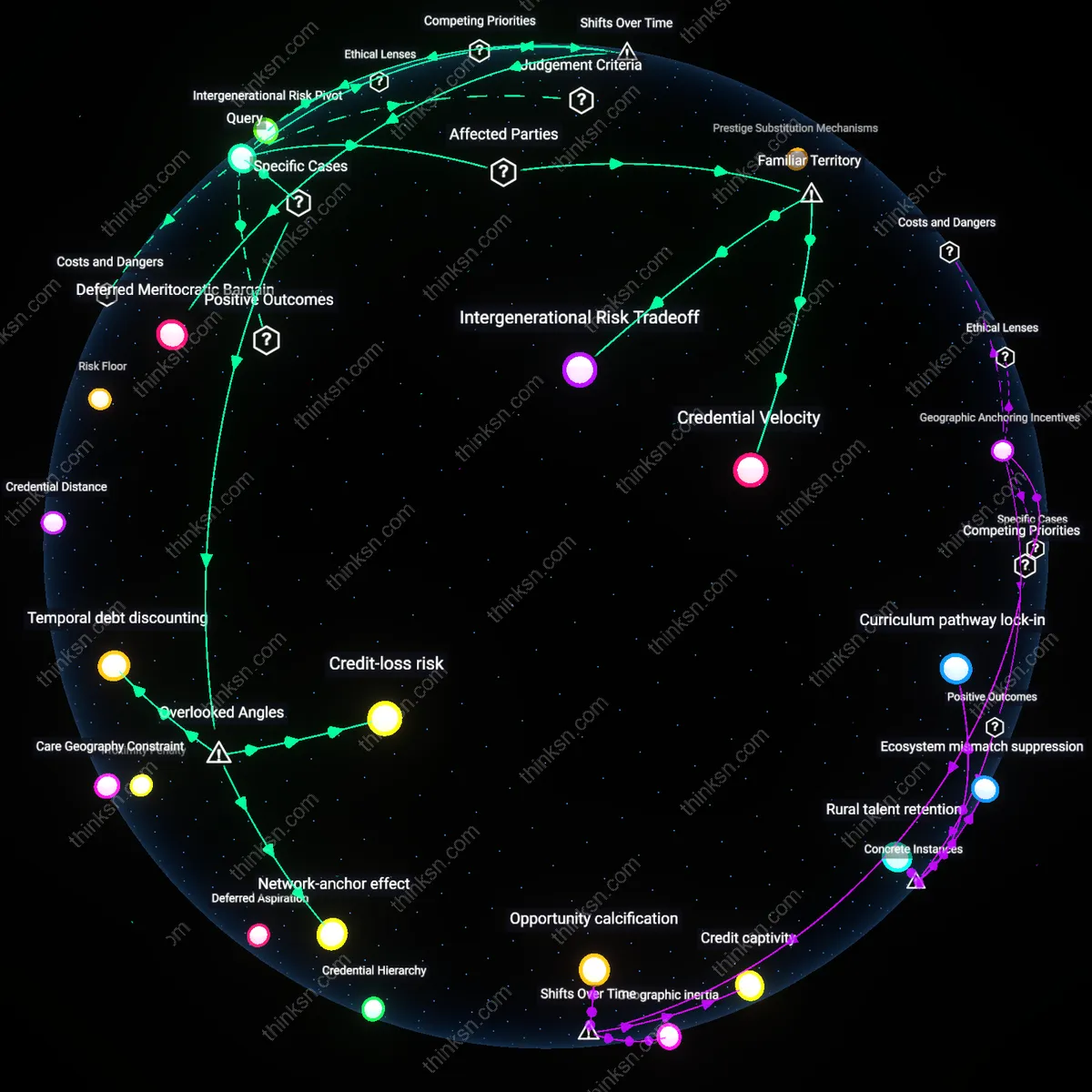
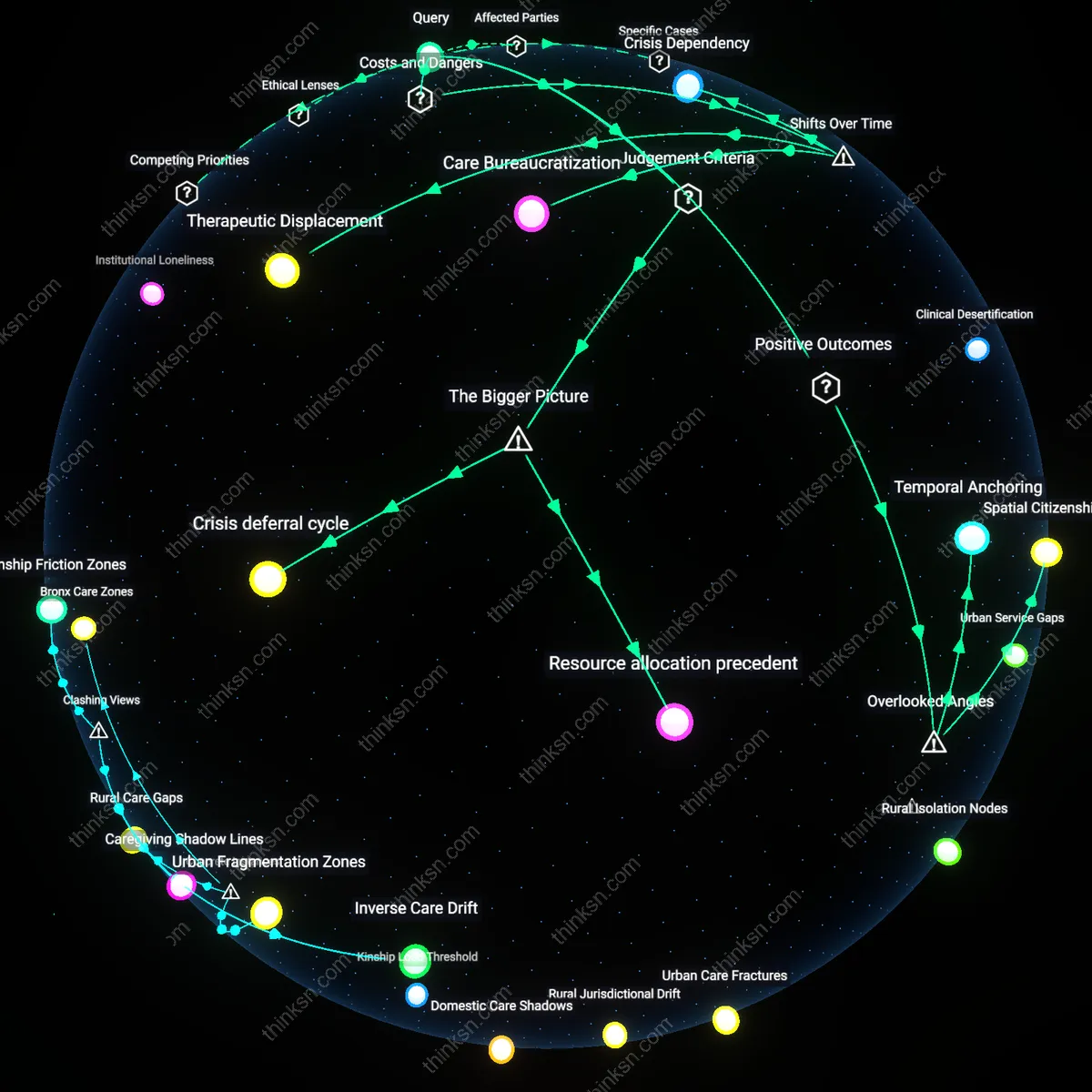
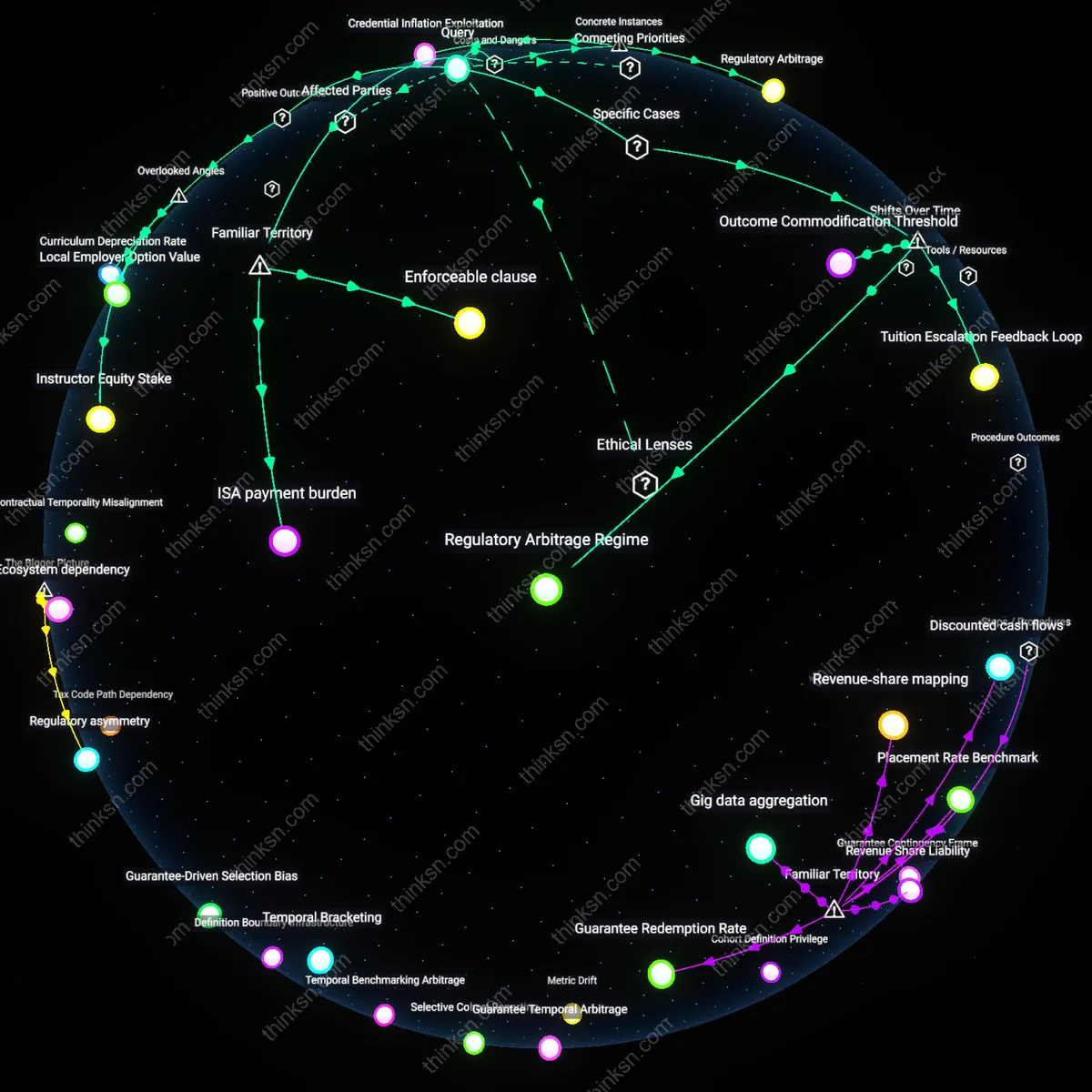
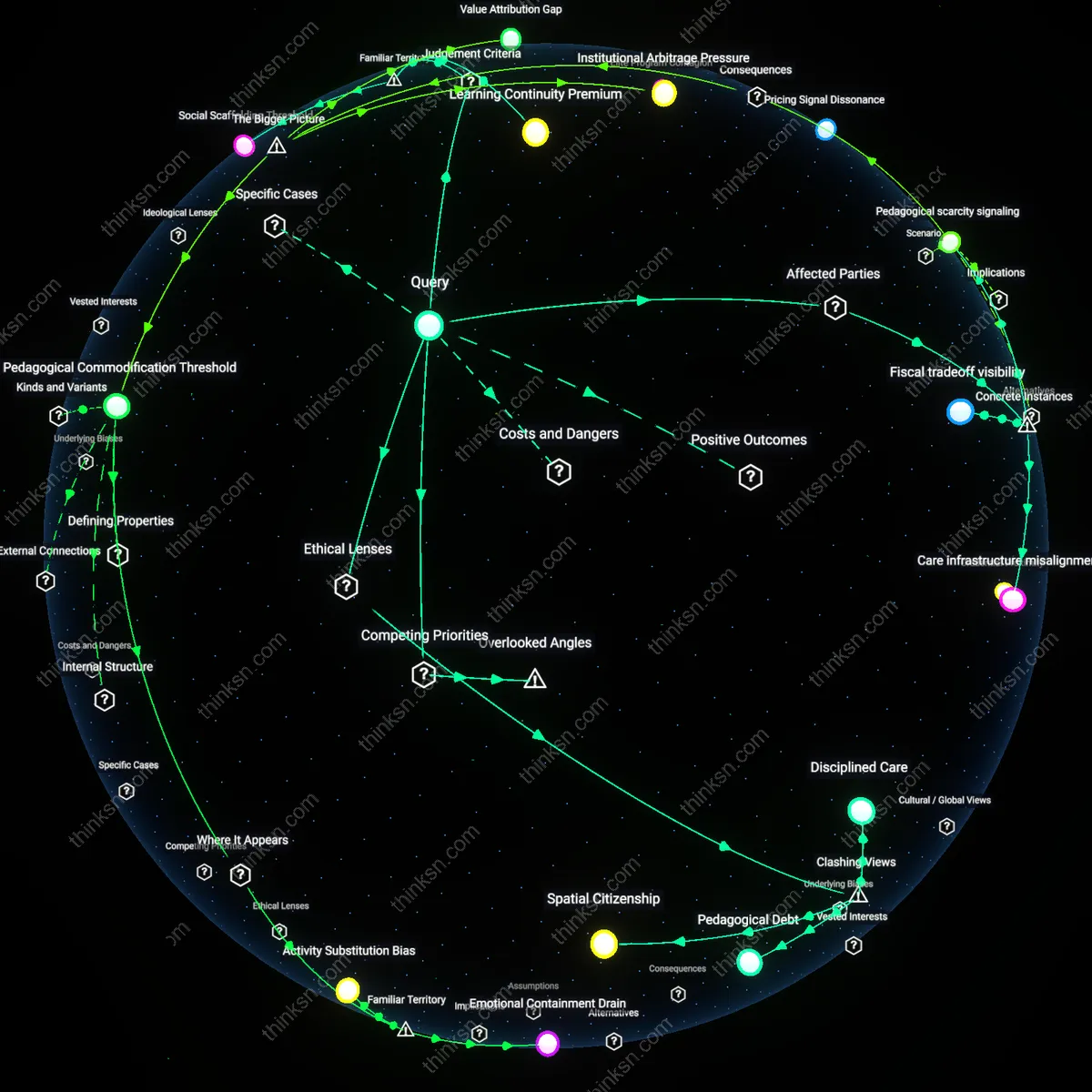
Analysis reveals 10 key thematic connections.
Key Findings
Fiscal tradeoff visibility
A parent in Montgomery County, Maryland, can assess the value of a costly summer preschool program by comparing its fees to the county's publicly funded summer early learning initiatives, which were expanded after a 2018 equity audit revealed developmental regression in low-income children during seasonal breaks; because the public alternative delivers similar cognitive continuity at no cost, the financial premium of private programs becomes a measurable variable against learning maintenance, revealing that cost-benefit analysis only holds when alternatives are institutionally transparent and comparable.
Care infrastructure misalignment
When parents in Seattle weighed enrollment in a private summer preschool at the Lakeside School against its high tuition, they confronted not just pedagogical continuity but the absence of synchronized parental leave policies at major regional employers like Amazon and Boeing, where summer childcare gaps force household compromises; this disjuncture between educational offerings and workforce support systems exposes how the perceived academic benefit of continuous programming is distorted by structural mismatches in care logistics, making cost rationalizations dependent on off-site institutional behaviors.
Pedagogical scarcity signaling
In Brooklyn’s PS 321 catchment, affluent parents opting for the costly summer program at the progressive Greenwood Nursery School interpret its uninterrupted Reggio Emilia curriculum as a rare asset, a perception amplified after the 2020 closure of three similar programs due to pandemic-related funding shortfalls, which transformed continued enrollment into a status-enforced distinction; here, the elevated cost is justified not through learning outcomes but through the symbolic capital of accessing a vanishing pedagogical model, revealing that value assessment is recalibrated by perceived exclusivity rather than cognitive metrics.
Learning Continuity Premium
A parent should compare the tuition of the summer program to the cost of idle months by calculating how much routine disruption sets back classroom reintegration in September—measured in wasted instructional hours and behavioral recalibration. Teachers in district-wide assessments consistently report spending up to three weeks reteaching lost skills, a hidden cost borne asymmetrically by families who skip summer programming. This reframes the fee as an insurance premium against regression, exploiting the public intuition that 'learning loss' is measurable and avoidable—but underappreciates that the biggest gains aren't academic, but in the smooth functioning of school as an institutional rhythm.
Care Equity Deficit
A parent should judge the program’s cost by whether it widens or narrows the gap between their childcare access and that of higher-income peers, using public-school summer offerings as a baseline for fairness. Most affluent families treat summer as continuous enrollment, while working-class parents face forced interruptions due to cost or availability—so paying more sustains a system where developmental continuity is privatized. This leverages the moral principle of justice, revealing that so-called 'optional' programs become de facto requirements when peer norms shift, turning tuition into a stealth tax on equality.
Social Scaffolding Threshold
A parent should assess the program based on whether it preserves the child’s peer network and teacher attachment—because uninterrupted contact maintains the relational infrastructure that makes learning feel safe and legible. School isn’t just cognitive input; it’s a trusted container where predictable faces lower a child’s affective filter, allowing language and behavior modeling to persist. While most public discourse frames summer breaks as rest, the non-obvious truth is that for young children, relational rupture is more disruptive than curriculum gaps—making the real value of the program not learning continuity, but social continuity.
Peer Node Stability
A parent should assess summer program value by its capacity to maintain peer node stability—the uninterrupted cohesion of the child’s primary social cluster—because relational continuity exerts disproportionate influence on affective safety, which in turn gates cognitive risk-taking in preschool. Standard evaluations focus on curriculum or teacher quality, yet the silent driver of classroom engagement is whether a child returns in fall to the same constellation of familiar peers; summer dispersal fractures this network, forcing emotional re-investment that delays participation for weeks. This dynamic is invisible in cost-benefit analyses because it mimics shyness or developmental regression, but schools that preserve cohort continuity through summer function as social incubators, reducing re-onboarding friction that teachers must then compensate for pedagogically.
Disciplined Care
A parent evaluates the summer program not by its educational continuity but by its function in upholding neoliberal labor discipline, wherein the state’s underfunding of childcare coerces working families into purchasing private developmental infrastructure to avoid stigma; this mechanism, grounded in the expansion of rights-based early education under frameworks like the UN Convention on the Rights of the Child being selectively enforced only when non-cost-prohibitive, reveals that the program’s ‘value’ is tethered not to pedagogy but to the parent’s compliance with wage labor — a non-obvious alignment where developmental rhetoric masks disciplinary assimilation into capitalist temporality.
Pedagogical Debt
The continuous learning benefit is a moral trap rooted in meritocratic liberalism, where parents internalize the idea that gaps in structured education constitute developmental regression, even though longitudinal studies in developmental psychology show no cognitive deficit from unstructured summer breaks in early childhood; by treating the summer program as preventing loss, the parent reproduces a systemic fiction advanced by neoliberal education reform—central to ideologies like No Child Left Behind—that pathologizes natural developmental rhythms, thus mistaking chronological pressure for ethical responsibility and incurring pedagogical debt where none exists.
Spatial Citizenship
Choosing the program based on its supposed learning benefit ignores how access to such programs stratifies civic belonging, where elite preschools function as private enclaves—often incorporated as 501(c)(3)s—that condition inclusion on tuition-driven participation in extended sessions, effectively seceding from public systems; this exclusionary spatialization, observable in zoning policies and charter expansions in cities like New York and Chicago, reframes preschool not as a developmental tool but as a geography of privilege, where uninterrupted access becomes a litmus test for class-specific citizenship.